
Overview
For sleep-deprived parents googling solutions at 3 AM while their 7-month-old practices Olympic-level crib acrobatics, there’s hope! This guide details optimal sleep needs (12-15 total hours), recommended schedules (2-3 naps transitioning to 2), establishing consistent routines, creating ideal sleep environments, recognizing tiredness cues, addressing night wakings, and managing common challenges like early morning wake-ups and travel disruptions.
Table of Contents
- Understanding 7-Month-Old Sleep Needs
- Ideal Daily Schedule Framework
- Establishing Consistent Sleep Routines
- Optimizing the Sleep Environment
- Recognizing Sleep Cues
- Addressing Night Wakings
- Navigating Nap Transitions
- Common Challenges and Solutions
- Conclusion
- Frequently Asked Questions
Finding yourself googling baby sleep solutions at 3 AM? You’re not alone. The 7-month mark brings exciting developmental leaps—and often significant sleep disruptions. Your little one is mastering new skills, and sometimes they’d rather practice rolling over than sleeping through the night.
Quality sleep isn’t just about your sanity (though that’s important too!). During sleep, your baby’s brain processes new skills, consolidates memories, and grows at a remarkable rate. Good sleep directly impacts cognitive development, emotional regulation, and physical growth.
As a pediatric sleep specialist with over a decade of experience, I’ve helped thousands of families navigate the 7-month sleep schedule challenges. In this comprehensive guide, I’ll share evidence-based strategies that balance developmental needs with practical solutions for better sleep—for everyone in the house.
Understanding 7-Month-Old Sleep Needs
Your 7-month-old typically needs 12-15 total hours of sleep daily. This usually breaks down to 10-12 hours of nighttime sleep plus 2-3 hours of daytime sleep across 2-3 naps. Many babies at this age are transitioning from three naps to two, which can temporarily disrupt established patterns.
Research from the National Sleep Foundation confirms that inadequate sleep negatively impacts mood regulation, cognitive development, and even immune function in infants. If your baby consistently gets less sleep than recommended, they may accumulate sleep debt—manifesting as increased fussiness, shorter naps, or more frequent night wakings.
The 7-month milestone brings significant developmental achievements affecting sleep. Many babies are mastering sitting independently, some are beginning to crawl, and cognitive developments like object permanence are taking hold. This newfound understanding that you exist even when out of sight often triggers separation anxiety at bedtime.
The infamous “8-month sleep regression” frequently arrives early around 7 months. Signs include suddenly fighting previously easy naps, waking more frequently at night, difficulty falling asleep, and early morning wakings. While challenging, these disruptions typically correlate with developmental leaps and are temporary.

Ideal Daily Schedule Framework
An ideal wake-up time for most 7-month-olds falls between 6:30-7:30 AM. While this might sound painfully early, a consistent morning wake time helps regulate your baby’s biological clock for the entire day. Start with exposure to natural light, a cheerful greeting, and the first feeding to signal day has begun.
Most 7-month-olds thrive on a 2-3 nap schedule with age-appropriate wake windows between sleep periods:
For babies taking 3 naps:
- Morning wake-up: 6:30-7:30 AM
- First nap: 9:00-10:30 AM (about 2-2.5 hours after waking)
- Second nap: 1:00-2:30 PM
- Third nap: Brief 30-45 minute catnap around 4:30 PM
- Bedtime: 7:00-7:30 PM
For babies transitioning to 2 naps:
- Morning wake-up: 6:30-7:30 AM
- First nap: 9:30-11:00 AM (about 2.5-3 hours after waking)
- Second nap: 2:00-3:30 PM
- Bedtime: 6:30-7:30 PM (earlier if naps were short)
An effective bedtime routine signals to your baby that sleep is coming. A 2015 study in Sleep found that consistent bedtime routines not only improve sleep onset but also reduce night wakings. Your routine should last about 20-30 minutes and might include:
- Bath (doesn’t need to be nightly)
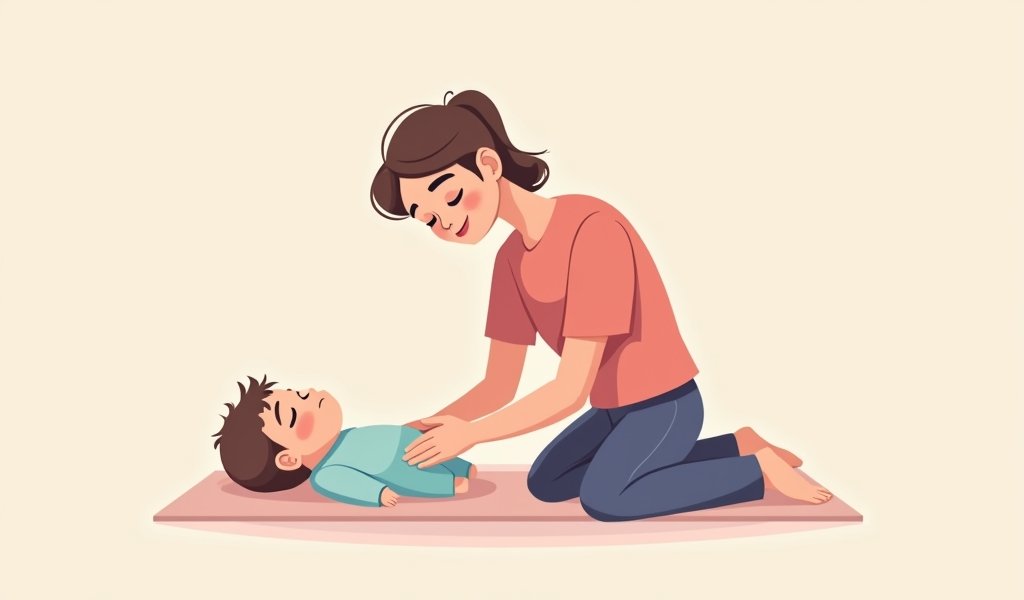
- Gentle massage with baby-safe lotion
- Changing into pajamas and sleep sack
- Feeding in a dimly lit room
- Reading a short book or singing a lullaby
- Final cuddles before placing in crib drowsy but awake
Remember this is a framework, not rigid rules. Your baby is unique and may need adjustments based on temperament, sleep needs, and family schedule.
Establishing Consistent Sleep Routines
Babies thrive on predictability. In their world filled with constant new discoveries, routines provide security and comfort. When your little one can anticipate what’s coming next, their nervous system can relax, making the transition to sleep significantly smoother.
Think of sleep routines as training wheels for your baby’s developing self-regulation skills. They’re learning, “After bath and story time, I lie down in my crib and fall asleep.” This predictable pattern helps them make sense of their world and develops healthy sleep associations.
Effective pre-sleep rituals don’t need to be elaborate—consistency matters more than complexity. For naptime, create a condensed version of your bedtime routine: perhaps closing curtains, a diaper change, sleep sack, brief rocking while singing the same short song, then placing in the crib with your consistent sleep phrase like “Sweet dreams, I love you.”
When life gets busy (as it inevitably does), focus on maintaining the sequence rather than exact timing. If you’re running late, shorten each step rather than skipping elements entirely. Having a simplified “emergency routine” that preserves the most essential elements can help maintain sleep consistency on chaotic days.
Share routine details with all caregivers, including specific phrases or songs you use. Creating a simple visual guide can help grandparents or babysitters maintain the consistency that promotes better sleep.
Optimizing the Sleep Environment
Your baby’s sleep sanctuary should be cool, dark, and comfortable—essentially a sleep cave for your little hibernating bear. The ideal temperature for infant sleep is between 68-72°F (20-22°C). Overheating has been linked to sleep difficulties and is a risk factor for SIDS, so resist the urge to overdress.
Darkness stimulates melatonin production, the hormone that promotes sleep. Consider blackout curtains—they’re practically a parental superpower for preventing early morning wakings and extending naps. For nighttime check-ins, use the dimmest light possible or a red-based night light that won’t suppress melatonin.
When it comes to sound, consistency is key. A white noise machine set at about 50-60 decibels (similar to a shower running) placed at least 6 feet from the crib masks household sounds and mimics the whooshing your baby heard in the womb. Alternatively, if your home environment allows for consistent quiet and your baby responds well to it, that works too.
While optimizing for sleep, never compromise on safety:
- Always place baby on their back to sleep
- Use a firm mattress with a fitted sheet only—no pillows, blankets, or toys
- Keep the crib away from cords, heaters, and windows
- Avoid bed-sharing, which increases SIDS risk
- Consider room-sharing until at least 6 months (ideally 12 months) as recommended by the American Academy of Pediatrics
A safe sleep environment always takes priority, even if it means a slightly less “optimized” setup.

Recognizing Sleep Cues
Reading your baby’s sleep cues is like having a superpower—it allows you to catch the perfect window of drowsiness before overtiredness hits. Early tiredness signals include decreased activity, quieting down, less interest in surroundings, slight eye rubbing, and occasional yawning. These are your golden opportunity indicators.
Late tiredness signals (indicating overtiredness) include intense rubbing of eyes or ears, arching back, pulling at ears, frantic movement, clinginess, fussiness, and the dreaded “second wind” of hyperactivity. If you see these signs, you’ve missed the optimal sleep window, making falling asleep more difficult.
Overtiredness triggers the release of stress hormones like cortisol and adrenaline, creating a physiological state that makes it harder to fall asleep and stay asleep. To avoid this sleep saboteur:
- Watch the clock as well as your baby (most 7-month-olds can’t comfortably stay awake beyond 3-3.5 hours)
- Start the naptime or bedtime routine before full-blown tiredness appears
- Adjust the schedule if your baby consistently shows early tiredness cues
- Create a calming pre-sleep period rather than exciting play just before sleep times
The perfect balance lies in having a consistent framework while remaining flexible within it. If your baby shows clear tiredness cues 30 minutes before their “scheduled” nap time, don’t push through—honor their body’s signals. A brief sleep journal can help identify patterns, allowing you to create a more customized schedule that works with your baby’s natural rhythms.
Addressing Night Wakings
First, let’s normalize some night waking. Even well-rested 7-month-olds typically wake 1-3 times per night. Many can return to sleep independently after brief awakenings, while others still signal for parental assistance.
Night wakings become excessive when they occur more than 3-4 times nightly, take more than 20 minutes to resolve, involve long periods of wakefulness, or require intensive parental intervention each time. These patterns suggest it’s time to evaluate sleep associations and feeding patterns.
By 7 months, many (but not all) babies can physiologically go longer stretches without nighttime feedings. If your baby is growing well, consuming appropriate solids during the day, and getting enough daytime milk feedings, you might consider gradually reducing night feedings.
However, some considerations include:
- Babies experiencing growth spurts may genuinely need extra calories overnight
- Exclusively breastfed babies often continue 1-2 night feedings longer than formula-fed peers
- Babies who reverse-cycle (feed more at night than day) need gentle schedule adjustments to shift intake to daytime
Self-soothing develops gradually with support. To encourage this valuable skill:
- Give brief opportunities for self-settling before responding
- When responding, start with minimal intervention (pat, shush) before moving to more intensive support
- Consider a “ladder approach” where you gradually reduce your involvement in their falling asleep process
- Ensure the bedtime routine ends with baby drowsy but still slightly awake
- Try the “fade out” method, where you stay present but gradually reduce your active role in helping baby fall asleep
Remember, teaching self-soothing is different from “cry it out.” You’re still responding and supporting—just creating small opportunities for your baby to discover their own sleep abilities.
Navigating Nap Transitions
The transition from 3 to 2 naps typically occurs between 6-8 months. Signs your baby is ready include consistently fighting the third nap, taking longer to fall asleep for the third nap, very short third naps (less than 30 minutes), late third naps pushing bedtime too late, or developing overall nap resistance.
This transition requires finesse, like a delicate dance between preventing overtiredness and building appropriate sleep pressure. Consider these strategies:
- Begin by shortening the third nap rather than eliminating it immediately
- Gradually move the first and second naps slightly later
- On days when the third nap is refused, move bedtime earlier (up to an hour if needed)
- Implement a robust “wind-down” period before the now-more-critical first and second naps
- Accept that some days might still need three naps while others work with two
When your formerly great napper suddenly treats the crib like it’s filled with hot lava, try these troubleshooting approaches:
- Review awake windows—they might need extending as your baby matures
- Ensure the sleep environment remains conducive to day sleep (dark enough, consistent noise level)
- Consider whether developmental milestones are causing temporary disruption
- Try a “reset nap” occasionally—one in motion (stroller, car) to prevent overtiredness from spiraling
- Maintain the pre-nap routine even through resistance
According to research published in Sleep Medicine Reviews, nap transitions are biologically determined developmental milestones. While you can’t force them, you can provide support through the transition to minimize sleep disruption.
Common Challenges and Solutions
The dreaded 5 AM wake-up call is a special form of torture. If your baby thinks morning begins before the birds start singing, try:
- Ensuring the room is completely dark until your desired wake time
- Delaying the first feeding by even 5-10 minutes each day
- Keeping interactions minimal and boring before your target wake time
- Gradually shifting bedtime 15 minutes later if early wakings are consistent
- Checking that the last nap isn’t too late or too long
- Using white noise to mask morning household sounds
When teething pain or illness strikes, sleep often suffers. Balance comfort with maintaining good sleep habits by:
- Offering appropriate pain relief before sleep (consult your pediatrician)
- Slightly extending your presence during falling asleep while maintaining usual routines
- Using a humidifier for congestion
- Elevating the head of the crib slightly for congestion (if approved by your doctor)
- Returning to your normal approach as soon as symptoms improve
Maintaining sleep during travel requires preparation and flexibility:
- Bring familiar sleep elements—sound machine, sleep sack, lovey (if safe and already used)
- Try to maintain nap and bedtime routines, even if times shift
- Consider room-sharing temporarily if necessary
- Plan travel around nap times when possible
- Allow 1-3 days for adjustment at the destination
- Upon returning home, immediately reinstate your normal schedule
A study published in The Journal of Pediatrics found that maintaining consistent sleep routines, even during disruptions like travel, helps preserve sleep quality and minimize behavioral issues.
Conclusion
Creating healthy sleep patterns for your 7-month-old combines science, intuition, and a healthy dose of patience. Remember that perfect baby sleep is largely a myth. Even the best sleepers have off days, developmental disruptions, and phases that test our sanity. What matters most is not perfection but progress and consistency.
Your efforts to support healthy sleep habits now are building a foundation that will benefit your child for years to come. Sleep is a biological function influenced by many factors, some within your control and others not. Be gentle with yourself on this journey.
Focus on these key strategies:
- Establish and maintain consistent sleep routines
- Create an optimal sleep environment
- Learn to read your baby’s unique tiredness cues
- Address night wakings with a balanced approach
- Navigate nap transitions gradually
If sleep difficulties persist despite consistent approaches, consider consulting a pediatrician or certified pediatric sleep consultant. Sometimes an outside perspective can identify patterns or solutions you might miss when you’re in the trenches of sleep deprivation.
Remember, this challenging sleep phase will pass. Your efforts now to establish healthy sleep habits will continue to benefit your little one’s development—and your family’s wellbeing—for years to come.
Frequently Asked Questions
How many naps should a 7-month-old take?
Most 7-month-olds take 2-3 naps daily, totaling 2-3 hours. Many babies this age are in transition from three naps to two naps.
Is a 7 PM bedtime too early for my 7-month-old?
A 7 PM bedtime is typically ideal for most 7-month-olds. Earlier bedtimes (6:30-7:30 PM) often result in better quality nighttime sleep and fewer early morning wakings.
My 7-month-old wakes every hour at night—is this normal?
Waking every hour at night is not typical for a 7-month-old and suggests sleep associations that need addressing. Most 7-month-olds can sleep 3-5 hour stretches, with 1-3 wakings per night.
How do I know if my baby is ready to drop the third nap?
Signs include consistently fighting the third nap, taking very short third naps (under 30 minutes), or the third nap pushing bedtime too late. Most babies transition from three to two naps between 6-8 months.
Should I wake my baby from naps to maintain a schedule?
Generally, it’s best not to wake a sleeping baby, but there are exceptions. If naps consistently run too long and interfere with night sleep or subsequent naps, gently waking may help maintain the overall schedule.