

Overview
Like an uninvited houseguest who can’t read social cues, your period might decide to show up late when you’re already battling illness, as the article explains how physical stress from sickness can temporarily disrupt hormone production and delay menstruation. The detailed guide covers how different illnesses affect your cycle, offers practical management tips when sick, and advises when period delays warrant medical attention, emphasizing that most illness-related menstrual changes resolve naturally once health improves.
Table of Contents
- Understanding Your Menstrual Cycle: The Basics
- The Connection Between Illness and Your Period
- How Different Illnesses May Affect Your Period
- 5 Proven Tips for Managing Your Period When Sick
- When to See a Doctor About Period Delays
- Conclusion
- Frequently Asked Questions
Understanding Your Menstrual Cycle: The Basics
Have you ever noticed your period arriving fashionably late when you’re under the weather? You’re not imagining things—the relationship between illness and menstruation is more connected than many realize.
Before we dive into how being sick might postpone your monthly visitor, let’s refresh our understanding of what’s typical for a menstrual cycle. The average cycle lasts about 28 days, though anywhere between 21-35 days is considered normal. Just like fingerprints, every woman’s cycle has its own unique pattern.
Your menstrual cycle relies on a delicate balance of hormones—primarily estrogen and progesterone—that fluctuate throughout the month. These hormonal changes prepare your body for a potential pregnancy each month. When pregnancy doesn’t occur, hormone levels drop, triggering the shedding of your uterine lining—what we know as a period.
But what makes this monthly process so fascinating? It’s incredibly sensitive to changes in your body and environment. According to research from the American College of Obstetricians and Gynecologists, factors like stress, significant weight changes, travel, and yes—illness—can all temporarily disrupt this finely-tuned system.
So when is a period actually considered “late”? Generally, if your period arrives five or more days after you expected it, it’s classified as delayed. But this definition depends entirely on knowing your personal cycle’s typical rhythm and variations.
The Connection Between Illness and Your Period

So, will being sick delay your period? In many cases, yes—and the reason reveals a lot about how intelligently your body prioritizes functions during times of stress.
When illness strikes, your body activates its stress response system. This biological alarm triggers the release of cortisol, our primary stress hormone. The fascinating part? Cortisol has a direct line of communication with your hypothalamus—the brain region that regulates reproductive hormones.
Think of your body as an exceptionally smart resource manager. When you’re fighting an infection or dealing with illness, your body essentially says, “Let’s focus our energy on healing now and put reproduction on the back burner.” This temporary reprioritization can disrupt the hormonal signals needed to trigger ovulation or menstruation.
According to research published in the Journal of Clinical Endocrinology & Metabolism, physical stress—including illness—can suppress the function of the hypothalamic-pituitary-ovarian axis, which is essential for menstrual regularity. But what’s truly remarkable is how quickly this system can recover once the stress resolves.
Your reproductive system is deeply connected to your overall health—a relationship that evolved to protect both you and any potential pregnancy during times when resources needed to be directed toward survival.
How Different Illnesses May Affect Your Period
Not all illnesses affect your menstrual cycle equally. The type, severity, and duration of your illness can all play roles in whether your period shows up on time or takes a brief holiday. Let’s explore how different health conditions might influence your cycle:
Fever and Inflammatory Responses
Ever had a high fever that seemed to throw everything off-kilter? There’s good reason for that. Fevers can directly affect your hypothalamus, which is particularly sensitive to temperature changes. Since this same brain region controls your menstrual cycle, a significant fever might temporarily disrupt its normal functioning.
During times of fever, your body produces inflammatory cytokines—signaling proteins that help fight infection but can also interfere with normal hormone production. This inflammatory response can delay ovulation, which subsequently pushes back your period’s arrival date.
Gastrointestinal Illnesses
Stomach bugs that cause vomiting or diarrhea do more than make you miserable—they can also impact your cycle. Severe gastrointestinal illnesses often lead to dehydration and nutritional deficiencies, both of which can affect hormone production.
Additionally, many digestive tract infections cause inflammation that extends beyond the GI system, potentially affecting reproductive organs. If you’ve had a serious stomach bug and notice your period is running behind schedule, this inflammatory connection might explain why.
Respiratory Infections
Common colds and minor respiratory infections typically don’t significantly impact your cycle unless they’re accompanied by high fevers or cause you to dramatically alter your eating or activity patterns. However, more severe infections like pneumonia or COVID-19 can create enough physical stress to delay ovulation and menstruation.
Research during the COVID-19 pandemic has shown that many women experienced menstrual changes following infection, highlighting how even respiratory illnesses can affect reproductive function.
Medication Effects
Let’s not forget that the medications you take when sick can also influence your cycle. Certain antibiotics may alter estrogen metabolism by affecting gut bacteria. Anti-inflammatory drugs, antihistamines, and some antidepressants have also been associated with menstrual irregularities in some women.
Interestingly, while the illness itself might cause a delay, sometimes the medications you take to feel better can contribute to the timing shift as well. It’s the body’s complex response to both the illness and the treatment that ultimately determines any cycle changes.
5 Proven Tips for Managing Your Period When Sick
While you can’t necessarily prevent an illness-induced period delay, you can certainly take steps to support your body through this challenging time. Here are five evidence-based strategies to help manage the situation:
1. Track Both Your Illness and Cycle Symptoms
Knowledge is power when your body seems to be following its own unpredictable schedule. Keep detailed notes about both your illness and any menstrual symptoms you experience—whether using a period tracking app or simple journal.
Note when your illness began, what symptoms you experienced, medications you took, and any changes in your usual pre-menstrual signs. This information creates valuable patterns that help distinguish between illness-related delays and other potential causes. Plus, having this data ready will make any necessary conversations with healthcare providers much more productive.
2. Prioritize Hydration and Nutrition
Your body needs proper fuel to maintain hormonal balance, especially when fighting illness. Dehydration can actually thicken cervical mucus and affect hormone concentrations, potentially contributing to cycle irregularities.
Even when your appetite disappears, try to consume:
- Electrolyte-rich fluids (coconut water, broths)
- Iron-containing foods (if you can tolerate them)
- Small, frequent meals that provide steady energy
- Foods rich in B vitamins, which support hormone production
Remember that severe nutritional deficiencies, even temporary ones during illness, can impact your menstrual cycle. Supporting your body with gentle, nutrient-dense options helps minimize this effect.
3. Manage Stress Through Rest and Recovery
Could there be anything more stressful than being sick and worrying about a late period? This double whammy of physical and emotional stress can further delay menstruation. Breaking this cycle starts with prioritizing rest.
Your body heals and rebalances hormones primarily during sleep. Aim for extra rest while recovering, and consider gentle stress-reduction techniques appropriate for your energy level—whether that’s simple deep breathing, light stretching, or meditation.
Research published in the Journal of Psychosomatic Research has shown clear connections between stress levels and menstrual irregularities. By actively managing stress during illness, you support both recovery and hormonal balance.
4. Be Prepared for Sudden Arrivals
Just when you’ve convinced yourself your period is taking an extended vacation, surprise! It often shows up unannounced. Being prepared can save you considerable hassle, especially when you’re already not feeling well.
Keep supplies easily accessible during illness—whether that’s having period products within arm’s reach of your bed or choosing options that require less frequent changing, like menstrual cups or period underwear.
This preparation not only provides practical convenience but also reduces the mental load of worrying about when your period might arrive. Less worry means less stress—and potentially a quicker return to regular cycles.
5. Understand the Timeline for Return to Normal
How long might your period remain delayed after illness? The answer varies widely depending on the severity and duration of your illness. Minor illnesses typically cause delays of a few days to a week, while more serious conditions can postpone menstruation by several weeks.
Generally, once you’ve recovered from the acute phase of illness, your hormonal balance begins restoring itself. Many women find their next cycle returns to normal timing, though some experience one or two slightly irregular cycles before full normalization.
Understanding this typical timeline can provide reassurance that temporary irregularities are just that—temporary. However, if your cycle hasn’t returned to normal after two months, it’s worth consulting with a healthcare provider to rule out other causes.
When to See a Doctor About Period Delays
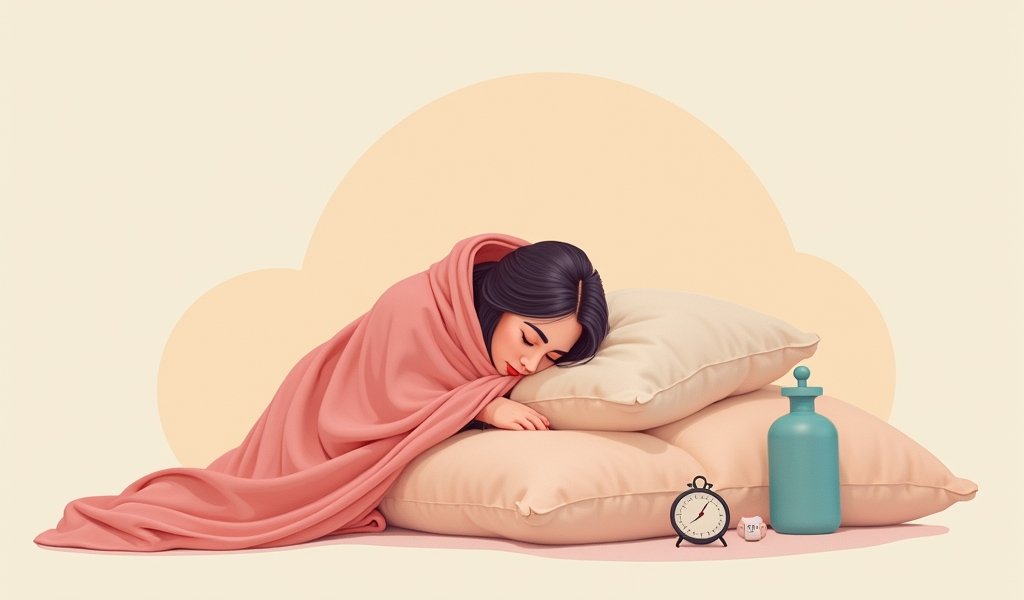
While most period irregularities during or after illness resolve on their own, certain situations warrant professional attention. How do you know when it’s time to call your healthcare provider?
Consider seeking medical advice if:
- Your period remains absent for three months or longer (without explanation like pregnancy)
- You experience unusual bleeding patterns (extremely heavy, prolonged, or between periods)
- You develop severe pelvic pain
- You have additional symptoms like significant weight changes, excessive hair growth, or milk production
- You’re sexually active and concerned about pregnancy
Remember, pregnancy remains the most common reason for a missed period. If your period is more than a week late—particularly if you’re sexually active—take a pregnancy test regardless of recent illness.
When discussing these concerns with your healthcare provider, be prepared with information about your typical cycle, the nature of your recent illness, any medications you took, and the specific changes you’ve observed. This comprehensive picture helps your provider determine whether additional testing or treatment might be necessary.
One important distinction: if you experience consistent period irregularities with each minor illness, this pattern might indicate an underlying sensitivity worth exploring with your doctor. In some cases, recurrent cycle disruptions can signal conditions like polycystic ovary syndrome (PCOS) or thyroid disorders that benefit from early intervention.
Conclusion
The relationship between illness and your menstrual cycle reveals the remarkable interconnectedness of your body’s systems. When sickness strikes, your body intelligently redirects resources toward healing, sometimes temporarily postponing menstruation in the process.
Will being sick delay your period? In many cases, yes—but this delay usually resolves once you’ve recovered from your illness. Understanding this connection can provide reassurance when you notice changes in your cycle during or after being unwell.
By tracking your symptoms, supporting your body through proper nutrition and rest, managing stress, and knowing when to seek professional guidance, you can navigate this common but often confusing situation with confidence.
Remember that your body’s priority during illness is healing, and temporary menstrual changes are typically just signs that your system is working exactly as designed—focusing energy where it’s needed most. With patience and proper self-care, your cycle will likely return to its regular rhythm once your health improves.
Frequently Asked Questions
How long can illness delay a period?
Most minor illnesses delay periods by a few days to a week. More severe or prolonged illnesses may cause delays of up to several weeks.
Can a common cold delay your period?
Mild colds typically won’t affect your cycle unless accompanied by high fever or significant stress. Your body generally needs to experience more substantial stress to delay menstruation.
Do antibiotics affect your period timing?
Most antibiotics don’t directly affect menstruation, but they can disrupt gut bacteria that help metabolize estrogen. This disruption occasionally contributes to temporary cycle changes in some women.
Can COVID-19 affect menstrual cycles?
Yes, many women have reported menstrual changes following COVID-19 infection. Research suggests the inflammatory response and stress associated with the infection may temporarily disrupt normal hormonal patterns.
Should I take a pregnancy test if my period is late after being sick?
If you’re sexually active and your period is more than a week late, taking a pregnancy test is advisable regardless of recent illness. Pregnancy remains the most common cause of missed periods and should be ruled out first.