

Overview
In a world where diet plans are as common as TikTok dance challenges, this article offers a refreshingly sustainable 1700-calorie diet meal plan that creates the perfect caloric deficit for effective weight loss without leaving you hangry enough to fight a toddler for their snacks. The 7-day meal plan provides balanced macronutrient distribution with practical grocery lists, customization options for different lifestyles, and emphasizes that this approach creates sustainable fat loss through moderate restriction rather than extreme measures that inevitably backfire.
Table of Contents
- Understanding the 1700 Calorie Diet: A Balanced Approach to Weight Loss
- The Benefits of a 1700 Calorie Diet Plan
- Getting Started: Setting Up Your 1700 Calorie Meal Plan
- The 7-Day 1700 Calorie Diet Meal Plan
- Essential Grocery List for Your 1700 Calorie Journey
- Tips for Success on Your 1700 Calorie Diet
- Customizing Your 1700 Calorie Meal Plan for Your Lifestyle
- Conclusion: Embracing a Sustainable Approach to Fat Loss
- Frequently Asked Questions
Understanding the 1700 Calorie Diet: A Balanced Approach to Weight Loss
In a world teeming with extreme diet fads and overnight weight-loss promises, the 1700 calorie diet meal plan stands as a beacon of sustainability and balance. As a nutritionist with over a decade of experience, I’ve witnessed firsthand how this moderate caloric intake creates the perfect sweet spot for many individuals seeking fat loss without sacrificing energy or nutrition.
Think of your body as a finely-tuned instrument that requires the right amount of fuel—not too much, not too little. At 1700 calories, you’re creating a gentle caloric deficit for most adults that encourages fat loss while still providing adequate nutrition for daily activities. Unlike more restrictive 1200 calorie diets that can leave you feeling depleted, this plan offers breathing room while still being effective.
The beauty of a 1700 calorie diet meal plan lies in its versatility and completeness. With this allowance, you can incorporate all essential macronutrients—proteins, healthy fats, and complex carbohydrates—while still leaving room for the occasional treat. It’s this balance that makes the difference between a short-term diet and a sustainable lifestyle change.
According to research published in the New England Journal of Medicine, moderate calorie reduction is more effective for long-term weight management than severe restriction. This approach aligns perfectly with the principles of a 1700 calorie plan, making it not just scientifically sound but practically applicable to real life.
The Benefits of a 1700 Calorie Diet Plan
The 1700 calorie diet meal plan isn’t just about watching numbers—it’s about transforming your relationship with food while achieving measurable results. Let me walk you through the remarkable benefits that make this approach stand out in the crowded field of weight loss strategies.
First and foremost, this plan creates the perfect metabolic sweet spot. It establishes enough of a caloric deficit to promote steady fat loss (typically 1-2 pounds per week for most individuals) without triggering your body’s starvation response. When extreme diets slash calories too dramatically, your metabolism can downshift into conservation mode—a physiological response that makes weight loss increasingly difficult.
Another significant advantage is the preservation of lean muscle mass. With 1700 calories, you can include sufficient protein in your daily intake, which is crucial for maintaining muscle tissue during weight loss. This is no small benefit—muscle is metabolically active and helps you burn more calories even at rest.
Perhaps most importantly, this approach is sustainable. The moderate nature of a 1700 calorie diet means you’re less likely to experience the extreme hunger, irritability, and fatigue that often derail more restrictive plans. As noted by nutrition researchers, diets that can be maintained long-term produce better outcomes than those that encourage rapid, unsustainable weight loss.
Additionally, the 1700 calorie framework allows for nutritional completeness. You’ll have ample room to include a variety of nutrient-dense foods that provide the vitamins, minerals, and fiber essential for optimal health—something that becomes increasingly challenging with lower-calorie approaches.
Getting Started: Setting Up Your 1700 Calorie Meal Plan
Embarking on your 1700 calorie diet meal plan journey requires a bit of thoughtful preparation, but I promise the effort will pay dividends in your results and overall experience. Let’s break down the essentials of getting started with clarity and confidence.
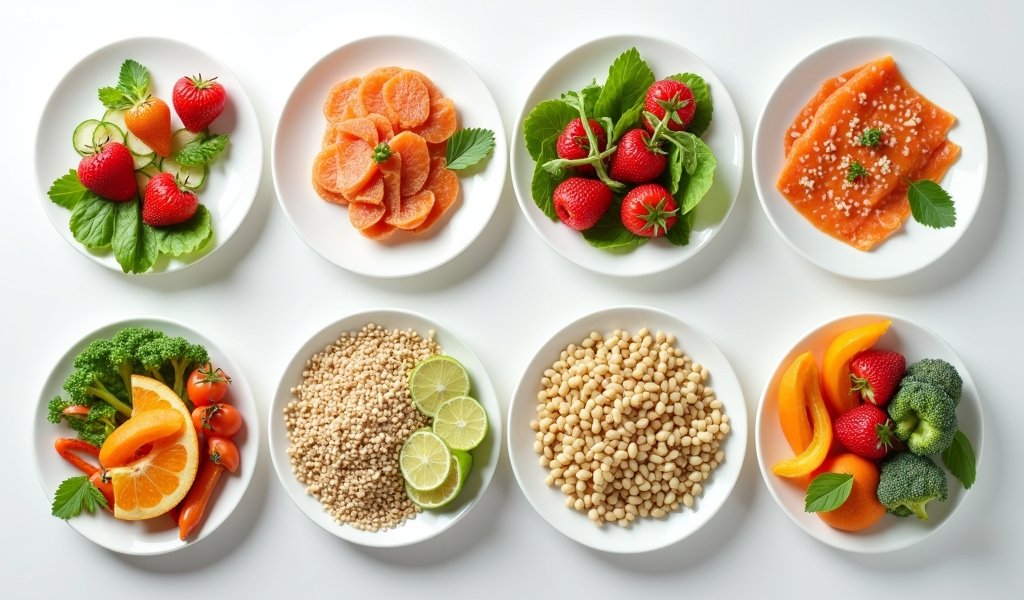
First, understand your macronutrient distribution. For optimal fat loss while maintaining energy levels, I recommend a balanced approach: approximately 30% of calories from protein (about 127g), 30% from healthy fats (about 57g), and 40% from quality carbohydrates (about 170g). This formula isn’t rigid—it’s a starting point that you can adjust based on your body’s responses and personal preferences.
Next, consider your meal timing and frequency. While intermittent fasting works wonders for some, others thrive with the traditional three meals plus snacks approach. The beauty of a 1700 calorie plan is its flexibility. Whether you prefer breakfast at dawn or your first meal at noon, this caloric framework can accommodate various eating schedules.
Pre-planning is your secret weapon. Take an hour each weekend to sketch out your meals for the coming week. This simple habit eliminates daily decision fatigue and helps prevent the “what’s for dinner” panic that often leads to impulsive, calorie-dense choices. The Harvard School of Public Health confirms that meal planning is strongly associated with healthier eating patterns and successful weight management.
Invest in quality kitchen tools to make preparation simpler. A good set of food storage containers, a kitchen scale for portion accuracy, and perhaps a slow cooker or Instant Pot can transform meal preparation from a chore into an efficient part of your routine. Remember, sustainability comes from convenience as much as satisfaction.
Finally, track your intake—at least initially. While calorie counting shouldn’t become an obsession, having awareness of your portions and intake provides valuable feedback. Numerous apps make this process nearly effortless, giving you data that can help refine your approach over time.
The 7-Day 1700 Calorie Diet Meal Plan
Now let’s dive into the practical heart of our approach: a comprehensive 7-day diet plan for weight loss that delivers precisely 1700 calories daily. I’ve crafted this plan to incorporate variety, satisfaction, and proper nutrition—because effective doesn’t have to mean boring or restrictive.
Day 1
Breakfast (425 calories): Protein-packed oatmeal made with ½ cup rolled oats, 1 cup unsweetened almond milk, 1 tablespoon almond butter, ½ scoop vanilla protein powder, and ½ cup mixed berries.
Lunch (450 calories): Mediterranean bowl with 3 oz grilled chicken breast, ½ cup quinoa, 1 cup roasted vegetables, 2 tablespoons hummus, and a drizzle of olive oil with lemon juice.
Afternoon Snack (200 calories): Greek yogurt parfait with ¾ cup nonfat Greek yogurt, 2 tablespoons granola, and a small apple.
Dinner (450 calories): Baked salmon (4 oz) with sweet potato (½ medium) and steamed broccoli (1½ cups) seasoned with herbs and a touch of grass-fed butter.
Evening Snack (175 calories): 2 brown rice cakes topped with ¼ avocado, lightly salted.
Day 2
Breakfast (400 calories): Vegetable omelet made with 3 eggs, spinach, tomatoes, and ¼ cup feta cheese, plus 1 slice of whole grain toast.
Lunch (475 calories): Turkey and avocado wrap with 4 oz lean turkey, ¼ avocado, lettuce, tomato in a whole grain wrap, served with 1 cup raw vegetables and 2 tablespoons tzatziki dip.
Afternoon Snack (175 calories): Protein smoothie with 1 cup unsweetened almond milk, ½ banana, ½ scoop protein powder, and ice.
Dinner (475 calories): Lean beef stir-fry with 3 oz lean beef, 2 cups mixed vegetables, 1 teaspoon sesame oil, low-sodium soy sauce, and ⅓ cup brown rice.
Evening Snack (175 calories): 1 oz mixed nuts with 1 small pear.
Day 3
Breakfast (425 calories): Protein pancakes made with 1 banana, 2 eggs, 2 tablespoons almond flour, topped with 2 tablespoons Greek yogurt and ¼ cup berries.
Lunch (450 calories): Tuna salad (3 oz tuna mixed with 1 tablespoon olive oil-based mayo) on 2 cups mixed greens with cherry tomatoes, cucumber, and ½ cup chickpeas, dressed with 1 tablespoon olive oil and vinegar.
Afternoon Snack (200 calories): 1 medium apple with 1 tablespoon almond butter.
Dinner (450 calories): Baked chicken breast (4 oz) with roasted Brussels sprouts (1½ cups) and ½ cup quinoa, seasoned with herbs and garlic.
Evening Snack (175 calories): Chocolate protein chia pudding made with almond milk, 1 tablespoon chia seeds, and ½ scoop chocolate protein powder.
Day 4
Breakfast (400 calories): Smoothie bowl with 1 cup unsweetened almond milk, ½ banana, ½ scoop vanilla protein, 1 tablespoon almond butter, blended and topped with 1 tablespoon granola and berries.
Lunch (475 calories): Grilled chicken salad with 4 oz chicken, 2 cups mixed greens, ¼ avocado, cherry tomatoes, cucumber, and 2 tablespoons light vinaigrette.
Afternoon Snack (175 calories): Cottage cheese (½ cup) with ½ cup pineapple chunks.
Dinner (475 calories): Baked cod (4 oz) with lemon and herbs, served with ½ cup brown rice and 1½ cups roasted mixed vegetables.
Evening Snack (175 calories): 2 small tangerines with 12 almonds.
Day 5
Breakfast (425 calories): Overnight oats made with ½ cup rolled oats, ¾ cup unsweetened almond milk, 1 tablespoon maple syrup, 1 tablespoon chia seeds, and ¼ cup blueberries.
Lunch (450 calories): Quinoa bowl with 3 oz grilled tofu, ½ cup quinoa, 1 cup roasted vegetables, ¼ avocado, and lemon-tahini dressing (1 tablespoon).
Afternoon Snack (200 calories): Turkey roll-ups: 3 oz sliced turkey wrapped around cucumber sticks with 1 oz Swiss cheese.
Dinner (450 calories): Shrimp and vegetable stir-fry with 4 oz shrimp, 2 cups mixed vegetables, 1 teaspoon sesame oil, and ⅓ cup brown rice.
Evening Snack (175 calories): 1 small banana with 2 teaspoons natural peanut butter.
Day 6
Breakfast (400 calories): Egg and vegetable breakfast muffins (2 muffins made with 3 eggs, spinach, bell peppers, onions) with ½ whole grain English muffin topped with 1 tablespoon avocado.
Lunch (475 calories): Lentil soup (1½ cups) with 1 slice whole grain bread and 1 oz cheese.
Afternoon Snack (175 calories): Edamame (¾ cup) lightly salted.
Dinner (475 calories): Turkey meatballs (4 oz turkey formed into balls with herbs and spices) with zucchini noodles (2 cups) and ⅓ cup marinara sauce.
Evening Snack (175 calories): Dark chocolate (1 oz) with 1 cup herbal tea.
Day 7
Breakfast (425 calories): Greek yogurt bowl with 1 cup nonfat Greek yogurt, ¼ cup granola, 1 tablespoon honey, and ½ cup mixed berries.
Lunch (450 calories): Chicken and hummus wrap with 3 oz grilled chicken, 2 tablespoons hummus, lettuce, tomato, in a whole grain wrap, served with 1 cup raw vegetables.
Afternoon Snack (200 calories): Protein bar (look for one with approximately 200 calories, at least 10g protein, and less than 10g sugar).
Dinner (450 calories): Grilled sirloin steak (4 oz) with roasted sweet potato (½ medium) and 1½ cups green beans.
Evening Snack (175 calories): ¾ cup berries with 2 tablespoons whipped coconut cream.
Essential Grocery List for Your 1700 Calorie Journey
Embarking on your 1700 calorie diet meal plan becomes infinitely more manageable with a well-stocked kitchen. Let me share a comprehensive grocery list that will set you up for success without overwhelming your shopping cart or budget. This curated selection ensures you’ll have everything needed for the 7-day plan while allowing for some personal preferences.
Proteins
- Chicken breast (boneless, skinless)
- Lean ground turkey
- Wild-caught salmon and cod
- Shrimp
- Lean beef sirloin
- Eggs
- Greek yogurt (nonfat or 2%)
- Cottage cheese (low-fat)
- Tofu (firm)
- Canned tuna (in water)
Fruits
- Berries (strawberries, blueberries, raspberries)
- Bananas
- Apples
- Pears
- Tangerines
- Lemons
- Pineapple
- Avocados
Vegetables
- Leafy greens (spinach, mixed greens, romaine)
- Broccoli
- Brussels sprouts
- Bell peppers
- Zucchini
- Cucumber
- Cherry tomatoes
- Onions
- Carrots
- Green beans
- Sweet potatoes
- Edamame (frozen)
Grains and Legumes
- Rolled oats
- Quinoa
- Brown rice
- Whole grain bread
- Whole grain wraps
- Brown rice cakes
- Chickpeas
- Lentils
- Chia seeds
Healthy Fats
- Olive oil
- Sesame oil (small bottle)
- Almond butter
- Peanut butter (natural)
- Mixed nuts (almonds, walnuts)
- Feta cheese
- Swiss cheese
Condiments and Others
- Almond milk (unsweetened)
- Protein powder (vanilla and chocolate)
- Low-sodium soy sauce
- Dijon mustard
- Olive oil-based mayonnaise
- Hummus
- Tzatziki
- Marinara sauce (low-sugar)
- Herbs and spices (garlic, basil, oregano, etc.)
- Maple syrup
- Honey
- Dark chocolate
Pro tip: Shop the perimeter of the grocery store first, where fresh foods typically reside, before venturing into the inner aisles for packaged goods. This naturally guides you toward more whole foods while limiting exposure to processed options. Remember, you don’t need to purchase everything at once—start with essentials for the first few days and replenish mid-week if needed.
Tips for Success on Your 1700 Calorie Diet
Having guided countless clients through successful weight loss journeys, I’ve observed certain practices that separate those who thrive from those who struggle. Here are my top evidence-based tips to maximize your results and enjoyment on the 1700 calorie diet meal plan.
First, embrace the power of protein. Make it a priority to include quality protein sources at every meal. Research from The American Journal of Clinical Nutrition confirms that higher protein intake during calorie restriction helps preserve lean muscle mass and increases satiety—meaning you’ll feel fuller longer on your 1700 calorie allowance.
Hydration is your hidden ally. Often, what we interpret as hunger is actually thirst in disguise. Aim for at least 64 ounces of water daily, with additional amounts if you’re physically active. A glass of water before meals can reduce overeating, and staying well-hydrated optimizes your metabolism for fat burning.
Master the art of volume eating. Fill half your plate with non-starchy vegetables at lunch and dinner. These nutrient-dense foods provide fiber, vitamins, and minerals while adding bulk to your meals without significantly increasing calorie content. This strategy allows you to eat satisfying portions while staying within your 1700 calorie framework.
Plan for strategic indulgences. Rigidity often leads to rebellion, so incorporate planned treats that fit within your calorie goals. Whether it’s dark chocolate, a glass of wine, or a small serving of ice cream, these modest indulgences can prevent the all-or-nothing mentality that derails long-term success.
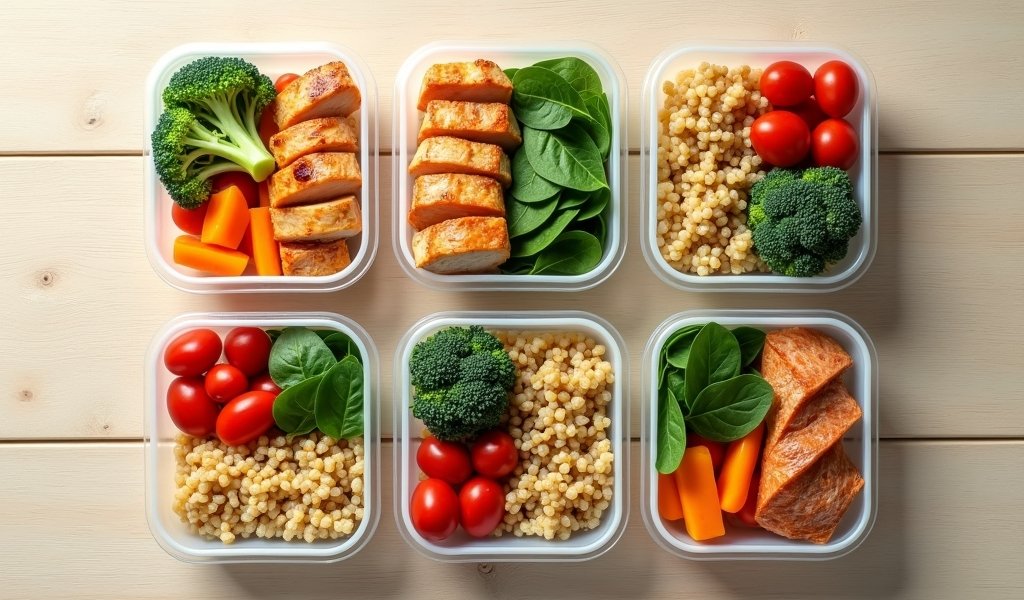
Leverage the power of food preparation. Sunday meal prep doesn’t have to mean identical containers of bland chicken and broccoli. Instead, prepare versatile components—cooked proteins, roasted vegetables, cooked grains—that can be mixed and matched throughout the week. This approach provides variety while maintaining the convenience of having healthy options ready to go.
Lastly, track your progress beyond the scale. While weight measurements provide valuable data, equally important are non-scale victories: increased energy, improved sleep quality, clothes fitting differently, and enhanced mood. These indicators often appear before significant weight changes and provide motivation during plateaus.
Customizing Your 1700 Calorie Meal Plan for Your Lifestyle
While the 7-day plan I’ve outlined provides an excellent foundation, the most effective diet is one that aligns with your unique lifestyle, preferences, and circumstances. Let’s explore how to personalize this framework without compromising its effectiveness.
For the busy professional, time-efficiency is paramount. Consider batch cooking proteins and vegetables twice weekly rather than daily preparation. Invest in kitchen tools that streamline preparation, such as a high-quality blender for quick morning smoothies or an air fryer for speedy protein cooking. Remember that convenience foods can be incorporated thoughtfully—pre-cut vegetables, rotisserie chicken, or even certain frozen meals can be valuable allies when selected carefully.
If you’re following a keto diet meal plan or other specialized approach, the 1700 calorie framework can be adapted accordingly. For low-carb enthusiasts, simply redistribute the carbohydrate calories toward healthy fats and proteins. Plant-based eaters can replace animal proteins with tofu, tempeh, legumes, and complementary plant protein combinations.
Athletes and highly active individuals may need slight adjustments. While 1700 calories creates a deficit for most adults, those with intense training schedules might consider adding 200-300 calories on workout days, primarily from quality carbohydrates and proteins to support recovery. This flexible approach acknowledges that energy needs fluctuate with activity levels.
For those who struggle with hunger between meals, examine your meal timing and composition. Three moderate meals might leave you ravenous, while five smaller meals could provide better satiety. Experiment with different eating schedules while maintaining your overall 1700 calorie target. As noted by Harvard Health, the optimal meal frequency varies significantly between individuals.
Don’t forget to account for social occasions. Rather than declining dinner invitations or feeling restricted, plan ahead by adjusting your earlier meals on days when you’ll be dining out. Most restaurants can accommodate requests for lighter preparations, and reviewing menus in advance allows you to identify options that align with your goals.
Lastly, listen to your body’s feedback. If certain foods consistently leave you feeling sluggish or unsatisfied despite fitting your calorie goals, explore alternatives. Nutrition is highly individualized, and the best plan is one that makes you feel energized, satisfied, and capable of maintaining it long-term.
Conclusion: Embracing a Sustainable Approach to Fat Loss
As we bring our exploration of the 1700 calorie diet meal plan to a close, let’s reflect on the fundamental truth that underlies successful fat loss: sustainability trumps severity every time. This moderate approach creates the perfect balance between effectiveness and livability—a precious middle ground where results meet reality.
The seven-day plan I’ve shared provides more than just a weekly menu; it offers a template for understanding balanced nutrition within a calorie framework that promotes fat loss without deprivation. By emphasizing nutrient-dense foods, adequate protein, and reasonable portions, this approach honors both your weight loss goals and your body’s need for proper nourishment.
Remember that perfection is never the standard for success. There will be days when life intervenes, when celebrations happen, or when stress drives different choices. What matters is your consistent return to the principles that support your goals. This resilience—not rigid adherence—is what transforms a temporary diet into a sustainable lifestyle.
As you move forward, continue to refine your approach based on your body’s feedback and your personal preferences. The 1700 calorie framework offers remarkable flexibility, allowing you to adapt it to various food philosophies, cultural preferences, and practical constraints while maintaining its fat-loss effectiveness.
Finally, celebrate your progress in all its forms. The scale provides one measurement, but equally important are the non-numerical victories: increased energy, improved confidence, enhanced well-being, and the empowerment that comes from making choices aligned with your health goals.
Your journey toward fat loss through the 1700 calorie diet meal plan isn’t about restriction—it’s about strategic abundance. It’s about finding freedom within a framework that supports both your current goals and your long-term health. Trust the process, embrace the journey, and watch as consistent, moderate efforts yield transformative results.
Frequently Asked Questions
Is 1700 calories enough for weight loss?
Yes, 1700 calories creates a moderate deficit for most adults, typically resulting in 1-2 pounds of fat loss weekly. This calorie level strikes an optimal balance between creating a deficit while providing sufficient nutrition and energy.
Can I exercise while following a 1700 calorie diet?
Absolutely! The 1700 calorie plan provides adequate energy for moderate exercise, which enhances fat loss results. For very intense training days, you may need to add 100-200 calories to support recovery.
How quickly will I see results on a 1700 calorie diet?
Most people notice initial weight changes within 1-2 weeks, with more significant fat loss becoming evident by week 3-4. Remember that factors like hydration, hormones, and muscle changes can affect scale measurements.
Do I need to count calories exactly on this plan?
While precision helps initially, the goal is developing an intuitive understanding of portion sizes and meal composition. After following the structured plan for 2-3 weeks, many people can maintain similar intake without strict tracking.
Can I adapt this plan if I have dietary restrictions?
Yes, the 1700 calorie framework can accommodate vegetarian, vegan, gluten-free, dairy-free or other dietary needs. Simply substitute appropriate alternatives while maintaining similar calorie and macronutrient proportions.
Pingback: Proven Plan: How to Lose 20 Pounds in 3 Months Safely - achievehealthgoals.com