
Overview
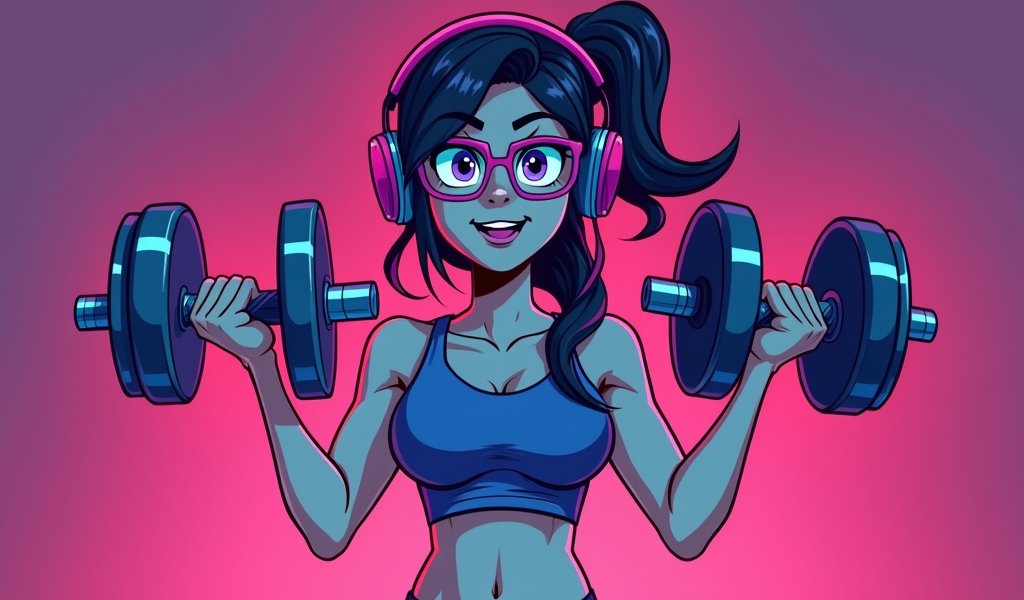
Turns out pro gamers need more than Mountain Dew and fast fingers—they’re legitimate athletes who benefit from specific fitness strategies, proper nutrition, quality sleep, mental conditioning, and ergonomic setups to maximize performance and prevent injuries. This article provides a complete wellness blueprint for esports athletes, emphasizing that physical health directly enhances gaming performance through improved reaction times, better focus, and sustainable careers in competitive gaming.
Table of Contents
- The Esports Revolution: More Than Just Gaming
- Health Challenges Facing Competitive Gamers
- Smart Exercise Strategies for Esports Athletes
- Nutrition Optimization for Peak Performance
- Sleep and Recovery: The Secret Performance Enhancer
- Mental Conditioning for Esports Excellence
- Optimizing Your Gaming Setup for Health
- Conclusion: Balancing Gaming and Wellness
- Frequently Asked Questions
The Esports Revolution: More Than Just Gaming
The esports gamers lifestyle has transformed dramatically over the past decade. What was once viewed as a hobby confined to basements has evolved into a professional career path with multimillion-dollar prize pools and global recognition. As a sports medicine specialist who’s worked with several esports organizations, I’ve witnessed firsthand how the physical demands of competitive gaming have necessitated a more holistic approach to health and wellness.
Today’s professional gamers aren’t just players—they’re athletes. They train for 8-12 hours daily, require lightning-fast reflexes, and maintain incredible mental focus under pressure. The misconception that gaming is physically undemanding couldn’t be further from the truth. Extended periods of sitting, repetitive movements, and high-stress competitive environments create unique health challenges that require specialized fitness approaches.
The most successful esports athletes understand something crucial: physical fitness directly impacts gaming performance. Research from the German Sport University Cologne confirms that improved cardiovascular fitness correlates with better reaction times and decision-making abilities—essential skills for competitive gaming. Let’s explore how to optimize your esports gamers lifestyle with proven fitness strategies that enhance both health and performance.
Health Challenges Facing Competitive Gamers
The esports gamers lifestyle presents several unique health challenges that can impact both performance and long-term wellbeing. Understanding these challenges is the first step toward creating effective solutions.
Sedentary behavior tops the list of physical concerns. Many gamers spend 10+ hours seated daily, which research from the Mayo Clinic links to increased risk of obesity, cardiovascular disease, and metabolic disorders. This extended sitting also contributes to poor posture, leading to neck, shoulder, and back pain that can be relieved through targeted exercise.
Repetitive strain injuries (RSI) represent another significant concern. The repeated small movements of fingers, hands, and wrists can lead to carpal tunnel syndrome, tendonitis, and other painful conditions that directly impact gaming performance. Many professionals I’ve worked with have had their careers threatened by preventable RSIs.
The mental health aspects can’t be overlooked either. The intense pressure of competition, public scrutiny, and irregular schedules can contribute to anxiety, burnout, and sleep disruption. These mental stressors don’t just affect wellbeing—they directly impact reaction time, decision-making, and gameplay quality.
Visual fatigue and computer vision syndrome affect nearly 70% of intense computer users. Symptoms include dry eyes, blurred vision, and headaches—all of which can seriously hinder a gamer’s ability to perform at their best.
The good news? Each of these challenges has effective, science-backed solutions that can be integrated into your esports gamers lifestyle without sacrificing training time.
Smart Exercise Strategies for Esports Athletes
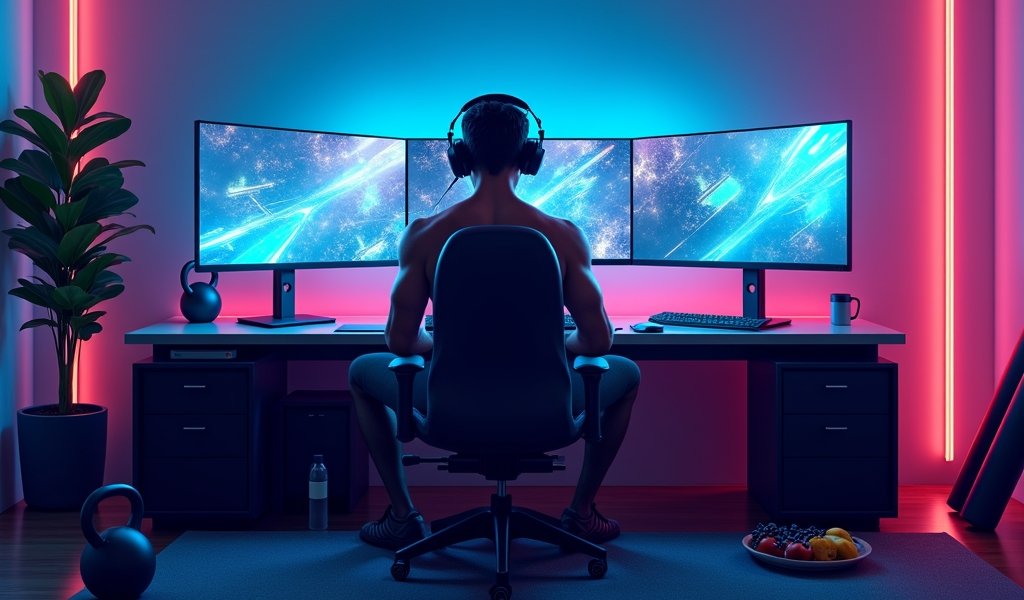
Implementing the right exercise approach is crucial for the esports gamers lifestyle. The goal isn’t becoming a bodybuilder—it’s about strategic fitness that enhances gaming performance while preventing injury.
High-Intensity Interval Training (HIIT) offers exceptional benefits with minimal time investment. A study in the Journal of Cognitive Enhancement found that just 20 minutes of HIIT improved reaction time and decision-making skills more effectively than longer moderate exercise. Try this gamer-specific HIIT routine:
- 30 seconds of jumping jacks
- 30 seconds of mountain climbers
- 30 seconds of high knees
- 30 seconds of rest
- Repeat 5 times (10 minutes total)
Mobility work specifically targeting wrists, fingers, shoulders, and neck is essential for preventing the repetitive strain injuries that plague many gamers. Perform these exercises between matches or during loading screens:
- Wrist circles (10 in each direction)
- Finger stretches and extensions
- Shoulder rolls and rotations
- Gentle neck stretches in all directions
Core strength is particularly important for maintaining proper posture during long gaming sessions. A stable core reduces strain on your back and shoulders, allowing for more comfortable and sustainable play. These lower back exercises can significantly improve your core stability and gaming endurance.
Many professional esports organizations now incorporate “movement snacks” throughout training days—2-3 minute activity breaks every hour that increase blood flow and reduce the negative effects of prolonged sitting. Something as simple as standing up, stretching, and doing 20 bodyweight squats can make a tremendous difference in both comfort and cognitive performance.
Remember, consistency trumps intensity. Five minutes of exercise daily is far more beneficial than an exhausting two-hour gym session once a week. Build these small exercise habits into your existing routine for sustainable improvement.
Nutrition Optimization for Peak Performance
The food you consume directly impacts your reaction time, focus, and gaming endurance. The ideal esports gamers lifestyle includes strategic nutrition that fuels performance without causing energy crashes or digestive discomfort.
Hydration is perhaps the most overlooked performance enhancer. Even mild dehydration (just 1-2% of body weight) can significantly impair cognitive function, reaction time, and concentration. Keep a water bottle at your gaming station and aim for at least 2-3 liters daily. Many pro gamers I work with use habit stacking—taking a few sips of water between each match—to ensure consistent hydration.
Brain-boosting foods should form the foundation of what you eat in a day. Incorporate these performance-enhancing options:
- Blueberries, which contain antioxidants linked to improved memory and cognitive processing
- Fatty fish rich in omega-3s (salmon, trout, sardines) that support brain cell structure
- Eggs containing choline, a nutrient that helps produce neurotransmitters for mental focus
- Dark chocolate (70%+ cocoa) with flavanols that increase blood flow to the brain
- Nuts and seeds providing vitamin E, which protects neurons from oxidative stress
Meal timing matters almost as much as what you eat. Large meals can redirect blood flow to your digestive system and away from your brain, causing the “food coma” effect that dulls reflexes and concentration. Instead, opt for smaller, more frequent meals throughout your gaming sessions. This approach maintains stable blood sugar and sustained energy levels.
Pre-competition nutrition should focus on complex carbohydrates that provide sustained energy without spikes and crashes. Oatmeal with fruit, whole grain toast with nut butter, or a quinoa bowl with vegetables offer ideal fuel 1-2 hours before important matches.
Supplement use is common in the esports community, but approach with caution. While some supplements like vitamin D, magnesium, and fish oil have solid scientific backing for cognitive performance, many gaming-specific supplements make claims that exceed their evidence base. Always consult a healthcare professional before starting any supplement regimen.
Sleep and Recovery: The Secret Performance Enhancer
If there’s one element of the esports gamers lifestyle that deserves more attention, it’s sleep. The quality and quantity of your sleep directly impacts reaction time, decision-making ability, emotional regulation, and learning capacity—all critical factors in competitive gaming.
Research from the Sleep Foundation shows that even a single night of insufficient sleep can reduce reaction time by up to 50%, essentially taking you from pro-level play to amateur status overnight. Most competitive gamers need 7-9 hours of quality sleep for optimal performance.
Blue light from screens is particularly disruptive to sleep, as it suppresses melatonin production and delays sleep onset. Implement these sleep hygiene practices:
- Use blue light filtering glasses during evening gaming sessions
- Install f.lux or similar software that automatically reduces blue light emission after sunset
- Establish a “wind-down” period of at least 30 minutes between gaming and sleep
- Keep your bedroom cool (65-68°F/18-20°C), dark, and quiet
- Consider a natural sleep aid like magnesium glycinate or tart cherry juice if you struggle with falling asleep
Recovery techniques extend beyond sleep. Active recovery methods like gentle stretching, foam rolling, and light walking help reduce muscle tension and improve blood flow after long gaming sessions. Even 10 minutes of these activities can significantly reduce stiffness and discomfort.
Stress management plays a crucial role in recovery quality. The competitive pressure of esports creates a high-stress environment that can elevate cortisol levels and interfere with both performance and recovery. Simple mindfulness practices, deep breathing exercises, or even brief meditation sessions can help regulate your stress response and improve recovery efficiency.
Mental Conditioning for Esports Excellence
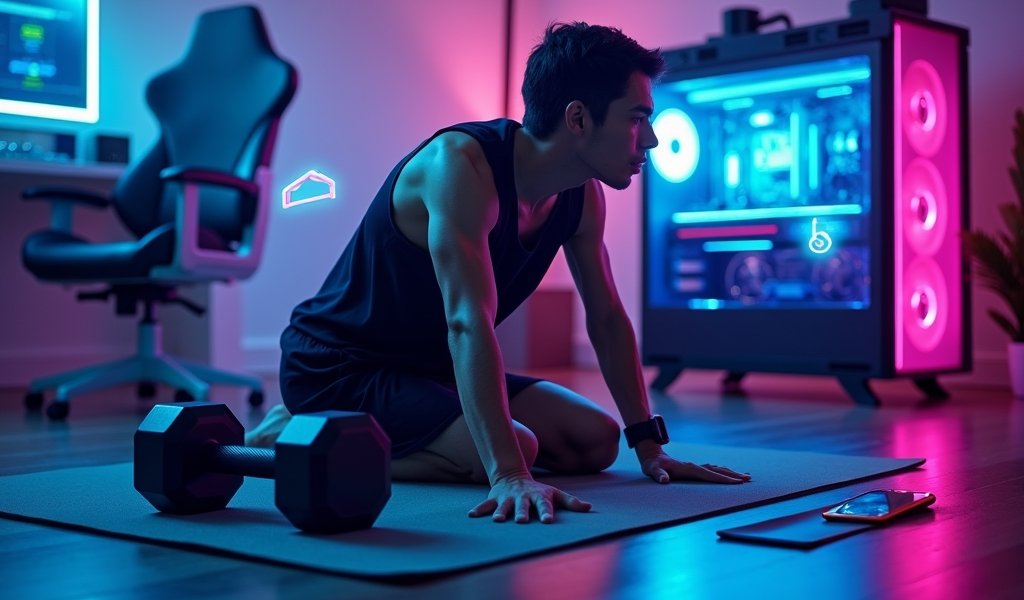
The psychological component of the esports gamers lifestyle is arguably the most important factor separating good players from champions. Mental conditioning isn’t just about handling competition stress—it’s about optimizing your brain’s performance for gaming excellence.
Mindfulness training has gained significant traction in professional esports. Teams like Team Liquid and Fnatic have incorporated regular mindfulness sessions into their training regimens with impressive results. Even five minutes of focused breathing before competition can improve concentration and reduce anxiety.
Visualization techniques, long used by traditional athletes, are equally effective for esports competitors. Research from the Journal of Cognitive Enhancement demonstrates that mentally rehearsing game scenarios activates many of the same neural pathways as actual gameplay, effectively giving you extra practice time without physical fatigue.
The “25/5 Pomodoro Technique” has proven particularly effective for esports training. This involves 25 minutes of intensely focused practice followed by a 5-minute break. This structured approach prevents mental fatigue while maximizing learning efficiency during practice sessions.
Cognitive training exercises that target reaction time, working memory, and decision-making can transfer directly to improved gaming performance. Apps like Lumosity, Elevate, and NeuroNation offer gamified brain training that many professional esports athletes incorporate into their daily routines.
Stress management techniques are essential during high-pressure competitions. Tactical breathing—inhaling for 4 seconds, holding for 4 seconds, exhaling for 4 seconds, and holding again for 4 seconds—activates your parasympathetic nervous system and can quickly reduce performance anxiety during critical moments.
Optimizing Your Gaming Setup for Health
A properly designed gaming environment is fundamental to the esports gamers lifestyle, both for performance optimization and injury prevention. Even small ergonomic adjustments can significantly reduce physical strain during long gaming sessions.
Your chair is the foundation of good gaming posture. Invest in a quality ergonomic chair with adjustable armrests, seat height, and lumbar support. Your knees should be at approximately 90 degrees with feet flat on the floor, and lower back supported to maintain the natural curve of your spine.
Monitor positioning dramatically affects neck strain. The top of your screen should be at or slightly below eye level, with the monitor placed approximately an arm’s length away. This position minimizes the need to tilt your head forward (which adds significant stress to neck muscles) or strain your eyes.
Keyboard and mouse ergonomics are particularly critical for preventing wrist injuries. Your wrists should remain in a neutral position while typing and gaming, neither flexed upward nor bent downward. Consider a split keyboard and vertical mouse if you experience wrist discomfort during extended sessions.
The 20-20-20 rule is essential for reducing eye strain: Every 20 minutes, look at something 20 feet away for at least 20 seconds. Many professional gamers also use artificial tears to prevent dry eye during intensive training periods.
Lighting considerations extend beyond your monitor. Avoid playing in a completely dark room, as the high contrast between your bright screen and dark surroundings increases eye strain. Instead, use ambient lighting positioned behind your monitor to reduce the contrast ratio without creating screen glare.
Conclusion: Balancing Gaming and Wellness
The optimal esports gamers lifestyle is all about intelligent balance—maximizing performance while ensuring long-term health and sustainability. The strategies outlined here aren’t just theoretical; they’ve been implemented by top esports professionals worldwide with remarkable results.
Remember that small, consistent changes often yield the most significant improvements. Start by incorporating one new health habit weekly rather than overhauling your entire routine at once. Perhaps begin with regular movement breaks, then gradually add improved hydration, sleep optimization, and other elements as they become habitual.
The competitive advantage of a health-focused approach cannot be overstated. When two players of equal skill compete, the one with better physical condition, sharper mental focus, and fewer physical discomforts will almost always prevail. By implementing these evidence-based strategies, you’re not just improving your health—you’re directly enhancing your competitive edge.
The future of esports will increasingly emphasize this holistic approach to performance. As competition intensifies and the industry continues to mature, the players who prioritize their physical and mental wellbeing alongside their technical skills will be the ones who sustain long, successful careers.
Your esports journey is a marathon, not a sprint. By thoughtfully integrating these fitness hacks into your gaming lifestyle, you’ll not only perform better today but ensure you can continue competing at your best for years to come.
Frequently Asked Questions
How many hours should esports gamers exercise per week?
Aim for at least 150 minutes of moderate physical activity weekly, ideally spread throughout the week. Even 20-30 minutes daily provides significant cognitive and physical benefits.
Can gaming-specific glasses really improve performance?
Blue-light filtering glasses can reduce eye strain and improve sleep quality, indirectly enhancing performance. They won’t directly improve gameplay skills but can increase comfort during extended sessions.
What foods should esports gamers avoid before competitions?
Avoid high-sugar foods, heavily processed items, and large fatty meals before competing. These can cause energy crashes, mental fog, and digestive discomfort that impair performance.
How do professional esports teams incorporate fitness into their training?
Most professional teams now include mandatory physical training sessions, regular exercise breaks, and even team nutritionists. Many top organizations have exercise facilities right next to their practice areas.
Is it better to play standing or sitting for esports performance?
Most professionals compete seated due to the lengthy duration of play. However, alternating between sitting and standing using an adjustable desk during practice can reduce physical strain while maintaining performance.