
Overview
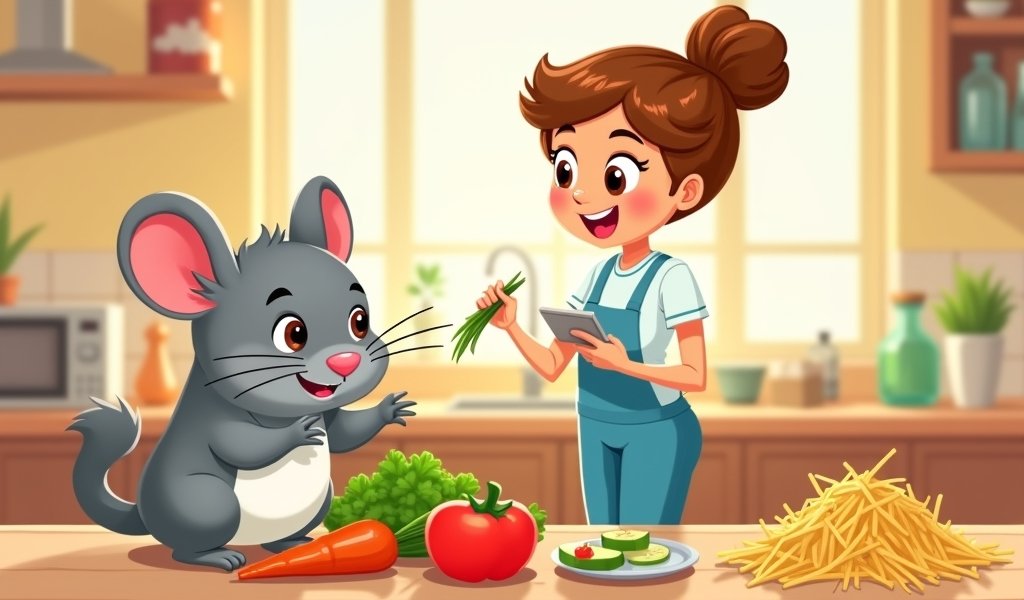
Move over, human foodies—chinchillas have the ultimate dietary pickiness that would make a vegan keto crossfitter blush! This article details the essential components of proper chinchilla nutrition, emphasizing that their diet should consist primarily of high-quality timothy hay (80-90%), limited specialized pellets (10-15%), absolutely no fruits or vegetables, constant access to fresh water, and very occasional safe treats, all to support their unique hindgut fermentation system and prevent potentially fatal digestive issues.
Table of Contents
- Understanding Chinchilla Digestive Health
- Essential Component: High-Quality Hay
- Specialized Chinchilla Pellets
- Safe Treats and Supplements
- Hydration Needs
- Foods to Avoid
- Creating a Balanced Feeding Schedule
- Conclusion
- Frequently Asked Questions
Understanding Chinchilla Digestive Health
When it comes to chinchilla diet, understanding their unique digestive system is essential for providing optimal nutrition. These adorable, fluffy creatures native to the Andes Mountains have evolved with specialized nutritional needs that directly impact their health, longevity, and quality of life.
Chinchillas possess a delicate hindgut fermentation system similar to rabbits and horses rather than other rodents. This specialized system requires a continuous supply of high-fiber foods to maintain proper gut motility and healthy bacterial balance. Unlike humans, chinchillas cannot vomit, making dietary mistakes potentially serious or even life-threatening.
Their digestive tract is designed to process tough, fibrous vegetation found at high altitudes where nutrients are scarce. This adaptation means they extract maximum nutrition from minimal food sources, but it also makes them extremely sensitive to dietary changes. Even small adjustments to a chinchilla’s diet should be made gradually over 1-2 weeks to prevent digestive upset.
Another fascinating aspect of chinchilla digestion is cecotrophy—the practice of consuming certain types of their own droppings to extract additional nutrients. This natural behavior allows them to maximize nutrient absorption and shouldn’t be discouraged. It’s just one more reason why getting their diet right is crucial to their overall wellbeing.
Essential Component: High-Quality Hay
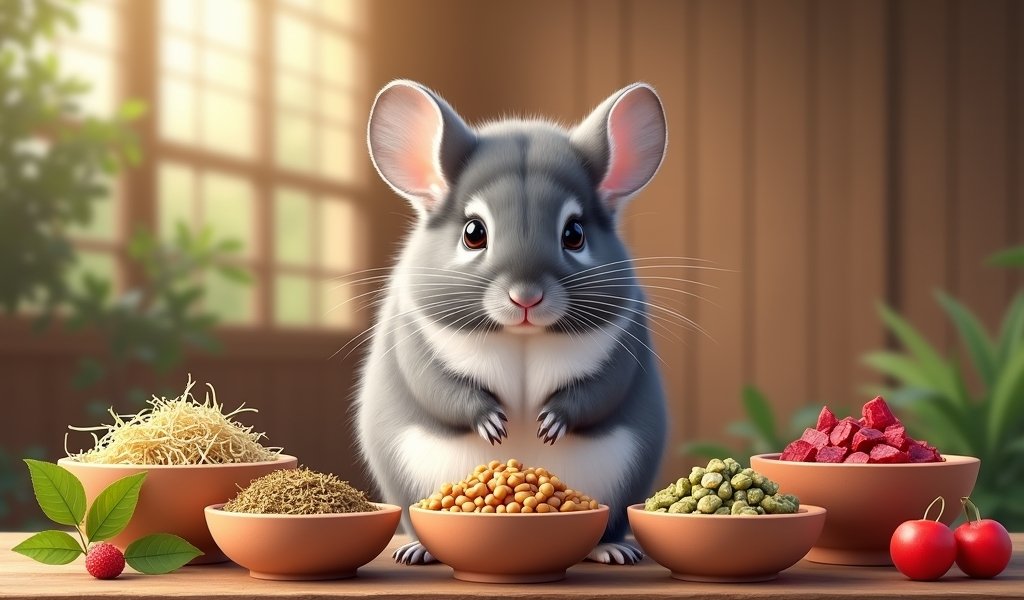
If there’s one non-negotiable element in a chinchilla’s diet, it’s hay. High-quality timothy hay should make up 80-90% of your chinchilla’s daily food intake. This isn’t just a recommendation—it’s a necessity for maintaining dental and digestive health.
Chinchillas have open-rooted teeth that grow continuously throughout their lives. The abrasive nature of hay helps wear these teeth down naturally, preventing painful dental problems that can lead to serious health complications. Without adequate hay consumption, chinchillas often develop malocclusion (misaligned teeth) that can require veterinary intervention.
When selecting hay for your chinchilla, look for these quality indicators:
- Fresh, sweet-smelling aroma (not musty or moldy)
- Bright green to greenish-gold color
- Low dust content
- Primarily stem material with some leaf content
- No visible mold or foreign objects
Timothy hay comes in different “cuts” or harvests. First-cut timothy tends to be coarser with higher fiber content, making it excellent for dental wear. Second-cut timothy has a better balance of stems and leaves, offering slightly more nutritional value while still providing good dental benefits. Third-cut is softer with more leaves but less effective for dental maintenance.
According to Merck Veterinary Manual, the ideal fiber content in a chinchilla’s diet should be approximately 15-35%. This high-fiber requirement is primarily satisfied through quality hay consumption.
Alfalfa hay, while sometimes recommended for young, pregnant, or nursing chinchillas due to its higher calcium and protein content, should be avoided for healthy adult chinchillas. Its excessive calcium content can lead to bladder stones and other urinary complications. Stick with timothy, orchard, or meadow hay for adult chinchillas.
Hay should be available 24/7 in your chinchilla’s habitat. Store it in a cool, dry place away from direct sunlight to maintain freshness and nutritional value. Consider using hay racks to minimize waste and prevent contamination from bedding or droppings.
Specialized Chinchilla Pellets
Quality chinchilla pellets should make up approximately 10-15% of your pet’s diet, serving as a concentrated source of essential vitamins and minerals. Not all pellets are created equal, and choosing the right formulation can make a significant difference in your chinchilla’s health.
Look for pellets specifically formulated for chinchillas rather than general rodent food. The ideal pellet contains timothy hay as the primary ingredient and delivers a balanced nutritional profile with approximately 16-20% protein, 2-5% fat, and 15-35% fiber. Avoid muesli-style mixes that allow selective feeding, which can lead to nutritional imbalances as chinchillas often eat only their favorite pieces.
Portion control is crucial when feeding pellets. Adult chinchillas typically require only 1-2 tablespoons of pellets daily. Overfeeding pellets is one of the most common dietary mistakes chinchilla owners make, potentially leading to obesity and related health problems.
Dr. Laurie Hess, a board-certified exotic animal veterinarian, emphasizes the importance of uniform pellets that prevent selective eating behaviors. She recommends pellets that are free from added sugars, artificial colors, and preservatives.
When transitioning between pellet brands, do so gradually over 7-10 days by mixing increasing amounts of the new pellet with decreasing amounts of the old. This slow transition helps prevent digestive upset that can lead to potentially dangerous conditions like GI stasis.
Store pellets in a cool, dry place in their original packaging or in airtight containers to maintain freshness. Check the expiration date regularly, as the nutritional value of pellets decreases over time, particularly after the “best by” date.
Safe Treats and Supplements
While the foundation of a chinchilla’s diet should be hay and pellets, occasional treats can provide enrichment and strengthen the bond between you and your pet. The key word here is “occasional” — treats should never exceed 5% of your chinchilla’s total diet.
Safe treats that can be offered in very limited quantities include:
- Plain rolled oats (no more than 1/2 teaspoon 1-2 times weekly)
- Dried rose hips (excellent vitamin C source)
- Dried herbs like chamomile, calendula, and dandelion
- Small pieces of dried apple wood or other safe woods
- Occasional dried rose petals (pesticide-free)
Avoid commercially prepared chinchilla treats that often contain excessive sugar, artificial flavors, or inappropriate ingredients. Many pet store treats marketed for chinchillas contain dried fruits, nuts, or seeds that are too high in sugar or fat for these sensitive creatures.
Research from the Journal of Exotic Pet Medicine indicates that obesity and dental disease are two of the most common health issues in pet chinchillas, both frequently linked to improper diet and excessive treats.
For chinchillas with specific health needs, certain supplements may be beneficial when used under veterinary guidance. Vitamin C supplements might be recommended during times of stress or illness, while probiotic supplements can help maintain gut flora balance after antibiotic treatment.
Remember that the best “treat” for your chinchilla is actually variety in their hay. Occasionally offering different types of safe hay (like orchard grass or meadow hay alongside their staple timothy hay) provides both nutritional variation and mental stimulation without the risks associated with sugary or fatty treats.
Hydration Needs
Fresh, clean water is a vital component of a healthy chinchilla diet that sometimes receives less attention than food choices. These desert-adapted animals have evolved to extract moisture efficiently, but consistent access to water remains essential for optimal health.
Chinchillas typically consume between 30-50ml of water daily, though individual needs vary based on factors like environment, diet, and activity level. Water should be provided through a bottle with a sipper tube rather than an open dish to prevent contamination and spillage. Some owners prefer glass bottles over plastic ones, as they’re less likely to develop scratches that can harbor bacteria.
Water should be changed completely at least once daily, regardless of how full the bottle appears. During hot weather or when a chinchilla is pregnant, nursing, or recovering from illness, more frequent changes may be necessary. The bottle’s sipper tube should be checked regularly to ensure it’s functioning properly without leaking or becoming blocked.
Foods to Avoid
Understanding what NOT to feed your chinchilla is just as important as knowing what to include in their diet. Many foods that are healthy for humans or even other pets can be dangerous or even fatal for chinchillas due to their specialized digestive systems.
Never feed your chinchilla these potentially harmful foods:
- Fresh fruits and vegetables (too high in moisture and sugar)
- Nuts and seeds (excessive fat content)
- Commercial treats containing dried fruit, yogurt drops, or honey
- Grains or bread products
- Dairy products (chinchillas are lactose intolerant)
- Chocolate or caffeine (toxic)
- Treats meant for other pets
- Sugary or starchy foods of any kind
Even small amounts of inappropriate foods can cause serious digestive disturbances. According to The Association of Exotic Mammal Veterinarians, gastrointestinal stasis—a potentially life-threatening condition where digestive movement slows or stops completely—is commonly triggered by improper diet in chinchillas.
Be cautious about certain types of wood and plant material as well. Cedar and pine shavings contain aromatic oils that can cause respiratory and liver damage. Many common houseplants are toxic to chinchillas, including poinsettia, lily, philodendron, and aloe vera.
If you suspect your chinchilla has consumed something inappropriate, monitor them closely for signs of distress such as reduced appetite, lethargy, unusual posture, or changes in droppings. Contact an exotic pet veterinarian immediately if you notice these symptoms, as prompt intervention can be life-saving.
Creating a Balanced Feeding Schedule
Establishing a consistent feeding routine helps maintain your chinchilla’s digestive health and provides structure that reduces stress. These creatures thrive on predictability, and their sensitive digestive systems respond best to regular timing.
A balanced daily feeding schedule might look like this:
- Morning: Refresh hay supply, provide 1-2 tablespoons of pellets, change water
- Evening: Check hay levels and replenish if needed, offer occasional treat (2-3 times weekly only), check water
Hay should be available at all times, with the supply refreshed at least twice daily. Remove any soiled or wet hay promptly to prevent mold growth and respiratory issues. Some chinchilla owners use multiple hay feeding stations to encourage natural foraging behaviors.
Pellets are best offered at consistent times rather than left available all day, which can lead to overeating. If you have multiple chinchillas, ensure there are enough feeding stations to prevent competition and allow all animals equal access to nutrition.
Monitor your chinchilla’s eating habits closely, as changes in appetite often signal health problems. A healthy chinchilla will eat regularly throughout their active periods. Consistent weight monitoring (monthly or bi-monthly) helps track overall health trends and can alert you to potential issues before they become serious.
Seasonal adjustments may be necessary depending on your home environment. During winter months when indoor heating reduces humidity, some chinchillas may need slightly more water. During summer, frozen ceramic tiles or granite stones can provide cooling relief without impacting diet.
Conclusion
A well-balanced chinchilla diet centered around unlimited high-quality timothy hay, controlled portions of specialized pellets, limited appropriate treats, and constant access to fresh water creates the foundation for a healthy, thriving pet. By understanding and respecting their unique digestive systems, you’re providing the best possible chance for your chinchilla to enjoy a long, active life free from preventable health issues.
Remember that dietary changes should always be made gradually, and individual chinchillas may have slightly different needs based on age, health status, and activity level. Regular veterinary check-ups with an exotic pet specialist help ensure your nutritional program remains appropriate throughout your chinchilla’s life stages.
The time and effort invested in providing proper nutrition pays tremendous dividends in your chinchilla’s quality of life. Through consistent, appropriate feeding practices, you’re not just nourishing their bodies—you’re supporting their natural behaviors, preventing common health problems, and strengthening the bond you share with these extraordinary companions.
Frequently Asked Questions
Can chinchillas eat fruits and vegetables?
No, chinchillas should not consume fruits and vegetables. Their specialized digestive systems cannot handle the moisture, sugar, and fiber types found in these foods, potentially causing dangerous digestive upset.
How much pellet food should a chinchilla eat daily?
Adult chinchillas should consume only 1-2 tablespoons of high-quality pellets daily. Overfeeding pellets is a common mistake that can lead to obesity and dental problems.
Is it normal for chinchillas to eat their droppings?
Yes, chinchillas practice cecotrophy, consuming certain types of their droppings to extract additional nutrients. This natural behavior is normal and healthy, allowing them to maximize nutritional absorption.
How often should I change my chinchilla’s hay?
Fresh hay should be available at all times, with the supply refreshed at least twice daily. Remove any soiled or damp hay immediately to prevent mold growth and respiratory issues.
Can chinchillas have treat sticks or yogurt drops?
No, commercial treat sticks and yogurt drops are harmful for chinchillas. These products typically contain excessive sugar, inappropriate ingredients, and binding agents that can cause digestive problems and obesity.