

Overview
Ever wondered what happens when you tell your body, “Let’s see how hangry we can get on just 1000 calories a day”? This article examines the 1000 calorie diet—a highly restrictive eating plan that may produce rapid short-term weight loss but comes with significant risks including nutritional deficiencies and muscle loss—and emphasizes that while it might work as a brief jumpstart for some individuals under medical supervision, it’s generally not sustainable or healthy as a long-term weight management strategy.
Table of Contents
- What is the 1000 Calorie Diet?
- How the 1000 Calorie Diet Works
- Benefits of Following a 1000 Calorie Diet
- Potential Risks and Considerations
- Who Should Avoid This Diet?
- Sample 1000 Calorie Diet Meal Plan
- Tips for Success on a 1000 Calorie Diet
- Exercise Recommendations While on a 1000 Calorie Diet
- Conclusion
- Frequently Asked Questions
What is the 1000 Calorie Diet?
The 1000 calorie diet is a very low-calorie eating plan designed to promote rapid weight loss by significantly reducing daily caloric intake. As the name suggests, this diet restricts food consumption to approximately 1,000 calories per day, which is well below the average recommended intake for most adults. While traditional weight loss approaches typically recommend a more moderate reduction in calories, the 1000 calorie diet creates a substantial caloric deficit intended to accelerate fat loss.
This approach represents a form of very low-calorie diet (VLCD) that has gained attention for its potential to generate quick results. However, it’s important to understand that the 1000 calorie diet isn’t just about arbitrary food restrictions. When properly implemented, it involves careful selection of nutrient-dense foods to maximize nutritional intake despite the caloric limitations.
Unlike some other popular short-term diet plans, the 1000 calorie approach focuses purely on caloric restriction rather than eliminating specific food groups or macronutrients. This distinguishes it from ketogenic, paleo, or other diet methodologies that emphasize certain foods while excluding others.
How the 1000 Calorie Diet Works
The fundamental principle behind the 1000 calorie diet is creating a significant caloric deficit. Most adults require between 1,600 and 3,000 calories daily to maintain their current weight, depending on factors like age, gender, weight, height, and activity level. By reducing intake to just 1,000 calories, the body is forced to utilize stored fat for energy, resulting in weight loss.
When you consume fewer calories than your body needs for basic functions and daily activities, you enter a state of negative energy balance. Your body responds by breaking down fat stores to make up the difference, leading to weight reduction. According to research published in the Journal of the International Society of Sports Nutrition, a caloric deficit of 500-1000 calories per day typically results in weight loss of 1-2 pounds weekly.
The 1000 calorie diet creates an even more substantial deficit for most people, potentially accelerating initial weight loss. This rapid early response often involves both fat loss and water weight reduction, particularly in the first week or two. As the diet continues, weight loss typically becomes more gradual and primarily reflects actual fat reduction.
While the calorie restriction is the primary mechanism driving weight loss, the diet’s effectiveness also depends on the nutritional quality of the foods consumed. Emphasizing protein, fiber, and essential nutrients within the 1,000-calorie framework helps preserve muscle mass and supports basic metabolic functions during the weight loss process.
Benefits of Following a 1000 Calorie Diet
The 1000 calorie diet offers several potential benefits, particularly for individuals seeking substantial weight loss in a relatively short timeframe. The most obvious advantage is rapid initial weight reduction, which can provide psychological motivation to continue with healthy lifestyle changes. For some, seeing quick results serves as powerful reinforcement that their efforts are worthwhile.
Beyond simple weight loss, some studies suggest that very low-calorie diets may offer specific metabolic benefits. Research published in Clinical Nutrition indicates that short-term calorie restriction can improve insulin sensitivity and reduce markers of inflammation in certain populations. This may be particularly relevant for individuals with pre-diabetes or metabolic syndrome.
Another potential benefit is the diet’s simplicity. Unlike complex eating plans that require extensive food preparation or specialized ingredients, the 1000 calorie diet focuses on a single metric—calorie counting. This straightforward approach can make it easier for some people to follow, especially when combined with structured meal planning.
For individuals with significant amounts of weight to lose, this diet may help jumpstart their weight loss journey. Medical professionals occasionally recommend very low-calorie diets for patients preparing for bariatric surgery or those who need to lose weight quickly for health reasons. In these supervised contexts, the benefits may outweigh the challenges of such restrictive eating.
Finally, the discipline required to follow a 1000 calorie diet may help some individuals become more mindful of portion sizes and calorie content in foods. This increased awareness can potentially lead to better food choices even after completing the diet phase.
Potential Risks and Considerations
Despite its potential benefits, the 1000 calorie diet comes with significant risks that warrant careful consideration. One of the most concerning aspects is nutritional deficiency. Consuming just 1,000 calories makes it extremely challenging to obtain all the vitamins, minerals, and other nutrients essential for optimal health. Over time, these deficiencies can lead to various health problems, including compromised immune function, bone density loss, and hormonal imbalances.
Muscle loss represents another serious concern. When calorie intake is severely restricted, the body may break down muscle tissue for energy alongside fat stores. According to research published in The American Journal of Clinical Nutrition, very low-calorie diets without adequate protein and resistance exercise can result in significant lean muscle mass reduction. This is problematic because muscle tissue contributes to a healthy metabolism and physical function.
The 1000 calorie diet can also trigger metabolic adaptations that may hinder long-term weight management. When the body perceives severe calorie restriction as a threat, it often responds by reducing basal metabolic rate—essentially burning fewer calories at rest. This adaptive response, sometimes called “metabolic slowdown,” can make it increasingly difficult to maintain weight loss after completing the diet.
Psychological effects represent yet another consideration. Extreme calorie restriction often leads to preoccupation with food, increased hunger, irritability, and difficulty concentrating. For some individuals, very restrictive diets may trigger disordered eating patterns or exacerbate existing unhealthy relationships with food.
Perhaps most importantly, the 1000 calorie diet is generally unsustainable for extended periods. Most people find it extremely difficult to maintain such severe restriction for more than a few weeks, which can lead to weight cycling (repeatedly losing and regaining weight)—a pattern associated with various health risks.
Who Should Avoid This Diet?
The 1000 calorie diet is not appropriate for everyone, and several groups should definitely avoid this approach. Pregnant or breastfeeding women should never attempt a very low-calorie diet, as adequate nutrition is essential for fetal development and milk production. The nutritional demands during these periods are significantly higher than normal, and calorie restriction could harm both mother and child.
Children and adolescents should also avoid this diet. Growing bodies require sufficient calories and nutrients to support proper development, and severe restriction can interfere with growth, cognitive function, and overall health. Similarly, elderly individuals often have unique nutritional needs and may already struggle with inadequate calorie intake; further restriction could accelerate muscle loss and increase frailty.
People with certain medical conditions should steer clear of the 1000 calorie diet without medical supervision. This includes individuals with diabetes (especially those on medication), as dramatic calorie reduction can cause dangerous blood sugar fluctuations. Those with a history of eating disorders should absolutely avoid very restrictive diets, which can trigger relapse of disordered eating patterns.
Athletes and highly active individuals typically require significantly more calories to support their energy expenditure and recovery needs. A 1000 calorie diet would likely compromise performance, recovery, and potentially lead to injuries. People with a history of heart problems, kidney disease, or liver conditions should also avoid this approach unless specifically advised by their healthcare provider.
Generally speaking, anyone with a BMI in the normal range or only slightly overweight should consider more moderate approaches to weight management. Very low-calorie diets like the 1000 calorie plan are rarely appropriate for those who don’t have substantial weight to lose.

Sample 1000 Calorie Diet Meal Plan
If you’re considering a 1000 calorie diet, proper meal planning becomes essential to maximize nutritional intake while staying within the calorie limit. The following sample meal plan demonstrates how to distribute calories throughout the day while incorporating a variety of nutrient-dense whole foods:
Breakfast (250-300 calories)
- 1 egg + 2 egg whites scrambled with spinach and bell peppers (120 calories)
- 1/2 cup berries (40 calories)
- 1 slice whole-grain toast (80 calories)
- Herbal tea or black coffee (0 calories)
Mid-Morning Snack (100 calories)
- 1 medium apple (80 calories)
- 1 teaspoon almond butter (30 calories)
Lunch (300-350 calories)
- Large salad with 3 cups mixed greens, 3 oz grilled chicken breast, 1/4 cup cherry tomatoes, cucumber, and 1 tablespoon low-calorie dressing (250 calories)
- 1/2 cup vegetable soup (50 calories)
- Sparkling water with lemon (0 calories)
Afternoon Snack (100 calories)
- 1/2 cup Greek yogurt (0% fat) (65 calories)
- 1/2 tablespoon honey (30 calories)
Dinner (250-300 calories)
- 4 oz baked white fish (100 calories)
- 1 cup roasted or steamed non-starchy vegetables like broccoli, cauliflower, or asparagus (50 calories)
- 1/3 cup cooked quinoa (80 calories)
- Herbs and spices for flavoring (5 calories)
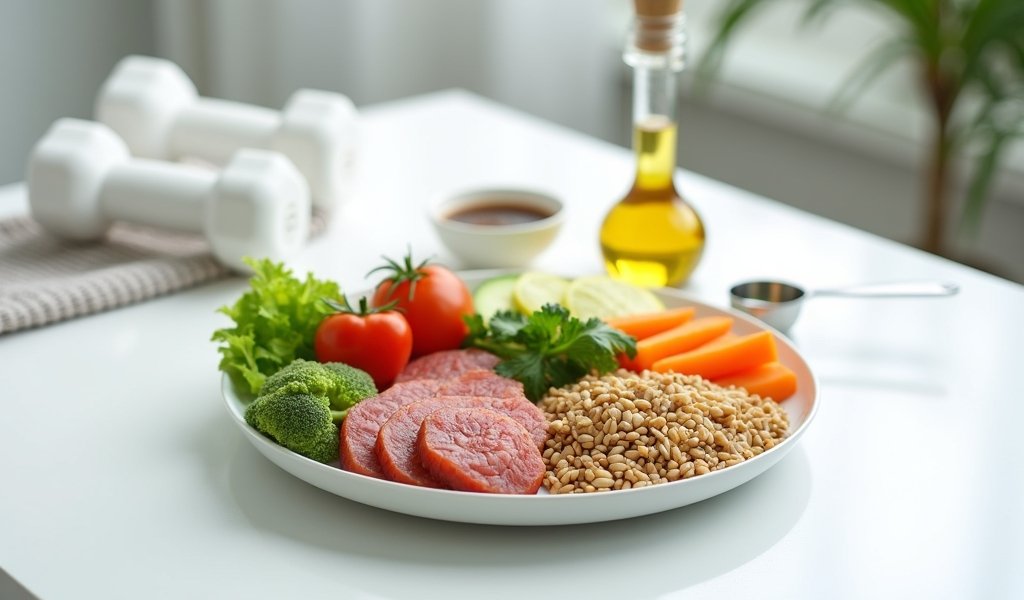
This meal plan emphasizes protein at each meal to help preserve muscle mass, includes plenty of vegetables for essential vitamins and minerals, and incorporates small amounts of complex carbohydrates for energy. The plan also distributes calories throughout the day to help manage hunger and maintain energy levels.
Remember that individual calorie needs vary based on factors like height, weight, age, and activity level. This sample plan should be customized to suit personal preferences and nutritional requirements. For most individuals, this level of calorie restriction should only be followed short-term and ideally under professional guidance.
Tips for Success on a 1000 Calorie Diet
Succeeding on a 1000 calorie diet requires careful planning and strategy to manage hunger and ensure nutritional adequacy. First and foremost, prioritize protein in every meal and snack. Protein helps preserve muscle mass during weight loss and creates greater satiety than other macronutrients. Aim for lean sources like chicken breast, fish, egg whites, tofu, and non-fat Greek yogurt.
Choose high-volume, low-calorie foods to help you feel fuller on fewer calories. Vegetables like leafy greens, cucumbers, bell peppers, and broccoli provide significant volume and essential nutrients while contributing minimal calories. These foods can help create physically satisfying meals despite the calorie restriction.
Stay well-hydrated throughout the day. Drinking plenty of water helps maintain energy levels, supports metabolic function, and can reduce perceived hunger. Some people find that drinking a glass of water before meals helps them feel more satisfied with smaller portions. Unsweetened beverages like herbal tea can also help manage hunger without adding calories.
Plan your meals in advance to avoid impulsive, potentially higher-calorie choices. Meal prepping can be particularly helpful on a very low-calorie diet, ensuring that appropriate options are readily available when hunger strikes. Using measuring cups, a food scale, and calorie-tracking apps can help maintain accuracy with portions and calorie counting.
Consider the timing of your meals and snacks to distribute calories effectively throughout the day. Many people find success by eating smaller, more frequent meals rather than three larger ones. This approach can help maintain more stable energy levels and prevent extreme hunger.
Lastly, incorporate flavor without calories by using herbs, spices, vinegar, lemon juice, and other low or zero-calorie seasonings. These additions can make restricted meals more satisfying and enjoyable without compromising your calorie goals.
Exercise Recommendations While on a 1000 Calorie Diet
Exercise considerations become particularly important when following a very low-calorie diet like the 1000 calorie plan. The severe calorie restriction already places significant stress on the body, so exercise recommendations must be carefully balanced to support health without creating excessive demands.
Light to moderate activities are generally most appropriate during this dietary approach. Walking represents an excellent option that provides cardiovascular benefits without overtaxing energy reserves. Aim for 20-30 minute walks daily if possible, adjusting intensity based on how you feel. Gentle yoga or stretching can also be beneficial for maintaining flexibility and reducing stress without requiring significant caloric expenditure.
Resistance training becomes especially valuable during caloric restriction to help preserve muscle mass. However, the intensity should be modified appropriately. Focus on basic strength exercises with light weights or bodyweight resistance 2-3 times weekly. The goal should be maintenance rather than building new muscle, which requires additional calories.
It’s crucial to listen to your body during this period. Symptoms like dizziness, unusual fatigue, or lightheadedness during exercise suggest that the activity level may be too intense for your current caloric intake. Don’t hesitate to reduce duration or intensity if needed, and consider taking additional rest days.
Extremely intense exercises like high-intensity interval training (HIIT), long-distance running, or heavy weightlifting are generally not recommended while on a 1000 calorie diet. These activities require substantial energy and may increase injury risk when combined with severe caloric restriction. According to guidelines from the American College of Sports Medicine, adequate nutrition is essential for supporting athletic activity and recovery.
Remember that exercise calories should not be “earned back” through additional eating on this plan. The 1000 calorie target already represents a significant restriction for most adults, and further reduction could potentially create health risks.
Conclusion
The 1000 calorie diet represents a highly restrictive approach to weight loss that may deliver rapid results but comes with significant considerations and risks. While some individuals may experience substantial weight reduction in the short term, the sustainability and long-term health implications of such severe caloric restriction deserve serious reflection.
For those with significant weight to lose and who are otherwise healthy, a short-term 1000 calorie diet implemented under professional supervision might serve as a jumpstart to a more sustainable weight management plan. However, it should never be viewed as a long-term solution or appropriate for most individuals.
The most successful weight management approaches typically involve moderate caloric restriction combined with increased physical activity, focusing on sustainable lifestyle changes rather than extreme measures. For most people, a more balanced approach with 1500-1800 calories for women and 1800-2200 calories for men, coupled with regular exercise, will produce healthier, more sustainable results.
If you’re considering a very low-calorie diet like the 1000 calorie plan, consultation with healthcare providers—including a physician and registered dietitian—is strongly recommended. These professionals can help determine if such an approach is appropriate for your specific situation, monitor for potential complications, and guide the transition to a more sustainable eating pattern after the initial weight loss phase.
Remember that the most effective diet is ultimately one that you can maintain over time while supporting overall health and wellbeing. For most individuals, this means finding a balanced approach to nutrition that creates a moderate calorie deficit while providing adequate nutrients and satisfaction.
Frequently Asked Questions
How much weight can I lose on a 1000 calorie diet?
Most people can expect to lose 2-4 pounds per week on a 1000 calorie diet, with more rapid loss in the first week due to water weight. The exact amount varies based on starting weight, metabolic factors, and activity level.
Is the 1000 calorie diet safe long-term?
No, the 1000 calorie diet is not safe for long-term use and should generally be limited to 1-2 weeks. Extended use increases risks of nutritional deficiencies, muscle loss, and metabolic adaptation.
Do I need to take supplements on this diet?
A multivitamin/mineral supplement is strongly recommended when following a 1000 calorie diet. Consult with a healthcare provider about specific supplements based on your individual needs.
Will I regain weight after stopping the diet?
Weight regain is common after very low-calorie diets unless you transition to a sustainable, moderate eating plan. Gradually increase calories and implement long-term lifestyle changes to maintain results.
Can I exercise while on a 1000 calorie diet?
Light exercise like walking and gentle stretching is generally acceptable, but intense workouts are not recommended due to limited energy availability. Always listen to your body and adjust activity levels according to how you feel.
Pingback: How Much Weight Can I Lose in 3 Months? Proven 12-Week Plan - achievehealthgoals.com