

Overview
This article presents seven specialized meal plans for managing hiatal hernia symptoms, focusing on anti-inflammatory foods, low-acid options, and easy-to-digest meals while avoiding trigger foods like spicy dishes, citrus, and high-fat items. Beyond dietary recommendations, the guide emphasizes complementary lifestyle changes including proper eating posture, meal timing, stress management, and sleeping position adjustments to provide comprehensive relief.
Table of Contents
- Understanding Hiatal Hernia and Diet Connection
- Key Dietary Principles for Hiatal Hernia
- Foods to Embrace and Avoid
- Meal Plan #1 – Anti-Inflammatory Focus
- Meal Plan #2 – Low Acid Diet
- Meal Plan #3 – Easy Digestion Plan
- Meal Plan #4 – High Fiber Approach
- Meal Plan #5 – Soft Foods Diet
- Meal Plan #6 – Mediterranean-Inspired Plan
- Meal Plan #7 – GERD-Friendly Recipes
- Meal Prep Tips for Hiatal Hernia Patients
- Beyond Diet – Complementary Lifestyle Changes
- Conclusion
- Frequently Asked Questions
Living with a hiatal hernia can feel like navigating a dietary minefield. That uncomfortable sensation when your stomach partially relocates through your diaphragm isn’t just annoying—it’s life-altering. Fortunately, what you eat plays a starring role in keeping those nagging symptoms at bay.
A hiatal hernia occurs when part of your stomach pushes upward through the diaphragm, the muscle that separates your chest from your abdomen. While some cases require medical intervention, many people find significant relief through strategic meal planning. The right hiatal hernia diet can be the difference between a night of restless discomfort and peaceful digestion.
In this guide, we’ll explore seven meal plans specifically designed to soothe your hiatal hernia symptoms while ensuring you still enjoy flavorful, satisfying meals. Let’s transform your diet from a source of anxiety into your greatest ally in hernia management.
Understanding Hiatal Hernia and Diet Connection
Your digestive system operates like a well-orchestrated symphony when everything is in place. But with a hiatal hernia, that harmony gets disrupted. The abnormal positioning of your stomach can compromise the lower esophageal sphincter (LES), the gatekeeper that normally prevents stomach acid from traveling upward. The result? Acid reflux, heartburn, and discomfort that can make mealtime feel like punishment.
Certain foods act like troublemakers in this scenario. Spicy dishes, citrus fruits, tomato-based sauces, and high-fat meals often trigger the most severe symptoms by either increasing stomach acid production or relaxing the already compromised LES.
Proper nutrition doesn’t just minimize these uncomfortable episodes—it creates an internal environment where healing becomes possible. According to research published in the World Journal of Gastroenterology, dietary modifications can significantly reduce symptoms in up to 70% of patients with reflux associated with hiatal hernia.
By reducing inflammation and decreasing pressure on your digestive system, the right hiatal hernia diet helps your body adapt to this anatomical challenge.
Key Dietary Principles for Hiatal Hernia
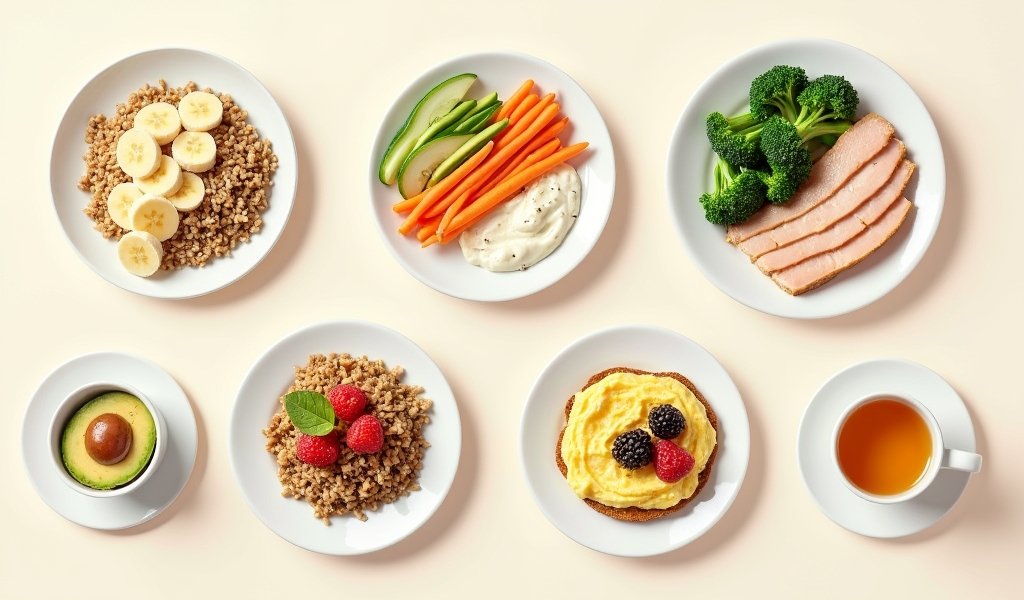
Managing hiatal hernia symptoms successfully requires embracing a few fundamental dietary principles:
Eat smaller, more frequent meals
Think of your stomach as a balloon. Smaller meals prevent it from becoming overly distended, which reduces pressure on the LES and minimizes the chance of acid reflux. Aim for 5-6 mini-meals rather than three large ones.
Avoid eating before bedtime
Gravity is your friend when managing a hiatal hernia. Eating within three hours of bedtime increases the likelihood of nighttime reflux when you’re lying flat. Make dinner your lightest meal and finish eating well before heading to bed.
Proper hydration techniques
Sip water throughout the day instead of gulping large amounts at once. Drinking too much liquid with meals can distend your stomach, so try drinking between meals instead of with them.
Importance of posture while eating
Sit upright during meals and for at least 30 minutes afterward. This position uses gravity to keep stomach contents where they belong and aids proper digestion. Mayo Clinic specialists recommend never eating while lying down or slouching.
Foods to Embrace and Avoid
Foods That Heal
- Non-acidic fruits: Bananas, melons, apples, pears
- Vegetables: Broccoli, cauliflower, green beans, carrots (cooked until tender)
- Lean proteins: Poultry without skin, fish, tofu, egg whites
- Complex carbohydrates: Oatmeal, whole grain bread, brown rice, quinoa
- Healthy fats: Avocado (in moderation), olive oil, almonds
- Alkaline foods: Cucumber, spinach, kale, celery
Foods That Harm
- Acidic fruits: Oranges, lemons, grapefruits, pineapples
- Spicy foods: Hot peppers, curry, hot sauce
- High-fat foods: Fried foods, fatty cuts of meat, full-fat dairy
- Tomato-based products: Pasta sauce, salsa, ketchup
- Chocolate and mint: Both relax the LES, increasing reflux
- Carbonated beverages: Increase bloating and stomach pressure
Beverage Choices
Beneficial beverages:
- Ginger tea
- Chamomile tea
- Almond milk
- Filtered water
- Non-citrus fruit smoothies
Beverages to avoid:
- Coffee (even decaf)
- Alcohol
- Citrus juices
- Carbonated drinks
- Tomato juice
Meal Plan #1 – Anti-Inflammatory Focus
Inflammation can worsen hiatal hernia symptoms. This meal plan incorporates foods known for their anti-inflammatory properties.
Breakfast:
- Overnight oats with almond milk, sliced banana, and a sprinkle of ground flaxseed
- Chamomile tea
Lunch:
- Grilled chicken salad with spinach, cucumber, carrots, and olive oil dressing
- Small portion of quinoa
Dinner:
- Baked salmon with steamed broccoli and sweet potato
- Small cup of melon cubes for dessert
Snacks:
- Rice cakes with small amount of almond butter
- Fresh apple slices
Recipe Highlight: Anti-Inflammatory Turmeric Smoothie
- 1 cup almond milk
- ½ frozen banana
- ½ teaspoon ground turmeric
- ¼ teaspoon ginger
- 1 tablespoon ground flaxseed
- Small drizzle of honey (optional)
Blend all ingredients until smooth. The curcumin in turmeric helps reduce inflammation throughout the body, while ginger soothes the digestive tract. Studies confirm that turmeric’s active compound curcumin offers potent anti-inflammatory benefits that can help reduce digestive discomfort.
Meal Plan #2 – Low Acid Diet
Reducing acid intake can significantly decrease heartburn and reflux symptoms associated with hiatal hernia.
Breakfast:
- Oatmeal cooked with almond milk, topped with sliced pear and a small drizzle of maple syrup
- Herbal tea
Lunch:
- Turkey sandwich on whole grain bread with avocado (no tomato or condiments)
- Steamed carrots
Dinner:
- Baked cod with herb seasoning
- Brown rice
- Steamed green beans
Snacks:
- Banana
- Plain yogurt with a touch of honey
Recipe Highlight: Alkaline Vegetable Soup
- 2 tablespoons olive oil
- 1 onion, diced
- 2 carrots, chopped
- 2 celery stalks, chopped
- 4 cups vegetable broth
- 1 cup green beans
- 1 potato, cubed
- 1 teaspoon dried thyme
Sauté vegetables in olive oil until softened. Add broth and simmer until vegetables are tender. This warming soup provides comfort without triggering acid reflux.
Meal Plan #3 – Easy Digestion Plan
When your digestive system is working overtime with a hiatal hernia, foods that are gentle on digestion can provide relief.
Breakfast:
- Scrambled egg whites with spinach
- Plain toast with a small amount of butter
Lunch:
- Well-cooked rice with baked chicken breast (no skin)
- Steamed carrots
Dinner:
- White fish poached in broth
- Mashed potato
- Well-cooked zucchini
Snacks:
- Applesauce
- Plain crackers
Recipe Highlight: Gentle Chicken and Rice Soup
- 1 tablespoon olive oil
- 1 small onion, finely diced
- 2 carrots, diced
- 2 celery stalks, diced
- 6 cups chicken broth
- 1 cup cooked and shredded chicken breast
- ½ cup white rice
- Salt and herbs to taste
Sauté vegetables in oil until soft. Add remaining ingredients and simmer until rice is cooked. This easy-to-digest soup provides nourishment without taxing your digestive system.
Meal Plan #4 – High Fiber Approach
Constipation can increase abdominal pressure and worsen hiatal hernia symptoms. A high-fiber diet helps maintain regularity without triggering reflux.
Breakfast:
- High-fiber cereal with almond milk and sliced banana
- Herbal tea
Lunch:
- Quinoa bowl with chickpeas, diced cucumber, and a light olive oil dressing
- Small apple
Dinner:
- Grilled chicken breast
- Brown rice
- Steamed broccoli and carrots
Snacks:
- Handful of almonds
- Fiber-rich crackers
Recipe Highlight: Fiber-Packed Bean Soup
- 1 tablespoon olive oil
- 1 onion, diced
- 2 carrots, chopped
- 2 celery stalks, chopped
- 4 cups vegetable broth
- 1 can white beans, drained and rinsed
- 1 cup spinach
- ½ teaspoon dried thyme
Sauté vegetables, add remaining ingredients, and simmer. This gentle soup provides substantial fiber without common trigger ingredients.
Meal Plan #5 – Soft Foods Diet
Sometimes, hiatal hernia symptoms flare up and demand gentler treatment. This soft foods plan gives your digestive system a break.
Breakfast:
- Smooth yogurt with mashed banana
- Herbal tea
Lunch:
- Well-cooked pasta with a small amount of olive oil and parmesan
- Applesauce
Dinner:
- Pureed vegetable soup
- Soft-cooked fish
- Mashed sweet potato
Snacks:
- Smoothie with banana, almond milk, and small amount of peanut butter
- Pudding (non-chocolate)
Recipe Highlight: Soothing Sweet Potato Purée
- 2 medium sweet potatoes, peeled and cubed
- 1 tablespoon butter
- 2 tablespoons almond milk
- Pinch of cinnamon
Boil sweet potatoes until very soft, then mash with remaining ingredients until smooth. This dish offers nutritional value in an easy-to-digest form.
Meal Plan #6 – Mediterranean-Inspired Plan
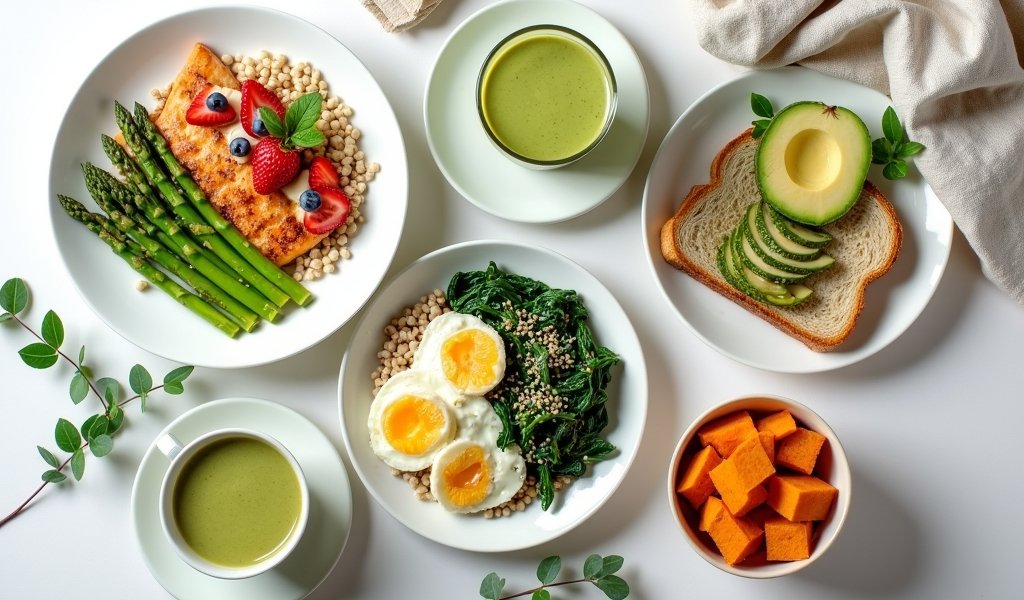
The Mediterranean diet breakfast and meal plan naturally includes many foods that are gentle on digestion while offering anti-inflammatory benefits.
Breakfast:
- Greek yogurt with honey and sliced pears
- Herbal tea
Lunch:
- Tabbouleh salad with extra cucumber and less tomato
- Baked fish with herbs
Dinner:
- Grilled chicken with olive oil and herbs
- Roasted vegetables (excluding tomatoes and peppers)
- Small portion of couscous
Snacks:
- Small handful of almonds
- Fresh melon slices
Recipe Highlight: Mediterranean Baked Fish
- 1 pound white fish fillets
- 2 tablespoons olive oil
- 1 lemon, sliced
- 2 cloves garlic, minced
- Fresh herbs (oregano, thyme, parsley)
Place fish in baking dish, drizzle with olive oil, top with garlic and herbs, and arrange lemon slices on top. Bake at 375°F for about 15-20 minutes until fish flakes easily. This dish provides lean protein with digestion-friendly Mediterranean recipes flavors.
Meal Plan #7 – GERD-Friendly Recipes
Since GERD (Gastroesophageal Reflux Disease) often accompanies hiatal hernia, this meal plan addresses both conditions.
Breakfast:
- Oatmeal with almond milk and sliced banana
- Ginger tea
Lunch:
- Grilled chicken wrap using a whole grain tortilla, lettuce, and a small amount of hummus
- Steamed carrots
Dinner:
- Baked turkey meatballs (no tomato sauce)
- Brown rice
- Steamed green beans
Snacks:
- Rice cakes with small amount of almond butter
- Sliced pear
Recipe Highlight: GERD-Friendly Turkey Meatballs
- 1 pound ground turkey
- ¼ cup breadcrumbs
- 1 egg
- 1 tablespoon olive oil
- 1 teaspoon dried herbs (oregano, basil)
- Salt to taste
Combine all ingredients, form into balls, and bake at 375°F for 20-25 minutes. Serve with a non-tomato-based sauce like pesto or light gravy. These meatballs provide protein without the acidic tomato sauce that can trigger symptoms.
Meal Prep Tips for Hiatal Hernia Patients
Living with a hiatal hernia doesn’t mean you need to spend hours in the kitchen. Smart meal prep can make healthy eating more manageable:
Time-saving strategies:
- Batch cook grains like rice and quinoa
- Pre-cut vegetables for quick meal assembly
- Make soups in large batches to freeze
- Use a slow cooker for easy meal preparation
Storage recommendations:
- Use individual containers for portion-controlled meals
- Store trigger foods separately so they can be omitted as needed
- Label meals with dates to ensure freshness
- Keep healthy snacks easily accessible
Portion control tips:
- Use smaller plates and bowls
- Measure portions when cooking and serving
- Separate large recipes into appropriate portions before storing
- Keep a food journal to track which portions work best for your symptoms
Beyond Diet – Complementary Lifestyle Changes
While diet plays a starring role in managing hiatal hernia symptoms, supporting lifestyle changes enhance its effectiveness:
Exercise recommendations:
- Low-impact activities like walking, swimming, and yoga
- Avoid exercises that increase abdominal pressure (heavy lifting, crunches)
- Wait at least two hours after eating before exercising
- Gentle stretching to improve posture and reduce pressure on the diaphragm
Stress management techniques:
- Deep breathing exercises
- Meditation
- Progressive muscle relaxation
- Spending time in nature
Sleep position suggestions:
- Elevate the head of your bed 6-8 inches (not just using pillows)
- Sleep on your left side when possible
- Avoid sleeping flat on your back
- Use a wedge pillow specially designed for reflux
Conclusion
Living with a hiatal hernia doesn’t sentence you to a bland, joyless diet. With thoughtful meal planning and preparation, you can enjoy delicious, satisfying food while keeping uncomfortable symptoms at bay. The seven meal plans outlined above provide a starting point, but don’t hesitate to customize them based on your personal triggers and preferences.
Remember that dietary management is just one component of a comprehensive hiatal hernia diet approach. The foods you eat work in harmony with proper posture, stress management, appropriate exercise, and medical treatment to improve your quality of life.
Like an orchestra where each instrument plays its part, these dietary principles work together to create harmony in your digestive system. Some days may require adjustments—perhaps focusing more on soft foods during a flare-up or enjoying the Mediterranean plan when symptoms are well-controlled.
Start by introducing one meal plan at a time for at least a week to see how your body responds. Keep a food and symptom journal to identify patterns and make adjustments as needed. With patience and consistency, you’ll discover the perfect hiatal hernia diet that allows you to enjoy food while keeping symptoms in check.
Frequently Asked Questions
Can I ever have coffee again with a hiatal hernia?
Some people can tolerate small amounts of coffee if consumed early in the day with food. Try decaf first and monitor your symptoms, but be prepared to eliminate it if problems occur.
Are there any fruits that are completely safe for hiatal hernia?
Bananas, melons, and pears are generally well-tolerated by most hiatal hernia patients. These fruits are low in acid and less likely to trigger reflux symptoms.
How long after eating should I wait before lying down?
Wait at least 2-3 hours after eating before lying down to minimize reflux risk. This gives your stomach time to empty and reduces pressure on your LES.
Can losing weight help my hiatal hernia symptoms?
Yes, weight loss can significantly reduce pressure on your abdomen and improve symptoms. Even modest weight reduction of 5-10% can make a noticeable difference in symptom severity.
Do probiotics help with hiatal hernia symptoms?
Some studies suggest probiotics may help improve overall digestive health and reduce reflux symptoms. Consider adding yogurt with live cultures or a probiotic supplement after consulting with your healthcare provider.
Pingback: Pain in Abdomen When Coughing? 7 Proven Relief Strategies - achievehealthgoals.com
Pingback: 5 Proven Remedies for Chest Pain After Drinking Alcohol - achievehealthgoals.com