

Overview
Carrots are nutritional powerhouses containing high levels of vitamin A, antioxidants, fiber, and minerals that support eye health, heart function, digestion, immunity, and skin health while remaining low in calories. Both raw and cooked carrots offer health benefits, with cooking increasing beta-carotene absorption while raw carrots preserving water-soluble vitamins, making them a versatile addition to any balanced diet.
Table of Contents
- What Makes Carrots Special
- Vitamin A Powerhouse
- Low-Calorie Nutritional Champion
- Antioxidant Protection
- Heart-Healthy Benefits
- Blood Sugar Friendly
- Digestive Health Support
- Immune System Booster
- Skin Health Enhancement
- Mineral-Rich Profile
- Raw vs. Cooked Carrots
- How to Enjoy More Carrots
- Conclusion
- Frequently Asked Questions
What Makes Carrots Special
Carrots are more than just crunchy orange vegetables. These humble roots pack an impressive nutritional punch that can boost your health in surprising ways. From supporting eye health to aiding digestion, carrot nutrition facts reveal why this vegetable deserves a regular spot on your plate.
Let’s dive into the world of these colorful veggies and discover why nutritionists and health experts consistently recommend them. Whether you enjoy them raw as a snack or cooked in your favorite recipes, carrots offer remarkable versatility alongside their health benefits.
Vitamin A Powerhouse
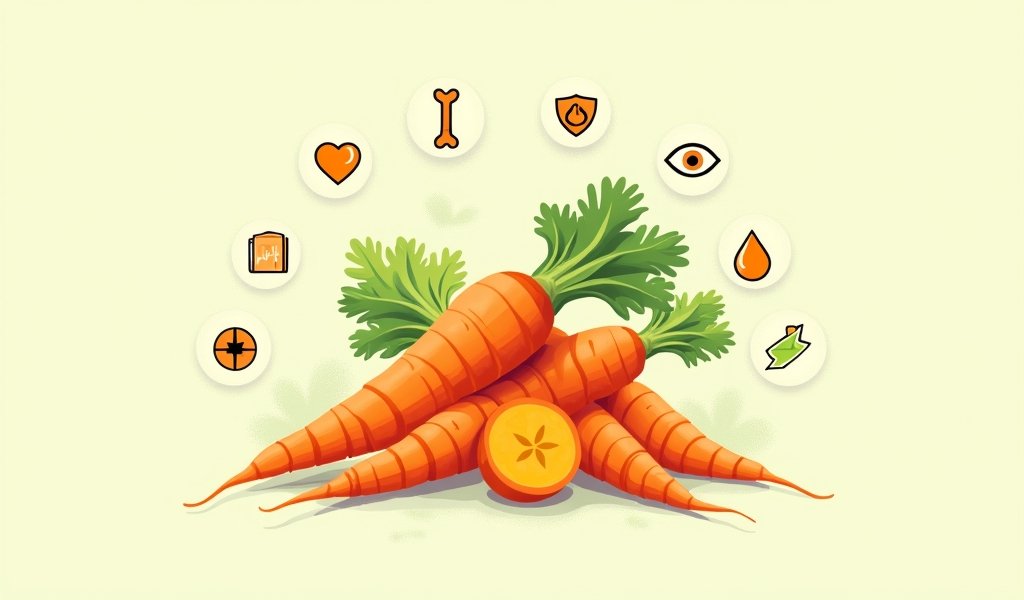
Carrots shine brightest when it comes to vitamin A content. Just one medium carrot provides over 200% of your daily vitamin A needs! This impressive amount comes from beta-carotene, the plant pigment that gives carrots their bright orange color.
Your body converts beta-carotene into vitamin A, which is essential for good vision—especially in low light. The old saying that carrots help you see in the dark isn’t just a myth parents use to get kids to eat vegetables. There’s real science behind it! Vitamin A helps form rhodopsin, a protein in your eyes that allows you to see when it’s dark.
Beyond vision, vitamin A supports your immune system and helps maintain healthy skin, teeth, and bones. It’s a true nutritional superstar, and carrots are one of the richest sources you’ll find.
Low-Calorie Nutritional Champion
If you’re watching your weight, carrots deserve a spot in your diet plan. A medium carrot contains just 25 calories while delivering impressive nutrients. This makes carrots a smart choice for anyone looking to manage their weight without sacrificing nutrition.
The secret to carrots’ satisfying nature is their high water and fiber content. These elements help you feel full while eating fewer calories. Craving something crunchy? Reach for carrots instead of chips—your body will thank you.
With their natural sweetness, carrots can also satisfy sugar cravings in a much healthier way than processed sweets. They’re nature’s perfect snack: convenient, delicious, and kind to your waistline.
Antioxidant Protection
Carrots contain powerful antioxidants that help protect your cells from damage. Beta-carotene is the star, but carrots also provide alpha-carotene, lutein, and other protective compounds that fight harmful free radicals in your body.
These antioxidants may help reduce your risk of certain cancers. Research suggests that people who eat more carrots have lower rates of colon, prostate, and stomach cancers. While no single food can prevent cancer, including antioxidant-rich vegetables like carrots in your diet is a smart health strategy.
The vibrant color of carrots is your clue to their antioxidant content—the deeper the orange, the more beta-carotene they contain. Purple, red, and yellow carrots offer different antioxidant profiles, giving you even more reasons to try these colorful varieties.
Heart-Healthy Benefits
Your heart loves carrots! These crunchy vegetables contain potassium, which helps regulate blood pressure by balancing sodium levels in your body. Just one medium carrot provides about 195mg of potassium.
The soluble fiber in carrots helps lower cholesterol by binding to bile acids and removing them from your body. When this happens, your liver has to pull cholesterol from your bloodstream to make more bile acids, resulting in lower overall cholesterol levels.
Studies show that regularly eating carrots is linked to a reduced risk of heart disease. Adding this simple vegetable to your meals a few times a week could be an easy way to support your cardiovascular health.
Blood Sugar Friendly
Despite their sweet taste, carrots are surprisingly gentle on blood sugar levels. They have a relatively low glycemic index of about 39, meaning they cause a slower, more gradual rise in blood sugar compared to many other foods.
The fiber in carrots plays a key role here. It slows down digestion and the absorption of sugars, preventing the sharp spikes and crashes that can occur with higher-glycemic foods. Think of this fiber as a natural brake pedal for your body’s sugar absorption.
For people with diabetes or those concerned about blood sugar management, carrots make a smart vegetable choice. Their natural sweetness can help satisfy cravings while their nutritional profile supports overall health.
Digestive Health Support
Your gut will thank you for eating carrots regularly. They contain both soluble and insoluble fiber, each offering unique benefits for digestive health. The soluble fiber feeds beneficial gut bacteria, while insoluble fiber adds bulk to stool and keeps things moving.
A medium carrot provides about 2 grams of fiber, helping you reach the recommended 25-30 grams daily. This fiber content makes carrots effective at preventing constipation and supporting regular, healthy bowel movements.
The benefits extend beyond regularity. A healthy gut microbiome—nourished by fiber-rich foods like carrots—has been linked to improved mood, better immune function, and even clearer thinking. It’s amazing how something as simple as a carrot can contribute to such wide-ranging health benefits!
Immune System Booster
Carrots offer immune-boosting benefits that go beyond just vitamin A. They also provide vitamin C, which works alongside vitamin A to strengthen your body’s defenses against infections.
One medium carrot contains about 5mg of vitamin C—not as much as citrus fruits, but still a helpful contribution to your daily needs. During cold and flu season, adding extra carrots to your diet can be a tasty way to support your immune system.
The antioxidants in carrots also play a role in immune function by protecting immune cells from damage. A well-functioning immune system depends on adequate nutrition, and carrots deliver several key nutrients that help keep your defenses strong.
Skin Health Enhancement
Beautiful skin starts from within, and carrots can help. The vitamin A derived from beta-carotene is essential for maintaining healthy skin cells and preventing dry, flaky skin. It helps regulate cell production and keeps skin tissues healthy.
The antioxidants in carrots provide protection against UV damage and environmental stressors that lead to premature aging. While they can’t replace sunscreen, they offer an extra layer of protection from the inside out.
Many people notice improvements in their complexion when they add more carrots to their diet. The high water content in carrots also contributes to skin hydration, giving you a natural glow that no expensive cream can match.
Mineral-Rich Profile
Carrots contain an impressive array of minerals essential for overall health. They provide potassium for heart function, calcium for strong bones, and phosphorus for energy metabolism and bone formation.
What makes carrots particularly valuable is how easily your body can absorb and use these minerals. The plant compounds in carrots enhance mineral absorption, ensuring you get maximum benefit from each crunchy bite.
While no single food can provide all the minerals you need, including carrots as part of a varied diet helps ensure you’re getting a good mix of these essential nutrients. Think of carrots as one piece of your nutritional puzzle—a particularly colorful and tasty piece!
Raw vs. Cooked Carrots
Both raw and cooked carrots offer health benefits, but in slightly different ways. Cooking carrots actually increases the availability of beta-carotene by breaking down the tough cellular walls that contain it. Research shows that cooked carrots can deliver up to 40% more beta-carotene to your bloodstream than raw ones.
However, cooking can reduce vitamin C and some water-soluble nutrients. Light steaming preserves more nutrients than boiling, which allows vitamins to leach into the cooking water.
For maximum nutrition, enjoy both raw and cooked carrots in your diet. When eating carrots for their beta-carotene, pair them with a small amount of healthy fat (like olive oil or avocado) to improve absorption, since beta-carotene is fat-soluble.
How to Enjoy More Carrots
Adding more carrots to your diet can be both delicious and simple. Here are some easy ways to enjoy them:
- Dip baby carrots in hummus or Greek yogurt for a satisfying snack
- Shred carrots into salads, slaws, or sandwich fillings
- Roast carrot chunks with olive oil and herbs for a sweet side dish
- Add grated carrots to muffins, quick breads, or pancake batter
- Blend carrots into smoothies with fruits for natural sweetness
- Make carrot soup with ginger for a comforting meal
Experiment with different colored carrots—purple, yellow, white, and red varieties each offer slightly different nutrients and can add visual appeal to your meals.
Conclusion
Carrot nutrition facts reveal this humble vegetable as a true health superstar. From supporting vision and heart health to boosting immunity and aiding digestion, carrots offer remarkable benefits in a low-calorie, delicious package.
Making carrots a regular part of your diet is a simple yet powerful step toward better health. Whether enjoyed raw as a snack or incorporated into favorite recipes, this versatile vegetable delivers essential nutrients your body needs to thrive.
Remember that good nutrition isn’t about perfection—it’s about making better choices more often. And choosing carrots is definitely a choice your body will thank you for. So the next time you’re at the grocery store, grab a bunch of these vibrant, crunchy vegetables and enjoy their sweet flavor along with their impressive health benefits.
Frequently Asked Questions
Are carrots high in sugar?
While carrots taste sweet, they’re actually relatively low in sugar with only about 2.9 grams in a medium carrot. Their low glycemic index means they have minimal impact on blood sugar levels.
How many carrots should I eat per day?
One to two medium carrots daily is a healthy amount that provides excellent nutrition without excess. This amount gives you plenty of vitamin A and fiber while fitting easily into a balanced diet.
Do carrots help you lose weight?
Carrots can support weight loss as they’re low in calories but high in fiber, helping you feel full longer. They make an excellent substitute for higher-calorie snacks while providing essential nutrients.
Can you eat too many carrots?
Eating excessive amounts of carrots can temporarily turn skin orange-yellow (carotenemia) due to beta-carotene buildup. This condition is harmless and reverses when carrot consumption is reduced.
Are carrot greens edible?
Yes, carrot tops are edible and nutritious, containing significant vitamin K and chlorophyll. They can be used like herbs in pestos, salads, or as garnishes.