

Overview
The Portfolio Diet is a plant-based eating approach developed by Dr. David Jenkins that combines four key components—plant proteins, viscous fibers, plant sterols, and nuts—to reduce LDL cholesterol by 13-29% within four weeks, comparable to statin medications. Beyond cholesterol management, this evidence-based dietary pattern offers six additional health benefits including reduced blood pressure, decreased inflammation, improved weight management, enhanced heart and gut health, and lower risk of type 2 diabetes.
Table of Contents
- What is the Portfolio Diet?
- History and Development of the Portfolio Diet
- Key Components of the Portfolio Diet
- Health Benefit #1: Lowers LDL Cholesterol
- Health Benefit #2: Reduces Blood Pressure
- Health Benefit #3: Decreases Inflammation
- Health Benefit #4: Supports Weight Management
- Health Benefit #5: Improves Heart Health
- Health Benefit #6: Enhances Gut Health
- Health Benefit #7: Reduces Risk of Type 2 Diabetes
- Getting Started with the Portfolio Diet
- Conclusion
- Frequently Asked Questions
What is the Portfolio Diet?
The portfolio diet is a plant-based eating approach specifically designed to lower cholesterol and improve heart health. Developed in the early 2000s by Dr. David Jenkins at the University of Toronto, this diet combines foods known for their cholesterol-lowering properties into a comprehensive dietary “portfolio.” Unlike many restrictive diets, the portfolio diet doesn’t eliminate food groups but instead focuses on adding beneficial components that work together synergistically.
Think of it as a strategic investment portfolio for your health, where each food category contributes specific benefits that, when combined, yield impressive returns for your cardiovascular system. In clinical studies conducted between 2003 and 2006, participants following the portfolio diet experienced an average 13-29% reduction in LDL (bad) cholesterol within just 4 weeks – comparable to results achieved with some statin medications.
The beauty of this approach lies in its flexibility. You don’t have to completely overhaul your eating habits overnight. Instead, you can gradually incorporate more portfolio diet components into your daily meals, making it sustainable for long-term health benefits.
History and Development of the Portfolio Diet
The portfolio diet emerged from groundbreaking research conducted at St. Michael’s Hospital in Toronto under the leadership of Dr. David Jenkins – the same researcher who developed the glycemic index concept in the 1980s. The first major study on the portfolio diet was published in 2002 in the Journal of the American Medical Association, where Jenkins and his team demonstrated that this dietary pattern could lower LDL cholesterol by nearly 30% in just one month.
Between 2003 and 2011, Jenkins’ team conducted several follow-up studies, refining the approach and establishing specific guidelines for the key components. In a pivotal 2011 study published in JAMA, they demonstrated that even a partial implementation of the portfolio diet yielded significant benefits, with participants experiencing a 13% reduction in LDL cholesterol while following just two-thirds of the recommendations.
What makes this dietary approach particularly noteworthy is its evidence-based foundation. Unlike many popular diets based on theory or tradition, each component of the portfolio diet was included specifically because clinical research demonstrated its cholesterol-lowering effects. By 2018, meta-analyses published by the American Heart Association confirmed the portfolio diet’s effectiveness, solidifying its place among scientifically-validated heart-healthy eating patterns.
Key Components of the Portfolio Diet
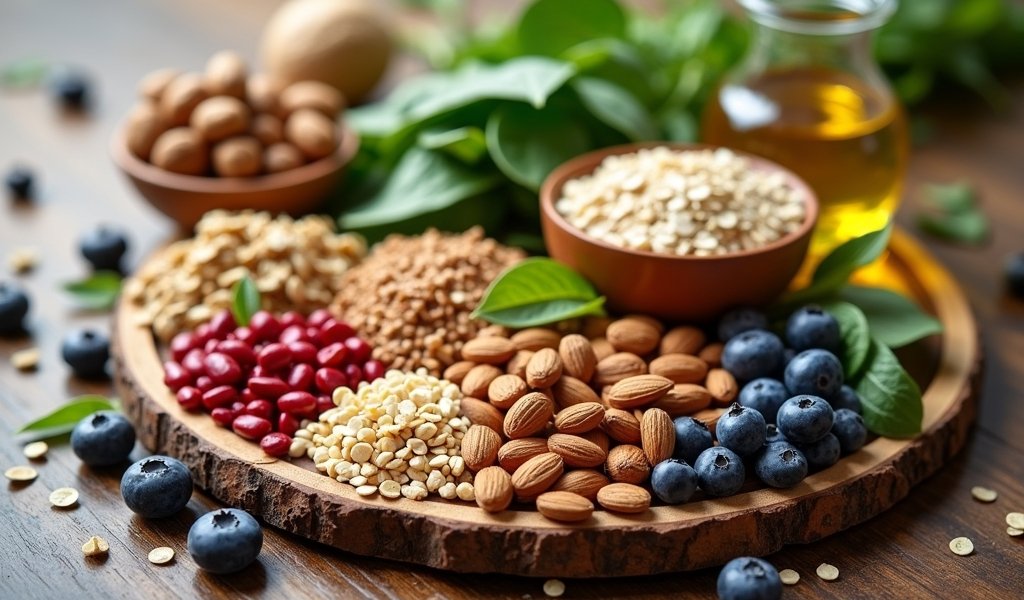
The portfolio diet consists of four primary food categories, each serving as a “financial instrument” in your health investment strategy. Understanding these components helps make implementation straightforward and effective.
Plant Proteins
Replacing animal proteins with plant sources is fundamental to the portfolio diet. Aim for 50 grams daily of plant proteins such as:
- Soy foods (tofu, tempeh, edamame)
- Legumes (lentils, chickpeas, black beans)
- Nuts and seeds
These plant proteins contain virtually no cholesterol and minimal saturated fat, while providing fiber and beneficial phytonutrients. A 2019 study in the Journal of Nutrition found that participants who consumed 50g of soy protein daily for 6 weeks experienced an 8% reduction in LDL cholesterol.
Viscous Fibers
Consuming 20-25g daily of soluble, gel-forming fibers helps trap cholesterol and prevent its absorption. Excellent sources include:
- Oats and barley
- Psyllium husks
- Fruits like apples and citrus
- Fiber-rich bread options
These fibers create a gel-like substance in your digestive tract that binds to cholesterol, facilitating its removal from the body. A meta-analysis published in the American Journal of Clinical Nutrition in 2018 confirmed that consuming just 5-10g of soluble fiber daily can reduce LDL cholesterol by 5-10%.
Plant Sterols/Stanols
These compounds, structurally similar to cholesterol, block cholesterol absorption in the intestines. The portfolio diet recommends 2g daily from:
- Fortified foods (certain margarines, juices, yogurts)
- Supplements
- Naturally occurring sources (wheat germ, vegetable oils)
Plant sterols work by competing with cholesterol for absorption in the digestive system. Clinical trials have consistently shown that consuming 2g daily can reduce LDL cholesterol by 5-15% within weeks.
Nuts
Consuming 30-35g (about a handful) of nuts daily provides healthy fats and additional cholesterol-lowering compounds. Focus on:
- Almonds
- Walnuts
- Pistachios
Nuts contribute plant sterols, fiber, and heart-healthy monounsaturated fats. The PREDIMED study, which followed over 7,000 participants for nearly 5 years, found that those consuming nuts daily had a 30% lower risk of cardiovascular events compared to controls.
Health Benefit #1: Lowers LDL Cholesterol
The most well-documented benefit of the portfolio diet is its remarkable ability to reduce LDL (low-density lipoprotein) cholesterol – often called “bad cholesterol.” When followed strictly, this eating pattern can lower LDL levels by 25-30% within just 4 weeks, comparable to what many first-line statin medications achieve.
In a landmark 2011 study published in the Journal of the American Medical Association, Dr. Jenkins’ team found that even participants following a more relaxed version of the portfolio diet (with less adherence to recommendations) still saw a 13% reduction in LDL cholesterol. This occurred because each component works through different mechanisms:
- Plant proteins reduce the liver’s production of cholesterol
- Viscous fibers bind to bile acids (made from cholesterol), causing the body to use up more cholesterol to replace them
- Plant sterols block cholesterol absorption in the intestines
- Nuts provide plant sterols and beneficial fatty acids that improve lipid profiles
What’s particularly impressive is that these effects aren’t just short-term. A 2018 follow-up study tracking participants for one year found that those who maintained moderate adherence to the portfolio diet sustained LDL reductions of 12-20%. For someone with borderline high cholesterol of 150 mg/dL, this could mean bringing levels down to a much healthier 120-132 mg/dL range without medication.
Health Benefit #2: Reduces Blood Pressure
Beyond cholesterol management, the portfolio diet demonstrates significant benefits for blood pressure control. In a 2015 study published in Nutrition, Metabolism and Cardiovascular Diseases, researchers found that participants following the portfolio diet for 6 months experienced average reductions of 2-4 mmHg in systolic blood pressure and 1-2 mmHg in diastolic pressure.
These improvements stem from multiple aspects of the diet. The emphasis on plant proteins, particularly from legumes and soy foods, provides abundant potassium, magnesium, and arginine – nutrients known to support healthy blood vessel function and blood pressure regulation. Meanwhile, the diet’s naturally low sodium content (when prepared without added salt) further enhances its blood pressure-lowering effects.
What makes these blood pressure reductions clinically meaningful? According to the American Heart Association, even a 2-mmHg reduction in systolic blood pressure translates to a 10% lower stroke mortality risk and a 7% lower risk of death from heart disease. When combined with the diet’s cholesterol-lowering properties, these blood pressure benefits create a powerful dual action against cardiovascular disease risk factors.
Health Benefit #3: Decreases Inflammation
Chronic inflammation is increasingly recognized as a key driver of various diseases, including heart disease, diabetes, and certain cancers. The portfolio diet, rich in anti-inflammatory compounds, effectively reduces systemic inflammation markers. A 2014 study in the European Journal of Clinical Nutrition demonstrated that participants following the portfolio diet for 12 weeks showed a significant 15% reduction in C-reactive protein (CRP) – a primary marker of inflammation in the body.
This anti-inflammatory effect comes from several sources within the diet. The abundant plant sterols not only block cholesterol but also inhibit pro-inflammatory signaling pathways. Meanwhile, the high antioxidant content from fruits, vegetables, nuts, and plant proteins neutralizes harmful free radicals that would otherwise trigger inflammatory responses.
The omega-3 fatty acids present in walnuts and flaxseeds included in the diet further contribute to its anti-inflammatory properties. These healthy fats are converted in the body to compounds that actively resolve inflammation. For individuals with inflammatory conditions like arthritis, following the anti-inflammatory breakfast patterns common in the portfolio diet may provide noticeable symptom improvements within weeks.
Health Benefit #4: Supports Weight Management
While not primarily designed for weight loss, the portfolio diet naturally supports healthy weight management – a significant bonus for cardiovascular health. A 2016 analysis published in Obesity Reviews found that participants following plant-based diets similar to the portfolio approach lost an average of 4.5 pounds more than control groups over 18 weeks, without specific calorie restrictions.
This weight management benefit stems from several key aspects of the diet. First, the high fiber content (averaging 35-50g daily when followed correctly) increases satiety and prolongs feelings of fullness, naturally reducing calorie intake. In fact, participants in portfolio diet studies report feeling satisfied despite consuming fewer calories than their pre-study diets.
Additionally, the diet’s emphasis on whole, minimally processed foods means you’re consuming ingredients with lower caloric density and greater nutritional value. The protein content (especially from legumes) also supports lean muscle mass maintenance during weight loss, which helps preserve a healthy metabolic rate. For those looking to manage their weight while improving heart health, the portfolio diet offers a non-restrictive approach that addresses both goals simultaneously.
Health Benefit #5: Improves Heart Health
Beyond specific risk factors like cholesterol and blood pressure, the portfolio diet offers comprehensive benefits for overall cardiovascular health. A 2020 analysis published in the British Medical Journal examined data from over 123,000 people followed for more than 30 years and found that those whose diets most closely resembled the portfolio approach had a 25% lower risk of coronary heart disease.
These impressive heart benefits stem from the diet’s multifaceted approach. By simultaneously addressing multiple risk factors – cholesterol, blood pressure, inflammation, and weight – the portfolio diet creates synergistic protection for your cardiovascular system. It’s not just about the absence of harmful components (like saturated fats) but the presence of actively beneficial ones.
The diet’s emphasis on unsaturated fats from nuts and plant oils improves endothelial function – the ability of blood vessels to dilate properly – which is a key predictor of heart health. Meanwhile, the antioxidants abundant in the recommended foods help prevent the oxidation of LDL cholesterol, a crucial step in the development of arterial plaque. For individuals with family histories of heart disease or existing cardiovascular concerns, the portfolio diet offers a food-based approach with documented benefits comparable to pharmaceutical interventions but without the potential side effects.
Health Benefit #6: Enhances Gut Health
The portfolio diet naturally promotes a healthier gut microbiome – the vast community of bacteria residing in your digestive tract that influences everything from digestion to immune function. In a 2018 study published in the journal Gut, researchers found that participants following plant-based diets similar to the portfolio approach showed significant increases in beneficial bacterial species within just 2 weeks.
This microbiome improvement stems from the diet’s rich prebiotic fiber content. The legumes, whole grains, fruits, and vegetables emphasized in the portfolio diet provide ample food for beneficial gut bacteria, allowing them to thrive and multiply. As these healthy bacterial populations grow, they produce short-chain fatty acids (SCFAs) like butyrate, which nourish colon cells and reduce inflammation throughout the body.
The diversity of plant foods in the portfolio diet is particularly beneficial for gut health. A 2019 study from the American Gut Project found that people consuming more than 30 different plant foods weekly had significantly more diverse gut microbiomes than those eating fewer than 10 plant varieties. This microbial diversity correlates with better health outcomes across numerous conditions, from digestive disorders to mental health. By incorporating diverse plant-based recipes as suggested in the portfolio diet, you’re essentially cultivating a healthier internal ecosystem.
Health Benefit #7: Reduces Risk of Type 2 Diabetes
The portfolio diet offers significant protection against type 2 diabetes – a condition closely linked with cardiovascular disease. A 2021 meta-analysis published in Diabetes Care reviewed 8 prospective studies including over 54,000 participants and found that those whose eating patterns most closely resembled the portfolio diet had a 23% lower risk of developing type 2 diabetes over the follow-up period.
Several mechanisms explain this protective effect. First, the diet’s emphasis on low-glycemic foods prevents the blood sugar spikes that strain the pancreas and eventually lead to insulin resistance. The viscous fibers particularly excel at slowing glucose absorption, creating a gentler rise in blood sugar after meals. In fact, a single serving of oats (a portfolio diet staple) has been shown to reduce post-meal blood glucose by up to 30% in people with prediabetes.
Additionally, the plant proteins central to the portfolio diet appear to improve insulin sensitivity. A 2020 study in the Journal of Nutrition found that replacing animal proteins with plant sources for just 6 weeks improved insulin response by 11% in adults with elevated diabetes risk. This improvement occurred without changes to body weight, suggesting a direct metabolic benefit.
For the 88 million American adults with prediabetes (according to CDC data), incorporating portfolio diet principles may be a powerful strategy to prevent progression to full diabetes. Even for those already managing diabetes, research indicates that plant-based approaches can improve glycemic control and potentially reduce medication requirements.
Getting Started with the Portfolio Diet
Implementing the portfolio diet doesn’t require an immediate complete overhaul of your eating habits. Start with these practical steps to gradually incorporate its principles:
Begin with Breakfast
Breakfast offers a perfect opportunity to incorporate multiple portfolio components:
- Steel-cut oats topped with ground flaxseed and berries (viscous fiber)
- Soy milk or yogurt alternative (plant protein)
- Handful of almonds or walnuts (nuts component)
- Plant sterol-fortified spread if using toast
Rethink Protein Sources
Gradually replace some animal proteins with plant alternatives:
- Start with “Meatless Mondays” using legumes or tofu
- Experiment with different preparation methods (e.g., crispy baked tofu, spiced lentil stews)
- Aim eventually for plant proteins to comprise 50% or more of your protein intake
Incorporate More Viscous Fibers
Add these gel-forming fibers throughout your day:
- Sprinkle ground flaxseed into smoothies, yogurt, or oatmeal
- Snack on apple slices with almond butter
- Add barley to soups and stews
- Include beans or lentils in salads and main dishes
Find Your Plant Sterol Sources
Reaching the recommended 2g daily can be achieved through:
- Specially fortified foods (check labels for plant sterol content)
- Supplements if needed (consult your healthcare provider)
- Natural sources like wheat germ, vegetable oils, and nuts (though these provide smaller amounts)
Remember that consistency matters more than perfection. Even implementing two or three portfolio diet components has been shown to yield meaningful health benefits. Track your progress by noting how you feel and, if possible, monitoring your cholesterol levels before and after several months of following these principles.
Conclusion
The portfolio diet stands out in the crowded landscape of eating patterns as a scientifically validated approach specifically designed to improve cardiovascular health. Unlike many trending diets based on theories or traditional practices, each component of this dietary pattern was selected based on clinical evidence demonstrating its cholesterol-lowering effects.
What makes the portfolio diet particularly valuable is its versatility and sustainability. You don’t need to make dramatic overnight changes or eliminate entire food groups. Instead, you can progressively incorporate more portfolio components while adapting the approach to your personal preferences, cultural background, and lifestyle needs.
The seven health benefits we’ve explored – from lowering cholesterol and blood pressure to improving gut health and reducing diabetes risk – demonstrate that this dietary pattern offers comprehensive protection for your cardiovascular system and overall wellbeing. Most impressively, these benefits often appear within weeks rather than months or years.
If you’re concerned about heart health, have elevated cholesterol, or simply want to optimize your diet for long-term health, the portfolio diet offers a flexible, evidence-based approach worth considering. As with any significant dietary change, consider consulting with your healthcare provider, especially if you’re currently managing chronic conditions or taking medications.
Frequently Asked Questions
How quickly can I expect to see results on the portfolio diet?
Most people see measurable cholesterol reductions within 2-4 weeks when following the diet consistently. More significant results typically appear after 3 months of adherence.
Is the portfolio diet completely vegetarian or vegan?
No, it doesn’t explicitly require eliminating all animal products. However, it does emphasize plant proteins and naturally limits animal products due to their cholesterol and saturated fat content.
Can I follow the portfolio diet if I have food allergies?
Yes, the diet can be adapted for most food allergies. If you’re allergic to soy or nuts, for example, you can focus more on other components like legumes, seeds, and viscous fibers.
Do I need to take supplements on the portfolio diet?
Most nutrients are obtained through the diet’s whole foods approach. Some people may opt for plant sterol supplements to reach the recommended 2g daily if fortified foods aren’t available.
Can the portfolio diet be combined with other eating patterns like Mediterranean or DASH diets?
Absolutely! The portfolio diet principles complement other heart-healthy eating patterns well. Many of its components overlap with Mediterranean and DASH recommendations, making combinations both practical and beneficial.