

Overview
This article provides seven tailored meal options for people with Crohn’s disease, focusing on anti-inflammatory foods, easily digestible ingredients, and nutritional strategies that help manage symptoms while maintaining proper nutrition. Each recipe includes specific preparation methods to minimize digestive distress during flares, along with practical meal planning strategies and guidance on adapting foods based on symptom severity.
Table of Contents
- Understanding Crohn’s Disease and Nutrition
- Key Dietary Principles for Managing Crohn’s
- Meal #1: Salmon and Mashed Potato Bowl
- Meal #2: Healing Bone Broth Chicken Soup
- Meal #3: Mediterranean Baked Fish
- Meal #4: Nutrient-Rich Vegetable Bisque
- Meal #5: Tender Turkey and Rice Bowl
- Meal #6: Gentle Smoothie Bowl Breakfast
- Meal #7: Comforting Gluten-Free Pasta
- Practical Meal Planning Strategies
- Conclusion
- Frequently Asked Questions
Understanding Crohn’s Disease and Nutrition
Living with Crohn’s disease transforms the simple act of eating into a complex decision-making process. As a chronic inflammatory bowel disease, Crohn’s creates inflammation anywhere along your digestive tract, leading to symptoms ranging from debilitating abdominal pain to severe diarrhea, fatigue, and malnutrition.
While a Crohn’s diet can’t cure the condition, it plays a crucial role in managing symptoms and improving quality of life. Nearly 780,000 Americans navigate this challenging condition daily, often feeling anxious about which foods might trigger their next flare-up.
The relationship between food and Crohn’s is deeply personal. What triggers inflammation in one person might be perfectly tolerable for another. This variability makes finding the right Crohn’s diet approach feel like solving a puzzle unique to your body.
Nutritional deficiencies are common companions to Crohn’s disease for two key reasons. First, inflammation can prevent proper nutrient absorption in the intestines. Second, dietary restrictions often eliminate nutritious foods that trigger symptoms. This creates a challenging balancing act between avoiding triggers and ensuring adequate nutrition.
According to research from the National Institute of Diabetes and Digestive and Kidney Diseases, there’s no single diet that works for everyone with Crohn’s disease. However, certain dietary principles and meal options have shown promise in supporting digestive health and reducing symptoms.
Key Dietary Principles for Managing Crohn’s
Successful dietary management for Crohn’s disease revolves around several key principles that help reduce inflammation and digestive distress while supporting optimal nutrition:
During flares, a low-residue approach typically provides relief by reducing the undigested material passing through your intestines. This means limiting high-fiber foods that can aggravate inflammation and choosing foods that are gentle on your digestive system.
Identifying personal trigger foods is essential through careful tracking and elimination. Common triggers often include dairy products, high-fat foods, spicy foods, alcohol, caffeine, and certain high-fiber items like raw vegetables and whole grains.
Focusing on anti-inflammatory foods can help calm the digestive system naturally. Foods rich in omega-3 fatty acids, like certain fish, along with turmeric and ginger, may help reduce inflammation throughout the body.
Maintaining proper hydration becomes even more crucial with Crohn’s disease, especially during episodes of diarrhea when fluid loss is significant. Adequate hydration supports overall digestive function and helps prevent complications.
Eating smaller, more frequent meals often proves easier on the digestive system than larger meals. This approach provides a steady stream of nutrients without overwhelming your digestive tract at any single point.
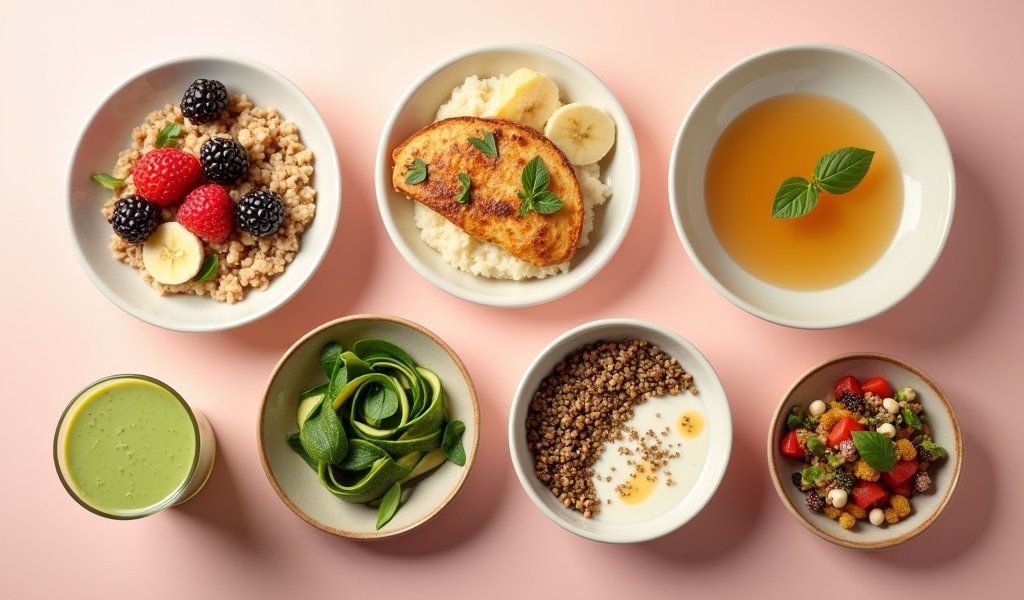
Meal #1: Salmon and Mashed Potato Bowl
This nourishing bowl combines anti-inflammatory omega-3 rich salmon with easily digestible mashed potatoes for a meal that’s both satisfying and gentle on the digestive system.
Ingredients:
- 4 oz baked salmon fillet, skin and bones removed
- 1/2 cup mashed potatoes (made with low-fat milk)
- 1 tablespoon fresh dill, finely chopped (optional)
- 1 teaspoon olive oil
- Salt to taste (minimal)
Why It Works:
Salmon delivers powerful omega-3 fatty acids that combat inflammation—the hallmark problem in Crohn’s disease. Studies published in the American Journal of Clinical Nutrition have shown that omega-3s can help reduce inflammatory markers in the body.
Potatoes offer a digestible source of energy, potassium, and vitamin C without irritating fiber. Their smooth texture when mashed makes them particularly suitable during flare-ups when roughage needs to be minimized.
For easier digestion, ensure the salmon is thoroughly cooked and flaked. The potatoes should be completely smooth—lumps can be irritating for sensitive digestive tracts. During severe flares, thin the potatoes with additional milk for an even gentler consistency.
Meal #2: Healing Bone Broth Chicken Soup
This isn’t your ordinary chicken soup—it’s a therapeutic liquid specifically designed to nourish while being exceptionally gentle on inflamed intestines.
Ingredients:
- 2 cups homemade chicken bone broth
- 4 oz shredded chicken breast (well-cooked)
- 1/2 cup carrots, peeled and very well-cooked
- 1/4 cup white rice, fully cooked until soft
- 1 teaspoon fresh thyme (optional)
- Salt to taste (minimal)
Why It Works:
Bone broth contains collagen, gelatin, and amino acids like glutamine that support gut health. These compounds may help heal the intestinal lining—a crucial benefit for Crohn’s patients whose digestive tracts are under constant attack.
The protein from chicken provides essential nutrients without the excessive fat that might trigger symptoms. Well-cooked vegetables deliver nutrients in an easily digestible form, while white rice offers a simple carbohydrate that rarely irritates even during flares.
For maximum benefit, simmer your bone broth for at least 12 hours to extract all the healing compounds. Ensure all vegetables are cooked until extremely soft—almost dissolving into the broth. During severe flares, consider straining out solids completely and sipping just the liquid.
Meal #3: Mediterranean Baked Fish
The Mediterranean diet has long been celebrated for its anti-inflammatory benefits, making this dish particularly suitable for managing Crohn’s symptoms.
Ingredients:
- 5 oz white fish (cod, sole, or tilapia)
- 2 tablespoons olive oil
- 1 clove garlic, minced (omit during flares if sensitive)
- 1 tablespoon fresh lemon juice
- 1 teaspoon dried oregano
- 1/4 cup peeled, seeded, and diced cucumber
- 2 tablespoons peeled and diced tomato (seeds removed)
Why It Works:
The Mediterranean approach emphasizes anti-inflammatory ingredients that help combat the chronic inflammation of Crohn’s disease. Olive oil contains oleocanthal, which has natural anti-inflammatory effects similar to ibuprofen but without the digestive downsides.
White fish provides lean protein that’s typically well-tolerated even during mild flares. It offers essential nutrients without the potential digestive challenges of red meat or fattier fish varieties.
Bake the fish until it flakes easily with a fork. For easier digestion, remove all skin before eating. During active flares, consider eliminating the fresh vegetables entirely or cooking them thoroughly. Keep seasonings minimal during sensitive periods.
Meal #4: Nutrient-Rich Vegetable Bisque
Getting adequate nutrition while avoiding fiber can be challenging with Crohn’s, but this silky bisque offers a brilliant solution by providing vegetable nutrients in a form that’s gentle on the digestive tract.
Ingredients:
- 1 cup peeled and diced butternut squash
- 1/2 cup peeled and diced carrots
- 1/4 cup peeled and diced zucchini (seeds removed)
- 2 cups chicken or vegetable broth (low-sodium)
- 2 tablespoons olive oil
- 1/4 cup lactose-free cream or coconut cream
- Salt to taste (minimal)
Why It Works:
Pureeing well-cooked vegetables breaks down the fiber that can irritate Crohn’s-affected intestines while preserving valuable nutrients. This allows you to benefit from vegetable nutrition without the mechanical irritation that raw or even cooked whole vegetables can cause.
Butternut squash delivers beta-carotene and other antioxidants that support healing, while carrots provide additional vitamins and minerals. The healthy fats from olive oil and cream help with nutrient absorption and add calories that many Crohn’s patients desperately need.
Cook all vegetables until extremely tender before blending thoroughly. For those with severe symptoms, consider straining through a fine-mesh sieve for the smoothest texture. During flares, start with just butternut squash alone, then gradually introduce other vegetables as tolerated.
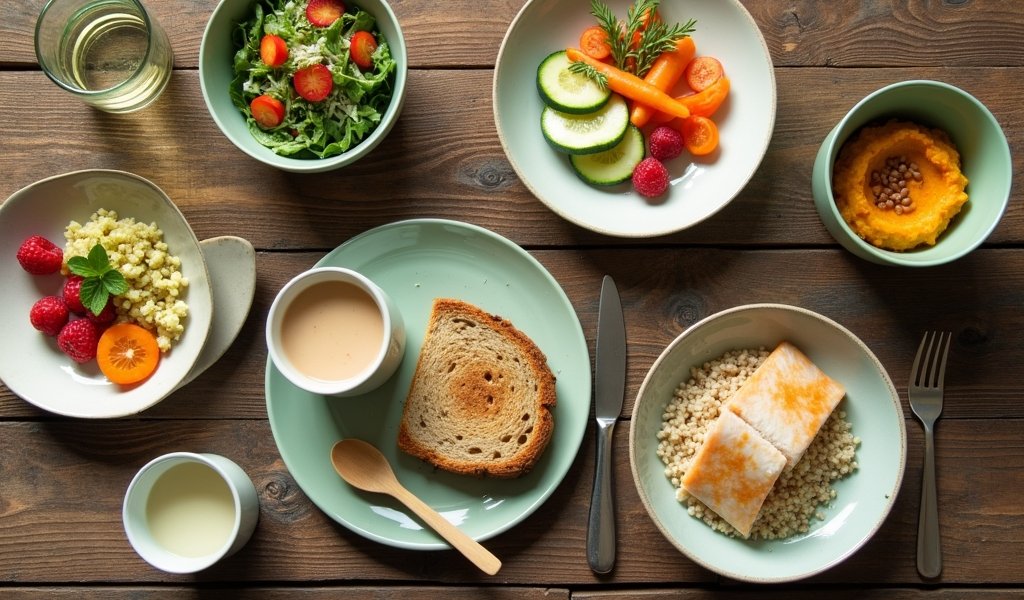
Meal #5: Tender Turkey and Rice Bowl
This simple but effective bowl delivers lean protein and easily digestible carbohydrates—a foundational meal for many Crohn’s patients that provides sustenance without irritation.
Ingredients:
- 4 oz ground turkey, cooked thoroughly
- 1/2 cup white rice, well-cooked
- 1 tablespoon olive oil
- 1 teaspoon fresh thyme (optional)
- Salt to taste (minimal)
Why It Works:
Crohn’s patients often struggle with protein deficiency due to poor absorption and dietary restrictions. Lean turkey provides essential amino acids without the excessive fat that can trigger symptoms, supporting tissue repair throughout the body, including the damaged intestinal tissue.
White rice offers a simple carbohydrate that’s well-tolerated by most people with Crohn’s, even during flares. Unlike brown rice, it lacks the fibrous outer layer that can irritate an inflamed digestive tract.
Cook the turkey until very tender, breaking it into small pieces for easier digestion. The rice should be slightly overcooked—almost porridge-like in consistency. Adding a small amount of bone broth to the rice can improve both flavor and digestibility for particularly sensitive periods.
Meal #6: Gentle Smoothie Bowl Breakfast
Mornings can be particularly challenging with Crohn’s disease, making this gentle yet nutritious option ideal for starting your day with adequate nutrition.
Ingredients:
- 1/2 frozen banana
- 1/4 cup frozen blueberries (if tolerated)
- 1 tablespoon smooth almond or peanut butter
- 1/2 cup lactose-free yogurt
- 1/4 cup lactose-free milk or almond milk
- 1 teaspoon honey (optional)
- 1 tablespoon ground flaxseed (only during remission)
Why It Works:
The blended nature of smoothie bowls gives your digestive system a head start, essentially pre-digesting your breakfast. This requires less work from your intestines, which is particularly beneficial when they’re inflamed and struggling.
Bananas offer potassium and easily digestible carbohydrates, while smooth nut butter provides protein and healthy fats without rough textures. The yogurt contributes calcium and probiotics, which some studies suggest may benefit gut health in Crohn’s patients.
Blend all ingredients until completely smooth. During flares, omit the flaxseed and berries, focusing just on banana, nut butter, and yogurt. For severe symptoms, consider straining the smoothie through a fine-mesh sieve to remove any remaining fiber particles.
Meal #7: Comforting Gluten-Free Pasta
When you’re craving comfort food but need to be mindful of triggers, this dish offers a satisfying alternative that feels like a treat without the aftermath.
Ingredients:
- 1/2 cup cooked gluten-free pasta (rice, corn, or quinoa-based)
- 3 oz shredded chicken breast
- 2 tablespoons olive oil
- 1 tablespoon grated Parmesan (if tolerated)
- 1 teaspoon dried basil
- Salt to taste (minimal)
Why It Works:
While many Crohn’s patients aren’t technically gluten-intolerant, gluten-free options are often gentler on the digestive system. Carbohydrates provide essential energy, especially important for Crohn’s patients who may struggle with unintentional weight loss and fatigue.
The simple olive oil dressing adds anti-inflammatory benefits while avoiding the potentially irritating ingredients in commercial pasta sauces like seeds, chunks of vegetables, or spices.
Cook pasta beyond the al dente stage until very soft for easier digestion. Choose smaller pasta shapes like elbow macaroni rather than long strands like spaghetti, which can be more challenging to digest. During severe flares, consider blending the pasta dish into a soup-like consistency for even gentler digestion.
Practical Meal Planning Strategies
Living with Crohn’s requires not just knowing what to eat, but strategizing how to ensure you have appropriate foods available, especially during flares when cooking energy is limited.
Batch Cooking for Flare-Ups
Prepare and freeze individual portions of well-tolerated meals when you’re feeling good. These become invaluable when symptoms flare and cooking feels impossible. Label everything clearly with contents and date to make decisions easier during difficult times.
Food Journal Tracking
Maintain a detailed food diary that records not just what you eat, but how you feel afterward. Note quantities, preparation methods, stress levels, and other factors that might impact digestion. This invaluable data helps identify your personal triggers and safe foods.
Adapting for Different Phases
Develop a repertoire of recipes that can be modified based on your symptoms—adding more fiber during remission or removing it during flares. Create a two-column list of “flare foods” and “remission foods” to guide your meal planning based on how you’re feeling.
Emergency Food Kit
Maintain a supply of non-perishable, easy-to-digest foods for days when symptoms are severe or grocery shopping isn’t possible. Include items like instant mashed potatoes, canned peeled fruits, rice cakes, and bone broth that require minimal preparation.
Conclusion
Managing Crohn’s disease through diet is less about following a rigid rulebook and more about discovering your body’s unique language. The seven meals outlined in this guide provide a foundation to build upon as you learn what works for your specific situation.
Remember that dietary management is most effective when used alongside medical treatment under the guidance of healthcare professionals. Your gastroenterologist, registered dietitian, and primary care physician form your support team in navigating this complex condition.
While Crohn’s disease presents significant challenges, thoughtful meal planning can dramatically improve your quality of life. Be patient with yourself during this process—finding your optimal dietary approach takes time and persistence, but the relief it brings is worth the effort.
The journey to managing Crohn’s through diet may not be straightforward, but each meal that nourishes without causing pain represents a victory. By implementing the strategies in this guide and working closely with healthcare providers, you can develop a personalized approach that helps you thrive despite Crohn’s disease.
Frequently Asked Questions
What foods should I absolutely avoid with Crohn’s disease?
While triggers vary by individual, most people with Crohn’s should avoid high-fiber foods, spicy dishes, dairy products, fatty fried foods, alcohol, and caffeine during flares. Work with a dietitian to identify your specific triggers through an elimination diet approach.
Can I eat fruits and vegetables with Crohn’s?
Many people with Crohn’s can tolerate well-cooked, peeled, and seedless fruits and vegetables, especially when pureed. Raw produce is typically more problematic during flares, but may be tolerated during remission.
Is the Crohn’s diet the same as the IBD diet?
Crohn’s disease is one type of Inflammatory Bowel Disease (IBD), so there’s significant overlap in dietary approaches. However, since Crohn’s can affect any part of the digestive tract while ulcerative colitis (another IBD) only affects the colon, some dietary considerations may differ.
How can I get enough nutrition when so many foods trigger my symptoms?
Focus on nutrient-dense foods that you tolerate well and consider working with a dietitian who specializes in IBD. In some cases, liquid nutritional supplements or temporarily switching to elemental diets may be necessary to overcome severe nutritional deficiencies.
Can diet alone manage Crohn’s disease?
Diet is an important component of Crohn’s management but typically cannot replace medical treatment. The most effective approach combines appropriate medications, dietary management, stress reduction, and sometimes surgical interventions as recommended by your healthcare team.
Pingback: Can Getting Sick Delay Your Period? 5 Proven Recovery Tips - achievehealthgoals.com