

Overview
This article provides essential guidance on sugar glider nutrition, detailing their need for a balanced diet of proteins (25-30%), fruits (25%), vegetables (20%), nectar replacer (15%), and calcium supplements (5-10%), along with a consistent feeding schedule and awareness of dangerous foods to avoid. Proper nutrition supports these exotic pets’ health, preventing conditions like metabolic bone disease and potentially extending their lifespan to 12-15 years when their specialized dietary needs are met.
Table of Contents
- Understanding Sugar Glider Nutrition: The Foundation of Health
- Essential Components of a Balanced Sugar Glider Diet
- Protein Sources: The Building Blocks for Your Sugar Glider
- Fresh Fruits and Vegetables: Nature’s Vitamins for Sugar Gliders
- Supplements and Calcium: Supporting Optimal Health
- Creating the Perfect Feeding Schedule
- Dangerous Foods: What to Keep Away from Your Sugar Glider
- Conclusion
- Frequently Asked Questions
Understanding Sugar Glider Nutrition: The Foundation of Health
A proper sugar glider diet is the cornerstone of these enchanting pocket pets’ wellbeing. As an exotic veterinary nutritionist with over a decade of experience, I’ve witnessed firsthand how nutrition dramatically influences these delicate marsupials’ vitality, lifespan, and happiness. Sugar gliders in the wild consume a diverse menu of tree sap, nectar, insects, and small amounts of fruit—a complexity that we must thoughtfully recreate in captivity.
These fascinating nocturnal creatures have specialized nutritional requirements that differ significantly from common household pets. Their unique metabolism and digestive system demand a carefully balanced intake of proteins, calcium, and phosphorus. Without this balance, sugar gliders can develop devastating conditions like metabolic bone disease, which causes painful deformities and can be life-threatening.
The journey to optimal sugar glider health begins with understanding their natural dietary patterns. These arboreal marsupials are omnivorous opportunists, consuming approximately 75% plant-based foods and 25% protein-rich insects in their native Australian habitats. This evolutionary blueprint serves as our guide for creating a nourishing captive diet.
Essential Components of a Balanced Sugar Glider Diet
Creating a nutritionally complete sugar glider diet requires attention to several critical components. Each element plays a vital role in supporting your glider’s robust health and boundless energy. A well-formulated diet prevents common ailments and promotes longevity in these delicate companions.
The foundation of a healthy sugar glider diet includes:
- Protein sources (25-30%) – Including high-quality insects and carefully selected protein supplements
- Fresh fruits (25%) – Providing natural sugars, fiber, and essential vitamins
- Vegetables (20%) – Delivering crucial minerals and additional vitamins
- Commercial nectar replacer (15%) – Mimicking the tree sap and nectar consumed in the wild
- Calcium supplements (5-10%) – Ensuring proper bone development and preventing metabolic bone disease
Balance is the key word when designing your sugar glider’s menu. Too much protein can strain their kidneys, while insufficient calcium leads to brittle bones. Similarly, excessive fruit consumption may cause dangerous blood sugar fluctuations and obesity. The perfect diet walks this nutritional tightrope with precision.
Protein Sources: The Building Blocks for Your Sugar Glider
Protein forms the architectural framework of your sugar glider’s physical development. These nimble marsupials require high-quality protein sources to maintain their muscular agility and support their remarkable leaping abilities. In the wild, they would hunt various insects with remarkable precision, consuming approximately 15-20 insects nightly.
The most beneficial protein sources for captive sugar gliders include:
- Mealworms – Rich in protein but should be limited to 2-3 daily due to their high fat content
- Crickets – An excellent low-fat protein source that can be offered 3-5 times weekly
- Boiled chicken – A lean protein that should be unseasoned and offered in tiny portions twice weekly
- Boiled eggs – Providing complete protein with all essential amino acids, offered once weekly
When offering live insects, consider “gut-loading” them 24 hours before feeding by providing them nutritious food that will ultimately benefit your sugar glider. This simple step significantly enhances the nutritional value of each tiny morsel your pet consumes.
Research published in the Journal of Exotic Pet Medicine indicates that sugar gliders benefit from protein sources containing a complete amino acid profile. This supports not only their muscular development but also their immune function and overall resilience.
Fresh Fruits and Vegetables: Nature’s Vitamins for Sugar Gliders
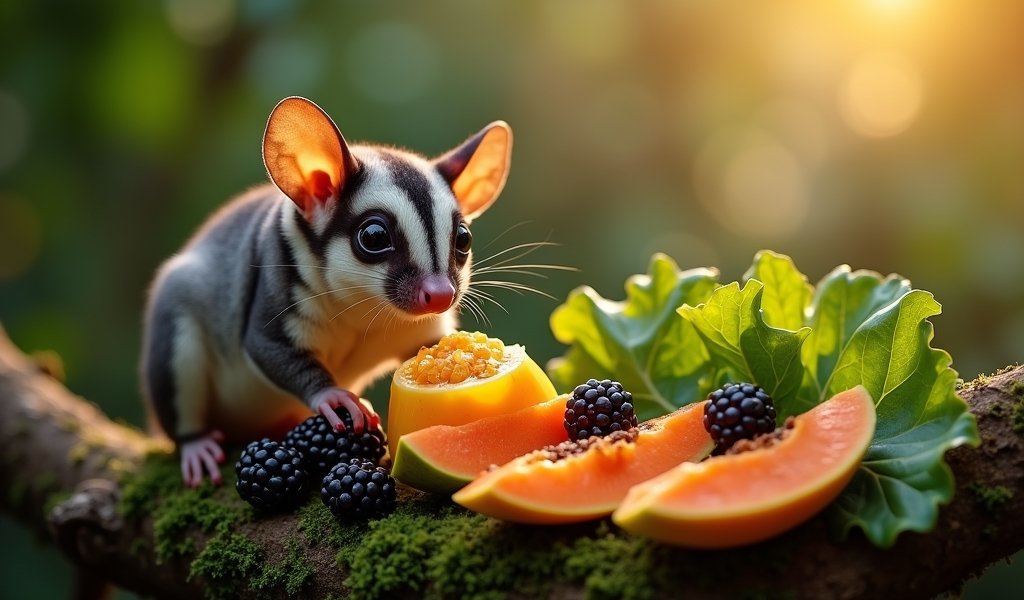
Vibrant fruits and vegetables provide a rainbow of phytonutrients essential for your sugar glider’s thriving health. These colorful foods deliver natural vitamins, minerals, and antioxidants that support everything from immune function to visual acuity. The natural sugars in fruits also satisfy your sugar glider’s evolutionary preference for sweet tastes.
When selecting produce for your sugar glider, prioritize variety and nutritional density:
- Papaya and mango – Bursting with beta-carotene and vitamins A and C
- Berries (blueberries, strawberries) – Packed with antioxidants and lower in sugar than many fruits
- Melon – Hydrating and containing essential electrolytes
- Kale and collard greens – Rich in calcium and vitamin K
- Bell peppers – Containing more vitamin C than oranges
- Sweet potato (cooked) – Providing beta-carotene and complex carbohydrates
Always serve fruits and vegetables in tiny, appropriately-sized portions—think pea-sized or smaller. This prevents waste and ensures your sugar glider can comfortably manage each morsel. Fresh is best, but frozen (thawed) options work well when fresh produce is unavailable.
According to veterinary nutritionists at the American Veterinary Medical Association, rotating through at least 8-10 different fruits and vegetables weekly helps prevent nutritional deficiencies and keeps your sugar glider engaged with their food.
Supplements and Calcium: Supporting Optimal Health
Strategic supplementation forms a crucial component of comprehensive sugar glider nutrition. Even the most carefully crafted diet may have nutritional gaps that supplements can bridge. Chief among these concerns is the calcium-phosphorus ratio, which must be maintained at approximately 2:1 to prevent metabolic bone disease.
Essential supplements for most sugar gliders include:
- Calcium powder – Dusted lightly on food 3-4 times weekly
- Nectar replacer – Commercially available products that simulate tree sap nutrients
- Multivitamin formulated for sugar gliders – Used sparingly according to package directions
- Bee pollen – A natural supplement rich in amino acids and micronutrients
Be vigilant for signs of calcium deficiency, which include weakness in the hind legs, trembling, and difficulty climbing. These symptoms demand immediate veterinary attention and nutritional intervention. With proper calcium supplementation, these distressing conditions are entirely preventable.
Research from the Journal of Veterinary Sciences demonstrates that appropriate calcium supplementation significantly reduces the incidence of metabolic bone disease in captive sugar gliders, extending their healthy lifespan by as much as 3-5 years.
Creating the Perfect Feeding Schedule
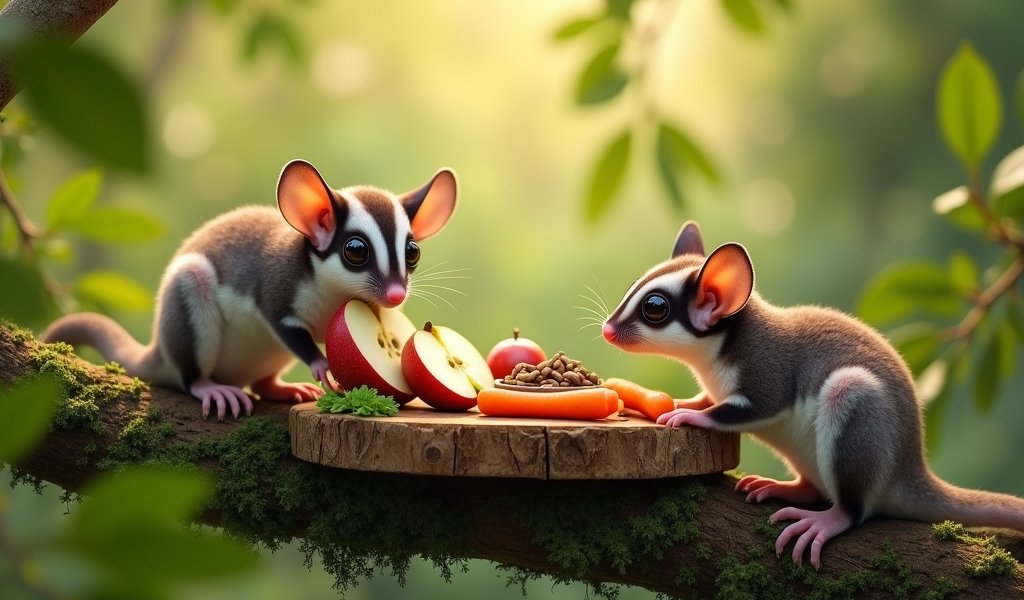
Establishing a consistent feeding routine harmonizes with your sugar glider’s natural behavioral patterns. These nocturnal creatures have evolved to forage and feed during evening hours, and respecting this biological rhythm promotes both physical health and psychological wellbeing.
An optimal feeding schedule typically includes:
- Main meal (evening, around 7-8pm) – Fresh protein sources, vegetables, and fruits
- Secondary feeding (late night, optional) – Small portion of nectar replacer or fruits
- Fresh water – Available at all times, changed daily
Portion control is absolutely critical for these diminutive marsupials. An adult sugar glider typically consumes only about 15-20% of their body weight daily—equivalent to roughly 1-2 tablespoons of food. Overfeeding leads to obesity and related health complications, while underfeeding compromises their immune function.
Remove uneaten fresh food within 24 hours to prevent bacterial growth and contamination. This simple habit prevents digestive upsets and maintains a sanitary habitat. Consistency in feeding times helps establish a trusting relationship with your sugar glider, as they begin to associate your presence with positive experiences.
Dangerous Foods: What to Keep Away from Your Sugar Glider
Certain foods pose serious—even fatal—risks to sugar gliders. Understanding these dangers is just as important as knowing what to feed. Their sensitive digestive systems and unique metabolism make them vulnerable to toxins that might be harmless to other pets.
Never feed your sugar glider these potentially harmful items:
- Chocolate and caffeine – Contains theobromine, which can cause fatal cardiac issues
- Dairy products – Sugar gliders are lactose intolerant, leading to severe digestive distress
- Onions and garlic – Contains compounds that can damage red blood cells
- Avocado – Contains persin, toxic to many small mammals
- Raw or undercooked meat – May harbor dangerous bacteria
- Citrus fruits – Too acidic for their digestive system
- Seeds and pits – Present choking hazards and may contain cyanide compounds
- Foods with preservatives or artificial colors – Can accumulate in their system and cause long-term damage
Additionally, avoid foods with added salt, sugar, or spices. These ingredients offer no nutritional benefit and can disrupt your sugar glider’s delicate electrolyte balance. When in doubt about a particular food’s safety, consult with an exotic animal veterinarian before offering it to your precious pet.
Conclusion
A thoughtfully crafted sugar glider diet stands as the foundation of these enchanting marsupials’ health and happiness. By carefully balancing proteins, fruits, vegetables, and supplements, you provide your tiny companion with the nutritional framework for a vibrant, active life. Remember that these specialized exotic pets evolved with specific dietary needs that we must honor in captivity.
The effort invested in proper nutrition pays remarkable dividends in your sugar glider’s quality of life. A well-fed sugar glider displays glossy fur, bright eyes, boundless energy, and engaging social behaviors. Perhaps most importantly, appropriate nutrition significantly extends their lifespan, potentially allowing for 12-15 years of joyful companionship rather than the shortened lives often seen with nutritionally compromised animals.
As with any exotic pet, continue to research and consult with specialized veterinarians to refine your understanding of sugar glider nutrition. Science advances constantly, and staying informed allows you to provide the absolute best care for your diminutive marsupial friend. Your sugar glider’s health reflects your dedication to meeting their unique dietary needs.
Frequently Asked Questions
How much food should I feed my sugar glider daily?
Adult sugar gliders typically need 1-2 tablespoons of food daily, representing about 15-20% of their body weight. Divide this amount between their main evening meal and any supplemental feedings.
Can sugar gliders eat cat or dog food?
Commercial cat and dog foods are inappropriate for sugar gliders due to incorrect nutrient ratios and additives. They lack essential nutrients sugar gliders need and contain potentially harmful ingredients.
How often should I change my sugar glider’s diet?
Maintain consistent core nutrition while rotating through various fruits and vegetables weekly for nutritional diversity. Major dietary changes should be gradual to prevent digestive upset.
Why is my sugar glider not eating?
Loss of appetite can indicate illness, stress, dental problems, or food preferences. If your sugar glider refuses food for more than 24 hours, consult a veterinarian immediately as they have high metabolisms.
Do sugar gliders need vitamin supplements?
Most sugar gliders benefit from calcium supplementation and occasional multivitamins specifically formulated for their species. Over-supplementation can be harmful, so follow recommended guidelines carefully.