

Overview
Cucumbers support weight loss through their impressive 96% water content, extremely low calorie profile (16 calories per cup), fiber content, and beneficial nutrients that promote hydration, satiety, and metabolism. Strategic consumption of cucumbers—before meals to reduce overall calorie intake, as substitutes for higher-calorie foods, and in various recipes—can create a significant calorie deficit while providing essential nutrition and helping regulate blood sugar levels.
Table of Contents
- Introduction to Cucumber Nutrition Facts
- Hydration Hero: Water Content in Cucumbers
- The Low-Calorie Champion
- Fiber Content for Digestive Health
- Essential Vitamins and Minerals
- Antioxidant Properties
- Metabolism-Boosting Effects
- Blood Sugar Regulation
- Weight Loss Friendly Cucumber Recipes
- Best Times to Eat Cucumbers for Weight Loss
- Conclusion
- Frequently Asked Questions
Introduction to Cucumber Nutrition Facts
When it comes to weight loss, few foods offer the perfect combination of hydration, nutrients, and minimal calories that cucumbers provide. Cucumber nutrition facts reveal why this humble vegetable deserves star status in any weight management plan. As a nutritionist with over a decade of experience, I’ve seen firsthand how incorporating cucumbers into daily eating patterns can transform weight loss journeys.
Cucumbers belong to the same family as melons and squashes (Cucurbitaceae), and their refreshing crunch has been valued for thousands of years. What makes cucumbers particularly special is their impressive nutrient profile despite their extremely low calorie content. This green vegetable is roughly 96% water, making it one of nature’s most hydrating foods while delivering essential vitamins, minerals, and plant compounds.
In this comprehensive guide, we’ll explore ten evidence-backed cucumber nutrition facts that can accelerate your weight loss efforts. Whether you’re just starting your health journey or looking to optimize your current routine, understanding these cucumber benefits will give you powerful tools to achieve your goals more efficiently and deliciously.
Hydration Hero: Water Content in Cucumbers
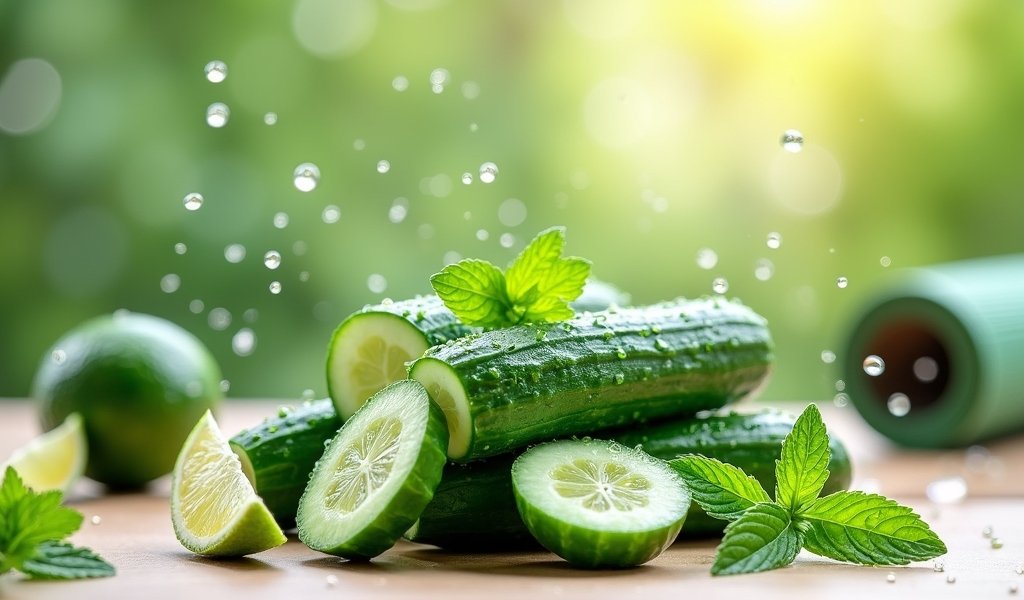
The first remarkable cucumber nutrition fact is its extraordinary water content – a whopping 96%. This makes cucumbers nature’s hydration champions and a secret weapon for weight loss. Many people confuse thirst with hunger, leading to unnecessary calorie consumption when what their body actually craves is hydration.
Proper hydration is fundamental to weight loss success. When you’re well-hydrated, your metabolism functions optimally, and your body can more efficiently process nutrients and eliminate waste products. Research published in the American Journal of Clinical Nutrition shows that increasing water intake can enhance metabolic rate by up to 30% for about an hour.
Cucumbers provide what I call “structured water” – water that’s bound within the vegetable’s cellular matrix along with electrolytes and nutrients. This means the hydration from cucumbers is absorbed more gradually than plain water, providing sustained hydration. For my clients pursuing weight loss goals, I often recommend starting meals with cucumber slices or cucumber-infused water to promote fullness and prevent overeating during the main course.
The Low-Calorie Champion
Perhaps the most celebrated cucumber nutrition fact for weight loss enthusiasts is its incredibly low calorie content. A full cup of cucumber slices contains just 16 calories – making it one of the lowest-calorie foods available. This allows for generous portions without derailing your calorie goals.
The caloric math is simple yet powerful: replacing higher-calorie ingredients with cucumbers creates an immediate calorie deficit. For example, swapping 1 cup of potato salad (approximately 358 calories) with a refreshing cucumber salad can save you over 300 calories in a single meal.
But unlike many low-calorie foods that leave you wanting more, cucumbers provide satisfying crunch and volume. The combination of water, fiber, and the physical act of chewing sends satiety signals to your brain. This volume-to-calorie ratio is what nutritionists call “caloric density,” and foods with low caloric density like cucumbers allow you to eat satisfying portions while maintaining your weight loss momentum.
I often suggest using cucumber slices as alternatives to chips, crackers, or bread in various meals and snacks. Cucumber rounds make excellent bases for toppings that would normally go on higher-calorie crackers when enjoying Mediterranean recipes or appetizers.
Fiber Content for Digestive Health
The fiber content in cucumbers delivers significant benefits for weight management. A medium cucumber with peel contains about 2 grams of fiber, primarily in the form of insoluble fiber with some soluble fiber as well. While this might not seem impressive compared to fiber powerhouses like beans or whole grains, it’s substantial considering the extremely low calorie content.
Insoluble fiber acts as nature’s broom, sweeping through your digestive tract to promote regularity and prevent constipation. This is crucial for weight management as constipation can cause bloating, discomfort, and temporary weight gain. The soluble fiber in cucumbers forms a gel-like substance in your digestive system that slows digestion and promotes feelings of fullness.
Fiber also plays a role in feeding beneficial gut bacteria. Emerging research suggests that the balance of gut microbiota influences weight regulation and metabolism. A study published in the Nature journal demonstrated that certain gut bacteria compositions are associated with obesity, while others are linked to leanness.
For maximum fiber benefits, I recommend consuming cucumbers with their peels intact. The peel contains much of the fiber along with beneficial nutrients. If you’re concerned about pesticides, choose organic cucumbers or wash conventional ones thoroughly with a produce wash.
Essential Vitamins and Minerals
While cucumbers may not be nutritional powerhouses compared to deeply colored vegetables, their vitamin and mineral content supports overall health and weight management. They contain vitamins K, C, and various B vitamins, along with essential minerals including magnesium, potassium, manganese, and silica.
Vitamin K in cucumbers (about 19% of the daily value in one cup) supports bone health and proper blood clotting. Vitamin C, while present in modest amounts (about 4% of the daily value per cup), contributes to immune function and collagen production. The B vitamins in cucumbers support energy metabolism – essential when you’re in a caloric deficit for weight loss.
The mineral profile of cucumbers further supports weight management. Potassium helps balance sodium levels and reduce water retention, which can mask weight loss progress. Magnesium supports over 300 biochemical reactions in the body, including those involved in energy production and glucose metabolism.
Perhaps most interesting is cucumbers’ silica content. This trace mineral supports connective tissue health, which becomes especially important during weight loss as your skin needs to adapt to your changing body shape. Including silica-rich foods like cucumbers in your diet may help maintain skin elasticity during weight loss.
Antioxidant Properties
Cucumbers contain various antioxidants including flavonoids, lignans, and triterpenes that provide benefits beyond basic nutrition. These plant compounds help combat oxidative stress – an imbalance between free radicals and antioxidants in the body that can contribute to inflammation and weight gain.
Chronic inflammation is increasingly recognized as a factor in obesity and metabolic disorders. The antioxidants in cucumbers, particularly flavonoids like quercetin, kaempferol, and apigenin, have anti-inflammatory properties. By reducing inflammation, these compounds may help improve cellular function and metabolic processes that support weight management.
Cucumbers also contain lignans, plant compounds that have been studied for their potential effects on cardiovascular health. Maintaining heart health is particularly important during weight loss, as cardiovascular exercise is often a key component of successful weight management programs.
For maximum antioxidant benefits, consume cucumbers fresh rather than pickled. The pickling process can reduce the antioxidant content significantly. Also, much of the antioxidant content is concentrated in the peel and seeds, so consume the whole cucumber when possible.
Metabolism-Boosting Effects
Several cucumber nutrition facts point to potential metabolism-boosting effects. While no single food can dramatically increase metabolism, cucumbers contain compounds that may support optimal metabolic function – particularly important during weight loss efforts.
Cucumbers contain compounds called cucurbitacins, which have been studied for their potential biological activities. Some preliminary research suggests these compounds may influence fat metabolism, though more human studies are needed to confirm these effects. Additionally, the vitamin C in cucumbers, though modest, supports the production of carnitine – a compound that helps the body convert fat into energy.
The combination of water and nutrients in cucumbers also supports metabolic function indirectly. Dehydration can slow metabolism by as much as 3%, according to some research. By keeping your cells well-hydrated, cucumber consumption supports optimal metabolic processes.
I often recommend enjoying a cucumber salad before workouts to provide hydration and light nutrition that won’t weigh you down. The natural electrolytes in cucumbers, including potassium and magnesium, support proper muscle function during exercise – allowing you to maximize your calorie burn and metabolic boost from physical activity.
Blood Sugar Regulation
Blood sugar stability is crucial for successful weight management, and cucumber nutrition facts reveal several ways this vegetable supports healthy glucose metabolism. With a glycemic index of just 15, cucumbers have minimal impact on blood sugar levels, making them an excellent choice for those monitoring their glucose response.
Several compounds in cucumbers, including sterols and triterpenes, have been studied for their potential role in blood sugar regulation. A study published in the Journal of Food Science found that cucumber extract had moderate hypoglycemic effects in animal models.
Stable blood sugar levels translate to more consistent energy and fewer cravings – both valuable assets during weight loss. The high water and fiber content of cucumbers also slows the absorption of any sugars they contain, further supporting blood sugar stability.
For those following a Mediterranean diet breakfast plan or other health-focused eating approach, adding cucumber to meals can help temper the glycemic response of the entire meal. I often suggest adding cucumber slices to balance higher-carbohydrate foods – their water and fiber content helps moderate the overall glycemic impact.
Weight Loss Friendly Cucumber Recipes
Leveraging cucumber nutrition facts in your kitchen can transform your weight loss journey. Here are some of my favorite cucumber-centric recipes that my clients find both satisfying and effective for weight management:
- Cucumber Gazpacho: Blend cucumbers with green peppers, garlic, a touch of olive oil, and herbs for a refreshing cold soup that makes an excellent light meal or appetizer.
- Greek Cucumber Salad: Combine cucumber, red onion, tomatoes, olives, and a small amount of feta with lemon juice and herbs for a Mediterranean-inspired dish with only about 120 calories per serving.
- Cucumber Roll-Ups: Use thin cucumber slices instead of tortillas to wrap around hummus, lean protein, and vegetables for a low-carb lunch option.
- Cucumber-Mint Water: Infuse your water with cucumber slices and fresh mint to encourage greater fluid consumption throughout the day.
- Cucumber Tzatziki: Make a lighter version of this Greek yogurt dip with plenty of grated cucumber, garlic, and herbs to enjoy with vegetables or as a sauce for lean proteins.
The beauty of cucumbers is their versatility – they can be incorporated into virtually any meal or snack. Their mild flavor makes them adaptable to both savory and slightly sweet preparations. For those with a sweet tooth, cucumber can even be added to fruit-based smoothies for added volume without changing the flavor profile significantly.
I encourage experimenting with cucumber as a substitute for higher-calorie ingredients. Try cucumber noodles instead of pasta, cucumber rounds instead of crackers, or cucumber boats instead of potato skins. These simple swaps can create substantial calorie deficits over time.
Best Times to Eat Cucumbers for Weight Loss
Strategic timing of cucumber consumption can maximize their weight management benefits. While cucumbers are beneficial any time of day, certain timing approaches may enhance their weight loss potential.
Starting meals with cucumber has shown particular promise. Research from the University of California found that consuming a low-calorie vegetable soup (similar in principle to eating cucumber slices) before a meal reduced total calorie intake by up to 20%. The water and fiber in cucumbers help initiate the satiety cascade before you even begin your main course.
Mid-afternoon cucumber snacks can help bridge the hunger gap between lunch and dinner – often a vulnerable time for impulsive eating. The hydration and crunch factor make cucumber a satisfying option that’s virtually impossible to overeat.
Evening cucumber consumption also offers unique benefits. The natural diuretic properties of cucumbers may help reduce nighttime bloating. Additionally, their high water content satisfies the desire to eat something before bed without adding significant calories or disrupting sleep with heavy digestion.
For those who exercise regularly, consuming cucumber shortly after workouts provides needed hydration along with potassium and other electrolytes lost during sweating. This supports recovery without undoing the caloric deficit created during exercise.
Conclusion
Cucumber nutrition facts reveal why this unassuming vegetable deserves a prominent place in any weight loss plan. From impressive hydration benefits and negligible calorie content to metabolic support and blood sugar regulation, cucumbers offer multifaceted advantages for those seeking to manage their weight effectively.
What makes cucumbers particularly valuable is their accessibility, affordability, and versatility. Unlike many specialized “superfoods,” cucumbers are available year-round in most grocery stores at reasonable prices. They require minimal preparation and can be incorporated into countless dishes or enjoyed on their own.
As with any nutritional approach to weight management, consistency is key. Rather than viewing cucumbers as a miracle food, consider them a valuable tool in your overall strategy – one that can create substantial calorie deficits while providing essential nutrition when used regularly to replace higher-calorie alternatives.
I encourage you to experiment with different cucumber varieties, preparation methods, and meal combinations to discover what works best for your preferences and lifestyle. By making cucumbers a regular part of your eating pattern, you’ll be leveraging solid nutritional science in a practical, delicious way that supports your weight management goals for the long term.
Frequently Asked Questions
How many calories are in a cucumber?
A medium cucumber (approximately 8 inches long) contains only about 45 calories. A cup of sliced cucumber has even fewer – around 16 calories.
Is it better to eat cucumbers with or without the peel for weight loss?
Eating cucumbers with the peel provides maximum fiber and nutrients for weight loss. The peel contains much of the fiber and many of the antioxidants, though you should wash thoroughly or choose organic if pesticides are a concern.
Can eating cucumbers help reduce belly fat?
Cucumbers can support overall weight loss including reduction of belly fat by creating a calorie deficit and reducing bloating. However, spot reduction is not possible, and cucumbers work best as part of a comprehensive weight management plan.
When is the best time to eat cucumber for weight loss?
Eating cucumber before meals can help reduce overall calorie intake by promoting fullness. Cucumber is also excellent as a low-calorie snack between meals to curb hunger without adding significant calories.
How much cucumber should I eat daily for weight loss benefits?
There’s no strict requirement, but consuming 1-2 cups of cucumber daily can provide hydration, fiber, and nutrient benefits that support weight loss. The key is using cucumber to replace higher-calorie foods in your diet consistently.