

Overview
This article explores pizza nutrition, offering practical advice for enjoying pizza while maintaining health goals through choices like thin crusts, vegetable toppings, portion control, and mindful eating practices. It covers calorie content, nutritional breakdown, tips for healthier choices, homemade alternatives, options for special diets, and emphasizes that pizza can be part of a balanced diet when approached with knowledge and moderation.
Table of Contents
- Understanding Pizza Nutrition: The Good, The Bad, and The Cheesy
- Calories in Pizza: What’s Really on Your Plate
- Nutritional Breakdown: What’s in Your Slice?
- 7 Tips for Healthier Pizza Choices
- Homemade Pizza: Taking Control of Nutrition
- Pizza for Special Diets: Yes, It’s Possible!
- Mindful Pizza Eating: Enjoying Without Overindulging
- Conclusion
- Frequently Asked Questions
Understanding Pizza Nutrition: The Good, The Bad, and The Cheesy
Let’s be honest – few foods inspire as much joy (and occasional guilt) as a hot, cheesy pizza fresh from the oven. As a registered dietitian who loves food just as much as nutrition science, I’m here to break down pizza nutrition facts in a way that helps you make informed choices without sacrificing pleasure.
Pizza is like that friend who’s both wonderful and challenging – it brings comfort and satisfaction, yet sometimes leaves you wondering if the relationship is entirely healthy. Just as we don’t abandon friends with complex personalities, we don’t need to give up pizza entirely to maintain good health.
But here’s the thing – not all pizzas are created equal. The nutritional profile of a thin-crust veggie pizza is worlds apart from a deep-dish meat lover’s special. Understanding these differences is your first step toward a healthier relationship with this beloved food.
So, grab a napkin (and maybe a small slice), and let’s dive into the world of pizza nutrition facts – where we’ll discover how to satisfy your pizza cravings while still supporting your health goals.
Calories in Pizza: What’s Really on Your Plate
Ever wonder why pizza calories can vary so dramatically? It’s because pizza is essentially a blank canvas, and what goes on that canvas makes all the difference. Let’s break it down.
A standard slice of medium cheese pizza from a chain restaurant typically contains between 200-300 calories. But that’s just the starting point. Add pepperoni? That’s another 30-40 calories per slice. Choose deep dish instead of thin crust? You could be looking at 400+ calories per slice.
The crust alone accounts for about 50-60% of your pizza’s calories. Think of it like the foundation of a house – it determines everything else. A thin-crust pizza might save you 50-100 calories per slice compared to regular crust, while a stuffed crust could add another 100 calories.
Consider this: eating two large slices of pepperoni deep-dish pizza can equal the same calorie content as an entire meal (800-1000 calories). That’s like driving across town when you only needed to go next door – you’ve gone much further than necessary to reach satisfaction.
But don’t despair! Understanding pizza nutrition facts isn’t about eliminating pizza from your life. It’s about making smarter choices that align with your health goals while still enjoying one of life’s great pleasures.
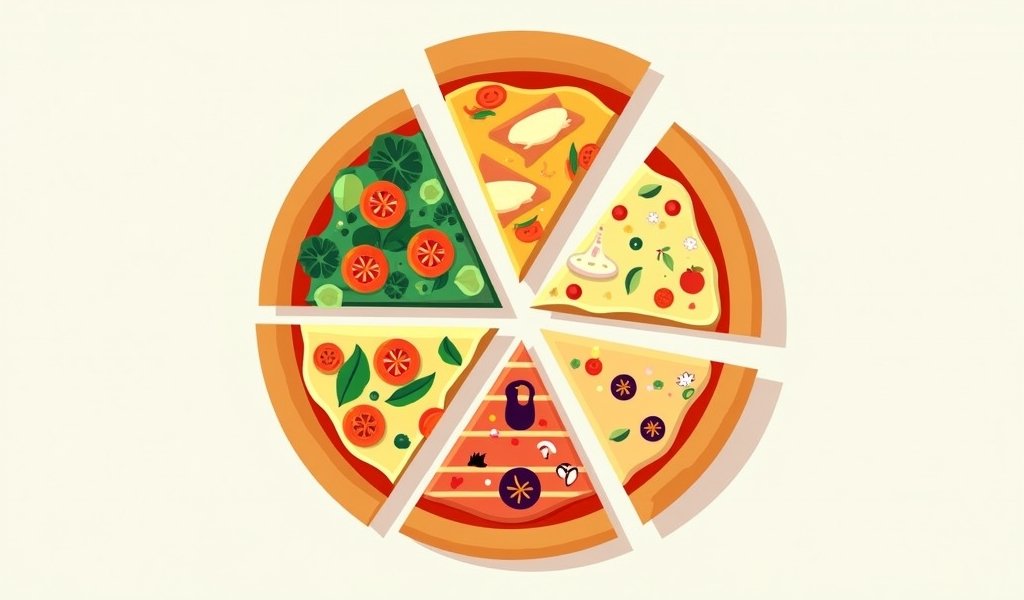
Nutritional Breakdown: What’s in Your Slice?
Beyond calories, what’s actually hiding in your pizza? Let’s pull back the cheese and take a closer look at pizza nutrition facts.
Carbohydrates: A typical slice provides 30-40g of carbs, primarily from the crust. This isn’t inherently bad – carbs are your body’s preferred energy source. But just as a car runs better on premium fuel, your body performs better with complex carbs. That’s why whole grain pizza crusts, though harder to find commercially, offer more nutritional value than their refined white flour counterparts.
Protein: With approximately 10-15g per slice, pizza actually delivers a decent protein punch thanks to cheese and any meat toppings. Protein is the building block for muscle repair and growth – think of it as the construction crew maintaining your body’s infrastructure.
Fat: Here’s where pizza gets complicated. A typical slice contains 10-15g of fat, with about 5-6g being saturated. The cheese, meat toppings, and sometimes the oil in the crust contribute to this fat content. While our bodies need some fat, too much saturated fat is like traffic congestion for your arteries – it can slow everything down and create problems over time.
Sodium: Pizza is a sodium powerhouse, with one slice typically containing 600-700mg – about one-third of your daily recommended intake. The cheese, sauce, and especially processed meat toppings all contribute to this sodium load. Your body needs sodium for proper function, but excess amounts can raise blood pressure in sensitive individuals, according to the American Heart Association.
Calcium: On the positive side, pizza delivers about 20% of your daily calcium needs per slice, supporting bone health. This mineral windfall comes courtesy of the cheese, which is like a calcium delivery system with each bite.
Lycopene: The tomato sauce contains lycopene, a powerful antioxidant linked to reduced cancer risk and heart health benefits. It’s one of pizza’s hidden health heroes, working behind the scenes to protect your cells.
Understanding these pizza nutrition facts helps you see that pizza isn’t nutritionally one-dimensional. Like a complex character in your favorite novel, it has both virtues and flaws. The key is emphasizing the positive while minimizing the negative through thoughtful choices.
7 Tips for Healthier Pizza Choices
Ready to transform your pizza experience? Here are seven expert strategies to enjoy healthier slices without sacrificing flavor:
1. Choose thin crust whenever possible
Thin crust is to pizza what trimming is to a budget – an easy way to cut excess without feeling the pinch. You’ll save 50-100 calories per slice while still enjoying that perfect vehicle for toppings. For an even healthier option, look for whole grain crusts which provide more fiber and nutrients than white flour varieties, similar to how fitness bread offers better nutrition than standard white bread.
2. Load up on vegetable toppings
Think of your pizza as prime real estate – what you choose to build on it matters. Vegetables add flavor, texture, and nutrients while adding minimal calories. Bell peppers, onions, mushrooms, spinach, and arugula not only make your pizza more colorful but also boost its vitamin, mineral, and fiber content. Plus, these nutrient-dense toppings help you feel satisfied with fewer slices.
3. Go easy on the cheese
Cheese is like that friend who’s fun but can get you into trouble. Asking for “light cheese” can save you 50-100 calories per slice. Alternatively, try a mix of full-fat and part-skim mozzarella, or experiment with more flavorful cheeses like feta or goat cheese – a little goes a long way. Some Mediterranean recipes use minimal cheese but maximize flavor with herbs and quality ingredients.
4. Choose lean proteins
If meat on your pizza is non-negotiable, opt for leaner options like grilled chicken, Canadian bacon, or seafood instead of pepperoni, sausage, or bacon. These swaps can cut the fat content by half while still providing satisfying protein. It’s like switching from a gas-guzzling SUV to a more efficient model – you still get where you’re going, just with less consumption.
5. Be sauce-savvy
Traditional tomato sauce is relatively low in calories and rich in lycopene. However, creamy white sauces, BBQ sauce, or buffalo sauce can add significant calories and sodium. When possible, choose red sauce or even a light brush of olive oil with garlic and herbs. These Mediterranean-inspired bases complement a Mediterranean diet breakfast approach to healthy eating.
6. Mind your portions
Even the healthiest pizza can become problematic in large quantities. Here’s a simple strategy: start with a side salad, then enjoy one or two slices of pizza. The fiber-rich salad takes up valuable stomach real estate, helping you feel satisfied with less pizza. It’s like filling your shopping cart with essentials first, leaving less room for impulse purchases.
7. Try cauliflower crust (with caution)
Cauliflower crusts can be a lower-carb alternative, but read labels carefully. Many commercial versions add cheese, oil, and refined flour to improve texture and taste, sometimes making them calorie-equivalent to traditional crusts. The best options are homemade or those with short ingredient lists, where cauliflower is actually the first ingredient. Research shows that plant-based alternatives can help reduce overall caloric intake while increasing vegetable consumption.
Homemade Pizza: Taking Control of Nutrition
Making pizza at home is like being the director of your own culinary movie – you have complete creative control. This approach to pizza nutrition facts puts you in charge of every ingredient that goes into your meal.
Start with the crust – the foundation of your pizza experience. You can experiment with whole wheat flour, which contains more fiber and nutrients than white flour. For those looking to boost protein content, try adding a quarter cup of vital wheat gluten to your dough recipe. Adventurous health enthusiasts might even explore alternatives like chickpea flour or almond flour bases.
The sauce stage offers another opportunity for nutritional enhancement. Traditional tomato sauce is already nutritious, but you can amplify the health benefits by adding pureed vegetables or reducing sodium. Or break tradition entirely with pesto, hummus, or even a thin layer of pureed white beans as your base – each offering unique nutritional advantages.
When it comes to cheese, homemade pizza lets you practice precision. Instead of the heavy cheese blanket found on commercial pizzas, try measuring your cheese by weight (2-3 ounces for a medium pizza) and distributing it strategically. This technique ensures flavor in every bite while controlling fat and calories.
Toppings are where homemade pizza truly shines. Your kitchen probably contains healthier topping options than any pizza chain’s ingredient list. Roasted vegetables, fresh herbs, leftover grilled chicken, or even fruits like pears or figs can transform your pizza into a nutrient-dense meal with complex flavors that delivery pizza can’t match.
The beauty of homemade pizza lies in its educational value too. Children who participate in making pizza develop a better understanding of food and nutrition while learning cooking skills. It’s like planting seeds for a lifetime of healthier eating habits.
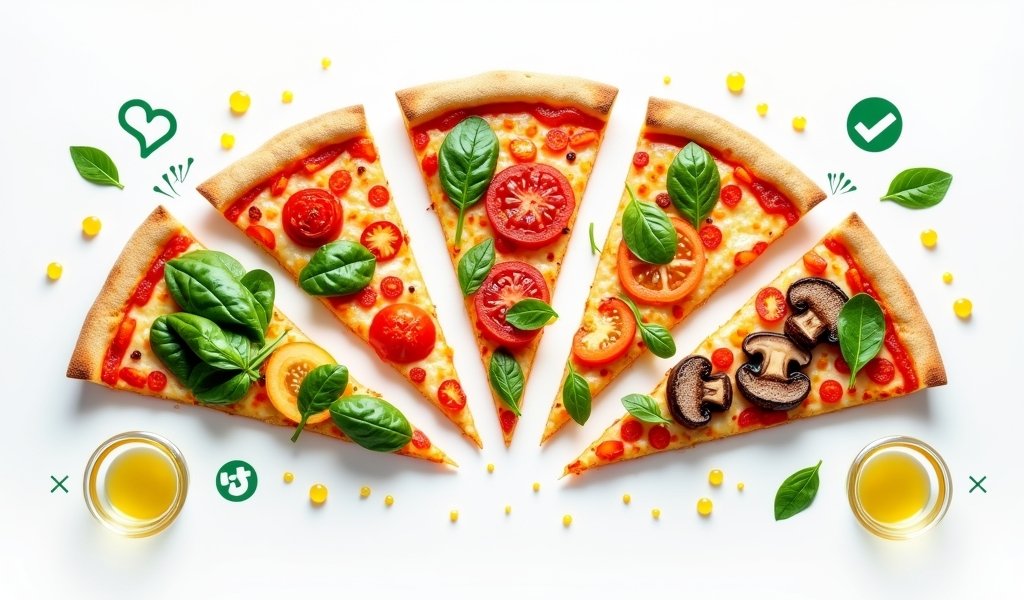
Pizza for Special Diets: Yes, It’s Possible!
Think your dietary restrictions mean pizza is off limits? Think again! The pizza universe has expanded dramatically to accommodate almost every dietary need.
Gluten-Free Pizza Options
For those with celiac disease or gluten sensitivity, cauliflower crusts aren’t your only option. Rice flour, cornmeal, or gluten-free flour blends can create satisfying pizza bases. Many restaurants and frozen pizza brands now offer gluten-free options that would have been unheard of a decade ago. Just be aware that these alternatives often contain more fat to improve texture and palatability, so check those pizza nutrition facts carefully.
Vegan Pizza Innovations
Plant-based pizza has evolved far beyond cheeseless veggie pizzas. Today’s vegan cheese alternatives melt and stretch in surprisingly convincing ways. Nutritional yeast can add a cheesy flavor to homemade options. Protein-rich toppings like marinated tempeh, seasoned tofu, or legume-based “meats” provide satisfying alternatives to traditional meat toppings.
Low-Carb Pizza Solutions
Beyond cauliflower, innovative low-carb crusts include options made from almond flour, coconut flour, cheese-based crusts (for non-vegans), and even crusts made from chicken (sometimes called “chickenizza”). These alternatives dramatically change the macronutrient profile of pizza, often reducing carbs while increasing protein and sometimes fat.
Keto-Friendly Pizza
Keto dieters can enjoy pizza by focusing on cheese and almond flour-based crusts. Some creative souls even make crusts from shredded chicken or ground beef mixed with eggs and spices. These options flip traditional pizza nutrition facts on their head, creating high-fat, moderate-protein, very-low-carb alternatives.
Allergy-Conscious Pizza
Those with dairy allergies can explore nut-based cheese alternatives or simply opt for cheese-free pizza focused on flavorful sauce and abundant toppings. Egg allergies? Most pizza crusts are naturally egg-free. The modular nature of pizza makes it adaptable to almost any allergy profile with thoughtful substitutions.
The evolution of special diet pizzas proves that dietary restrictions don’t mean deprivation. Like a language that develops new vocabulary to describe evolving concepts, pizza has developed new forms to meet evolving dietary needs.
Mindful Pizza Eating: Enjoying Without Overindulging
Beyond ingredients and pizza nutrition facts, how you eat your pizza matters just as much. Mindful eating transforms pizza from a potential dietary pitfall into an occasional pleasure that fits within a balanced lifestyle.
Start by creating a proper eating environment. Turn off screens, sit at a table, and use a plate – even for delivery pizza. This simple act signals to your brain that you’re having a meal rather than mindlessly consuming food. It’s like changing from workout clothes into business attire – the shift in setting changes your behavior.
Before taking your first bite, take a moment to appreciate your pizza’s appearance and aroma. This pause activates your digestive processes and helps you connect with your food. It’s the difference between rushing through a museum and actually stopping to appreciate the art.
As you eat, pay attention to flavor, texture, and satisfaction. Pizza offers a complex sensory experience – the crisp yet yielding crust, the tangy sauce, the creamy cheese, the various toppings. By focusing on these sensations, you’ll likely find yourself satisfied with less food.
Pace yourself by setting your slice down between bites and chewing thoroughly. Pizza isn’t a race! This approach gives your body time to register fullness signals, which typically take about 20 minutes to reach your brain. Think of it as driving at a reasonable speed that allows you to enjoy the scenery rather than racing to your destination.
Consider your body’s hunger and fullness cues. Before reaching for another slice, ask: “Am I still hungry, or am I eating because the pizza is there?” This practice helps distinguish between physical hunger and the desire to continue a pleasant experience.
Finally, release the guilt. If you do overindulge occasionally, remember that one meal doesn’t define your health. Just as one workout doesn’t make you fit, one indulgent pizza night doesn’t make you unhealthy. It’s the patterns over time that matter.
By bringing mindfulness to your pizza experience, you transform it from a nutritional number-crunching exercise into a holistic part of a healthy relationship with food.
Conclusion
Pizza nutrition facts don’t have to be a buzzkill for pizza lovers. As we’ve discovered, pizza can range from an occasional indulgence to a surprisingly nutritious meal, depending on the choices you make.
Remember, the healthiest diet isn’t one that eliminates foods you love – it’s one that includes them in a balanced, mindful way. Pizza, with its infinite variations and adaptability, fits beautifully into this philosophy.
Whether you’re making strategic choices at your local pizzeria, crafting homemade pies, adapting recipes for special dietary needs, or simply practicing more mindful enjoyment of each slice, you now have the knowledge to make pizza work within your health goals.
So the next time pizza night rolls around, approach it with confidence rather than guilt. Armed with these pizza nutrition facts and strategies, you can savor every bite while knowing you’re making choices that honor both your taste buds and your wellbeing.
After all, health isn’t just about nutrition – it’s also about finding joy in food and sharing it with others. And few foods bring people together quite like pizza.
Frequently Asked Questions
How many calories are in an average slice of pizza?
An average slice of medium cheese pizza contains 200-300 calories. This varies widely depending on crust thickness, amount of cheese, and toppings.
Is pizza unhealthy?
Pizza isn’t inherently unhealthy but depends entirely on ingredients and portion size. Thin crust with vegetable toppings can be part of a nutritious diet, while deep-dish meat lovers consumed regularly may compromise health goals.
What’s the healthiest type of pizza to order?
The healthiest pizza option is thin crust with vegetable toppings and light cheese. This combination provides nutrients from vegetables while minimizing excess calories from crust and cheese.
How many slices of pizza should I eat?
For most adults, 1-2 slices of pizza paired with a salad makes a balanced meal. Your personal needs may vary based on activity level, metabolism, and specific health goals.
Does pizza have any nutritional benefits?
Yes, pizza provides protein from cheese, lycopene from tomato sauce, and depending on toppings, can deliver vegetables and essential nutrients. Whole grain crusts also add fiber and additional nutrients to the meal.