

Overview
This article presents a detailed guide to combating Candida overgrowth through dietary intervention, highlighting 15 powerful anti-fungal foods to include (such as garlic, coconut oil, and fermented vegetables) and foods to avoid (like sugar, alcohol, and processed carbohydrates). It offers a practical meal plan, success tips, and explains how the right diet creates an inhospitable environment for Candida while supporting immune function and gut healing.
Table of Contents
- Understanding Candida Overgrowth
- The Anti-Candida Diet: Basic Principles
- 15 Powerful Foods to Combat Candida
- Foods to Avoid on a Candida Diet
- Sample Candida Diet Meal Plan
- Tips for Success on the Candida Diet
- Conclusion
- Frequently Asked Questions
Understanding Candida Overgrowth
Candida albicans is a type of yeast that naturally lives in small amounts in your mouth, digestive tract, and skin. When in balance, it causes no issues. However, when this opportunistic fungus grows out of control, it can lead to a condition called candidiasis or candida overgrowth syndrome.
Several factors can trigger this imbalance, including a diet high in sugar and refined carbohydrates, frequent antibiotic use, chronic stress, hormonal imbalances (particularly high estrogen levels), and a weakened immune system. If you’re experiencing symptoms like persistent fatigue, digestive issues, recurring yeast infections, brain fog, skin problems, and sugar cravings, candida overgrowth might be the culprit.
The good news? Your diet can be a powerful tool for bringing candida back into balance. The right breakfast choices and other strategic meals can create an internal environment where candida struggles to thrive, allowing your body’s natural balance to be restored.
The Anti-Candida Diet: Basic Principles
The candida diet food list is built around a simple yet effective strategy: starve the yeast while supporting your immune system. Unlike many restrictive diets, this approach focuses on abundant whole foods that nourish your body while creating an inhospitable environment for candida.
The foundation of an effective anti-candida diet includes:
- Eliminating sugar and refined carbohydrates that feed yeast
- Avoiding foods containing mold or yeast
- Limiting inflammatory foods that weaken immune function
- Embracing nutrient-dense whole foods that support gut healing
- Including natural antifungal foods that help reduce candida populations
According to research published in the Journal of Clinical Medicine, dietary interventions can significantly impact fungal infections by modifying the gut microbiome and enhancing immune response. What you eat truly matters when tackling candida overgrowth.
15 Powerful Foods to Combat Candida
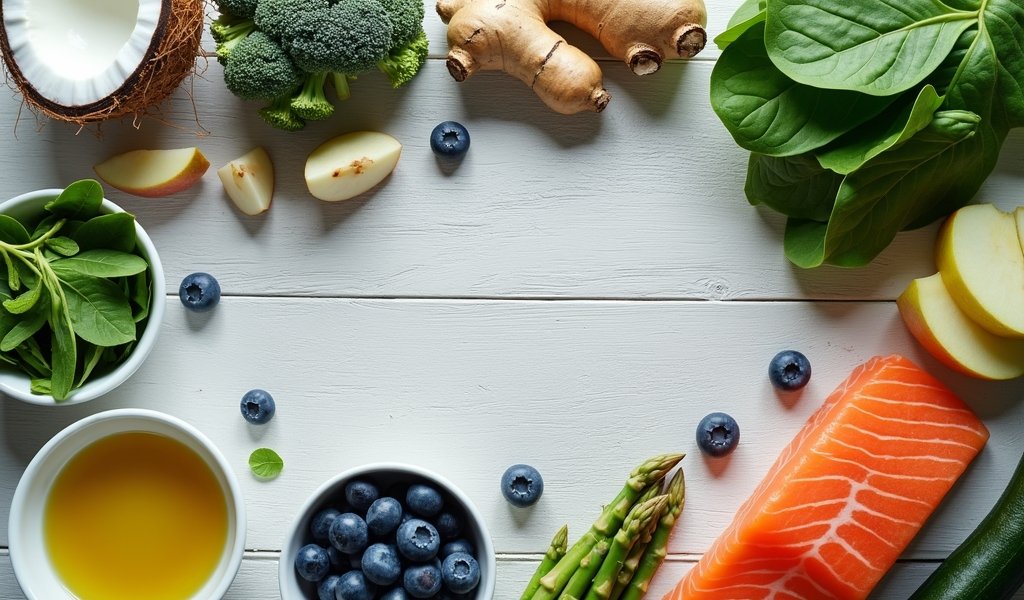
Let’s explore the most effective foods for your candida diet food list that not only help combat the overgrowth but also support your overall health and wellbeing.
1. Non-starchy vegetables
These should form the foundation of your meals. Leafy greens, broccoli, cauliflower, zucchini, bell peppers, and asparagus are excellent choices. They’re high in fiber to help sweep candida and its toxins out of your system, while providing essential nutrients without feeding the yeast.
Aim to fill at least half your plate with these vegetables at every meal. Try roasted Brussels sprouts with garlic, sautéed kale with olive oil, or a colorful salad with raw veggies.
2. Garlic
This potent bulb contains allicin, a compound with powerful antifungal properties. Studies show garlic can inhibit candida growth and even help destroy biofilms – protective matrices that candida forms to shield itself from your immune system.
For maximum benefit, crush fresh garlic and let it sit for 10 minutes before cooking to activate its medicinal compounds. Add it liberally to your meals or take a high-quality supplement if the taste is too strong.
3. Coconut oil
Medium-chain fatty acids in coconut oil, particularly caprylic acid, have been shown to kill candida cells. This tropical oil also supports your metabolism and can help reduce candida-related sugar cravings.
Use 1-2 tablespoons daily for cooking vegetables or add to herbal teas. Some people even use it for oil pulling to address oral thrush.
4. Bone broth
Rich in glutamine, glycine, and collagen, bone broth helps repair intestinal permeability (“leaky gut”) that often accompanies candida overgrowth. This healing elixir soothes inflammation and supports digestive health.
Enjoy a cup daily or use it as a base for soups and stews. Look for organic, grass-fed sources or make your own by simmering bones with vegetables and herbs.
5. Wild-caught fish
Salmon, sardines, and mackerel provide anti-inflammatory omega-3 fatty acids that help counteract the inflammation caused by candida. They also deliver protein needed for tissue repair without the potential inflammatory effects of conventional meat.
Aim for 2-3 servings weekly, prepared by baking or poaching rather than frying.
6. Olive oil
Extra virgin olive oil contains oleic acid and polyphenols that create an environment where candida struggles to survive. Its anti-inflammatory properties help calm irritated tissues and support immune function.
Use it for low-heat cooking or drizzle over vegetables after cooking. Always choose cold-pressed, extra virgin varieties stored in dark glass bottles.
7. Apple cider vinegar
Raw, unfiltered ACV helps restore your body’s pH balance, creating a less hospitable environment for candida. The “mother” culture also contains beneficial bacteria that support gut health.
Mix 1-2 tablespoons in water before meals. Never consume it straight as it can damage tooth enamel and throat tissue.
8. Seaweed and algae
These sea vegetables are rich in iodine and minerals that support thyroid function – often compromised during candida overgrowth. Chlorella, spirulina, and kelp also help bind to and remove candida toxins from your system.
Add a teaspoon of spirulina to smoothies, sprinkle dulse flakes on salads, or enjoy nori wraps instead of bread.
9. Turmeric
Curcumin, the active compound in turmeric, has powerful antifungal and anti-inflammatory properties. Research shows it can disrupt candida biofilms and enhance your immune response to the infection.
Add to soups and stews or make a warming golden milk with coconut milk and a pinch of black pepper (which improves absorption).
10. Ginger
This warming root improves circulation, reduces inflammation, and helps stimulate digestion – all beneficial when fighting candida. Its active compounds have been shown to inhibit candida growth in laboratory studies.
Enjoy as tea, grated fresh into foods, or juiced with green vegetables for a powerful health tonic.
11. Cinnamon
Beyond its delicious flavor, cinnamon helps regulate blood sugar – crucial for controlling candida, which feeds on excess glucose. It also has direct antifungal properties that target candida cells.
Sprinkle on approved foods or steep cinnamon sticks in hot water for a soothing tea. Choose Ceylon cinnamon for regular consumption as it’s lower in coumarin than Cassia varieties.
12. Cruciferous vegetables
Broccoli, cauliflower, cabbage and Brussels sprouts contain compounds that support liver detoxification – essential when your body is clearing candida toxins. Their sulfur compounds also have antifungal properties.
Lightly steam or sauté these vegetables with garlic and herbs for a powerful anti-candida side dish.
13. Fermented vegetables
Unpasteurized sauerkraut, kimchi, and other fermented vegetables provide beneficial bacteria that help crowd out candida. They also improve digestion and strengthen your intestinal barrier.
Start with small amounts (1-2 tablespoons) and increase gradually to avoid potential die-off reactions. Choose varieties without added sugars or make your own at home.
14. Lemon and lime
These citrus fruits help stimulate digestive enzymes and promote liver detoxification. Though acidic in taste, they have an alkalizing effect once metabolized, creating a less favorable environment for candida.
Start your day with warm water and fresh lemon juice, or use as a salt alternative to season foods.
15. Herbs and spices
Oregano, thyme, clove, and rosemary contain compounds with powerful antifungal properties. These culinary herbs enhance flavor while helping to combat candida overgrowth.
Use liberally in cooking or steep as therapeutic teas. For stronger effects, quality essential oils of these herbs can be used under professional guidance.
Foods to Avoid on a Candida Diet
Just as important as knowing what to eat is understanding what foods can sabotage your progress. These foods either directly feed candida, promote inflammation, or compromise your immune function:
- Sugar in all forms (including honey, maple syrup, agave, and fruit juices)
- High-glycemic fruits (bananas, grapes, mangoes)
- Gluten-containing grains (wheat, barley, rye)
- Refined carbohydrates and processed foods
- Alcohol (metabolized as sugar and stresses your liver)
- Dairy products (especially conventional varieties)
- Fermented alcoholic drinks (beer, wine)
- Peanuts and pistachios (often contain mold)
- Processed meats and high-mercury fish
- Artificial sweeteners and food additives
Dr. Andrew Weil, a pioneer in integrative medicine, emphasizes that eliminating sugar is the most critical dietary change for addressing candida overgrowth. Even one high-sugar meal can feed candida and set back your progress.
Sample Candida Diet Meal Plan
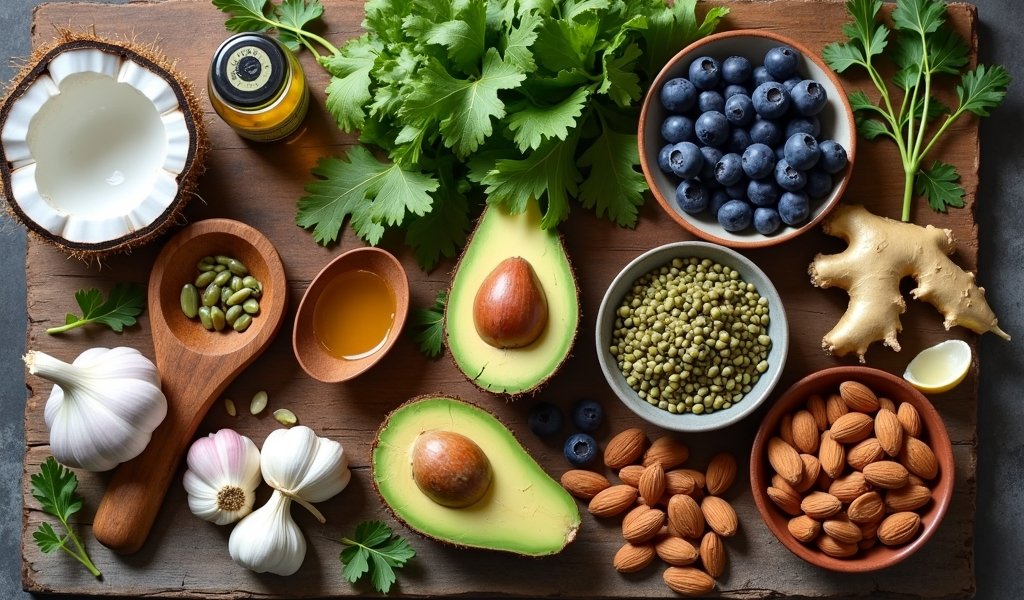
Wondering how to put all this information together? Here’s a simple one-day meal plan incorporating many of the foods from our candida diet food list:
Breakfast
Vegetable omelet made with 2-3 eggs, sautéed spinach, mushrooms, and garlic in coconut oil. Sprinkle with turmeric and fresh herbs. Serve with a side of avocado slices.
Lunch
Large green salad topped with wild-caught salmon, olive oil and lemon dressing, pumpkin seeds, and fresh herbs. Side of fermented vegetables (1-2 tablespoons).
Dinner
Roasted chicken thighs with rosemary and thyme, served with roasted Brussels sprouts, cauliflower, and garlic. Drizzle with extra virgin olive oil.
Snacks
- Bone broth with added turmeric and ginger
- Celery sticks with a small amount of almond butter
- Cucumber slices with olive oil and herbs
Beverages
- Filtered water with lemon
- Herbal teas (especially ginger, pau d’arco, or peppermint)
- Coconut water (unsweetened)
This plan follows anti-candida principles while providing satisfying, delicious meals. For more meal inspiration, check out these Mediterranean recipes that can easily be adapted to suit a candida diet.
Tips for Success on the Candida Diet
Implementing an anti-candida diet can be challenging, but these practical tips can help you succeed:
Start gradually
Unless your practitioner advises otherwise, consider easing into the diet to minimize severe die-off reactions. Begin by cutting sugars and refined carbs while increasing vegetables and antifungal foods.
Stay hydrated
Drink plenty of filtered water to help flush toxins released during candida die-off. Aim for half your body weight in ounces daily (e.g., 75 oz for a 150-pound person).
Support detoxification
Your liver works overtime processing candida toxins. Support it with plenty of leafy greens, cruciferous vegetables, and herbs like milk thistle or dandelion root tea.
Address die-off symptoms
As candida cells break down, they release toxins that can temporarily worsen symptoms. Activated charcoal, bentonite clay, or increased rest can help during this phase. Always consult your healthcare provider before using supplements.
Be patient and consistent
Overcoming candida overgrowth takes time – typically at least 4-12 weeks depending on severity. Consistency is key, as even occasional indulgences in forbidden foods can trigger setbacks.
Consider supplementation
Under professional guidance, supplements like caprylic acid, oregano oil, garlic extract, and quality probiotics may enhance your dietary efforts. Never self-prescribe, as some supplements can interact with medications or cause side effects.
Address underlying factors
Diet alone may not resolve candida overgrowth if underlying issues like chronic stress, environmental mold exposure, or hormonal imbalances remain unaddressed. Work with a knowledgeable healthcare provider for a comprehensive approach.
Conclusion
The right candida diet food list can be transformative for those struggling with candida overgrowth. By focusing on nutrient-dense, antifungal foods while eliminating those that feed yeast, you create an internal environment where candida’s grip loosens and your body’s natural balance can be restored.
Remember that dietary changes work best as part of a holistic approach that may include stress management, adequate sleep, appropriate supplements, and addressing underlying health issues. What works perfectly for one person may need adjustment for another, so pay attention to how your body responds and be willing to modify your approach accordingly.
The journey to overcome candida overgrowth isn’t always linear, but with persistence and the right foods as your medicine, you can reclaim your health and vitality. Your body has an amazing capacity to heal when given the right tools – and food is one of the most powerful tools at your disposal.
Frequently Asked Questions
How long should I stay on the candida diet?
Most practitioners recommend following the strict protocol for 4-12 weeks depending on symptom severity. After improvement, you can gradually reintroduce foods while monitoring symptoms.
Can I eat fruit on the candida diet?
Limited low-sugar fruits like green apples, berries, and lemons can be included in moderation after initial improvement. Avoid high-sugar fruits like bananas, grapes, and tropical fruits.
Is the candida diet the same as the keto diet?
While both limit carbohydrates, the candida diet specifically targets foods that feed yeast or contain mold. The candida diet may include some higher-carb vegetables that would be limited on keto.
What about coffee on the candida diet?
Most practitioners recommend avoiding coffee initially as it can stress adrenals and liver. If symptoms improve, organic, mold-free coffee might be reintroduced in small amounts.
Can I ever eat normally again after candida?
Many people can return to a broader diet after successfully addressing candida overgrowth. However, maintaining lower sugar intake and focusing on whole foods typically helps prevent recurrence.