
Overview
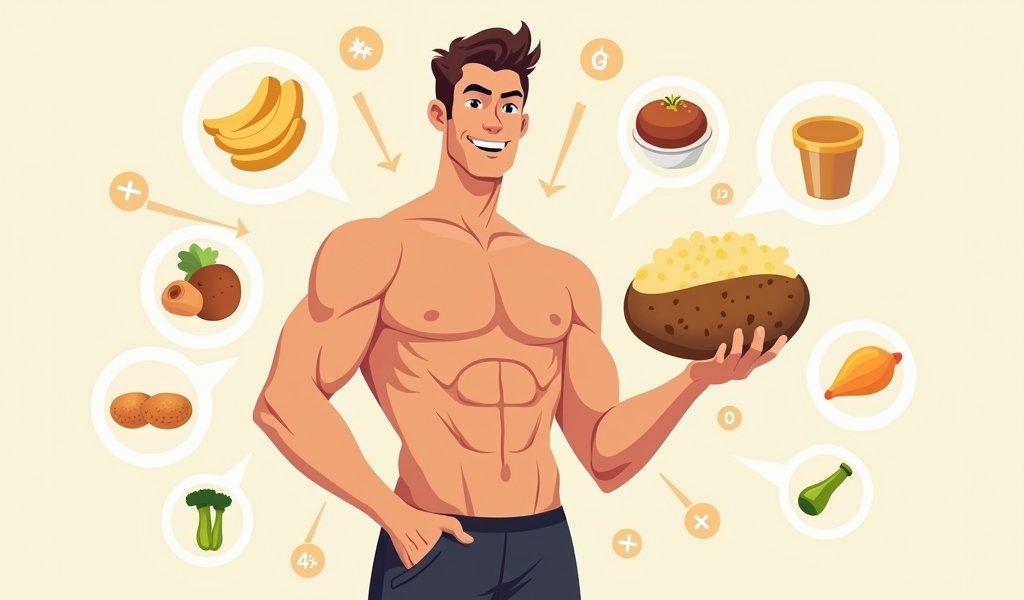
This article challenges the misconception that potatoes hinder weight loss, presenting 10 evidence-based nutrition facts showing how baked potatoes can actually support weight management through their satiety effects, resistant starch content, low calorie density, and micronutrient profile. The key is proper preparation and portion control—eating potatoes with their skin on, using healthy toppings, and incorporating them strategically into balanced meals rather than avoiding them entirely.
Table of Contents
- Can Potatoes Actually Help With Weight Loss?
- Baked Potato Nutrition Basics: What You’re Really Getting
- 1. Surprising Calorie Content: Lower Than You Think
- 2. The Satiety Champion: Why Potatoes Keep You Full
- 3. Resistant Starch: The Weight Loss Secret Weapon
- 4. Potassium Powerhouse: Beating Bloat Naturally
- 5. Quality Protein: Not Just Empty Carbs
- 6. Vitamin C Connection: The Fat-Burning Link
- 7. Naturally Low in Fat: Creating Calorie Deficits
- 8. Managing Blood Sugar: Beyond Glycemic Index
- 9. Colorful Antioxidants: Fighting Inflammation
- 10. Micronutrient Density: Metabolic Support System
- Best Practices for Including Potatoes in Your Weight Loss Journey
- Embracing Potatoes on Your Weight Loss Journey
- Frequently Asked Questions
Can Potatoes Actually Help With Weight Loss?
“Drop the potatoes if you want to lose weight.” I’ve heard this misconception so many times in my nutrition practice that I could fund a potato farm with the proceeds! As a nutritionist who’s helped hundreds of clients achieve their weight loss goals, I can tell you that the humble spud has been unfairly vilified for far too long.
The truth? Baked potatoes can be valuable allies in your weight loss journey when prepared properly and eaten mindfully. In my own 30-pound weight loss adventure, I never eliminated potatoes – I simply learned how to incorporate them strategically.
What if I told you that potatoes could actually help you lose weight rather than hinder your progress? It might sound counterintuitive given everything you’ve heard about carbs and weight loss, but the science tells a different story.
In this guide, I’ll peel back the layers of potato myths and reveal 10 science-backed nutrition facts that may transform how you view this versatile tuber. Whether you’re just starting your weight loss journey or looking to optimize your current approach, these insights will help you make informed decisions about including baked potatoes in your diet.
Baked Potato Nutrition Basics: What You’re Really Getting
Before diving into our top 10 facts, let’s establish what a medium-sized baked potato (about 173g with skin) actually provides nutritionally:
- Calories: Approximately 160 calories
- Carbohydrates: 37g
- Protein: 4.3g
- Fat: 0.2g
- Fiber: 3.8g
These numbers reveal something immediately interesting: despite being carbohydrate-rich, a plain baked potato is naturally very low in fat and provides a decent amount of protein and fiber. This fundamental profile creates the foundation for several weight-loss benefits we’ll explore next.

1. Surprising Calorie Content: Lower Than You Think
When it comes to weight loss, calorie density (calories per gram of food) matters significantly. A medium baked potato provides roughly 160 calories – considerably less than many people assume. For comparison:
- Medium baked potato (173g): 160 calories
- 1 cup of cooked pasta (140g): 220 calories
- 1 cup of cooked rice (158g): 205 calories
The preparation method dramatically impacts the calorie content. While a baked potato keeps calories minimal, the same potato when fried can reach 500+ calories. That’s a massive difference!
In my personal weight loss journey, I discovered that replacing my regular side of pasta with a small baked potato saved me roughly 100 calories per meal while actually increasing my fullness. This simple swap contributed to consistent weight loss without feeling deprived.
The russet potato nutrition profile is particularly favorable for weight management, offering substantial nutrients for relatively few calories.
2. The Satiety Champion: Why Potatoes Keep You Full
Ever wonder why certain foods leave you hunting for snacks an hour later while others keep you satisfied for hours? That’s where the satiety index comes in – a measure of how full foods make you feel and how long that fullness lasts.
In a groundbreaking study published in the European Journal of Clinical Nutrition, potatoes ranked higher on the satiety index than all other tested foods, including eggs, beef, and fish. They scored 323% on the satiety index, with white bread as the reference at 100%.
This extraordinary satiety means baked potatoes can help you naturally eat less throughout the day – a cornerstone strategy for sustainable weight loss without constant hunger. When I incorporate a baked potato with lunch, I’ve noticed I’m significantly less likely to reach for afternoon snacks, which has been crucial for maintaining my weight loss.
3. Resistant Starch: The Weight Loss Secret Weapon
Here’s something fascinating: when you cook and then cool potatoes (think potato salad), some of the digestible starches transform into resistant starch – a type of starch that resists digestion in the small intestine.
This resistant starch offers multiple weight loss benefits:
- It feeds beneficial gut bacteria, improving overall gut health
- It increases fat oxidation, helping your body burn more fat
- It improves insulin sensitivity, regulating blood sugar
- It provides fewer usable calories than regular starch (about 2-3 calories per gram versus 4)
I often prepare several baked potatoes at once, refrigerate them, and enjoy them cold or reheated in subsequent meals. This simple meal prep technique enhances their weight-loss potential through increased resistant starch content.
According to research in the journal Nutrients, resistant starch can significantly increase post-meal fat oxidation, essentially helping your body switch to burning more fat for energy.
4. Potassium Powerhouse: Beating Bloat Naturally
Feeling bloated? A potato might be your new best friend. A medium baked potato contains an impressive 941mg of potassium – more than twice what you’d get from a banana (422mg).
This high potassium content helps balance sodium levels and reduce water retention, which can make a noticeable difference on the scale and in how your clothes fit. While this isn’t fat loss per se, reduced bloating provides both physical comfort and psychological motivation on your weight loss journey.
During periods of higher sodium intake (like after restaurant meals), I intentionally incorporate baked potatoes into my next day’s meals to help restore electrolyte balance and reduce water retention. I’ve found this strategy particularly helpful during hormonal fluctuations when bloating tends to be more pronounced.
5. Quality Protein: Not Just Empty Carbs
While most people don’t think of potatoes as a protein source, they contain a surprisingly high-quality protein profile. Though modest in amount (about 4.3g in a medium potato), potato protein contains all the essential amino acids your body needs.
This complete protein profile is rare in the plant world and particularly valuable for weight loss because:
- Protein requires more energy to digest than carbs or fats (the thermic effect of food)
- Protein helps preserve muscle mass during weight loss
- Protein contributes significantly to satiety
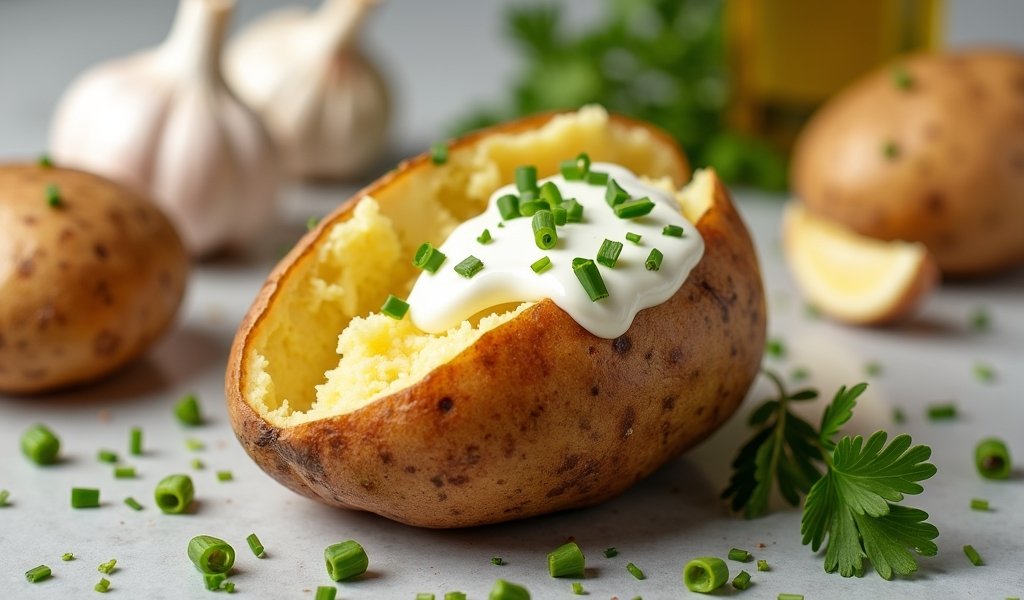
To maximize the protein benefit, I often pair my baked potato with Greek yogurt instead of sour cream, adding another 10-15g of protein while maintaining a similar creamy texture and tangy flavor.
6. Vitamin C Connection: The Fat-Burning Link
Most people associate vitamin C with citrus fruits, but a medium baked potato with skin provides about 27% of your daily vitamin C needs – an impressive amount for a food not typically considered a vitamin source.
Vitamin C plays a crucial role in fat metabolism through:
- Supporting the production of carnitine, a compound essential for converting fat into energy
- Acting as an antioxidant that reduces oxidative stress, which can impair metabolic function
- Supporting adrenal function, which helps regulate metabolism
During cold and flu season, I appreciate getting my vitamin C from warm, comforting baked potatoes rather than always relying on cold fruits – it’s a nutritional bonus that supports both immunity and weight management.
7. Naturally Low in Fat: Creating Calorie Deficits
In their unadorned state, baked potatoes are virtually fat-free, containing less than 0.2g fat per medium potato. This makes them an excellent canvas for creating satisfying meals without excessive calories.
The trouble begins with traditional toppings like butter, sour cream, and cheese, which can add hundreds of calories and significant fat. However, with thoughtful substitutions, you can maintain the satisfaction while supporting weight loss:
- Use Greek yogurt instead of sour cream (saves ~45 calories per 2 Tbsp)
- Try nutritional yeast instead of cheese (saves ~80 calories per ounce)
- Use salsa, herbs, and spices for flavor without added fat
One of my favorite weight-loss-friendly toppings is a mixture of Greek yogurt, dill, and a touch of horseradish – creamy, flavorful, and protein-rich without derailing my calorie goals.
8. Managing Blood Sugar: Beyond Glycemic Index
While potatoes have a high glycemic index, what truly matters for weight management is the glycemic load, which accounts for both the quality of carbs and the quantity consumed.
A medium baked potato has a moderate glycemic load of 15, which can be further reduced through:
- Consuming the potato with the skin on (fiber slows digestion)
- Eating it with protein and healthy fats (slows glucose absorption)
- Adding acidic toppings like vinegar or lemon juice (lowers glycemic response)
- Cooling and reheating (increases resistant starch)
I’ve found that pairing half a baked potato with a protein-rich salad and olive oil dressing creates a meal that keeps my blood sugar stable for hours, preventing the energy crashes that often lead to unhealthy snacking.
9. Colorful Antioxidants: Fighting Inflammation
The colorful skins of potatoes – particularly purple, red, and russet varieties – contain significant amounts of antioxidants like anthocyanins and carotenoids. These compounds help combat inflammation and oxidative stress, both of which can interfere with weight loss efforts.
Research has found that potatoes contribute a surprising 12% of the total antioxidants in the American diet, largely because of how frequently they’re consumed.
To maximize antioxidant intake:
- Choose deeply colored potato varieties
- Always eat the skin (after thoroughly washing)
- Minimize boiling, which can leach water-soluble antioxidants
I rotate between russet, red, and purple potatoes to get a variety of antioxidant profiles while keeping meals interesting and visually appealing. And while sweet potato nutrition differs from white potatoes, they offer their own impressive antioxidant profile worth incorporating.
10. Micronutrient Density: Metabolic Support System
Beyond the nutrients already mentioned, baked potatoes provide an impressive array of micronutrients essential for optimal metabolism:
- Vitamin B6: Crucial for protein metabolism and cognitive function
- Manganese: Supports bone development and wound healing
- Niacin: Important for energy production and DNA repair
- Phosphorus: Essential for bone health and ATP (energy) formation
- Magnesium: Involved in 300+ enzymatic reactions, including those related to energy production
These micronutrients support the complex metabolic processes required for efficient weight loss. Without adequate micronutrition, metabolism can slow and weight loss can stall despite calorie restriction.
I notice a significant difference in my energy levels when I include nutrient-dense foods like baked potatoes in my diet versus when I rely on processed “diet foods” that may be low in calories but lack nutritional value.
Best Practices for Including Potatoes in Your Weight Loss Journey
To harness the weight-loss benefits of baked potatoes while avoiding potential pitfalls, follow these evidence-based guidelines:
Portion Control Matters
While nutritious, potatoes are still a carbohydrate-rich food. Appropriate portions depend on your total calorie needs and activity level:
- Weight loss: Usually 1 small to medium potato (100-150g)
- Maintenance: Medium potato (150-200g)
- Active individuals: Medium to large potato (200-300g)
Preparation Methods Make All the Difference
How you prepare your potato dramatically impacts its weight-loss potential:
- Best: Baked or boiled with skin
- Good: Air-fried with minimal oil
- Avoid: Deep-fried, heavily buttered, or loaded with high-calorie toppings
Strategic Meal Timing
Consider when to include potatoes in your daily eating pattern:
- Post-workout: Ideal time to consume higher-carbohydrate foods like potatoes
- Earlier in the day: Provides time to utilize the carbohydrate energy
- With dinner: Consider a smaller portion paired with plenty of non-starchy vegetables
Weight-Loss Friendly Meal Ideas
Try these balanced meal concepts featuring baked potatoes:
- Breakfast: Small baked potato topped with scrambled eggs and salsa
- Lunch: Medium baked potato stuffed with cottage cheese and steamed broccoli
- Dinner: Small baked potato alongside grilled fish and a large green salad
- Post-workout: Medium baked potato with Greek yogurt and chives
Embracing Potatoes on Your Weight Loss Journey
After examining these 10 nutrition facts, the verdict is clear: baked potatoes can absolutely be part of an effective weight loss diet when consumed mindfully. Their combination of satiety, resistant starch, high-quality protein, and micronutrient density creates a uniquely supportive food for sustainable weight management.
During my own weight loss journey, I never eliminated potatoes. Instead, I learned to incorporate them strategically, enjoying their satisfying nature and nutritional benefits while being mindful of portions and preparation methods. This balanced approach allowed me to lose weight without feeling deprived – and maintain that loss for years.
The next time someone tells you to avoid potatoes for weight loss, you’ll have plenty of science-backed reasons to respectfully disagree. The humble potato deserves recognition not as a dietary villain but as a versatile, nutritious ally in your health optimization journey.
Ready to transform your relationship with potatoes and accelerate your weight loss? Start by replacing one refined carbohydrate portion in your diet with a properly prepared baked potato this week. Pay attention to how it affects your satiety, energy, and progress toward your goals. Your body (and taste buds) might thank you!
Frequently Asked Questions
Are baked potatoes fattening?
No, plain baked potatoes are not fattening at only 160 calories per medium potato. It’s the high-calorie toppings like butter, sour cream, and cheese that can make them less weight-loss friendly.
How many calories are in a medium baked potato with skin?
A medium baked potato with skin (about 173g) contains approximately 160 calories. This makes it a moderate-calorie food that can fit well into a weight loss plan.
Is it better to eat potatoes with or without skin for weight loss?
Eating potatoes with the skin is better for weight loss as the skin contains fiber, which slows digestion and increases fullness. The skin also contains many of the potato’s nutrients and antioxidants.
How should I prepare potatoes for maximum weight loss benefits?
Bake, boil, or air-fry potatoes with minimal oil and eat them with the skin on. For extra weight loss benefits, cook them ahead of time and refrigerate before eating to increase resistant starch content.
Can I eat potatoes every day and still lose weight?
Yes, you can eat potatoes daily and still lose weight if they fit within your overall calorie goals and are prepared healthfully. Watch portion sizes and avoid high-calorie toppings for best results.