

Overview
This article presents a detailed 7-day kidney stone diet plan designed to prevent and manage kidney stones through strategic nutrition choices, hydration techniques, and lifestyle modifications. The plan emphasizes adequate fluid intake, balanced calcium consumption, controlled sodium, limited animal protein, and appropriate management of oxalate-rich foods while also providing practical meal suggestions for each day and guidance on when to seek medical help.
Table of Contents
- Understanding Kidney Stones: Causes and Types
- The Importance of Diet in Managing Kidney Stones
- The 7 Day Kidney Stone Diet Chart: Day by Day Breakdown
- Foods to Include in Your Kidney Stone Diet
- Foods to Avoid When Managing Kidney Stones
- Hydration Tips for Kidney Stone Prevention
- Additional Lifestyle Changes to Support Recovery
- When to Consult a Healthcare Professional
- Conclusion
- Frequently Asked Questions
Understanding Kidney Stones: Causes and Types
Kidney stones affect nearly 1 in 11 Americans during their lifetime, causing intense discomfort and disrupting daily activities. As a nephrology specialist who’s helped hundreds of patients through their kidney stone journey, I’ve seen firsthand how a targeted 7 day kidney stone diet chart can provide significant relief and prevent recurrence.
Kidney stones form when substances in your urine become too concentrated and crystallize. These hard deposits can vary in size from a grain of sand to a golf ball. The most common types include calcium stones (calcium oxalate and calcium phosphate), struvite stones, uric acid stones, and cystine stones.
Several factors increase your risk of developing kidney stones. Dehydration tops the list, as insufficient fluid intake concentrates your urine. Dietary choices high in sodium, animal protein, and oxalates can significantly raise your risk. Family history plays a role too, with genetics potentially predisposing some individuals to stone formation.
Medical conditions like hyperparathyroidism, urinary tract infections, and certain metabolic disorders can trigger stone development. Additionally, some medications may increase stone-forming substances in your urine, creating an environment conducive to crystallization.
The Importance of Diet in Managing Kidney Stones
Diet plays a crucial role in both preventing and managing kidney stones. What you eat directly affects the composition of your urine, potentially creating either favorable or unfavorable conditions for stone formation. The right dietary approach can reduce stone-forming substances while promoting compounds that inhibit crystal growth.
Research consistently demonstrates that dietary modifications can reduce kidney stone recurrence by 40-50%. A study published by the National Kidney Foundation shows that specific dietary interventions tailored to stone type can significantly decrease stone formation rates.
The 7 day kidney stone diet chart I’m sharing today is designed to address the most common dietary factors contributing to kidney stones. It focuses on adequate hydration, controlled sodium intake, moderate animal protein consumption, and balanced oxalate levels—all critical elements in preventing stone formation.
Different stone types require slightly different approaches. For calcium oxalate stones, limiting high-oxalate foods while maintaining adequate calcium intake is essential. For uric acid stones, reducing purine-rich foods and alkalizing urine becomes the priority. Our 7-day plan incorporates principles that benefit most stone types while being flexible enough to customize.
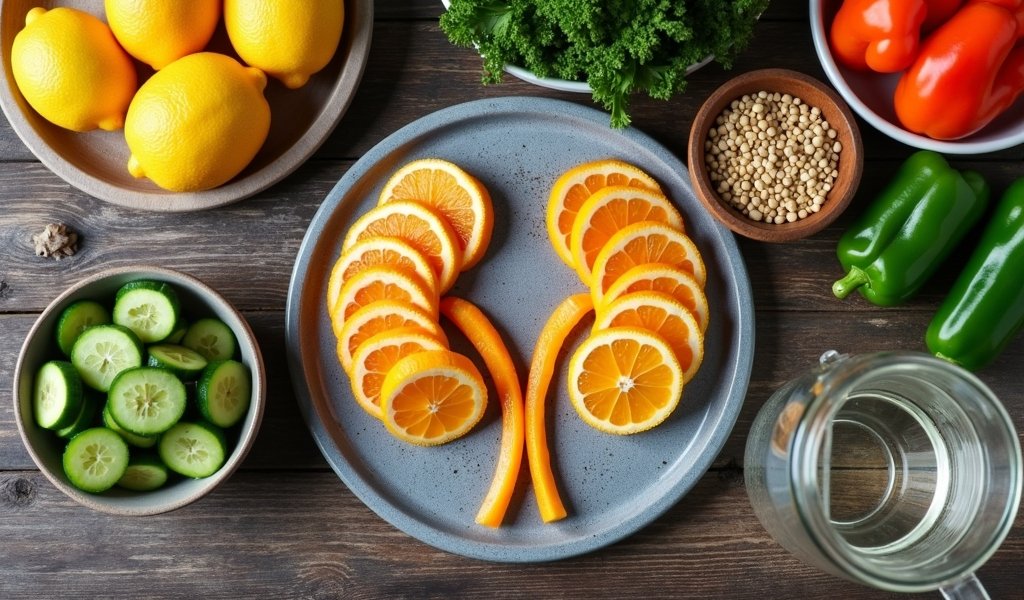
The 7 Day Kidney Stone Diet Chart: Day by Day Breakdown
Day 1: Hydration Focus
Breakfast: Oatmeal with low-fat milk, topped with blueberries and a tablespoon of ground flaxseeds. Green tea or water with lemon.
Mid-morning: 16 oz of water with a slice of fresh cucumber.
Lunch: Grilled chicken salad with lettuce, bell peppers, and carrots. Use olive oil and lemon juice as dressing. Accompanied by a whole grain roll and 12 oz of water.
Afternoon: Homemade fruit smoothie with strawberries, banana, and coconut water (12 oz).
Dinner: Baked salmon with steamed broccoli and quinoa. 16 oz of water.
Evening: Herbal tea (dandelion or nettle) and a small handful of unsalted almonds.
Day 2: Reduced Sodium Day
Breakfast: Vegetable egg white omelet with spinach, onions, and tomatoes. Whole grain toast. 12 oz water.
Mid-morning: Apple slices with a tablespoon of unsalted almond butter. 16 oz water.
Lunch: Homemade vegetable soup (no added salt) with a side of mixed green salad. 12 oz coconut water.
Afternoon: Plain yogurt with fresh pineapple chunks. 16 oz water.
Dinner: Herb-roasted chicken breast with roasted cauliflower and sweet potato. 12 oz water with lemon.
Evening: Chamomile tea and a small bunch of grapes.
Day 3: Balanced Oxalate Day
Breakfast: Whole grain cereal with low-fat milk, topped with banana slices. 12 oz water.
Mid-morning: Watermelon slices (1 cup). 16 oz water.
Lunch: Turkey and avocado sandwich on whole grain bread with lettuce (no spinach). 12 oz water.
Afternoon: Low-fat cottage cheese with pear slices. Herbal tea.
Dinner: Grilled white fish with steamed green beans and brown rice. 16 oz water.
Evening: Blueberry and lemon water (16 oz).
Day 4: Alkaline Focus Day
Breakfast: Smoothie with banana, blueberries, coconut water, and a small handful of low-oxalate greens. 12 oz water.
Mid-morning: Melon slices and 16 oz of alkaline water.
Lunch: Large green salad with grilled tofu, cucumber, bell peppers, and olive oil dressing. 12 oz water with lemon.
Afternoon: Unsalted rice cakes with unsweetened apple butter. 16 oz coconut water.
Dinner: Vegetable stir-fry with brown rice and small portions of lean chicken. 12 oz water.
Evening: Herbal tea and a small apple.
Day 5: Magnesium-Rich Day
Breakfast: Whole grain pancakes topped with banana and a drizzle of honey. 12 oz water.
Mid-morning: Small handful of pumpkin seeds and 16 oz water.
Lunch: Quinoa bowl with grilled chicken, avocado, and cherry tomatoes. 12 oz water.
Afternoon: Low-fat yogurt with a sprinkle of wheat germ. 16 oz water.
Dinner: Baked cod with roasted Brussels sprouts and wild rice. 12 oz water with lemon.
Evening: Chamomile tea and a small banana.
Day 6: Citrate-Boosting Day
Breakfast: Fresh fruit salad with orange, grapefruit, and kiwi. Whole grain toast with a thin layer of unsalted butter. 12 oz water with lemon.
Mid-morning: Fresh lemonade (homemade with controlled sugar). 16 oz water.
Lunch: Grilled salmon with asparagus and brown rice. Orange slices on the side. 12 oz water.
Afternoon: Grapefruit sections and a small handful of unsalted pistachios. 16 oz water.
Dinner: Lemon-herb baked chicken with zucchini and quinoa. 12 oz water with lime.
Evening: Orange-infused herbal tea and a few strawberries.
Day 7: Balanced Integration Day
Breakfast: Overnight oats prepared with low-fat milk, chia seeds, and blueberries. 12 oz water.
Mid-morning: Fresh pineapple chunks. 16 oz coconut water.
Lunch: Mediterranean salad with chickpeas, cucumber, bell peppers, olives, and a small amount of feta cheese. Olive oil and lemon dressing. 12 oz water.
Afternoon: Air-popped popcorn (unsalted) and 16 oz water with lemon.
Dinner: Baked trout with roasted cauliflower, carrots, and a small portion of couscous. 12 oz water.
Evening: Herbal tea and a small apple.
Foods to Include in Your Kidney Stone Diet
Selecting the right foods is crucial for managing kidney stones effectively. A well-designed 7 day kidney stone diet chart emphasizes foods that reduce stone formation while providing balanced nutrition. Here are the key food categories to emphasize:
Water-Rich Foods
- Watermelon, cucumber, and celery (90%+ water content)
- Strawberries, cantaloupe, and peaches (high water content fruits)
- Lettuce, zucchini, and tomatoes (hydrating vegetables)
Calcium-Rich Foods (Consumed with Meals)
- Low-fat dairy products like milk and yogurt
- Calcium-fortified plant milks (almond, soy)
- Kale and broccoli (moderate calcium, lower oxalate options)
Contrary to popular belief, adequate calcium intake actually helps prevent kidney stones when consumed with meals. According to research published in the National Library of Medicine, dietary calcium binds with oxalates in the digestive tract, preventing their absorption and reducing urinary oxalate levels.
Citrus Fruits
- Lemons, limes, and oranges
- Grapefruit (in moderation)
Magnesium-Rich Foods
- Pumpkin seeds, sunflower seeds
- Whole grains like brown rice and quinoa
- Bananas and avocados
Fiber-Rich Foods
- Whole grains like oats and barley
- Legumes such as lentils and beans (in moderation)
- Lower-oxalate fruits like apples and pears
A diet rich in fiber helps maintain healthy digestion and can prevent constipation, which is particularly important for individuals prone to kidney stones. Additionally, fiber can help regulate blood sugar levels, reducing the kidney’s workload.
Foods to Avoid When Managing Kidney Stones
While following your 7 day kidney stone diet chart, being mindful of foods that can trigger or worsen kidney stones is equally important. Here are the key categories to limit or avoid:
High-Oxalate Foods
- Spinach, rhubarb, and beet greens
- Almonds, cashews, and peanuts
- Chocolate and cocoa
- Tea (black and some herbal varieties)
- Soy products
High-Sodium Foods
- Processed meats (deli meats, bacon, sausage)
- Canned soups and vegetables (unless low-sodium)
- Packaged snack foods and crackers
- Fast food and restaurant meals
- Condiments and sauces (soy sauce, salad dressings)
High-Purine Foods (for uric acid stones)
- Organ meats (liver, kidneys)
- Shellfish and certain fish (sardines, anchovies)
- Game meats
- Alcoholic beverages, especially beer
Added Sugars
- Sodas and sweetened beverages
- Candy and desserts
- Sweetened breakfast cereals
- Flavored yogurts with added sugars
High sugar consumption can increase calcium excretion in urine and has been linked to higher kidney stone risk. A study from the Clinical Journal of the American Society of Nephrology found that sugar-sweetened beverage consumption was associated with a 23% higher risk of developing kidney stones.
Animal Protein (limit, don’t eliminate)
- Red meat (limit to 1-2 servings weekly)
- Poultry (moderate portions)
- Eggs (consume in moderation)
Hydration Tips for Kidney Stone Prevention
Hydration is the cornerstone of any effective 7 day kidney stone diet chart. Adequate fluid intake dilutes stone-forming substances in your urine, making it harder for crystals to form. Here are practical hydration strategies to incorporate into your daily routine:
Daily Fluid Goals
Aim for at least 2.5-3 liters (about 10-12 cups) of fluid daily. This target may increase if you live in a hot climate, exercise intensely, or have a history of recurrent stones. The color of your urine is a helpful indicator—strive for pale yellow, similar to lemonade, rather than dark amber.
Spacing Your Intake
- Start your day with 16oz of water upon waking
- Drink a full glass before and after each meal
- Set reminders to drink every hour throughout the day
- Include a glass of water before bed (balance with not disrupting sleep)
Beneficial Beverages
- Water (plain or with fresh lemon/lime)
- Citrus-infused water (orange, grapefruit)
- Coconut water (natural electrolytes)
- Herbal teas (choose low-oxalate varieties)
Beverages to Limit or Avoid
- Dark tea and coffee (limit to 1-2 cups daily)
- Alcohol (dehydrating effect)
- Soda and sweetened beverages (high sugar content)
- Grapefruit juice (in large quantities, for those on certain medications)
A practical tip I share with my patients: carry a reusable water bottle marked with time indicators to track your hydration throughout the day. This visual cue can significantly improve adherence to your hydration goals during your 7 day kidney stone diet chart program.
Additional Lifestyle Changes to Support Recovery
While your 7 day kidney stone diet chart forms the foundation of your kidney stone management plan, complementary lifestyle adjustments can enhance its effectiveness. Incorporating these additional changes can accelerate relief and reduce recurrence risk:
Physical Activity
Regular, moderate exercise supports kidney health by promoting circulation and preventing weight gain. Aim for 30 minutes of activity most days of the week. Walking, swimming, and cycling are excellent low-impact options. However, avoid excessive exercise that could lead to dehydration, and always increase fluid intake to compensate for sweat loss.
Stress Management
Chronic stress can affect kidney function and potentially contribute to stone formation. Incorporate stress-reduction techniques like deep breathing, meditation, or gentle yoga into your daily routine. Even 10 minutes of mindfulness practice can have beneficial effects on your overall health and support your kidney stone management plan.
Sleep Quality
Prioritize 7-8 hours of quality sleep nightly. Poor sleep can disrupt hormone balance and metabolism, potentially affecting kidney function. Create a consistent sleep schedule and a restful environment. Limit fluids close to bedtime to avoid nighttime bathroom trips while still meeting your daily hydration goals.
Supplement Considerations
Before adding any supplements to your 7 day kidney stone diet chart regimen, consult with your healthcare provider. Some supplements that may be beneficial (depending on your stone type) include:
- Vitamin B6 (may reduce oxalate production)
- Magnesium (potential inhibitor of calcium oxalate crystal formation)
- Potassium citrate (prescribed medically to raise urine pH)
Conversely, avoid excessive vitamin C and D supplementation, as these can increase stone risk in some individuals. Always inform your healthcare provider about any supplements you’re taking.
When to Consult a Healthcare Professional
While the 7 day kidney stone diet chart can provide significant relief, certain situations warrant prompt medical attention. Recognize these important warning signs:
Seek Immediate Care If:
- You experience severe pain that doesn’t resolve with home management
- Pain is accompanied by fever, chills, or vomiting
- You notice blood in your urine
- You’re unable to urinate or pass only small amounts
Schedule a Routine Appointment When:
- You’ve completed the 7-day diet plan but symptoms persist
- You have a history of multiple kidney stones and want personalized prevention
- You have underlying conditions like diabetes, gout, or inflammatory bowel disease
- You need guidance tailoring the diet plan to your specific stone type
Working with a healthcare team—including a urologist, nephrologist, and registered dietitian—provides comprehensive care for complex cases. They can offer personalized dietary recommendations, medication management, and regular monitoring to prevent future episodes.
Remember, your stone composition analysis provides valuable information for targeted prevention strategies. If you haven’t had your stones analyzed, discuss this with your healthcare provider for more personalized dietary guidance beyond the general 7 day kidney stone diet chart.
Conclusion
The 7 day kidney stone diet chart outlined in this guide offers a practical, evidence-based approach to managing and preventing kidney stones through thoughtful nutrition choices. By focusing on adequate hydration, balanced calcium intake, controlled sodium, and mindful consumption of stone-forming foods, you can significantly reduce your risk of painful episodes.
Remember that consistency is key. While this 7-day plan provides immediate guidance for acute management, the principles should be incorporated into your long-term lifestyle for continued protection. The diet modifications may seem challenging at first, but most patients find they become second nature over time.
Your body’s response to dietary changes is unique, so pay attention to how you feel and what works best for you. Some individuals notice improvements within days, while others may require several weeks of consistent dietary management to see significant changes.
Don’t hesitate to reach out to healthcare professionals for guidance tailored to your specific needs. With the right approach, kidney stones can become a manageable condition rather than a recurrent source of distress in your life.
Ready to take control of your kidney stone journey? Start implementing this 7 day kidney stone diet chart today, track your progress, and schedule a follow-up with your healthcare provider to discuss your results. Your future self will thank you for the relief and prevention these simple changes can provide!
Frequently Asked Questions
How quickly will the 7 day kidney stone diet chart show results?
Most people notice improvements in symptoms within 3-5 days of following the diet plan. Full benefits, including potential stone passage, may take 1-2 weeks depending on stone size and location.
Can I continue this diet beyond 7 days?
Absolutely! The principles in this diet chart are designed for long-term kidney health. Many patients continue modified versions of this plan indefinitely for prevention.
Do I need to avoid calcium completely?
No, adequate calcium is actually beneficial when consumed with meals. Dietary calcium binds to oxalate in the digestive tract, preventing its absorption and reducing kidney stone risk.
Can I drink coffee while following this diet?
Moderate coffee consumption (1-2 cups daily) is generally acceptable for most kidney stone patients. Always ensure you’re drinking plenty of water alongside your coffee.
Will this diet work for all types of kidney stones?
The diet addresses factors common to most stone types, particularly calcium oxalate stones (the most common). For specialized guidance for uric acid or cystine stones, consult your healthcare provider.