

Overview
Kidney beans are nutritional powerhouses that offer five key health benefits: blood sugar regulation, heart health support, weight management assistance, digestive health improvement, and an impressive nutrient profile with protein, fiber, and essential minerals. These affordable legumes can be easily incorporated into various dishes like chili, salads, and soups, making them a versatile addition to any diet for those seeking better health outcomes.
Table of Contents
- Kidney Beans Nutrition: A Powerhouse Legume for Your Health
- Impressive Nutritional Profile: What Makes Kidney Beans Special
- Stable Blood Sugar: How Kidney Beans Help Manage Glucose Levels
- Heart Health Champion: The Cardiovascular Benefits of Kidney Beans
- Effortless Weight Management with Kidney Beans
- Digestive Health: The Fiber Connection
- Quick Cooking Tips: Making the Most of Kidney Beans
- Conclusion: Why Kidney Beans Deserve a Place on Your Plate
- Frequently Asked Questions
Kidney Beans Nutrition: A Powerhouse Legume for Your Health
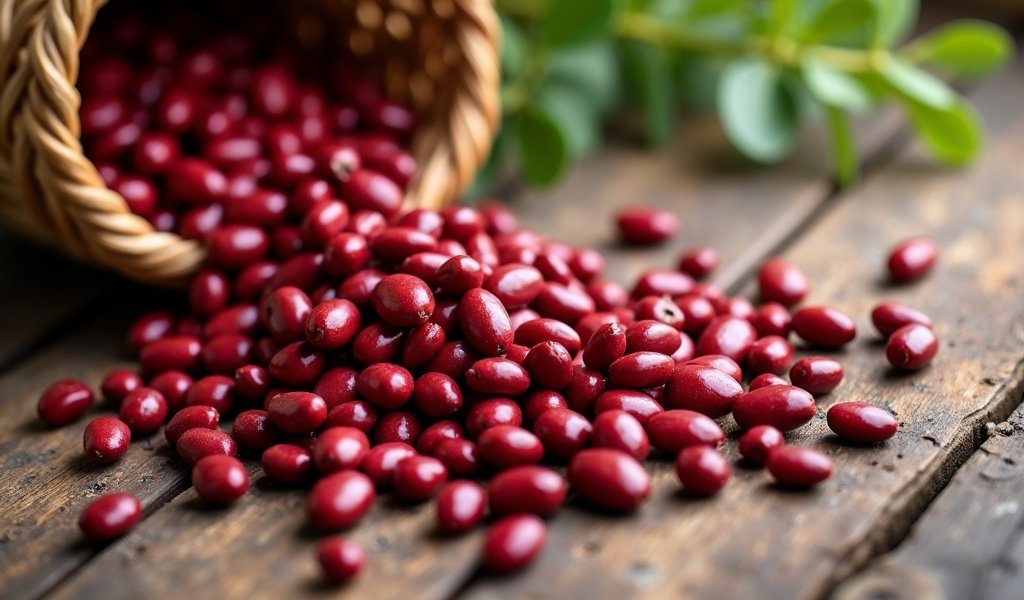
Ever wondered why kidney beans appear in so many “superfood” conversations? These vibrant, kidney-shaped legumes aren’t just visually distinctive – they’re nutritional powerhouses that deserve a prime spot in your meal rotation.
I’ve spent years helping patients incorporate more plant-based proteins into their diets, and kidney beans consistently rank as one of the most beneficial options available. Their impressive combination of protein, fiber, vitamins, and minerals makes them a true nutritional all-star.
But what exactly makes kidney beans so special? And how can they benefit your specific health goals?
Let’s dive into the remarkable kidney beans nutrition profile and uncover the five essential benefits that might make you want to cook up a batch today.
Impressive Nutritional Profile: What Makes Kidney Beans Special
Before we explore the health benefits, let’s break down exactly what you’re getting in a standard serving of kidney beans. The numbers speak for themselves:
One cup (177g) of cooked kidney beans provides:
- Calories: 225
- Protein: 15 grams
- Fiber: 13.1 grams
- Carbohydrates: 40.4 grams
- Fat: 0.9 grams
But that’s just the beginning. Kidney beans are also packed with essential vitamins and minerals:
- Folate: 33% of the Daily Value (DV)
- Iron: 29% DV
- Magnesium: 20% DV
- Potassium: 17% DV
- Manganese: 22% DV
- Phosphorus: 19% DV
What’s truly remarkable is how kidney beans compare to other legumes. While pinto beans nutrition is similar, kidney beans often edge them out in folate and certain antioxidants. They’re also rich in plant compounds like anthocyanins, which give red kidney beans their distinctive color and provide potent antioxidant effects.
But numbers alone don’t tell the whole story. Let’s explore how this nutritional profile translates into tangible health benefits.

Stable Blood Sugar: How Kidney Beans Help Manage Glucose Levels
Here’s something that might surprise you: despite containing carbohydrates, kidney beans are one of the best foods for blood sugar management. How is this possible?
It all comes down to their unique combination of fiber and protein. Together, these nutrients create a powerful duo that:
- Slows down digestion and the absorption of sugars
- Prevents rapid spikes in blood glucose
- Provides steady, sustained energy
- Helps maintain insulin sensitivity
The scientific evidence is compelling. A study published in the American Journal of Clinical Nutrition found that regularly consuming legumes like kidney beans significantly improved glycemic control in people with type 2 diabetes.
But you don’t need to have diabetes to benefit. For anyone looking to maintain steady energy levels and avoid the dreaded mid-afternoon crash, kidney beans are an excellent choice.
Their low glycemic index (around 24) means they won’t cause the dramatic blood sugar fluctuations that lead to energy dips, cravings, and potential long-term health issues.
Heart Health Champion: The Cardiovascular Benefits of Kidney Beans
Your heart might just fall in love with kidney beans. These remarkable legumes support cardiovascular health through multiple mechanisms:
First, they’re virtually fat-free while providing substantial soluble fiber – the type that’s been proven to help lower LDL (bad) cholesterol levels. This fiber binds to cholesterol particles in your digestive system, helping to eliminate them before they can be absorbed.
But there’s more to the story. Kidney beans also offer:
- Potassium: Helps regulate blood pressure by counteracting sodium’s effects
- Magnesium: Supports proper heart rhythm and relaxes blood vessels
- Folate: Reduces homocysteine levels (a risk factor for heart disease)
- Polyphenols: Provide antioxidant protection against inflammation
The results are impressive. According to a large-scale review published in the Journal of the American Heart Association, people who consumed legumes regularly had a significantly lower risk of developing cardiovascular disease.
Want an easy heart-healthy swap? Replace a meat-based meal with kidney beans once or twice a week. Your heart will thank you!
Effortless Weight Management with Kidney Beans
Struggling with hunger pangs on your weight management journey? Kidney beans might be your new best friend.
Here’s why they’re so effective for weight management:
- High satiety factor: The protein-fiber combo keeps you feeling full longer
- Low energy density: Provides few calories relative to their volume
- Complex carbohydrates: Deliver steady energy without crashes
- Nutrient density: Supply essential nutrients while controlling calories
Let’s talk about that protein-fiber combination again. When you consume kidney beans, the fiber expands in your stomach, creating a physical feeling of fullness. Meanwhile, the protein triggers hormonal signals of satiety.
This powerful duo can help reduce overall calorie intake without leaving you feeling deprived. In fact, research from St. Michael’s Hospital in Toronto found that adding just one serving of beans daily led to significant weight loss, even without participants consciously restricting calories.
Compared to many other black beans nutrition benefits, kidney beans might have a slight edge for weight management due to their slightly higher fiber content.
Digestive Health: The Fiber Connection
Your digestive system thrives on fiber – and kidney beans deliver it in abundance. With over 13 grams per cup, they provide nearly half of your daily fiber needs in a single serving!
But what makes kidney beans particularly special for digestive health is their balance of both soluble and insoluble fiber:
- Soluble fiber forms a gel-like substance that soothes the digestive tract
- Insoluble fiber adds bulk to stool, promoting regularity
- Both types feed beneficial gut bacteria, supporting your microbiome
That last point deserves special attention. Kidney beans contain resistant starch, a type of carbohydrate that acts as a prebiotic – food for your beneficial gut bacteria. When these bacteria ferment the resistant starch, they produce short-chain fatty acids like butyrate, which nourish and protect your colon cells.
The result? Better digestive function, reduced inflammation, and potentially even improved immune response.
If you’re new to high-fiber foods, here’s a pro tip: Introduce kidney beans gradually into your diet and ensure adequate water intake to allow your system to adjust comfortably.
Quick Cooking Tips: Making the Most of Kidney Beans
Ready to enjoy the benefits of kidney beans? Here are some practical tips to make them both delicious and safe:
Proper Preparation
Safety first: Kidney beans contain a compound called phytohemagglutinin that must be neutralized through proper cooking. Always:
- Soak dried kidney beans for at least 4 hours (preferably overnight)
- Discard the soaking water
- Cook thoroughly until tender (about 60-90 minutes for dried beans)
- Ensure they reach a full boil for at least 10 minutes
Canned kidney beans are already properly cooked, making them a convenient option. Just rinse them thoroughly to reduce sodium content.
Delicious Serving Ideas
Kidney beans are incredibly versatile. Here are some easy ways to incorporate them:
- Classic chili with kidney beans, tomatoes, and spices
- Three-bean salad with a light vinaigrette
- Mash with herbs and spices for a plant-based burger patty
- Add to soups for instant protein and thickness
- Mix into grain bowls with vegetables and dressing
For maximum nutrition absorption, consider pairing kidney beans with vitamin C-rich foods like bell peppers or tomatoes. The vitamin C enhances iron absorption from the beans.
Conclusion: Why Kidney Beans Deserve a Place on Your Plate
The evidence is clear: kidney beans offer an exceptional nutrition profile that supports multiple aspects of health – from blood sugar management and heart health to weight control and digestive function.
What makes kidney beans nutrition truly remarkable is how accessible these benefits are. For just pennies per serving, you can enjoy a food that rivals many expensive “superfoods” in its nutritional impact.
Whether you’re looking to boost your plant-based protein intake, manage weight more effectively, or simply add more nutrient-dense foods to your diet, kidney beans deserve a regular place in your meal rotation.
Remember, consistency is key. The greatest health benefits come not from occasional consumption but from making kidney beans a regular part of your dietary pattern.
So next time you’re planning your meals for the week, consider how you might incorporate these nutritional powerhouses. Your body – especially your heart, digestive system, and blood sugar – will thank you!
Frequently Asked Questions
Are kidney beans or black beans healthier?
Both are exceptionally nutritious with similar profiles. Kidney beans contain slightly more iron and folate, while black beans have more antioxidants, but either makes an excellent choice for a healthy diet.
Can kidney beans help you lose weight?
Yes, kidney beans support weight management through their high fiber and protein content that promotes satiety and reduces overall calorie intake. They help you feel full longer while providing steady energy.
How much protein is in a cup of kidney beans?
A cup of cooked kidney beans contains approximately 15 grams of protein. This plant-based protein provides all essential amino acids, though it’s slightly lower in methionine compared to animal proteins.
Are canned kidney beans as healthy as dried?
Canned kidney beans retain most nutrients and are perfectly healthy when rinsed to reduce sodium. Dried beans may have slightly higher nutrient content but require proper soaking and longer cooking time.
Can people with diabetes eat kidney beans?
Absolutely! Kidney beans are excellent for people with diabetes due to their low glycemic index and high fiber content. They help regulate blood sugar levels and improve overall glycemic control.