

Overview
The article provides a thorough guide to the ketogenic diet, explaining how it shifts the body’s fuel source from glucose to ketones by restricting carbohydrates to 20-50 grams daily while increasing healthy fat intake. It covers the diet’s benefits (weight management, stable energy, mental clarity), essential foods (quality proteins, healthy fats, low-carb vegetables), meal preparation strategies, specific recipes for all meals, and practical tips for maintaining motivation and long-term success.
Table of Contents
- Understanding the Ketogenic Diet
- Benefits of Following a Keto Meal Plan
- Essential Foods for Your Keto Meal Plan
- Meal Prep Tips for Keto Success
- Energizing Keto Breakfast Recipes
- Satisfying Lunch and Dinner Keto Recipes
- Quick Keto Snack Ideas
- Staying Motivated on Your Keto Journey
- Conclusion
- Frequently Asked Questions
Understanding the Ketogenic Diet
The keto diet meal plan has revolutionized weight management approaches for many of my patients seeking sustainable results. As a nutritional therapist with over a decade of experience, I’ve witnessed remarkable transformations when this low-carbohydrate, high-fat approach is implemented correctly. The ketogenic diet fundamentally shifts your body’s primary fuel source from glucose to ketones, metabolic compounds produced when your liver breaks down fat.
When you restrict carbohydrates to typically 20-50 grams daily, your body enters a metabolic state called ketosis. This biological adaptation was originally a survival mechanism allowing humans to thrive during food scarcity. Today, we deliberately trigger this state to optimize fat burning. Your body becomes remarkably efficient at accessing stored fat reserves, often leading to significant weight loss without the extreme hunger typically associated with caloric restriction.
What separates keto from other dietary approaches is its dramatic impact on insulin levels. By minimizing carbohydrate intake, insulin production decreases substantially, reducing fat storage signals and enhancing your body’s ability to utilize existing fat stores. This metabolic advantage explains why many individuals experience more substantial and consistent weight loss compared to traditional low-fat approaches, as demonstrated in a 2019 study published in the Journal of Clinical Nutrition.
Benefits of Following a Keto Meal Plan
Beyond weight management, a well-structured keto diet meal plan offers numerous health benefits that my clients regularly report. Perhaps most noticeably, stable energy levels throughout the day replace the familiar carbohydrate-induced energy crashes. This happens because ketones provide a steady, sustainable fuel source for your brain and body, eliminating the blood sugar rollercoaster effect.
Improved mental clarity is another commonly reported benefit. Many of my patients describe feeling more focused and alert within weeks of adapting to ketosis. This cognitive enhancement likely stems from both stable blood glucose levels and the fact that ketones are an exceptionally efficient brain fuel source. Your brain, which typically consumes about 20% of your body’s energy, functions remarkably well on ketones.
Additionally, research increasingly supports keto’s potential benefits for various health markers. Many patients experience improvements in:
- Blood pressure regulation
- Triglyceride and HDL cholesterol profiles
- Insulin sensitivity
- Inflammatory markers
- Migraine frequency and severity
Perhaps most impressively, keto meal plans often naturally reduce appetite and food obsession. This occurs partly through the appetite-suppressing effects of ketosis itself, but also through the higher satiety value of protein and fat compared to carbohydrates. As one patient recently told me, “For the first time in my life, I’m not constantly thinking about my next meal.”
Essential Foods for Your Keto Meal Plan
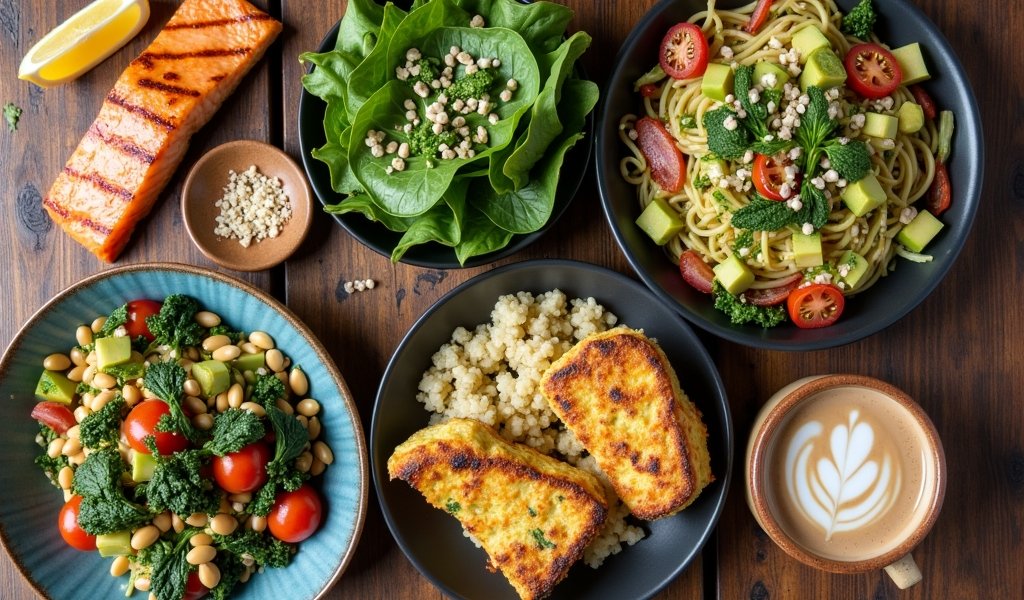
Creating an effective keto diet meal plan begins with understanding which foods support ketosis while providing complete nutrition. The foundation of any sustainable keto approach should include these essential categories:
Quality protein sources form the cornerstone of nutritional adequacy. Prioritize grass-fed beef, free-range poultry, wild-caught fish, and pasture-raised eggs. These options not only provide complete amino acid profiles but also deliver higher omega-3 fatty acids and conjugated linoleic acid compared to conventionally raised alternatives. Aim for moderate portions of 4-6 ounces per meal, adjusting based on your specific protein requirements.
Healthy fats will provide the majority of your calories on a ketogenic plan. Incorporate extra virgin olive oil, avocado oil, coconut oil, grass-fed butter, and ghee liberally. Whole-food fat sources like avocados, olives, coconut meat, and various nuts and seeds (particularly macadamias, pecans, and chia) offer not just fats but valuable micronutrients and fiber. Remember that not all fats are created equal—prioritize those that provide anti-inflammatory benefits.
Low-carbohydrate vegetables should feature prominently in your keto diet recipes for micronutrient density. Focus on above-ground vegetables like leafy greens, cruciferous vegetables (broccoli, cauliflower, Brussels sprouts), zucchini, asparagus, and bell peppers. These provide essential vitamins, minerals, and fiber while keeping carbohydrate content manageable. Aim for 7-9 cups of these vegetables daily to ensure nutritional completeness.
Strategic seasoning transforms simple ingredients into crave-worthy meals. Stock your pantry with herbs, spices, vinegars, and specialized condiments like sugar-free mustards and mayonnaise made with healthy oils. These flavor enhancers add virtually no carbohydrates while dramatically improving palatability and providing additional antioxidant benefits.
Meal Prep Tips for Keto Success
Sustainable success with a keto diet meal plan often hinges on thoughtful preparation. After guiding hundreds of clients through this transition, I’ve found that weekend meal preparation significantly increases adherence rates. Dedicate 2-3 hours each weekend to prepare proteins, chop vegetables, and assemble grab-and-go options to eliminate decision fatigue during busy weekdays.
Batch cooking protein sources saves tremendous time. Roast a whole chicken, brown several pounds of ground beef, or grill multiple steaks to use throughout the week in various meals. Store these prepared proteins in glass containers for quick meal assembly. This approach not only saves time but also prevents the “what’s for dinner” stress that often leads to off-plan choices.
Pre-chopped vegetables dramatically increase the likelihood you’ll actually eat them. Wash and prepare keto-friendly vegetables immediately after shopping, storing them in clear containers with damp paper towels to maximize freshness. Having sliced bell peppers, cucumber rounds, and chopped broccoli ready to eat makes healthy choices the path of least resistance.
Portable keto options are essential for navigating our on-the-go culture. Prepare make-ahead options like egg muffins, keto-friendly wraps, or protein salads that travel well. Pack emergency keto snacks in your car, desk, and bag to avoid succumbing to non-keto convenience foods when hunger strikes unexpectedly.
Energizing Keto Breakfast Recipes
Transforming your morning meal is perhaps the most impactful change when implementing a keto diet meal plan. These breakfast recipes provide sustained energy without the mid-morning crash typically associated with carbohydrate-heavy options:
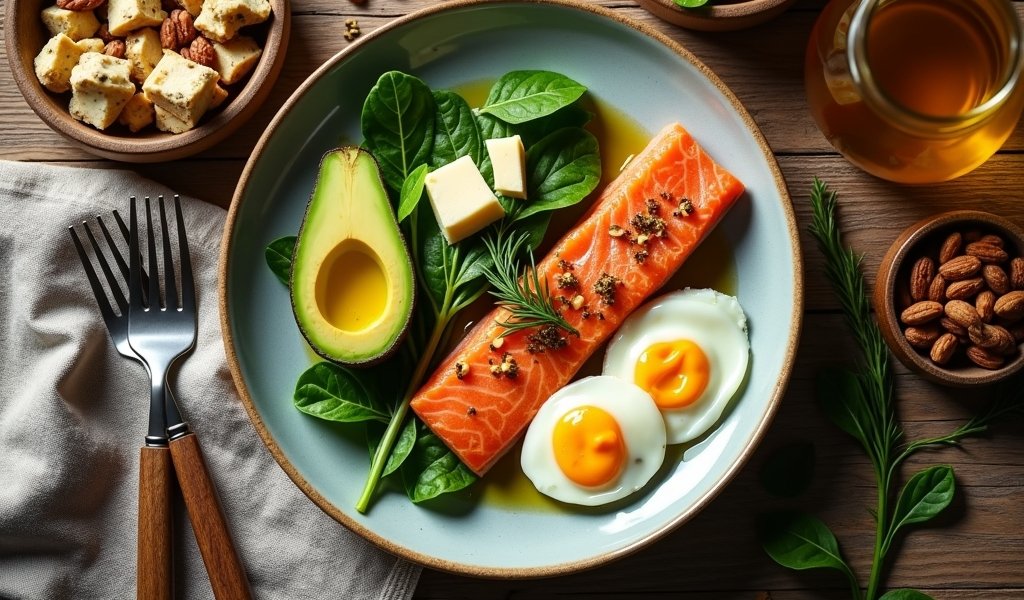
Avocado Egg Boats combine perfectly cooked eggs with nature’s creamiest fruit. Halve a ripe avocado, remove the pit, and slightly enlarge the cavity. Crack an egg into each half, season with salt, pepper, and red pepper flakes, then bake at 425°F for 12-15 minutes until the eggs reach your desired consistency. This simple yet luxurious breakfast delivers 15g of protein and healthy monounsaturated fats that support hormone production and cellular repair.
Cinnamon Chia Pudding offers make-ahead convenience without sacrificing nutrition. Combine ¼ cup chia seeds with 1 cup unsweetened almond milk, 1 tablespoon of powdered erythritol, ½ teaspoon vanilla extract, and ¼ teaspoon cinnamon. Refrigerate overnight, then top with a handful of berries and crushed pecans. This omega-3 rich breakfast promotes cognitive function and provides steady energy through its unique gel-forming fiber.
Savory Breakfast Bowl creates a restaurant-worthy meal with minimal effort. Sauté cauliflower rice in ghee until tender, then top with sliced avocado, two fried eggs, crumbled bacon, and a sprinkle of everything bagel seasoning. This protein-rich breakfast keeps hunger at bay for hours while providing crucial electrolytes that support the body’s adaptation to ketosis.
The beauty of these recipes lies in their flexibility. Personalize each with your preferred spices, varying protein sources, or seasonal vegetables while maintaining the core macronutrient ratios that support ketosis. As keto nutrition experts at Diet Doctor suggest, protein-forward breakfasts tend to promote better satiety and metabolic outcomes than those centering primarily on fat.
Satisfying Lunch and Dinner Keto Recipes
Your keto diet meal plan should feature satisfying main dishes that eliminate any sense of deprivation. These protein-centered recipes deliver exceptional flavor while maintaining optimal macronutrient ratios:
Mediterranean Chicken Skillet brings vibrant flavors to your weeknight rotation. Season chicken thighs with oregano, garlic powder, salt and pepper, then pan-sear until golden. Add cherry tomatoes, kalamata olives, feta cheese, and fresh oregano, simmering until the chicken reaches 165°F. The combination of juicy dark meat with briny olives creates a satisfying fat-to-protein ratio while providing selenium and zinc—minerals essential for thyroid function and immune support.
Zucchini Boat Lasagna reimagines Italian comfort food within keto parameters. Halve zucchini lengthwise, scoop out the centers, and pre-bake for 10 minutes at 375°F. Meanwhile, brown ground beef with Italian seasonings, then mix with sugar-free marinara. Fill each zucchini boat with the meat mixture, top with ricotta and mozzarella cheese, then bake for 25 minutes until bubbly and golden. This family-friendly option transforms a traditionally carb-heavy dish into a nutrient-dense meal with only 8g net carbs per serving.
Blackened Salmon with Avocado Salsa delivers restaurant-quality results in under 20 minutes. Coat salmon fillets with a blend of paprika, cumin, garlic powder, and cayenne, then pan-sear to medium doneness. Top with a simple salsa of diced avocado, red onion, cilantro, lime juice, and salt. This omega-3 rich entrée supports cardiovascular health and provides ideal fatty acid ratios for reducing inflammation.
While these recipes stand beautifully on their own, consider serving them alongside simple non-starchy vegetable sides like lemon-garlic sautéed spinach, roasted Brussels sprouts with bacon, or a crisp arugula salad with champagne vinaigrette. These complementary sides increase nutrient density without significantly impacting carbohydrate totals.
Quick Keto Snack Ideas
Strategic snacking can support your keto diet meal plan by preventing extreme hunger that might otherwise lead to impulsive food choices. These grab-and-go options require minimal preparation while maintaining your metabolic state:
Hard-boiled eggs represent perhaps the perfect keto snack. Batch-cook a dozen eggs weekly for a complete protein source ready whenever hunger strikes. Enhance with a pinch of everything bagel seasoning, a smear of sugar-free mustard, or a sprinkle of Tajin seasoning for variety without additional preparation. Two eggs provide 12g of protein and important choline for brain health.
Cheese crisps offer the satisfying crunch many miss on keto. Simply arrange small mounds of shredded cheddar, parmesan, or provolone on a parchment-lined baking sheet and bake at 375°F for 6-8 minutes until golden and crisp. These portable crisps deliver calcium and conjugated linoleic acid—a fatty acid shown to support fat loss in some research studies.
Avocado with everything bagel seasoning transforms nature’s perfect fat source into a savory treat. Simply halve an avocado, remove the pit, and sprinkle generously with this sesame-garlic-onion blend. This 5-minute snack delivers 15g of primarily monounsaturated fat along with potassium—an electrolyte often depleted during keto adaptation.
For sweet cravings, try coconut yogurt with berries and crushed pecans. Choose unsweetened coconut yogurt (or Greek yogurt if you tolerate dairy), add a small handful of raspberries or blackberries, then top with crushed pecans and a sprinkle of cinnamon. This balanced option provides probiotics, antioxidants, and satisfying texture while keeping net carbs under 7g per serving.
Staying Motivated on Your Keto Journey
Sustaining enthusiasm for your keto diet meal plan requires more than just delicious recipes. Based on my clinical experience, those who maintain long-term success share several common practices that foster commitment through inevitable challenges.
Tracking progress beyond the scale provides motivation when weight loss temporarily plateaus. Consider measuring changes in energy, sleep quality, mood stability, and clothing fit alongside traditional metrics. Many clients report significant non-scale victories like reduced joint pain, clearer skin, or improved digestion that reinforce their commitment even during weight maintenance phases.
Community support dramatically increases adherence rates. Consider joining online forums, local meetup groups, or working with a health coach specialized in ketogenic approaches. Sharing challenges and victories with others following similar paths normalizes the experience and provides practical solutions for common obstacles. As demonstrated in research from the Harvard T.H. Chan School of Public Health, social support significantly impacts dietary adherence.
Meal variety prevents the “food boredom” that often derails nutritional approaches. Commit to trying one new keto recipe weekly, experiment with international flavor profiles, or challenge yourself to use seasonal ingredients creatively. This culinary exploration keeps your meal plan feeling fresh and exciting rather than restrictive.
Finally, flexibility within structure helps navigate real-world challenges. Develop strategies for restaurant dining, travel, and special occasions that maintain ketosis while allowing social engagement. Remember that perfect adherence isn’t necessary for meaningful results—consistency over time matters far more than occasional deviations.
Conclusion
A well-designed keto diet meal plan offers far more than weight management—it provides a comprehensive framework for metabolic health, sustained energy, and culinary satisfaction. By focusing on nutrient-dense whole foods, strategic meal preparation, and delicious recipes that eliminate deprivation, you create a sustainable approach rather than a temporary “diet.”
The seven recipes outlined provide a starting foundation, but the true power lies in adapting these principles to your personal preferences, lifestyle demands, and health goals. Remember that your ketogenic journey is uniquely yours, with flexibility and self-compassion being essential ingredients for long-term success.
As you implement these strategies, pay attention to how different foods affect your individual body. Some thrive on higher protein ratios, while others may benefit from more liberal vegetable intake or intermittent fasting protocols. This personalized approach, guided by consistent observation and adjustment, transforms a standardized meal plan into your personalized blueprint for metabolic health.
Begin with these foundational recipes, embrace the preparation strategies that fit your lifestyle, and appreciate the journey as your body adapts to this powerful metabolic approach. The rewards extend far beyond the physical—many discover a renewed relationship with food, freedom from cravings, and confidence in their nutritional choices that reverberates through all aspects of wellbeing.
Frequently Asked Questions
How many carbs can I eat on a keto diet meal plan?
Most standard ketogenic approaches limit carbohydrates to 20-50g net carbs daily, depending on individual metabolic factors. Net carbs are calculated by subtracting fiber from total carbohydrates.
Will I experience “keto flu” when starting this meal plan?
Many people experience temporary symptoms like fatigue, headaches, and irritability as their bodies adapt to using ketones for fuel. These symptoms can be minimized by increasing electrolytes (sodium, potassium, magnesium) and staying well-hydrated.
Can I follow a keto diet meal plan if I’m vegetarian?
Yes, though it requires careful planning to ensure adequate protein through eggs, cheese, tofu, tempeh, and low-carb protein powders. Vegetarian keto typically allows slightly higher carbohydrate intake from nuts, seeds, and non-starchy vegetables.
How long should I follow a keto diet meal plan to see results?
Most people notice initial water weight loss within days, while fat adaptation and metabolic benefits typically require 3-6 weeks of consistent adherence. Long-term fat loss results vary based on individual factors including metabolism, activity level, and compliance.
Can I drink alcohol on a keto diet meal plan?
Certain alcoholic beverages like dry wines and unflavored spirits contain minimal carbohydrates and can be consumed occasionally within carb limits. However, alcohol metabolism takes priority over fat burning, temporarily pausing ketosis, and often reduces inhibitions around food choices.