

Overview
93/7 ground beef provides exceptional muscle-building benefits due to its high-quality protein content (24g per 4oz serving), complete amino acid profile, and essential micronutrients like iron, zinc, and B vitamins. For optimal muscle growth, consume 4-6 oz portions timed strategically around workouts, prepare using methods that preserve nutritional integrity, and incorporate it as part of a balanced diet with proper protein distribution throughout the day.
Table of Contents
- Understanding 93/7 Ground Beef Nutrition
- Protein Powerhouse: The Foundation of Muscle Growth
- Essential Nutrients in 93/7 Ground Beef for Muscle Development
- Optimal Portions for Maximum Muscle Gains
- Meal Timing: When to Include 93/7 Ground Beef
- Preparation Methods That Preserve Nutritional Value
- Conclusion
- Frequently Asked Questions
Understanding 93/7 Ground Beef Nutrition
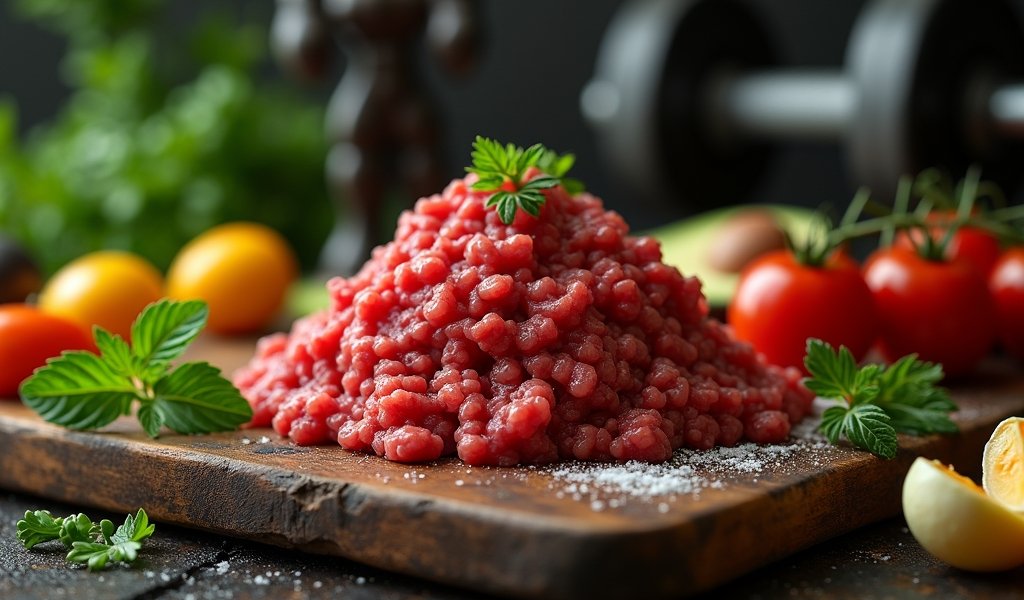
When it comes to building muscle, your protein choices matter significantly. 93/7 ground beef nutrition offers a compelling option for fitness enthusiasts looking to maximize their gains. This lean meat variant contains 93% lean muscle tissue and only 7% fat, making it an excellent protein source without excessive calories from fat.
As a registered dietitian working with athletes for over a decade, I’ve seen remarkable results when clients incorporate properly portioned 93/7 ground beef into their muscle-building regimens. The nutritional profile is impressive: a 4-ounce serving delivers approximately 24 grams of complete protein, containing all nine essential amino acids your body needs but cannot produce on its own.
What makes 93/7 ground beef stand out in the protein landscape is its exceptional bioavailability. The body can utilize nearly all of its protein content for muscle synthesis, unlike some plant proteins that may have lower absorption rates. Additionally, this lean beef option provides crucial micronutrients that support overall performance and recovery.
Let’s explore how the nutritional profile of ground beef can be leveraged specifically for muscle growth. The combination of its macro and micronutrient content creates a powerful foundation for anyone looking to build lean muscle mass effectively.
Protein Powerhouse: The Foundation of Muscle Growth
The most obvious benefit of 93/7 ground beef nutrition for muscle development is its impressive protein content. With approximately 24 grams per 4-ounce serving, it provides nearly half of what most active individuals need in a single meal. This matters because muscle protein synthesis—the process through which your body builds new muscle tissue—requires adequate protein intake distributed throughout the day.
What truly sets beef protein apart is its complete amino acid profile, particularly its leucine content. Leucine serves as the primary trigger for muscle protein synthesis, acting as a metabolic switch that activates the mTOR pathway responsible for muscle growth. A typical serving of 93/7 ground beef contains about 2 grams of leucine—well above the threshold needed to stimulate optimal muscle protein synthesis.
Furthermore, the protein in beef has a Protein Digestibility Corrected Amino Acid Score (PDCAAS) of nearly 1.0, indicating excellent digestibility and amino acid utilization. This means your body can efficiently use the protein you consume for muscle repair and growth rather than oxidizing it for energy or other metabolic processes.
According to research published in the Journal of Nutrition, animal proteins like those found in beef consistently outperform plant proteins in stimulating muscle protein synthesis, particularly important for those engaged in resistance training.
When planning your muscle-building diet, aim to consume 0.7-1 gram of protein per pound of body weight daily, distributed across 4-5 meals. Including 93/7 ground beef in 1-2 of these meals can significantly contribute to meeting these targets while providing superior amino acid composition.
Essential Nutrients in 93/7 Ground Beef for Muscle Development
While protein gets most of the attention, 93/7 ground beef nutrition includes several micronutrients that play crucial roles in muscle development and performance. These “supporting actors” often make the difference between mediocre and exceptional results.
Iron stands out as particularly important for athletes and those looking to build muscle. Each 4-ounce serving of 93/7 ground beef provides approximately 2.5 mg of highly bioavailable heme iron. Unlike plant-based iron sources, heme iron is readily absorbed by the body, supporting oxygen transport to working muscles during exercise and recovery. Iron deficiency can severely limit your training capacity and recovery, making adequate intake essential for progress.
Zinc is another mineral abundantly found in 93/7 ground beef, with around 4.8 mg per serving. This mineral plays a vital role in protein synthesis and hormone production—particularly testosterone, which significantly influences muscle growth potential. Research has shown that maintaining optimal zinc levels can positively impact recovery times and strength development.
Here’s a breakdown of key micronutrients in a 4-ounce serving of 93/7 ground beef:
- Vitamin B12: 2.2 mcg (91% of RDA) – Supports energy production and red blood cell formation
- Selenium: 18 mcg (33% of RDA) – A powerful antioxidant that helps reduce exercise-induced oxidative stress
- Phosphorus: 214 mg (21% of RDA) – Essential for ATP production, the energy currency used during muscle contraction
- Niacin: 5.7 mg (36% of RDA) – Facilitates energy metabolism and helps convert food to usable energy
- Vitamin B6: 0.38 mg (22% of RDA) – Critical for protein metabolism and glycogen utilization
The synergistic effect of these micronutrients supports not only muscle growth but also recovery and overall performance. Dr. Stuart Phillips, a renowned protein metabolism researcher from McMaster University, highlights the importance of these supporting nutrients in optimizing the body’s response to training stimulus.
For vegetarians or those who limit red meat intake, achieving this same micronutrient profile requires careful planning and often supplementation. This gives 93/7 ground beef a distinct advantage as a “one-stop” muscle-building food.
Optimal Portions for Maximum Muscle Gains
Understanding proper portion sizing for 93/7 ground beef is crucial for optimizing muscle growth without unnecessary fat gain. The goal is to provide sufficient protein to stimulate muscle protein synthesis without excessive calories that could lead to fat accumulation.
For most active individuals seeking muscle growth, a serving size of 4-6 ounces (113-170g) of cooked 93/7 ground beef provides an ideal balance. This portion delivers approximately 24-36 grams of high-quality protein, hitting the sweet spot for muscle protein synthesis stimulation, which research suggests occurs with 20-40 grams of complete protein per meal.
Your specific needs may vary based on several factors:
- Body size: Larger individuals typically require larger portions
- Activity level: Higher training volumes increase protein requirements
- Training goals: Aggressive muscle building may warrant higher intakes
- Overall diet composition: Consider your total daily protein from all sources
- Age: Older adults often benefit from slightly higher protein intakes to counter anabolic resistance
A practical approach is to use the palm of your hand as a visual guide—a portion of 93/7 ground beef approximately the size and thickness of your palm typically provides the right amount of protein for muscle development. For those tracking macros more precisely, aim for 0.7-1 gram of protein per pound of body weight daily, with 93/7 ground beef contributing to this total.
It’s worth noting that research indicates muscle protein synthesis benefits from protein distribution throughout the day rather than concentrated in one or two meals. Consider incorporating your ground beef portions in meals spaced at least 3-4 hours apart to maximize the anabolic response.
For example, a 175-pound athlete might aim for 140-175 grams of daily protein, with 93/7 ground beef providing 24-36 grams per meal in 1-2 daily meals. The remaining protein would come from other quality sources like poultry, fish, eggs, dairy, or plant proteins.
Meal Timing: When to Include 93/7 Ground Beef
Strategic timing of your 93/7 ground beef consumption can significantly enhance its muscle-building benefits. While total daily protein intake remains the primary factor for muscle growth, when you consume this nutrient-dense protein source can optimize training adaptations.
The post-workout window presents an ideal opportunity to include 93/7 ground beef in your nutrition plan. After resistance training, your muscles demonstrate increased sensitivity to protein and nutrients for up to 24 hours, with the greatest sensitivity occurring in the first few hours. A meal containing 4-6 ounces of 93/7 ground beef within 2 hours after training provides the complete amino acid profile needed to jumpstart recovery and muscle protein synthesis.
Pre-workout nutrition including 93/7 ground beef can also be beneficial, though timing matters. Consume your beef meal 2-3 hours before training to allow for proper digestion while ensuring amino acid availability during your workout. This approach provides a steady stream of amino acids that can help minimize muscle protein breakdown during training and create a more favorable environment for growth.
For maximum muscle preservation, consider these strategic timing approaches:
- Post-workout meals (within 2 hours): Include 4-6 oz of 93/7 ground beef with carbohydrates to replenish glycogen and maximize the insulin response, which helps shuttle amino acids into muscle tissue
- Pre-sleep protein: Research suggests consuming protein before bed can enhance overnight muscle protein synthesis. A dinner including 93/7 ground beef can provide sustained amino acid release during the early sleep hours
- Breakfast: Starting your day with a protein-rich meal containing 93/7 ground beef can help offset the catabolic (muscle-breaking) effects of overnight fasting
For those practicing intermittent fasting or time-restricted eating, position your 93/7 ground beef meals within your eating window, prioritizing post-workout consumption whenever possible. The muscle-building benefits of 93/7 ground beef nutrition are maximized when timed around your training schedule.
Preparation Methods That Preserve Nutritional Value
How you prepare your 93/7 ground beef significantly impacts its nutritional profile and muscle-building potential. The goal is to preserve protein quality while minimizing the addition of unhealthy fats or excessive calories that could compromise your body composition goals.
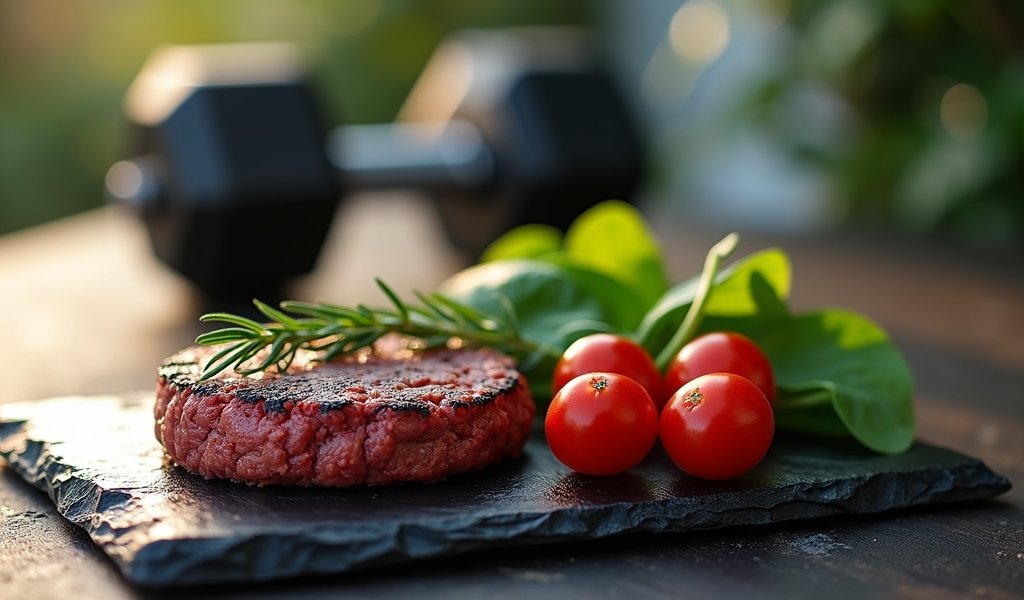
Grilling and broiling stand out as preferred cooking methods for 93/7 ground beef. These techniques allow excess fat to drip away during cooking, further reducing the already modest fat content. Additionally, the high-heat searing creates a delicious crust through the Maillard reaction without requiring additional oils or fats.
When pan-cooking 93/7 ground beef, consider these healthful approaches:
- Use non-stick cookware to eliminate the need for added oils
- If oil is necessary, opt for a small amount of olive oil or avocado oil spray
- Drain any rendered fat after cooking before adding to your meal
- Consider adding vegetables to the pan to absorb flavors without extra calories
- Avoid breading or battering, which adds refined carbs and absorbs excess oil
Seasoning can enhance flavor without compromising nutrition. Skip pre-packaged seasoning mixes that often contain added sugars, excessive sodium, and preservatives. Instead, create your own blends using:
- Anti-inflammatory spices: Turmeric, ginger, garlic, and black pepper
- Fresh or dried herbs: Oregano, basil, thyme, and rosemary
- Low-sodium alternatives: Lemon juice, lime zest, vinegars, or chilis for flavor enhancement
For meal prep convenience, batch cooking 93/7 ground beef can save time while ensuring you have muscle-building protein ready when needed. Properly stored in airtight containers, cooked ground beef maintains its nutritional integrity for 3-4 days in the refrigerator. This approach supports consistency in your nutrition plan—a crucial factor for long-term muscle development.
Interestingly, research from the USDA Agricultural Research Service indicates that moderate cooking can actually increase the digestibility of beef proteins by denaturing their structure, potentially making more amino acids available for muscle synthesis.
Conclusion
93/7 ground beef nutrition offers a powerful combination of high-quality protein and essential micronutrients that can significantly enhance your muscle-building efforts. From its impressive amino acid profile to its bioavailable iron, zinc, and B vitamins, this lean protein source provides comprehensive nutritional support for anyone seeking to optimize muscle growth.
By implementing the strategies discussed—appropriate portions, strategic meal timing, and proper preparation methods—you can maximize the muscle-building benefits of 93/7 ground beef while maintaining a lean physique. Remember that consistency in your overall nutrition plan remains paramount, with 93/7 ground beef serving as a valuable component rather than a magic solution.
For best results, incorporate 93/7 ground beef into a well-rounded diet that includes diverse protein sources, abundant vegetables, appropriate carbohydrates, and healthy fats. Combined with progressive resistance training and adequate recovery, this approach creates the optimal environment for muscle growth and performance enhancement.
Whether you’re an athlete looking to improve performance, a fitness enthusiast seeking to build your physique, or simply someone interested in maintaining muscle mass with age, 93/7 ground beef nutrition deserves consideration as part of your protein strategy. Its exceptional nutrient density and complete amino acid profile make it one of nature’s most effective muscle-building foods.
Frequently Asked Questions
How many calories are in 4 oz of 93/7 ground beef?
A 4 oz serving of cooked 93/7 ground beef contains approximately 170-180 calories. This caloric content includes about 24g of protein and 10g of fat.
Is 93/7 ground beef good for weight loss?
Yes, 93/7 ground beef can support weight loss due to its high protein content and moderate calorie level. Protein promotes satiety and helps maintain muscle mass during caloric deficits.
How does 93/7 ground beef compare to chicken breast nutritionally?
93/7 ground beef contains slightly more calories and fat than chicken breast but offers superior iron, zinc, and B12 content. Both provide similar protein amounts (approximately 24g per 4oz serving).
Can I eat 93/7 ground beef daily for muscle building?
Yes, consuming 93/7 ground beef daily can support muscle building when part of a balanced diet. For optimal health, consider alternating with other protein sources like poultry, fish, and plant proteins.
What’s the difference between 93/7 and 80/20 ground beef for fitness goals?
93/7 ground beef contains significantly less fat (7% vs 20%) and fewer calories than 80/20, making it better suited for lean muscle building. The protein content is similar, but 93/7 offers a more favorable protein-to-fat ratio.