

Overview
This article presents a 7-day gallbladder-friendly diet plan designed to reduce inflammation and support proper bile flow, featuring low-fat meals, gentle cooking methods, and specific foods to embrace or avoid. Beyond diet, it emphasizes the importance of regular exercise, stress management, proper hydration, and adequate sleep for optimal gallbladder health, showcasing real success stories of individuals who experienced significant relief through these dietary changes.
Table of Contents
- Understanding Gallbladder Health: Why Diet Matters
- The Science Behind a Gallbladder-Friendly Diet
- The Ultimate 7-Day Gallbladder Diet Menu Plan
- Foods to Embrace on Your Gallbladder Journey
- Foods to Approach with Caution
- Meal Preparation Tips for Success
- Beyond the Diet: Lifestyle Factors for Gallbladder Health
- Real Success Stories: Transformations Through Diet
- Conclusion: Your Path to Gallbladder Relief
- Frequently Asked Questions
Understanding Gallbladder Health: Why Diet Matters
When your gallbladder speaks, it often does so through the language of discomfort. That small, pear-shaped organ tucked beneath your liver plays a crucial role in digestion, yet many of us only acknowledge its existence when it begins to cause problems. Have you ever experienced that sharp, stabbing pain in your upper right abdomen after enjoying a particularly fatty meal? That’s your gallbladder sending an SOS.
The connection between what we eat and gallbladder health is as intimate as a dance partner relationship. Every time you consume food, particularly fats, your gallbladder contracts to release bile that helps break down those nutrients. When we consistently choose foods that stress this system, the delicate balance can tip toward inflammation, stone formation, or even more serious conditions.
A thoughtfully designed 7-day gallbladder diet menu works like a reset button for this essential organ. Just as you might temporarily modify your exercise routine to nurse an injury, providing your gallbladder with a week of nourishing, gentle foods can create the healing space it desperately needs.
Throughout my fifteen years as a nutritionist specializing in digestive health, I’ve witnessed remarkable transformations when patients commit to this targeted approach. The relief isn’t just physical—it’s emotional too. Imagine moving through your day without the constant fear of when the next gallbladder attack might strike. This possibility is precisely what we’ll explore together.
The Science Behind a Gallbladder-Friendly Diet
Let’s peel back the curtain on why certain foods become either allies or adversaries to your gallbladder. The scientific foundation for a gallbladder-supportive diet isn’t merely anecdotal—it’s rooted in how this organ functions at a biological level.
Your gallbladder serves as a storage reservoir for bile, a digestive fluid produced by your liver that helps break down dietary fats. When functioning optimally, this system runs like a well-oiled machine. However, when the bile becomes imbalanced in composition, it can crystallize into gallstones—much like how sugar crystals form in syrup that’s been left undisturbed.
Research published in the Journal of Clinical Gastroenterology demonstrates that diets high in refined carbohydrates and unhealthy fats significantly increase the likelihood of gallstone formation. Conversely, diets rich in fiber, healthy fats, and plant compounds support bile fluidity and proper gallbladder emptying.
The magic of a well-designed gallbladder diet lies in its focus on reducing inflammation while supporting proper bile flow. It’s comparable to clearing a partially clogged pipe—with the right approach, we can help restore the natural flow and function of this essential digestive component.
What makes our 7-day approach particularly effective is the strategic progression of meals. We begin with gentle, easily digestible options that minimize gallbladder contractions, then gradually incorporate more variety as your system adjusts. This isn’t about permanent restriction—it’s about creating a healing environment where your gallbladder can recover its equilibrium.
The Ultimate 7-Day Gallbladder Diet Menu Plan
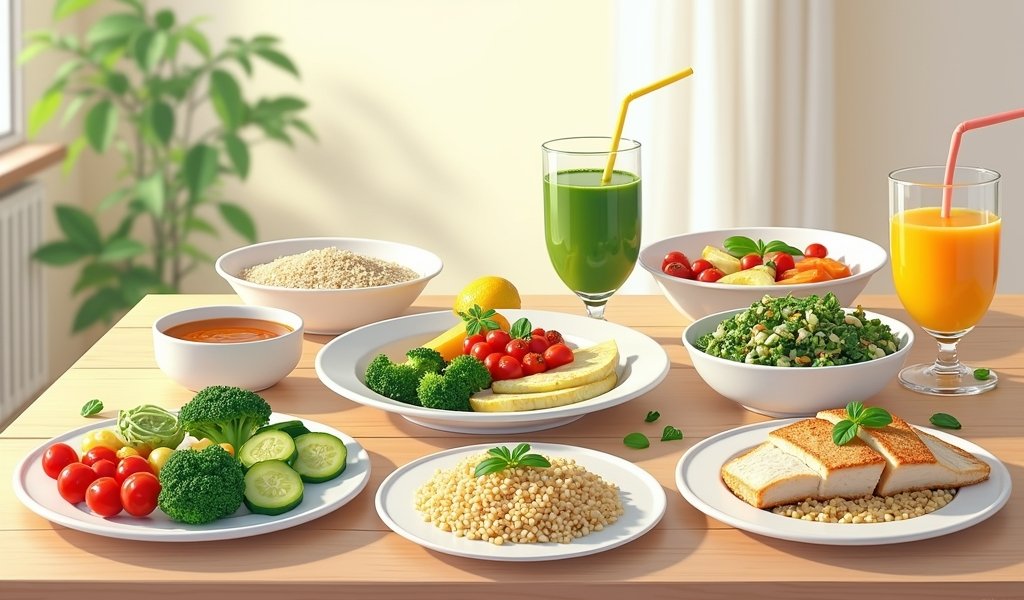
Ready to embark on a week of gallbladder-friendly eating? Here’s your day-by-day roadmap to relief, carefully crafted to balance nutrition with comfort for your sensitive digestive system.
Day 1: Gentle Reset
Breakfast: Warm oatmeal with a sprinkle of cinnamon and sliced banana (avoid adding butter)
Lunch: Clear vegetable broth with steamed carrots and zucchini
Dinner: Baked white fish with steamed rice and asparagus drizzled with a teaspoon of olive oil
Snacks: Applesauce and plain rice cakes
Day 2: Building Foundations
Breakfast: Egg whites scrambled with spinach and a side of fresh berries
Lunch: Quinoa bowl with roasted bell peppers, cucumber, and a light lemon-herb dressing
Dinner: Poached chicken breast with sweet potato and steamed broccoli
Snacks: Fresh pear slices and a small handful of unsalted almonds (limit to 10-12)
Day 3: Introducing Variety
Breakfast: Smoothie made with low-fat yogurt, blueberries, spinach, and chia seeds
Lunch: Lentil soup with carrots, celery, and herbs (light on oil)
Dinner: Baked salmon (wild-caught) with quinoa and roasted Brussels sprouts
Snacks: Apple slices with a tablespoon of almond butter
Day 4: Midweek Balance
Breakfast: Overnight oats prepared with almond milk, cinnamon, and diced apple
Lunch: Greek-style salad with chickpeas, cucumber, tomato, and minimal feta cheese with olive oil and lemon juice
Dinner: Turkey and vegetable stir-fry with brown rice (use minimal oil)
Snacks: Homemade baked sweet potato chips (no oil, just sea salt)
Day 5: Nourishing Expansion
Breakfast: Vegetable frittata made with egg whites, bell peppers, onions, and a touch of turmeric
Lunch: Buddha bowl with quinoa, roasted vegetables, and tahini-lemon dressing (1 tablespoon)
Dinner: Baked cod with herb crust, served with wild rice and steamed green beans
Snacks: Homemade hummus (light on oil) with carrot and cucumber sticks
Day 6: Colorful Variety
Breakfast: Papaya and kiwi fruit salad with a sprinkle of ground flaxseed
Lunch: Warm quinoa salad with roasted root vegetables and a light vinaigrette
Dinner: Grilled chicken breast with sautéed kale and small portion of roasted fingerling potatoes
Snacks: Small bunch of grapes and 2-3 whole grain crackers
Day 7: Sustainable Integration
Breakfast: Whole grain toast topped with avocado slices, microgreens, and a soft-boiled egg
Lunch: Mediterranean bowl with farro, cucumber, cherry tomatoes, olives, and a light drizzle of olive oil
Dinner: Herb-baked white fish, quinoa pilaf, and roasted vegetable medley
Snacks: Baked apple with cinnamon and a small dollop of Greek yogurt
This menu progressively introduces more variety while maintaining a gallbladder-friendly approach. Notice how we’ve carefully controlled fat intake while ensuring you’re still receiving adequate nutrition. The key is moderation and timing—spreading smaller meals throughout the day reduces the demand on your gallbladder at any single time.
Foods to Embrace on Your Gallbladder Journey
Your gallbladder, like a faithful sidekick, will thank you for bringing these allies into your nutritional arsenal. Think of these foods as the healing team that supports your digestive system’s recovery mission.
First and foremost, fresh fruits and vegetables should take center stage on your plate. These plant-powered wonders are low in fat yet rich in fiber—a combination that helps maintain bile fluidity while gently escorting toxins from your system. Apples, berries, pears, leafy greens, and cruciferous vegetables deserve special mention for their anti-inflammatory properties.
Lean proteins become your structural support team during gallbladder healing. Options like skinless poultry, egg whites, and fish (particularly fatty fish like salmon, consumed in moderation) provide essential amino acids without overworking your bile production system. These proteins are like the scaffolding that helps rebuild your health foundation.
Whole grains serve as your sustained energy squad. Brown rice, quinoa, oats, and barley deliver complex carbohydrates and fiber that help regulate cholesterol—a key factor in gallstone prevention. As research from the National Institute of Diabetes and Digestive and Kidney Diseases shows, higher fiber intake correlates with reduced gallstone risk.
Hydration deserves its own spotlight. Water acts as the great facilitator, thinning bile and supporting its proper flow. Imagine your bile ducts as waterways—without sufficient fluid, traffic jams occur. Aim for 8-10 glasses daily, with herbal teas like peppermint and ginger providing additional soothing benefits.
Lastly, don’t underestimate the power of healing herbs and spices. Turmeric, with its curcumin content, has demonstrated impressive anti-inflammatory effects. Cinnamon helps stabilize blood sugar, while dandelion supports liver function—an important consideration since your liver and gallbladder work as inseparable partners.
Foods to Approach with Caution
Just as certain foods nurture your gallbladder health, others can aggravate an already sensitive situation. Understanding which foods to limit is half the battle in your recovery journey.
High-fat foods sit at the top of the caution list, acting like unwelcome guests that demand too much attention from your gallbladder. Each time you consume fatty foods—particularly saturated and trans fats—your gallbladder contracts forcefully to release extra bile. For an inflamed gallbladder, this is like asking someone with a sprained ankle to run a sprint. Specifically, limit fried foods, fatty cuts of meat, full-fat dairy, and processed baked goods that often harbor hidden fats.
Refined carbohydrates and sugars represent another category worth monitoring. These quick-digesting carbohydrates can spike insulin levels and potentially increase cholesterol production in the liver, which may contribute to bile imbalances. Think of these as the fast-burning fuels that can leave your metabolic engine running inefficiently.
Highly processed foods often combine the worst elements—high fat, refined carbohydrates, and excessive sodium. This troublesome trio can create the perfect storm for gallbladder distress. Convenience foods like chips, crackers, and many frozen meals frequently fall into this category.
Alcohol deserves special mention as it can stress both your liver and gallbladder. Like a demanding supervisor, alcohol diverts your liver’s attention away from normal bile production and toward alcohol metabolism. During this healing period, consider taking a complete break from alcohol to give your digestive system the vacation it deserves.
Finally, be attentive to your body’s individual responses. While chocolate or caffeine may not bother some people with gallbladder issues, they might trigger symptoms in others. Your body speaks a unique language—learning to interpret its signals will guide you toward personalized dietary choices that extend beyond any generic recommendation.
Meal Preparation Tips for Success
Setting yourself up for success on the gallbladder diet is all about preparation and technique. Let’s explore the cooking strategies that will make this healing journey both doable and delicious.
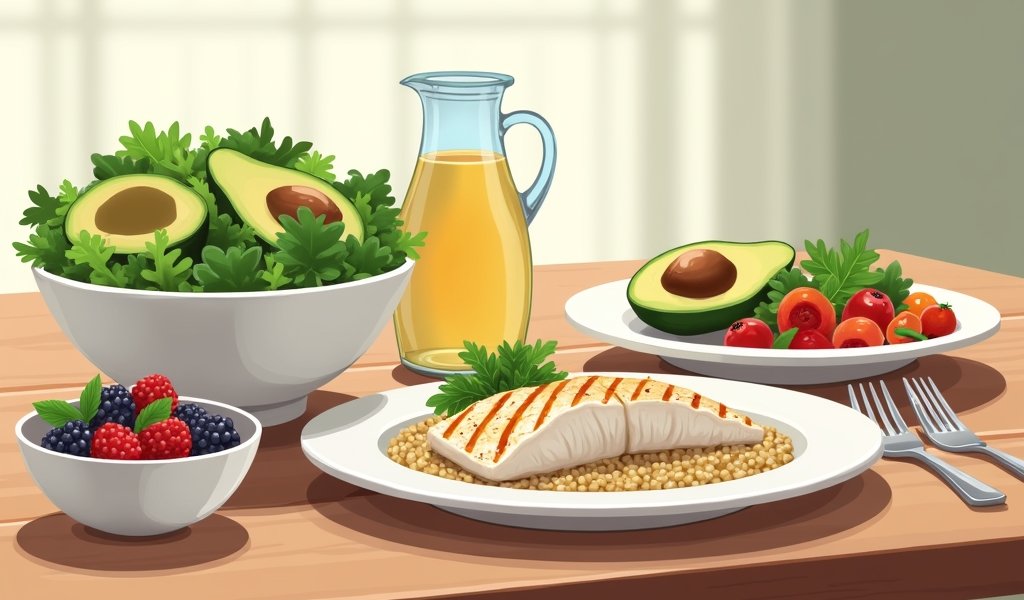
First, embrace the art of batch cooking. Spending a few hours on Sunday preparing staples like brown rice, quinoa, roasted vegetables, and lean proteins creates a foundation for quick meal assembly throughout your busy week. Think of this as creating your personal healthy “fast food” that’s ready when you are.
When it comes to cooking methods, steaming, boiling, poaching, and baking emerge as your gallbladder’s best friends. These techniques require minimal added fats while preserving nutrients and developing flavor. Consider investing in tools that make these methods convenient—a food steamer, slow cooker, or air fryer can revolutionize your gallbladder-friendly cooking.
Flavor building without fat becomes an exciting culinary adventure. Where you might once have relied on butter or oil for taste, now explore the vast landscape of herbs, spices, citrus zests, vinegars, and low-sodium broths. These zero-fat flavor enhancers can transform even the simplest dishes into satisfying culinary experiences. For instance:
- Mediterranean flavors: oregano, basil, lemon, and garlic
- Asian inspirations: ginger, scallions, rice vinegar, and a touch of low-sodium soy sauce
- Warming spices: cinnamon, nutmeg, and cardamom for breakfast dishes
- Fresh herbs: parsley, cilantro, and mint to brighten any meal
Portion control plays a dual role in gallbladder health. Smaller, more frequent meals put less stress on your digestive system than three large ones. Think of your eating schedule as “grazing” rather than “gorging”—this approach maintains steady energy while preventing the gallbladder contractions that large, fatty meals trigger.
Finally, consider the power of presentation. We eat first with our eyes, so taking time to arrange your food attractively can enhance satisfaction without adding calories or fat. Colorful vegetables, garnishes of fresh herbs, and thoughtful plating make your brain register the meal as special and satisfying before you take your first bite.
Beyond the Diet: Lifestyle Factors for Gallbladder Health
While diet forms the cornerstone of gallbladder wellness, it’s just one piece of a larger health puzzle. Imagine your gallbladder healing as a symphony—food provides the main melody, but these additional elements create the harmonies that make the experience complete.
Regular, gentle physical activity serves as a natural stimulant for your digestive system. Unlike intense workouts that might divert blood flow away from digestion, moderate exercises like walking, swimming, or yoga enhance circulation throughout your abdominal organs. Aim for 30 minutes daily, but even short 10-minute sessions deliver benefits. Movement helps prevent bile stagnation—think of it as keeping the rivers of your digestive system flowing freely.
Stress management might seem unrelated to gallbladder function, but the connection runs deeper than you might think. When stress hormones surge, they can alter digestive processes and potentially affect bile composition. Practices like deep breathing, meditation, or progressive muscle relaxation can counteract this stress response. Even five minutes of mindful breathing before meals can shift your body from “fight-or-flight” to “rest-and-digest” mode.
Sleep quality deserves attention in your gallbladder recovery plan. During deep sleep, your body conducts its most profound repair work. Poor sleep can disrupt hormonal balances that influence digestion and metabolism. Create a consistent sleep routine, aiming for 7-9 hours nightly, and consider reducing blue light exposure from screens in the evening hours.
Staying hydrated remains crucial beyond mealtime. Water helps maintain the proper consistency of bile, preventing it from becoming too concentrated and forming stones. A helpful approach: begin each day with a glass of room-temperature water with a squeeze of lemon, which gently supports liver and gallbladder function.
Finally, consider tracking your symptoms alongside these lifestyle factors. A simple journal noting your food intake, physical activity, stress levels, sleep quality, and any symptoms creates valuable patterns that can guide your ongoing self-care. This personalized data often reveals connections that general guidelines might miss.
Real Success Stories: Transformations Through Diet
Abstract advice becomes powerful when we see it manifested in real lives. Let me share a few transformational stories from people who’ve reclaimed their comfort and confidence through the 7-day gallbladder diet approach.
Meet Sarah, a 42-year-old teacher who had been experiencing increasingly frequent gallbladder attacks after meals. “The pain would radiate through my right side and into my back, sometimes so severe I couldn’t stand straight,” she recalls. After adopting the 7-day plan, she noticed significant changes by day four. “Not only did the acute attacks stop, but the constant background discomfort I’d been living with—something I had almost accepted as normal—disappeared too.” Three months later, Sarah maintains a modified version of the diet and has experienced only one mild episode following a restaurant meal heavy in fried foods.
Then there’s Miguel, a 58-year-old accountant who discovered his gallstones during a routine check-up. Initially skeptical about dietary management, he preferred to “wait and see” rather than consider surgical options. “My doctor suggested trying a gallbladder-friendly diet for a month before making decisions,” he explains. Following the 7-day plan as a starting point, Miguel extended the principles into his ongoing eating pattern. Six months later, his follow-up ultrasound showed his gallstones had not increased in size or number. “I’ve lost 18 pounds without trying, and more importantly, I haven’t had a single attack.”
Perhaps most compelling is Janice’s story. At 35, she faced scheduling gallbladder removal surgery when a nutritionist suggested trying the 7-day diet as a pre-surgery preparation. “I wasn’t expecting much—just hoping to prevent attacks until my surgery date,” she admits. To her surprise, the dietary changes made such a difference that after consultation with her doctor, she postponed surgery to continue the dietary approach. “That was nine months ago. I’m still monitoring things closely with my doctor, but I haven’t needed the surgery yet.”
These stories share a common thread: the 7-day gallbladder diet served as a launching pad for sustainable changes. While individual results vary and medical supervision remains essential, these experiences highlight the potential power of focused dietary intervention—not just as a temporary fix, but as a pathway to lasting improvement.
Conclusion: Your Path to Gallbladder Relief
We’ve journeyed together through the landscape of gallbladder health, exploring how what you eat directly influences how you feel. The 7-day gallbladder diet menu isn’t merely a temporary fix—it’s a window into a new relationship with your digestive system.
Remember that healing is rarely linear. Some days you’ll feel tremendous improvement, while others might bring unexpected challenges. This variability doesn’t signal failure but rather represents the natural rhythm of your body finding its balance again. Be patient with yourself as you navigate this path.
While this 7-day plan provides a solid foundation, your long-term success depends on personalizing these principles to fit your unique body and lifestyle. Think of this week as your training wheels—eventually, you’ll develop intuitive understanding of what foods support your gallbladder and which trigger discomfort.
If you’re experiencing gallbladder issues, consider sharing this dietary approach with your healthcare provider. The plan works best as part of a comprehensive treatment strategy that might include medical monitoring and, in some cases, additional interventions. Your health journey is a collaboration between your self-care practices and professional medical support.
As you move forward, carry this essential truth: your daily choices create powerful ripples throughout your digestive health. Each gallbladder-friendly meal represents not just immediate comfort but an investment in your long-term vitality. The body has remarkable healing capabilities when given the right environment—and you’re now equipped to create that environment through informed, intentional eating.
Your journey toward gallbladder health has just begun. May each day bring increasing comfort, confidence in your food choices, and the joy that comes from living without digestive distress.
Frequently Asked Questions
How quickly will I feel relief on the 7-day gallbladder diet?
Many people notice improvement within 3-5 days of starting the diet. Individual results vary depending on the severity of your condition and consistency with the dietary guidelines.
Can I follow this diet long-term?
The 7-day plan is designed as an initial intervention, but its principles can be adapted for longer-term use. Gradually reintroduce a wider variety of foods while maintaining the core gallbladder-friendly approach.
Is this diet appropriate after gallbladder removal?
Yes, many of these dietary principles benefit those who’ve had their gallbladder removed. Your body still needs to adjust to changes in bile flow, and these food choices can support that transition.
Can I have coffee on this diet?
It’s best to avoid or strictly limit caffeine during the initial 7-day period. After that, small amounts of coffee may be reintroduced if you don’t notice symptom triggers.
Should I take supplements while on this diet?
Consult your healthcare provider about appropriate supplements. Some people benefit from bile salts or digestive enzymes, but these should be professionally recommended.