

Overview
This article details seven essential components of a healthy capybara diet: fresh grasses and hay (70-80% of intake), aquatic plants, vegetables and leafy greens (10-15%), limited fruits (5%), specialized rodent feed (10-15%), vitamin C supplementation, and fresh water for both drinking and swimming. The guide emphasizes mimicking capybaras’ natural herbivorous feeding patterns while avoiding common mistakes like offering inappropriate foods or overfeeding, which can lead to serious health issues in these semi-aquatic rodents.
Table of Contents
- Introduction: Understanding the Capybara Diet
- The Natural Diet of Capybaras
- Essential #1: Fresh Grasses and Hay – The Foundation
- Essential #2: Aquatic Plants – A Crucial Component
- Essential #3: Vegetables and Leafy Greens
- Essential #4: Fruits as Occasional Treats
- Essential #5: Specialized Rodent Feed
- Essential #6: Vitamin C Supplementation
- Essential #7: Fresh Water – More Than Just Hydration
- Common Dietary Mistakes to Avoid
- Conclusion: Balancing Nature and Captivity
- Frequently Asked Questions
Introduction: Understanding the Capybara Diet
Capybaras, the world’s largest rodents, have captured attention worldwide with their gentle nature and social personalities. These remarkable creatures require specific dietary care to maintain optimal health, especially in captivity. Their specialized digestive system has evolved to process a primarily plant-based diet efficiently.
As a wildlife nutritionist who’s worked with capybaras for over a decade, I’ve observed firsthand how proper nutrition transforms these animals’ health. Whether you’re caring for a capybara, considering adoption, or simply fascinated by these charming creatures, understanding what capybaras eat is essential for their wellbeing.
In this comprehensive guide, we’ll explore the seven proven essentials of a healthy capybara diet, providing practical knowledge based on both scientific research and hands-on experience with these fascinating animals.
The Natural Diet of Capybaras
Capybaras are native to the wetlands, savannas, and forests of South America, where they’ve evolved as specialized herbivores perfectly adapted to semi-aquatic environments. In the wild, these social rodents spend significant portions of their day grazing near water bodies, consuming various plant materials abundant in their natural habitats.
A wild capybara’s diet changes with the seasons. During wet periods, they feast primarily on fresh grasses, aquatic plants, and tender shoots. When drier conditions prevail, they adapt by consuming tougher vegetation including bark and woody stems. This natural adaptation has shaped their unique digestive system to efficiently process high-fiber foods.
Their cecum (a specialized digestive pouch) contains beneficial bacteria that break down complex plant fibers through fermentation, similar to how rabbits and horses digest their food. This process allows capybaras to extract maximum nutrition from vegetation that many other animals cannot digest effectively, according to research published in Mammalian Biology.
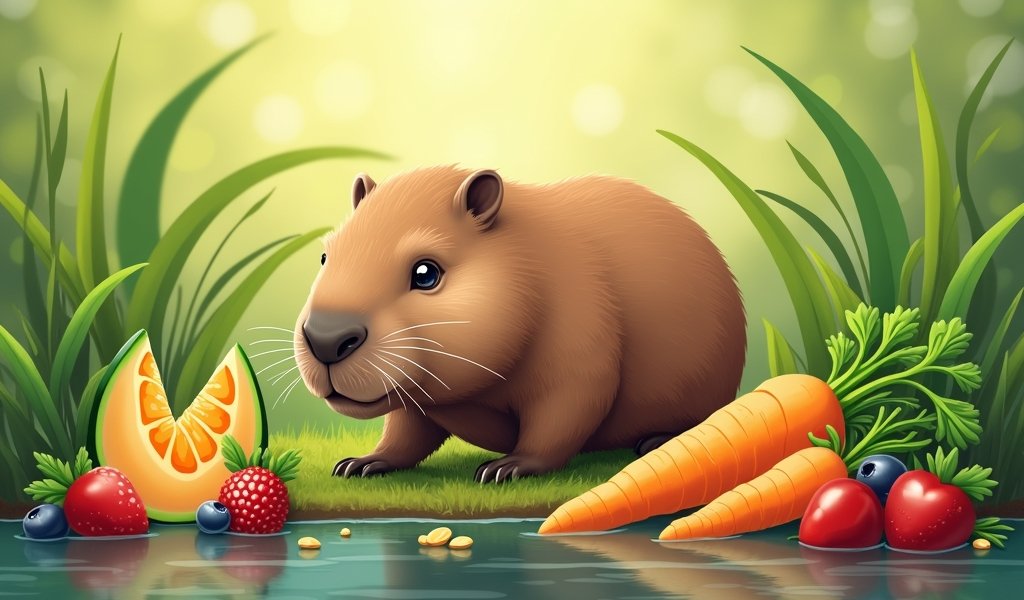
Essential #1: Fresh Grasses and Hay – The Foundation
The cornerstone of any healthy capybara diet is an abundant supply of fresh grasses and quality hay. In their natural habitat, capybaras spend up to eight hours daily grazing on various grass species, making this the most critical component of their diet.
For captive capybaras, grass hay should constitute approximately 70-80% of their daily intake. Timothy, orchard, and meadow hay varieties are excellent choices as they closely mimic the nutritional profile of their natural forage. This high-fiber foundation provides essential nutrients while maintaining proper digestive function.
The benefits of grass and hay extend beyond nutrition:
- Supports dental health through constant chewing (capybaras’ teeth grow continuously)
- Provides necessary fiber to prevent digestive issues
- Satisfies natural grazing behaviors, reducing stress
- Helps maintain healthy weight and muscle tone
Fresh grass, when available from pesticide-free areas, offers additional nutritional benefits. Varieties such as Bermuda, kikuyu, and guinea grass are particularly appropriate. The moisture content in fresh grass also contributes to hydration, an important consideration for these semi-aquatic animals.
Essential #2: Aquatic Plants – A Crucial Component
Given their evolution alongside waterways, aquatic vegetation forms a significant part of a capybara’s natural diet. Water hyacinth, water lettuce, duckweed, and water lilies are staples in the wild. These plants offer unique nutritional profiles distinct from land-based vegetation.
The importance of aquatic plants extends beyond basic nutrition. Their higher moisture content supports hydration, while specific compounds found in these plants appear to benefit digestive health. Interestingly, some research suggests that certain aquatic vegetation contains natural compounds that may help capybaras manage internal parasites—an evolutionary advantage in their wet habitats.
For captive capybaras, incorporating aquatic plants presents challenges but offers substantial benefits. These can be purchased from aquarium suppliers or pond specialty stores. Even occasional inclusion provides valuable dietary diversity and enrichment. If fresh aquatic plants aren’t available, dried alternatives can supplement the diet, though they lack some of the benefits of fresh options.
Essential #3: Vegetables and Leafy Greens
A diverse selection of vegetables and leafy greens provides essential vitamins and minerals to complement the fiber-rich foundation of a capybara’s diet. Dark, leafy greens like kale, romaine lettuce, collard greens, and dandelion leaves offer calcium, vitamin A, and other micronutrients crucial for bone health and immune function.
Root vegetables such as carrots, sweet potatoes, and butternut squash contribute different nutritional elements, including beta-carotene and other antioxidants. These should be offered chopped into manageable pieces to prevent choking and facilitate digestion.
Recommended vegetables for capybaras include:
- Bell peppers (excellent vitamin C source)
- Zucchini and cucumber (high moisture content)
- Celery (provides beneficial minerals)
- Broccoli and cauliflower (in moderation due to potential gas)
- Pumpkin (seasonal treat rich in nutrients)
Vegetables should constitute approximately 10-15% of a capybara’s total diet. Always introduce new vegetables gradually to avoid digestive upset, and ensure they’re thoroughly washed to remove pesticides or contaminants.

Essential #4: Fruits as Occasional Treats
While capybaras enthusiastically accept fruits, these sweet offerings should be provided sparingly. Think of fruits as nature’s candy—delicious but best enjoyed in moderation. The natural sugars, while not inherently harmful, can disrupt gut flora and potentially lead to weight issues when overconsumed.
Appropriate fruits for capybaras include apples (seeds removed), melons, berries, and pears. These should constitute no more than 5% of the total diet, offered as occasional treats rather than dietary staples. When providing fruits, always remove pits, seeds, and rinds, as these can present choking hazards or contain compounds potentially toxic to capybaras.
Beyond their nutritional contribution, fruits serve several practical purposes:
- Enrichment and behavioral stimulation
- Training rewards for positive reinforcement
- Vehicles for medication administration when necessary
- Hydration support during hot weather
The natural sweetness of fruits makes them highly motivating rewards, but their scarcity in the wild diet indicates they should remain limited in captivity. According to veterinary nutritionists at the Exotic Animal Nutrition Foundation, excessive fruit consumption is one of the most common dietary mistakes in exotic herbivore care.
Essential #5: Specialized Rodent Feed
Quality commercial pellets designed for large herbivorous rodents serve as an important nutritional safety net in a capybara’s diet. These formulated feeds help ensure all essential nutrients are present, even when other dietary components might be seasonally limited or varied.
When selecting commercial feed, look for products specifically formulated for large rodents with these characteristics:
- High fiber content (minimum 18%)
- Moderate protein (around 16-18%)
- Low fat content (under 4%)
- No added sugars or artificial colors
- Fortified with vitamins and minerals, especially vitamin C
Guinea pig pellets can serve as a suitable alternative when capybara-specific feed isn’t available, though they may require additional supplementation. Commercial pellets should constitute approximately 10-15% of the total diet, offered daily in clean, heavy bowls that won’t tip easily.
While specialized feed provides nutritional insurance, it should never replace the foundation of fresh hay and vegetation. The goal is balanced nutrition that mimics natural feeding patterns while addressing the specific needs of captive animals.
Essential #6: Vitamin C Supplementation
Like humans and guinea pigs, capybaras cannot synthesize their own vitamin C, making dietary sources essential for preventing deficiency. Vitamin C (ascorbic acid) plays crucial roles in immune function, collagen formation, and wound healing. Without adequate intake, capybaras can develop serious health complications, including scurvy.
Natural sources of vitamin C include:
- Bell peppers (particularly red ones)
- Kale and other dark leafy greens
- Broccoli and cauliflower
- Citrus fruits (offered sparingly due to sugar content)
For captive capybaras, especially those with limited access to fresh foods, additional supplementation may be necessary. Vitamin C tablets designed for guinea pigs can be crushed and mixed with favorite foods, or liquid supplements can be added to water (though this must be refreshed daily as vitamin C degrades quickly in solution).
The recommended daily vitamin C intake ranges from 50-100mg per kilogram of body weight, though this should be verified with a veterinarian familiar with capybara care. Regular monitoring for signs of deficiency—including rough coat, lethargy, or joint pain—helps ensure adequate supplementation.
Essential #7: Fresh Water – More Than Just Hydration
Water is not merely a dietary component for capybaras—it’s an essential element of their entire existence. These semi-aquatic mammals require constant access to fresh, clean water for drinking, but their water needs extend far beyond basic hydration.
Capybaras must have access to water for swimming and soaking, as regular immersion helps regulate their body temperature and maintain skin health. Without adequate water access, they can develop skin problems, stress-related behaviors, and even digestive issues.
For captive capybaras, water requirements include:
- Large, clean containers sufficient for partial or complete immersion
- Easy entry and exit points to prevent accidents
- Regular water quality monitoring and maintenance
- Temperature-appropriate water (not too cold in winter)
Swimming provides exercise that promotes healthy gut motility and prevents digestive stasis. This connection between water access and digestive health is often overlooked but critically important for capybaras’ overall wellbeing. In many ways, water acts as both environment and nutrient for these specialized rodents.
Common Dietary Mistakes to Avoid
Even well-intentioned caretakers can make dietary mistakes that impact capybara health. Among the most common errors is offering inappropriate foods that can cause digestive upset or long-term health issues.
Foods to avoid include:
- Chocolate, caffeine, and alcohol (toxic to most animals)
- High-starch foods like bread, pasta, and cereals
- Processed human snacks high in salt, sugar, or artificial ingredients
- Avocado, onions, and garlic (can cause digestive distress)
- Animal products, which their herbivorous systems cannot properly digest
- Iceberg lettuce (low nutritional value and potential digestive issues)
Overfeeding represents another significant concern. Captive capybaras typically require fewer calories than their wild counterparts while still needing the same nutrient density. Obesity can lead to joint problems, heart issues, and reduced lifespan—common issues when portion control is overlooked.
Watch for warning signs of dietary imbalance, including weight changes, altered fecal consistency, lethargy, or changes in coat quality. Early intervention can prevent more serious health complications from developing.
Conclusion: Balancing Nature and Captivity
The path to a healthy capybara begins and ends with proper nutrition. By incorporating these seven dietary essentials—fresh grasses and hay, aquatic plants, vegetables and leafy greens, limited fruits, specialized rodent feed, vitamin C supplementation, and constant water access—you create the foundation for your capybara to thrive.
The art of capybara nutrition lies in mimicking their natural feeding patterns while adapting to the constraints of captivity. This delicate balance requires attention, education, and sometimes adjustment based on individual needs.
Remember that dietary needs evolve throughout a capybara’s life, requiring periodic reassessment. By staying informed and observant, you honor the unique evolutionary adaptations that make these remarkable creatures so special. A well-fed capybara isn’t just healthy—it’s a testament to responsible exotic pet stewardship and respect for the wonders of the natural world.
Frequently Asked Questions
Can capybaras eat meat or animal products?
No, capybaras are strict herbivores with digestive systems designed exclusively for plant matter. Feeding them meat or animal products can cause serious digestive upset and health problems.
How much should I feed my adult capybara daily?
An average adult capybara requires approximately 2-3% of its body weight in food daily, primarily as hay and fresh vegetation. This typically translates to 1-2 pounds of food per day for a typical 100-pound adult capybara.
Do capybaras need vitamin supplements?
Vitamin C supplementation is essential since capybaras cannot produce this vitamin themselves. Other vitamins and minerals are usually adequate if the diet includes diverse vegetation and quality commercial feed.
Can capybaras eat the same food as guinea pigs?
Yes, guinea pig food is suitable as part of a capybara’s diet due to similar nutritional needs, particularly the vitamin C requirements. However, capybaras require larger quantities and more dietary variety, especially grasses and aquatic plants.
How often should I change my capybara’s water?
Drinking water should be changed daily, while swimming water requires monitoring and filtration systems similar to small pools. Water quality is essential for preventing skin issues and bacterial infections.