

Overview
A clear liquid diet consists of transparent, easily digested liquids that provide essential hydration while minimizing strain on the digestive system, typically prescribed for short periods (2-3 days) before medical procedures or during recovery from digestive conditions. The article outlines ten recommended options including bone broth, vegetable broth, and coconut water, while emphasizing that this diet should be medically supervised due to its nutritional limitations and requires careful transitioning back to regular foods.
Table of Contents
- What is a Clear Liquid Diet?
- When is a Clear Liquid Diet Needed?
- Top 10 Clear Liquid Diet Foods for Healing and Energy
- Benefits of Following a Clear Liquid Diet
- Potential Limitations of Clear Liquid Diets
- Creating a Balanced Clear Liquid Diet Plan
- Transitioning Back to Regular Foods
- Conclusion
- Frequently Asked Questions
What is a Clear Liquid Diet?
A clear liquid diet consists of transparent, easily digested liquids that provide essential hydration and some energy while putting minimal strain on your digestive system. Unlike other dietary approaches, clear liquid diet foods are specifically chosen to leave no undigested residue in your intestinal tract. The transparency test is simple—if you can read a newspaper through it, it typically qualifies as a clear liquid.
As a clinical dietitian who has guided hundreds of patients through pre-procedure and recovery phases, I’ve seen firsthand how the right clear liquids can support healing while providing comfort during challenging times. While not nutritionally complete for long-term use, these foods serve as gentle nourishment when your body needs digestive rest.
The beauty of clear liquid diet foods lies in their simplicity—they’re quickly absorbed, rarely trigger digestive distress, and help maintain essential hydration when solid foods aren’t appropriate. Let’s explore when this specialized approach is necessary and the most beneficial options to include.
When is a Clear Liquid Diet Needed?
Clear liquid diets serve specific medical purposes and are rarely recommended without professional guidance. As temporary nutritional approaches, they’re typically prescribed in the following scenarios:
- Pre-surgical preparation (typically 24-48 hours before procedures)
- Before certain diagnostic tests like colonoscopies or endoscopies
- During initial recovery from gastrointestinal surgeries
- Managing acute digestive conditions like pancreatitis, diverticulitis flares, or bowel obstructions
- Early stages of recovering from severe vomiting, diarrhea, or foodborne illness
Healthcare providers recommend clear liquids in these situations to reduce fecal volume, prevent tissue irritation, and minimize digestive demands while maintaining basic hydration. Unlike a liquid diet that might include dairy, smoothies, or purees, clear liquids leave virtually no undigested material in your digestive tract.
According to research from Mayo Clinic, clear liquid diets are designed to keep you hydrated while providing some carbohydrates and electrolytes when full nutrition isn’t possible or advisable. The transparency of these liquids ensures they’re quickly absorbed and minimize stimulation to an already stressed digestive system.
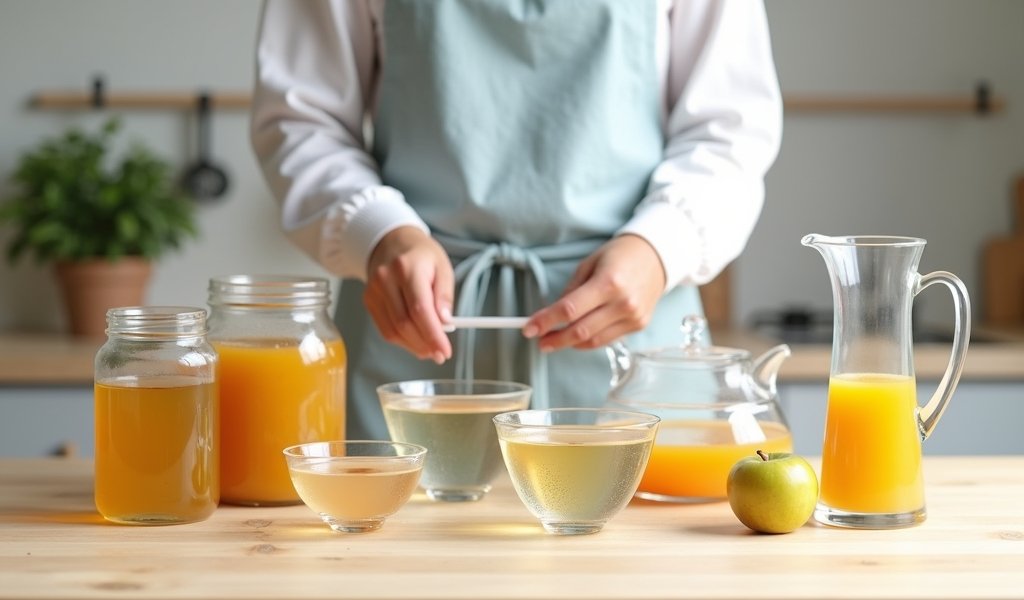
Top 10 Clear Liquid Diet Foods for Healing and Energy
When following a clear liquid diet, quality choices matter tremendously for maintaining strength and supporting healing. Here are the 10 most beneficial clear liquid diet foods that provide hydration along with essential nutrients:
1. Bone Broth
Premium bone broth stands as the nutritional powerhouse of clear liquid options. Simmered for hours from quality bones, it delivers a remarkable amino acid profile including glycine, proline, and glutamine that support tissue repair. Unlike standard broths, properly prepared bone broth provides trace minerals that help maintain electrolyte balance during restricted eating.
For best results, choose homemade or high-quality commercial versions without added starches or cream. The savory richness provides satisfaction while supporting gut lining integrity during digestive recovery phases.
2. Vegetable Broth
Plant-based clear broths offer an excellent alternative for those avoiding animal products. Quality vegetable broths provide potassium, magnesium and phytonutrients while maintaining the clear liquid standard. For maximum nutritional benefit, look for versions made from slow-simmered organic vegetables without added thickeners.
The mild flavor profile makes vegetable broth an excellent base for herbal tea blends or as a warming alternative when sweet liquids become overwhelming.
3. Coconut Water
Natural coconut water provides an ideal electrolyte profile including potassium, magnesium, and sodium in bioavailable forms. This isotonic liquid helps maintain proper fluid balance while providing a modest 45-60 calories per cup from natural fruit sugars.
Choose pure, unsweetened varieties without added flavors to ensure transparency and digestibility. The natural electrolyte balance makes coconut water particularly valuable during recovery from diarrhea or heavy perspiration when electrolyte replacement is crucial.
4. Clear Fruit Juices (Apple, White Grape, Cranberry)
Filtered fruit juices provide easily absorbed carbohydrates and modest vitamin content. Apple juice offers natural pectin compounds that can help soothe digestive tissues, while cranberry juice provides proanthocyanidins that support urinary tract health during periods of reduced fluid intake.
For best digestibility, choose varieties without pulp and consider diluting with water to reduce sugar concentration. Limiting to 4-6 ounces per serving helps prevent excessive sugar intake while still providing energy and flavor variety.
5. Clear Sports Drinks
Formulated electrolyte beverages provide sodium, potassium and glucose in specific ratios designed for efficient absorption. The balanced formulation helps maintain proper fluid balance and provides readily available energy in easily digestible form.
While not ideal for everyday nutrition, sports drinks serve a valuable role when caloric intake is severely limited. Choose varieties without artificial colors when possible, and consider diluting full-strength versions by 50% to moderate sugar content.
6. Tea (Without Milk)
Clear tea provides beneficial plant compounds and gentle hydration with minimal digestive demands. Varieties like ginger tea offer natural compounds that help reduce nausea, while peppermint tea provides menthol that can ease digestive discomfort and reduce spasms.
Herbal options also present valuable diversity when taste fatigue sets in during extended clear liquid phases. For maximum benefit, brew fresh rather than using bottled preparations with additives.
7. Clear Honey
Small amounts of clear honey provide rapidly available carbohydrates along with trace enzymes and antimicrobial properties. The glucose-fructose balance in honey offers sustained energy compared to simple sugars, making it ideal for adding to teas or diluted fruit juices.
Limit to 1-2 teaspoons per serving to avoid excessive sugar while benefiting from honey’s soothing properties for irritated throat tissues during recovery periods.
8. Clear Gelatin (Without Fruit Pieces)
Prepared clear gelatin provides easily digested protein fragments along with a satisfying texture change from purely liquid options. The collagen derivatives in gelatin support connective tissue health and may benefit gut lining integrity during recovery phases.
Prepare with fruit juice rather than water for additional nutrient content, and serve at cool room temperature for easy consumption. Avoid products with artificial dyes when possible, opting for naturally colored versions.
9. Clear Hard Candy
While not nutritionally significant, clear hard candies stimulate saliva production and provide modest glucose when other options aren’t available. This can be particularly valuable for patients experiencing dry mouth from medications or when taste alterations make other liquids unappealing.
Choose varieties without filled centers or fruit pieces to maintain the clear liquid standard. Limit to 2-3 pieces daily to avoid excessive simple sugar intake.
10. Strained Vegetable Water
The cooking liquid from vegetables like carrots, celery and spinach provides valuable water-soluble vitamins and minerals in easily absorbed form. This often-overlooked option adds nutritional diversity to a restricted regimen without adding digestive burden.
Season lightly with approved herbs to enhance palatability, and serve warm for maximum comfort. This preparation provides trace nutrients that may be missing from commercial broths and beverages.
Benefits of Following a Clear Liquid Diet
When medically indicated, clear liquid diet foods offer several significant advantages that support healing and recovery. Understanding these benefits helps highlight why this temporary approach proves valuable in specific circumstances:
- Reduces digestive workload, allowing inflamed or healing tissues to recover with minimal irritation
- Maintains essential hydration during periods when normal food intake isn’t possible
- Provides rapidly absorbed carbohydrates that prevent ketosis and severe catabolism
- Eliminates potential allergens and irritants that could compromise digestive healing
- Creates optimal conditions for diagnostic imaging by eliminating digestive residue
- Supports gentle reintroduction of nutrition after prolonged NPO (nothing by mouth) periods
- Prevents mechanical irritation to surgical sites in the digestive tract
Recent clinical research also suggests that brief periods on clear liquids may support beneficial changes in gut microbiome composition during recovery from certain digestive conditions. The simplicity of clear liquid diet foods allows for precise control of intake while ensuring that essential hydration requirements are met.
While not nutritionally complete, these easily digested options bridge the critical gap between complete fasting and more substantial nutrition during vulnerable recovery periods. The key lies in selecting nutrient-dense options when possible and transitioning to more complete nutrition as soon as medically appropriate.
Potential Limitations of Clear Liquid Diets
Despite their therapeutic value in specific circumstances, clear liquid diet foods come with important limitations that necessitate proper medical supervision. Being aware of these constraints helps ensure appropriate implementation and expectations:
- Insufficient protein content for long-term muscle maintenance
- Limited micronutrient profile, particularly fat-soluble vitamins and minerals
- Inadequate caloric density for sustained energy needs beyond 2-3 days
- Restricted fiber content may disrupt normal bowel function with prolonged use
- Potential for blood sugar fluctuations due to predominance of simple carbohydrates
- Risk of electrolyte imbalances without careful selection and monitoring
These limitations explain why clear liquid diets are typically prescribed for the shortest duration necessary to achieve specific medical objectives. According to Dr. David Johnson, Professor of Medicine and Chief of Gastroenterology at Eastern Virginia Medical School, “Clear liquid diets should typically be viewed as short-term therapeutic interventions rather than nutrition plans, with transitions to more complete nutrition occurring as soon as clinically appropriate.”
Patients with diabetes, kidney disease, or certain metabolic conditions require particularly careful monitoring when following clear liquid protocols. For those transitioning to a low residue diet after clear liquids, gradual introduction of easily digested foods helps prevent digestive distress while expanding nutritional intake.

Creating a Balanced Clear Liquid Diet Plan
When following medical guidance for a clear liquid diet, thoughtful planning helps maximize nutrition and comfort during this restricted phase. Here’s a framework for creating a balanced approach with clear liquid diet foods:
Sample Daily Schedule
Morning:
- 6:00 AM: 8 oz warm bone broth with approved seasonings
- 8:00 AM: 4 oz diluted apple juice (50/50 with water)
- 10:00 AM: 8 oz herbal tea with 1 tsp clear honey
Midday:
- 12:00 PM: 8 oz vegetable broth with approved herbs
- 2:00 PM: 6 oz coconut water
- 4:00 PM: Clear gelatin prepared with white grape juice
Evening:
- 6:00 PM: 8 oz savory bone or vegetable broth
- 8:00 PM: 4 oz clear sports drink (diluted)
- Before bed: Warm herbal tea with small amount of honey
Practical Tips for Success
Maintaining comfort and adequate intake during a clear liquid diet requires some practical strategies:
- Vary temperatures throughout the day—warm broths provide comfort while chilled options offer refreshment
- Rotate between savory and lightly sweetened options to prevent flavor fatigue
- Use approved herbs like basil, thyme, or mint to enhance flavor without adding solids
- Schedule liquids every 2-3 hours to maintain steady energy and hydration
- Track intake to ensure you’re consuming at least 64 ounces of total clear liquids daily
- Prepare homemade bone broth in advance when possible for superior nutrition and flavor
- Use small amounts of salt in broths to help maintain electrolyte balance
Remember that clear liquid diet foods are designed for specific medical purposes and short durations. Always follow your healthcare provider’s guidance about timing, specific restrictions, and when to transition to more substantial nutrition.
Transitioning Back to Regular Foods
The progression from clear liquid diet foods to normal eating represents a critical phase that requires careful management. Rushing this transition often triggers digestive distress that can undermine previous healing. Based on clinical experience, here’s a prudent approach:
Step 1: Full Liquids (1-2 days)
Begin by incorporating non-clear liquids that still minimize digestive demands:
- Strained cream soups (without chunks)
- Milk or plant-based milk alternatives
- Smooth yogurt without fruit pieces
- Nutritional supplement drinks
- Fruit nectars (strained)
Step 2: Soft, Low-Fiber Foods (2-3 days)
Progress to easily digested solids with minimal residue:
- Well-cooked, skinless white fish
- Eggs (particularly scrambled)
- White toast with small amount of butter
- Well-cooked white rice or pasta
- Ripe bananas
- Applesauce
Step 3: Gradual Expansion
Systematically reintroduce additional foods, spacing new additions to identify any problematic items:
- Well-cooked, tender vegetables
- Lean protein sources
- Soft fruits without skins
- Small amounts of healthy fats
Throughout this progression, maintain adequate hydration and pay attention to how your body responds to each new addition. If digestive discomfort occurs, temporarily return to the previous level until symptoms resolve. This methodical approach minimizes stress on a healing digestive system while gradually restoring nutritional completeness.
Conclusion
Clear liquid diet foods serve as a valuable therapeutic tool when properly implemented for specific medical purposes. By understanding both the benefits and limitations of options like bone broth, vegetable broth, and carefully selected clear beverages, patients can maximize healing potential during restricted eating phases.
The 10 proven clear liquid diet foods highlighted in this guide provide essential hydration along with modest nutritional support during periods when digestive rest takes priority. From the amino acid richness of quality bone broth to the electrolyte balance of natural coconut water, these options help bridge the gap between fasting and regular eating.
Remember that clear liquid diets are temporary interventions, not long-term nutrition plans. Their value comes from providing gentle nourishment while creating optimal conditions for diagnostic procedures or recovery from specific medical conditions. With proper medical supervision and thoughtful implementation, these simple but purposeful foods can support your body’s healing processes until more complete nutrition becomes appropriate.
Always work closely with your healthcare provider to determine the appropriate duration and specific components of a clear liquid diet for your individual situation. This partnership ensures you receive both the therapeutic benefits of digestive rest and appropriate progression to nutritionally complete eating as your condition improves.
Frequently Asked Questions
How long can someone safely stay on a clear liquid diet?
Most medical professionals recommend limiting clear liquid diets to 2-3 days maximum. Extended use can lead to protein malnutrition, electrolyte imbalances, and muscle loss.
Can I have coffee on a clear liquid diet?
Plain black coffee without cream or milk is generally acceptable on a clear liquid diet. However, limit consumption as caffeine can sometimes irritate the digestive tract.
Are protein shakes allowed on a clear liquid diet?
Standard protein shakes are not considered clear liquids due to their opacity and protein content. Only transparent, residue-free liquids are permitted during this phase.
What can I do about hunger while on a clear liquid diet?
Spacing your clear liquids every 1-2 hours and including options like bone broth can help manage hunger. Warm liquids tend to provide greater satiety than cold options.
Is it normal to feel weak while on a clear liquid diet?
Mild fatigue is common due to reduced calorie intake. Serious weakness, dizziness, or confusion warrant immediate medical attention as they may indicate electrolyte imbalances.