
Overview
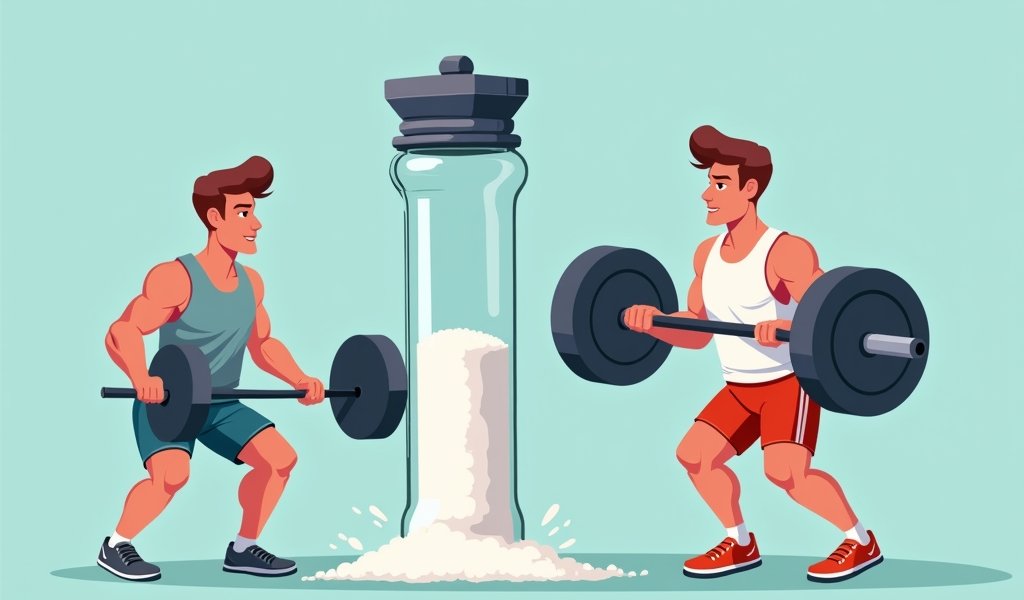
This article identifies sodium-rich salt as the number one cause of high blood pressure, explaining how excessive sodium intake (primarily from processed foods) forces the body to retain water, increasing blood volume and arterial pressure. It outlines practical strategies to reduce sodium consumption, including adopting the DASH or Mediterranean diet, replacing salt with herbs and spices, cooking at home more frequently, and making complementary lifestyle changes like regular exercise, weight management, and stress reduction.
Table of Contents
- Understanding High Blood Pressure: The Silent Killer
- Salt and Sodium: The Number One Culprit
- Hidden Sodium Sources in Your Diet
- Processed Foods: A Major Contributor
- Healthy Alternatives to High-Sodium Foods
- Dietary Approaches to Combat High Blood Pressure
- Lifestyle Changes to Support Healthy Blood Pressure
- Conclusion: Taking Control of Your Blood Pressure
- Frequently Asked Questions
Understanding High Blood Pressure: The Silent Killer
High blood pressure (hypertension) affects nearly half of American adults, yet many don’t realize they have it. As a cardiologist with over 15 years of clinical experience, I’ve seen firsthand how the number one food that causes high blood pressure can silently damage the cardiovascular system without showing obvious symptoms. That’s why hypertension has earned its reputation as the “silent killer.”
When your heart pumps blood, it creates pressure against your arterial walls. When this pressure consistently measures above 130/80 mmHg, you have hypertension. Left untreated, it significantly increases your risk of heart attack, stroke, kidney disease, and many other serious health problems.
While genetics and lifestyle factors contribute to hypertension, diet plays a particularly crucial role. Understanding which foods elevate your blood pressure can empower you to make informed choices that protect your cardiovascular health.
Salt and Sodium: The Number One Culprit
The research is conclusive: sodium-laden salt stands as the number one food that causes high blood pressure for most people. Your body maintains a delicate fluid balance, and when you consume excess sodium, your kidneys can’t eliminate it efficiently. This causes your body to retain water, increasing blood volume and putting extra pressure on your arteries.
According to the American Heart Association, adults should consume no more than 2,300mg of sodium daily, with an ideal target of 1,500mg for most adults. Yet the average American consumes over 3,400mg daily, primarily from processed and restaurant foods rather than the salt shaker.
The relationship between salt and blood pressure is particularly strong in people who are “salt-sensitive” – about 60% of people with hypertension. For these individuals, even modest sodium reductions can lower systolic blood pressure by 5-7 mmHg, a significant improvement that reduces cardiovascular risk.
Hidden Sodium Sources in Your Diet
Most people are surprised to learn that table salt represents only about 10% of their daily sodium intake. The real culprits lurk in places you might not expect. These “hidden sodium” sources contribute significantly to making salt the number one food that causes high blood pressure:
- Bread and rolls (up to 230mg per slice)
- Pizza (up to 760mg per slice)
- Sandwiches and burgers (up to 1,000mg each)
- Cold cuts and cured meats (up to 1,050mg per serving)
- Canned soups (up to 940mg per cup)
- Tacos and burritos (up to 1,000mg each)
- Savory snacks like chips and pretzels (up to 300mg per ounce)
- Cheese (up to 400mg per ounce)
- Condiments like soy sauce (up to 1,000mg per tablespoon)
The insidious nature of these sodium sources makes them particularly dangerous. Unlike the salt you consciously add while cooking, these hidden sources quietly contribute to elevated blood pressure without your awareness.
Even foods that don’t taste particularly salty can contain significant sodium. For instance, a serving of whole grain bread might contain more sodium than a serving of potato chips. This makes reading nutrition labels an essential skill for blood pressure management.
Processed Foods: A Major Contributor
Processed foods deserve special attention when discussing the number one food that causes high blood pressure. These convenience items typically contain staggering amounts of sodium, often with a single meal exceeding your entire day’s recommended intake.
Fast food represents one of the most problematic categories. A single fast-food burger, fries, and soda meal can contain over 2,000mg of sodium. Restaurant meals often fare no better, with some entrées containing 3,000mg or more.
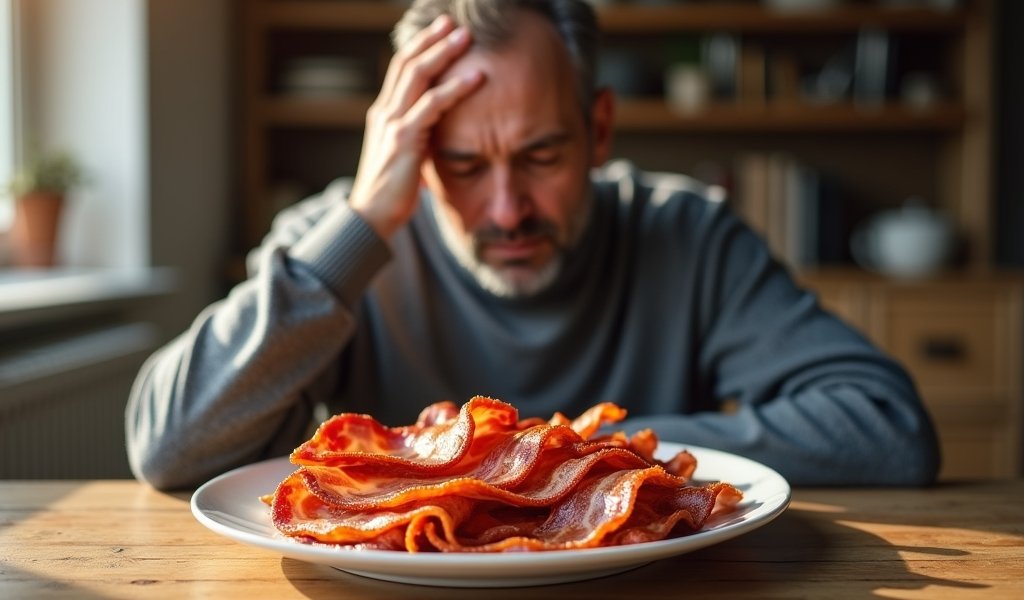
Processed meats like bacon, sausage, hot dogs, and deli meats contain particularly high sodium levels due to their preservation methods. Research from the American Heart Association links these foods to significantly higher hypertension risk, independent of their sodium content.
Even foods marketed as “healthy” can harbor excessive sodium. Canned vegetables, packaged vegetarian meals, and bottled salad dressings often contain surprising amounts of sodium as preservatives or flavor enhancers.
Understand that food manufacturers add sodium for multiple reasons:
- Preservation (extending shelf life)
- Flavor enhancement (especially in low-fat foods)
- Texture improvement
- Color maintenance
- Fermentation control (in breads and cheeses)
The ubiquitous nature of sodium in processed foods makes them particularly problematic for blood pressure management. Learning to identify and avoid these high-sodium options constitutes an essential step in controlling hypertension through diet.
Healthy Alternatives to High-Sodium Foods
Managing your blood pressure doesn’t mean resigning yourself to bland meals. You can still enjoy delicious, flavorful foods while avoiding the number one food that causes high blood pressure. Here’s how:
Replace salt with herbs and spices to add flavor without sodium. Basil, oregano, thyme, rosemary, cumin, and many others can transform ordinary dishes into culinary delights. Acids like lemon juice, vinegar, and wine also enhance flavor without raising blood pressure.
Choose fresh or frozen vegetables instead of canned varieties, which typically contain added sodium. If you must use canned vegetables, rinse them thoroughly under running water to remove up to 40% of the sodium.
Cook at home more often to control exactly what goes into your food. Restaurant meals and takeout typically contain far more sodium than homemade alternatives. When you prepare meals from scratch, you can gradually reduce the salt in your recipes as your palate adjusts.
Look for “low-sodium,” “reduced sodium,” or “no salt added” versions of your favorite products. Be aware that “reduced sodium” simply means the product contains at least 25% less sodium than the original – it may still be high in absolute terms.
Incorporate more fresh fruits and vegetables into your diet. Not only are these foods naturally low in sodium, but they’re also rich in potassium, which helps counteract sodium’s blood pressure-raising effects. Health-related fitness improves significantly when you base your diet on fresh, whole foods.

Dietary Approaches to Combat High Blood Pressure
Beyond simply avoiding the number one food that causes high blood pressure, certain dietary patterns can actively help lower your numbers. The most thoroughly researched and effective is the DASH diet (Dietary Approaches to Stop Hypertension).
DASH emphasizes:
- Fruits and vegetables (8-10 servings daily)
- Whole grains (6-8 servings daily)
- Low-fat dairy (2-3 servings daily)
- Lean proteins like fish, poultry, and beans
- Limited red meat, sweets, and added sugars
- Nuts, seeds, and legumes (4-5 servings weekly)
Studies show that following the DASH eating plan can lower systolic blood pressure by 8-14 mmHg, comparable to some prescription medications. Combined with sodium reduction, the effects are even more pronounced.
The Mediterranean diet offers another effective approach for blood pressure management. This eating pattern emphasizes olive oil, fish, nuts, and abundant plant foods while limiting red meat. Research confirms its efficacy for reducing hypertension risk and improving overall cardiovascular health.
Certain specific foods deserve special attention for their blood pressure-lowering properties:
- Beets and beet juice (contain natural nitrates that relax blood vessels)
- Berries (rich in flavonoids that improve vascular function)
- Dark chocolate with at least 70% cocoa (contains flavanols that increase nitric oxide)
- Bananas, potatoes, and avocados (excellent potassium sources)
- Fatty fish like salmon and mackerel (provide omega-3 fatty acids)
- Pistachios and other nuts (contain L-arginine that helps produce nitric oxide)
Understanding fitness definition in biology helps us appreciate how these dietary patterns support optimal physiological functioning. When we provide our bodies with the right nutrients in the right proportions, our cardiovascular system can operate at peak efficiency.
Lifestyle Changes to Support Healthy Blood Pressure
While avoiding the number one food that causes high blood pressure is crucial, it works best as part of a comprehensive approach to cardiovascular health. Integrating these lifestyle modifications with dietary changes produces the most significant improvements:
Maintain a healthy weight. Even modest weight loss (5-10% of your current weight) can substantially reduce blood pressure. For every 2.2 pounds (1 kg) you lose, your systolic blood pressure may decrease by about 1 mmHg.
Exercise regularly. Aim for at least 150 minutes of moderate activity or 75 minutes of vigorous activity weekly. Activities like brisk walking, swimming, cycling, and dancing are particularly effective for blood pressure management.
Limit alcohol consumption. While small amounts may temporarily lower blood pressure, excessive alcohol intake contributes to hypertension. Limit consumption to no more than one drink daily for women and two for men.
Manage stress effectively. Chronic stress elevates blood pressure and often leads to unhealthy coping behaviors like overeating, especially high-sodium comfort foods. Practices like meditation, deep breathing, yoga, and adequate sleep help mitigate stress effects.
Quit smoking. Each cigarette temporarily increases blood pressure, and smoking damages blood vessels. Quitting improves cardiovascular health remarkably quickly, with benefits beginning within hours.
Monitor your blood pressure regularly. Home monitoring helps you understand how dietary and lifestyle factors affect your numbers. Share these readings with your healthcare provider to guide treatment decisions.
Remember that medications may still be necessary, even with excellent dietary habits. If prescribed antihypertensive medications, continue taking them as directed while implementing these lifestyle changes. Over time, your doctor may be able to reduce your dosage as natural approaches take effect.
Conclusion: Taking Control of Your Blood Pressure
The evidence clearly identifies sodium-rich salt as the number one food that causes high blood pressure for most people. By understanding how salt affects your cardiovascular system and where hidden sodium lurks in your diet, you can take meaningful steps toward better health.
Start by reading food labels and gradually reducing your sodium intake. Replace highly processed foods with fresh alternatives, and experiment with herbs, spices, and other flavorful ingredients that don’t raise blood pressure. Consider adopting proven dietary patterns like DASH or Mediterranean eating styles, which provide comprehensive frameworks for cardiovascular health.
Remember that controlling hypertension involves more than just diet. Regular exercise, weight management, stress reduction, and other lifestyle factors play crucial roles. Work with healthcare providers to develop a personalized plan that addresses all aspects of blood pressure management.
By taking these steps, you transform from a passive recipient of medical care to an active participant in your health journey. The power to control your blood pressure—and by extension, your cardiovascular future—lies largely in your daily choices about what you eat and how you live.
Frequently Asked Questions
How quickly will reducing salt intake lower my blood pressure?
Many people see improvements within 2-4 weeks of significantly reducing sodium intake. Blood pressure may drop by 5-10 mmHg or more, depending on your salt sensitivity and how much you reduce consumption.
Can I eat any salt if I have high blood pressure?
Yes, small amounts of salt are necessary for bodily functions. Aim for less than 2,300mg of sodium daily (about one teaspoon of salt), with 1,500mg being ideal for most adults with hypertension.
Are sea salt and kosher salt healthier alternatives to table salt?
No, all salt types contain similar amounts of sodium by weight. While sea salt and kosher salt may contain trace minerals, they affect blood pressure similarly to table salt.
Is salt the only food that raises blood pressure?
While salt is the primary dietary culprit, foods high in saturated fat, trans fat, and added sugars can also contribute to hypertension. Alcohol consumption beyond moderate levels also raises blood pressure.
How can I tell if a packaged food is high in sodium?
Check the Nutrition Facts label and look for sodium content per serving. Foods with more than 20% of the Daily Value (460mg) per serving are considered high in sodium, while those with 5% or less (115mg) are low-sodium choices.