
Overview
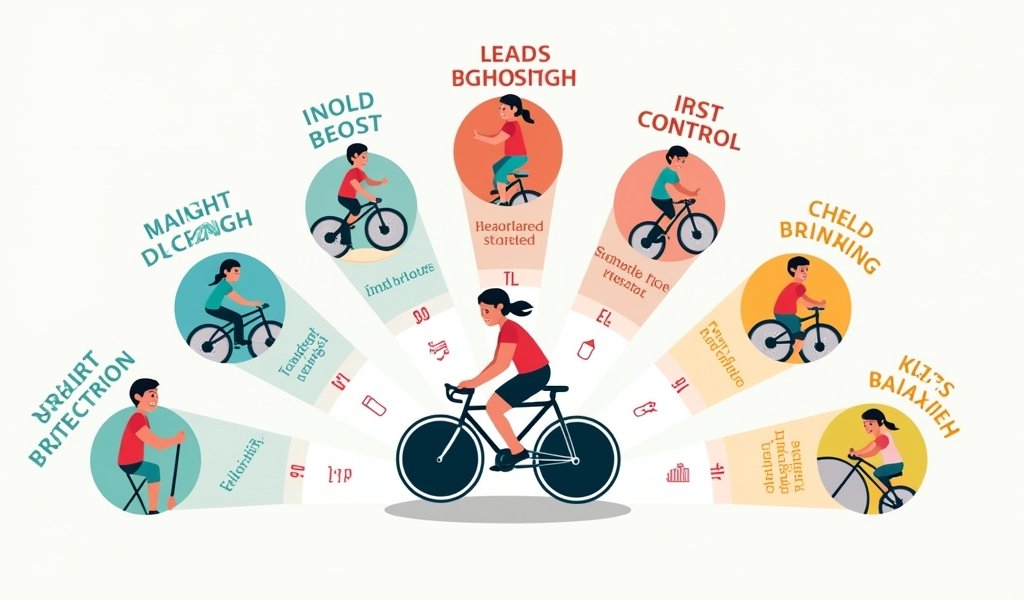
Cycling offers seven major health benefits: improved cardiovascular health, lower body strengthening, weight management, joint-friendly exercise, mental health enhancement, better balance and coordination, and practical everyday convenience. Regular biking delivers a powerful combination of physical and mental advantages while being gentle on joints, making it an ideal exercise option for people of all ages and fitness levels.
Table of Contents
- Is Riding a Bike Good Exercise?
- How Cycling Impacts Your Body
- Benefit 1: Cardiovascular Health Improvements
- Benefit 2: Lower Body Strength and Toning
- Benefit 3: Weight Management and Metabolic Benefits
- Benefit 4: Joint-Friendly Low-Impact Exercise
- Benefit 5: Mental Health and Stress Reduction
- Benefit 6: Improved Balance and Coordination
- Benefit 7: Convenience and Sustainability
- How to Start Cycling for Fitness
- Conclusion
- Frequently Asked Questions
Is Riding a Bike Good Exercise?
Is riding a bike good exercise? As a sports medicine physician with over 15 years of experience working with athletes of all levels, I can confidently say that cycling stands as one of the most effective, accessible, and enjoyable forms of exercise available. Cycling offers a remarkable combination of cardiovascular conditioning, muscle strengthening, and mental health benefits while being gentler on your joints than many other activities.
From improving heart health and boosting metabolism to enhancing mood and providing practical transportation, cycling delivers multiple health dividends with each pedal stroke. What makes biking particularly valuable in our modern health landscape is its versatility – it works equally well as intense interval training or gentle recovery exercise, and can be enjoyed indoors on a stationary bike or outdoors exploring nature.
In this comprehensive guide, we’ll explore the seven most significant health benefits of cycling, backed by recent research and clinical experience. Whether you’re considering dusting off an old bike in your garage or upgrading your existing cycling routine, understanding these benefits may provide the motivation you need to make cycling a regular part of your fitness regimen.
How Cycling Impacts Your Body
When you climb onto a bicycle and begin pedaling, you initiate a cascade of beneficial physiological responses throughout your body. Unlike isolated exercises that target specific muscle groups, cycling engages multiple systems simultaneously, creating a symphony of health-promoting effects.
At the most fundamental level, cycling is an aerobic exercise that elevates your heart rate and deepens your breathing. Your cardiovascular system responds by pumping more oxygen-rich blood to working muscles, while your respiratory system works more efficiently to exchange carbon dioxide for fresh oxygen. Over time, this cardiorespiratory challenge strengthens your heart muscle and improves lung capacity.
Simultaneously, the pedaling motion activates several major muscle groups. Your quadriceps, hamstrings, and calf muscles generate the power for each downstroke, while your glutes provide stability and additional force. Core muscles engage to maintain balance, and even upper body muscles contribute to steering and maintaining posture, especially during challenging rides.
What’s particularly remarkable about cycling is how it accomplishes this full-body engagement while minimizing impact stress. Unlike running, where each footfall sends shock waves through your skeletal system, cycling creates a smooth, circular motion that builds strength and endurance without jarring your joints. This makes it an ideal exercise for people across the lifespan, from developing athletes to active seniors.
According to a landmark study published in The Lancet, regular cycling is associated with reduced risk of cardiovascular disease and cancer, contributing to longer, healthier lives. Let’s explore the specific benefits that make cycling such a powerhouse for physical and mental wellness.

Benefit 1: Cardiovascular Health Improvements
Perhaps the most significant benefit of regular cycling is its profound impact on heart health. As an aerobic exercise, cycling strengthens the heart muscle itself, making it more efficient at pumping blood throughout your body. This efficiency translates to a lower resting heart rate and reduced blood pressure over time – two critical markers of cardiovascular health.
The rhythmic nature of pedaling increases your heart rate to the ideal training zone without excessive strain. This sweet spot of cardiovascular exertion – challenging enough to stimulate adaptation but sustainable enough for longer sessions – is precisely what makes cycling so effective for heart health. Research published in the European Heart Journal found that regular cyclists had approximately 15% fewer heart attacks compared to non-cyclists.
Beyond heart function, cycling also improves your vascular health by enhancing the condition of your blood vessels. The increased blood flow during cycling helps maintain arterial flexibility and function, potentially reducing the risk of atherosclerosis (hardening of the arteries). Additionally, regular cycling has been shown to improve cholesterol profiles by raising beneficial HDL cholesterol while lowering harmful LDL cholesterol and triglycerides.
What makes cycling particularly valuable for cardiovascular health is its adaptability. You can easily modulate intensity through gearing, cadence, and terrain to create the perfect cardiovascular challenge for your current fitness level. Whether you’re recovering from a cardiac event or training for competition, cycling offers a customizable approach to heart health that few other exercises can match.
Benefit 2: Lower Body Strength and Toning
While often categorized primarily as cardiovascular exercise, cycling delivers remarkable strength benefits, particularly for the lower body. Each pedal stroke engages multiple muscle groups in a coordinated fashion, building functional strength that translates to improved performance in daily activities.
The quadriceps (front thigh muscles) generate much of the downward force during pedaling, making them primary beneficiaries of cycling’s strengthening effects. Meanwhile, hamstrings and calf muscles assist in the pedaling motion, creating a balanced development across the entire leg. The gluteal muscles (buttocks) provide power and stability, particularly when climbing hills or riding in a standing position.
What makes cycling uniquely effective for muscle development is the combination of endurance and resistance training it provides. During longer rides, muscles develop slow-twitch fibers that enhance endurance, while tackling hills and sprints builds more powerful fast-twitch fibers. This dual approach creates well-rounded muscle development that pure resistance training often misses.
The muscle-toning benefits extend beyond mere aesthetics. Stronger legs improve functional capacity for everyday movements like climbing stairs, rising from chairs, and walking distances. Additionally, the increased muscle mass from regular cycling boosts your basal metabolic rate, helping you burn more calories even when at rest.
For those concerned about building “bulky” muscles, rest assured that cycling typically produces lean, toned muscles rather than hypertrophy (significant size increases). The resistance in cycling is generally moderate and sustained – perfect for developing functional strength and improved muscle definition without excessive bulk.
Benefit 3: Weight Management and Metabolic Benefits
Cycling stands out as one of the most effective exercises for calorie expenditure and weight management. Depending on intensity and body weight, cycling can burn anywhere from 400-1000 calories per hour – making it comparable to other high-energy activities like running but with significantly less joint impact.
What makes cycling particularly valuable for weight management is its sustainability. Because it’s low-impact and can be adjusted for intensity, most people can cycle for longer durations than they might engage in more demanding exercises. This extended exercise time creates a larger caloric deficit without the exhaustion or soreness that might derail consistency.
Beyond simple calorie burning, cycling triggers important metabolic adaptations. Regular rides increase insulin sensitivity, helping your body process glucose more efficiently and potentially reducing the risk of type 2 diabetes. According to research in the journal PLOS Medicine, habitual cycling was associated with a 20% lower risk of developing type 2 diabetes.
Cycling also activates AMPK (adenosine monophosphate-activated protein kinase), an enzyme that serves as a metabolic master switch, promoting fat oxidation and mitochondrial biogenesis. In simpler terms, regular cycling helps your body become more efficient at using fat for fuel while building more cellular powerhouses (mitochondria) that enhance overall energy production.
Perhaps most importantly, cycling represents sustainable exercise that people genuinely enjoy. Unlike punitive workout regimens that feel like punishment, cycling often becomes a pleasurable activity that people look forward to – whether for the scenery, social aspects, or the simple joy of movement. This enjoyment factor dramatically improves adherence, the most critical factor in long-term weight management success.

Benefit 4: Joint-Friendly Low-Impact Exercise
One of cycling’s most significant advantages is its exceptional joint-friendliness. Unlike high-impact activities such as running or team sports, cycling places minimal stress on your weight-bearing joints, particularly the knees, hips, and ankles. This makes it an ideal exercise option for people across the lifespan, including those with existing joint issues or those recovering from injuries.
The biomechanics of cycling create a smooth, circular motion where your body weight is supported by the bicycle, dramatically reducing impact forces. Research indicates that cycling produces forces of approximately 1.2 times body weight through the knees, compared to 3.5-5 times body weight during running. This substantial reduction in joint loading allows for longer exercise durations with minimal joint stress.
For those with osteoarthritis or previous joint injuries, cycling offers a pathway to maintain fitness without exacerbating symptoms. The controlled movement helps nourish joint cartilage through increased circulation while strengthening surrounding muscles that provide joint support and stability. Many physical therapists prescribe stationary cycling as rehabilitation for knee injuries precisely because it strengthens the joint with minimal strain.
Additionally, proper cycling form promotes joint alignment and balanced muscle development. By adjusting your bike to fit your body proportions correctly, you can create optimal biomechanics that may actually improve joint function over time. Many cyclists report decreased joint pain with regular riding as the supporting musculature becomes stronger and more balanced.
For aging populations concerned about preserving mobility, cycling represents a perfect balance – challenging enough to stimulate cardiovascular and muscular adaptations while gentle enough to be sustainable for decades. This combination of effectiveness and joint protection makes cycling uniquely valuable as a lifelong exercise option.
Benefit 5: Mental Health and Stress Reduction
The benefits of cycling extend well beyond physical fitness, offering powerful mental health advantages that many riders cite as their primary motivation. The rhythmic nature of pedaling creates a meditative effect that can dramatically reduce stress hormones while elevating mood-enhancing neurochemicals.
During cycling, your body releases endorphins, dopamine, and serotonin – often collectively referred to as “feel-good” hormones. These neurochemicals create the classic “runner’s high” that many cyclists experience, characterized by reduced anxiety, elevated mood, and even mild euphoria. Regular cyclists often describe this state as a form of moving meditation that clears mental clutter and promotes psychological well-being.
Research supports these subjective experiences. A study published in the Journal of Affective Disorders found that regular exercise including cycling was comparable to medication and psychotherapy in treating mild to moderate depression. The combination of rhythmic movement, exposure to nature (for outdoor cycling), achievement, and sometimes social interaction creates a powerful antidote to modern stressors.
Outdoor cycling offers additional mental health benefits through exposure to natural environments. “Green exercise” – physical activity in natural settings – has been shown to reduce cortisol (stress hormone) levels more effectively than equivalent indoor exercise. The changing scenery and connection with nature provide a cognitive refresh that many find restorative amid demanding daily lives.
Even indoor cycling delivers significant mental health benefits. The focused attention required, combined with the sense of accomplishment and physiological responses, creates a powerful stress-management tool. Many cyclists report that regular riding improves their sleep quality, cognitive function, and overall sense of well-being – benefits that ripple through all aspects of life.
Benefit 6: Improved Balance and Coordination
Cycling engages and enhances your proprioceptive system – your body’s internal awareness of position and movement – in ways that many exercises don’t. The constant micro-adjustments required to maintain balance while pedaling build neural pathways that improve overall coordination and spatial awareness.
This balance training effect becomes particularly valuable as we age. According to research in the Journal of Gerontology, activities requiring dynamic balance, such as cycling, help maintain the vestibular system and proprioceptive reflexes that prevent falls – a leading cause of serious injury among older adults. Regular cyclists typically demonstrate better balance and faster reaction times than age-matched non-cyclists.
Beyond basic balance, cycling enhances the coordination between multiple body systems. Your visual processing, vestibular (inner ear) system, proprioception, and motor control all work together seamlessly when navigating a bicycle. This integration strengthens neural connections and improves overall movement efficiency, benefits that transfer to other physical activities and daily tasks.
For children and adolescents, cycling represents an excellent activity for developing fundamental motor skills and confidence in movement. The balance and coordination gained through regular cycling create a foundation of movement literacy that supports athletic development in multiple domains.
Even for experienced athletes, cycling offers unique proprioceptive challenges, particularly in disciplines like mountain biking or technical road descending. These skills build a more resilient neuromuscular system capable of responding appropriately to unexpected movement challenges – a valuable capacity for preventing injuries in daily life.
Benefit 7: Convenience and Sustainability
Unlike many forms of exercise that require special facilities, specific schedules, or ideal weather conditions, cycling offers remarkable flexibility. Whether commuting to work, running errands, enjoying recreational rides, or training indoors on a stationary bike, cycling easily integrates into daily life in ways that make consistency more achievable.
This convenience factor shouldn’t be underestimated. The best exercise program is ultimately the one you’ll maintain, and cycling’s versatility makes it exceptionally sustainable long-term. You can cycle year-round, in various weather conditions (with appropriate gear), at times that suit your schedule, and at intensities matching your current fitness level and energy.
Cycling also represents an environmentally sustainable form of both transportation and recreation. By replacing car trips with cycling when feasible, you reduce carbon emissions while simultaneously improving your health – a rare win-win in our modern world. One study estimated that shifting just 20% of urban car trips to bicycle trips would save over 1,100 premature deaths annually in a major metropolitan area through combined environmental and health benefits.
From an economic perspective, cycling offers exceptional value. While quality bicycles represent an initial investment, the per-use cost quickly becomes minimal compared to gym memberships, fitness classes, or motorized transportation. A well-maintained bicycle can provide thousands of hours of exercise with minimal ongoing costs, making it one of the most accessible forms of fitness available.
Finally, cycling’s gentle nature makes it remarkably sustainable from a physical perspective. Many cyclists continue riding well into their 70s, 80s, and even 90s – something rarely seen with higher-impact activities. This lifelong accessibility makes cycling an investment in both immediate and long-term health.
How to Start Cycling for Fitness
If you’re convinced that cycling might be right for you, here’s how to begin a sustainable cycling practice that delivers the benefits we’ve discussed:
Start with proper equipment
- Choose a bike that fits your body and intended use (road, hybrid, mountain, etc.)
- Invest in a quality helmet and consider cycling shorts for comfort on longer rides
- Have your bike professionally fitted if possible – proper positioning prevents injuries
- For indoor cycling, consider a stationary bike or trainer that converts your regular bicycle for indoor use
Begin gradually
- Start with 20-30 minute rides at a conversational pace
- Aim for consistency rather than intensity in the early weeks
- Gradually increase duration before adding significant intensity
- Allow adequate recovery between rides, especially when starting out
Set realistic goals
- Establish a weekly cycling frequency that fits your schedule (2-4 times per week is ideal for beginners)
- Consider tracking distance, duration, or specific routes to measure progress
- Join cycling challenges or events for motivation
- Remember that consistency trumps perfection – regular moderate rides provide more benefit than occasional intense sessions
Make it enjoyable
- Explore scenic routes that make riding pleasurable
- Consider group rides for social motivation
- Use music, podcasts, or audiobooks for indoor sessions (while maintaining safety outdoors)
- Celebrate milestones to reinforce your cycling habit
Remember that cycling, like any exercise program, should be approached progressively. Listen to your body, adjust as needed, and consult healthcare professionals if you have existing health conditions. The goal is sustainable activity that enhances your life rather than creating additional stress.
Conclusion
So, is riding a bike good exercise? The evidence overwhelmingly suggests that cycling stands among the most effective, accessible, and sustainable forms of exercise available. From strengthening your cardiovascular system and building lower body power to improving mental health and offering practical transportation, cycling delivers a remarkable range of benefits with each pedal stroke.
What distinguishes cycling from many other forms of exercise is its exceptional balance of effectiveness and gentleness. Few activities offer comparable caloric expenditure and fitness benefits while simultaneously protecting joints and remaining accessible across the lifespan. This combination makes cycling not just good exercise, but possibly ideal exercise for many people.
Whether you’re recovering from injury, maintaining fitness through middle age, seeking stress relief, or training for peak performance, cycling offers a customizable approach that can meet you where you are and grow with you. The bike, in all its variations, represents one of humanity’s most brilliant inventions – a simple machine that extends our physical capabilities while simultaneously improving our health.
As a health professional who has witnessed countless fitness trends come and go, I can confidently say that cycling stands the test of time. Its proven benefits, accessibility, and inherent enjoyment factor create a perfect storm of sustainable health promotion. If you’re looking for an exercise that delivers comprehensive benefits while being genuinely enjoyable, it might be time to experience the simple joy and profound health benefits of cycling.
Frequently Asked Questions
Is cycling better than walking for fitness?
Cycling generally burns more calories per hour than walking and provides greater cardiovascular benefits. However, walking offers more weight-bearing benefits for bone density, so ideally incorporating both into your routine provides complementary advantages.
How long should I cycle to get a good workout?
For health benefits, aim for at least 30 minutes of moderate-intensity cycling most days of the week. Greater benefits come with longer durations, with 45-60 minute sessions providing optimal results for most fitness goals.
Will cycling give me big leg muscles?
Cycling typically develops lean, toned leg muscles rather than bulky ones. The endurance nature of cycling promotes muscle definition without significant hypertrophy unless combined with specific strength training.
Is indoor cycling as effective as outdoor riding?
Indoor cycling provides comparable cardiovascular and muscular benefits to outdoor riding. Outdoor cycling may offer additional benefits including balance improvements, vitamin D exposure, and often greater psychological benefits from nature exposure.
Can cycling help me lose belly fat?
Regular cycling can help reduce overall body fat, including abdominal fat, through caloric expenditure and metabolic improvements. Combining cycling with proper nutrition creates the caloric deficit necessary for fat loss throughout the body.