

Overview
This article presents a complete guide to maximizing fat burn through cycling, covering proper form, high-intensity interval training, consistent routines, nutrition, progress tracking, and recovery strategies. The author emphasizes that effective fat loss through cycling requires a balanced approach that combines strategic workouts with proper recovery and nutrition, rather than focusing solely on exercise duration or intensity.
Table of Contents
- Introduction to Bike Exercise for Fat Burning
- Why Cycling Is an Effective Fat Burner
- Proper Form and Setup for Maximum Fat Burn
- Intensity Matters: HIIT on a Bike
- Creating a Consistent Cycling Routine
- Nutrition and Hydration for Cycling Success
- Track Your Progress for Motivation
- The Importance of Recovery
- Conclusion
- Frequently Asked Questions
Introduction to Bike Exercise for Fat Burning
Pedaling your way to fitness might just be one of the most enjoyable routes to a healthier you. As someone who’s spent over 15 years guiding clients through their fitness journeys, I’ve seen firsthand how bike exercise transforms bodies and lives. Remember Jenny, a client who shed 35 pounds simply by implementing strategic cycling into her routine? She’s not alone.
Bike exercise offers a perfect blend of cardiovascular conditioning and lower-body strengthening without the harsh impact that running inflicts on your joints. Whether you’re spinning on a stationary bike in your living room while catching up on your favorite show or exploring scenic trails outdoors, cycling provides versatile fat-burning opportunities for nearly everyone.
What makes cycling particularly effective for fat loss is its dual ability to torch calories during your workout while simultaneously boosting your metabolic rate for hours afterward. This “afterburn effect,” scientifically known as excess post-exercise oxygen consumption (EPOC), means you continue burning calories long after you’ve showered and moved on with your day.
Ready to transform your cycling sessions from casual pedaling to fat-melting workouts? Let’s dive into seven evidence-based strategies that will revolutionize your bike exercise routine and help you achieve those fat loss goals more efficiently than ever before.
Why Cycling Is an Effective Fat Burner
Before we jump into specific strategies, let’s understand why cycling deserves a spot in your fat-burning arsenal. Back in college, I was that guy who thought only weightlifting could transform physiques – until I tore my ACL and discovered the transformative power of cycling during rehabilitation.
Cycling primarily targets your lower body, engaging major muscle groups including your quadriceps, hamstrings, calves, and glutes. When these large muscles activate simultaneously, they demand significant energy, which translates to impressive calorie expenditure. According to Harvard Health, a 155-pound person can burn approximately 260-298 calories during just 30 minutes of moderate cycling.
Unlike high-impact exercises that can leave your joints crying for mercy, cycling offers a smooth, fluid motion that minimizes stress on your ankles, knees, and hips. This means you can exercise longer and more frequently without the recovery time needed after more jarring activities.
The beauty of cycling’s fat-burning potential lies in its adaptability. From gentle recovery rides to lung-busting sprint intervals, you can easily adjust resistance, speed, and duration to match your fitness level and goals. One day you might focus on endurance with a steady 45-minute session; the next, you could crush a 20-minute high-intensity interval workout that leaves you breathless but burns fat for hours afterward.
What’s more, cycling improves insulin sensitivity, helping your body process carbohydrates more efficiently and reducing fat storage. A 2017 study published in the Journal of Diabetes Research found that regular cycling significantly improved glucose tolerance in prediabetic patients, demonstrating its powerful metabolic benefits beyond simple calorie burning.
Proper Form and Setup for Maximum Fat Burn
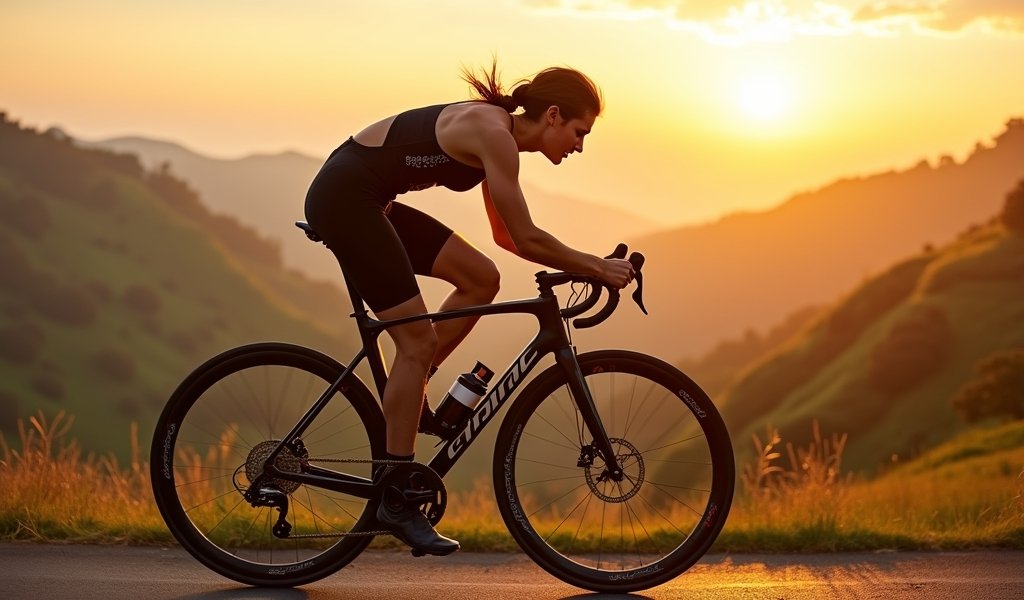
Remember my client Marcus? He spent six months cycling religiously but saw minimal results until we corrected his bike setup and form. Within weeks of these adjustments, his fat loss accelerated dramatically. Don’t make the same mistake—proper positioning isn’t just about comfort; it directly impacts your fat-burning efficiency.
Let’s start with your bike setup, which serves as the foundation for effective workouts:
- Seat height: When your pedal reaches the bottom of its rotation, your leg should have a slight 15-20 degree bend—not fully extended nor overly bent. Incorrect height reduces power output and increases injury risk.
- Seat position: Your knee should align directly above the pedal axle when the cranks are horizontal. Too far forward or backward creates unnecessary strain and reduces efficiency.
- Handlebar height: For fat-burning workouts, a slightly lower handlebar position engages your core more fully while still maintaining comfort. Elite cyclists may opt for more aggressive positions, but most of us benefit from a moderate setup that allows full lung expansion.
Once your bike is properly configured, focus on these form elements during your rides:
- Engage your core: A subtle but crucial point—activating your abdominal muscles stabilizes your pelvis and spine, allowing more efficient power transfer to the pedals while turning your workout into a more comprehensive fat-burning session.
- Maintain a neutral spine: Avoid excessive rounding or arching of your back, which wastes energy and can lead to discomfort during longer rides.
- Pull and push: Most beginners only push down on pedals, but using clipless pedals or toe cages allows you to pull up as well, engaging your hamstrings and creating a more balanced, powerful stroke that burns more calories.
One often overlooked aspect of cycling form is breathing. During intense fat-burning intervals, focus on deep, rhythmic breathing—inhaling through your nose and mouth to maximize oxygen intake and exhaling fully to remove carbon dioxide. Improved oxygen delivery enhances fat metabolism and helps sustain higher intensities.
Periodically reassess your bike setup as your fitness improves. What worked perfectly when you began might need adjustments as your flexibility, strength, and endurance evolve. I recommend recording your setup measurements and checking them monthly to ensure optimal positioning for continued fat-burning success.
Intensity Matters: HIIT on a Bike
If fat loss is your primary goal, the intensity of your bike workouts matters tremendously. I learned this lesson personally when I plateaued despite logging 100+ miles weekly. It wasn’t until I incorporated structured high-intensity interval training (HIIT) that I broke through that stubborn fat loss barrier.
HIIT involves alternating between periods of maximum effort and strategic recovery. This approach creates a metabolic storm that not only burns calories during exercise but also triggers what exercise physiologists call the “afterburn effect.” Studies from the American Council on Exercise suggest that properly structured HIIT can elevate your metabolism for up to 48 hours post-workout.
Here’s a simple yet effective HIIT protocol to incorporate into your cycling routine:
- Warm up: 5-7 minutes of easy pedaling, gradually increasing intensity
- Work interval: 20-30 seconds of all-out effort (aim for 85-95% of your maximum capacity)
- Recovery interval: 40-60 seconds of easy pedaling
- Repetitions: Start with 6-8 rounds and build up to 12-15 as your fitness improves
- Cool down: 5 minutes of easy pedaling with gradually decreasing intensity
For beginners, I recommend starting with a 1:3 work-to-rest ratio (e.g., 20 seconds hard, 60 seconds recovery). As your cardiovascular system adapts, progress toward a more challenging 1:2 or even 1:1 ratio for advanced cyclists.
The beauty of bike HIIT lies in its versatility. You can manipulate various elements to keep your workouts fresh and challenging:
- Tabata protocol: 20 seconds maximum effort followed by 10 seconds rest, repeated for 8 rounds (4 minutes total)
- Pyramid intervals: Gradually increase work intervals (15, 30, 45, 60 seconds) then decrease (60, 45, 30, 15 seconds) with consistent recovery periods
- Hill simulations: Increase resistance for work intervals to simulate climbing, decrease for recoveries
While HIIT delivers exceptional fat-burning results, moderation remains crucial. Limit these high-intensity sessions to 2-3 times weekly, allowing at least 48 hours between sessions for proper recovery. Remember, your body doesn’t become fitter during the workout—it adapts and improves during recovery periods when you’re rebuilding stronger systems.
Creating a Consistent Cycling Routine
Consistency trumps perfection every time when it comes to fat loss through cycling. I’ve witnessed clients with modest but regular cycling schedules outperform those who crush occasional epic workouts but lack consistency. The magic happens when cycling becomes a non-negotiable part of your lifestyle rather than an occasional punishment for dietary indiscretions.
Creating a sustainable routine begins with honest self-assessment. Are you a morning person who could knock out a 30-minute session before breakfast? Or perhaps you’re more likely to stick with evening rides after work? Choose times that genuinely fit your natural rhythm and life commitments.
Here’s a balanced weekly template that promotes fat loss while remaining sustainable for most people:
- Monday: 30-minute moderate steady-state ride (60-70% effort)
- Tuesday: 25-minute HIIT session with 8 intervals
- Wednesday: Rest day or active recovery (15-20 minutes very light cycling)
- Thursday: 40-minute moderate ride with 5 minutes at threshold effort every 10 minutes
- Friday: 25-minute HIIT session with pyramid intervals
- Saturday: Longer 60+ minute moderate ride (perfect for outdoor cycling)
- Sunday: Complete rest or gentle active recovery ride
The above schedule includes approximately 3-4 hours of cycling per week—a reasonable commitment that delivers excellent fat-burning results without overwhelming your schedule. Remember that consistency beats volume in the long run.
To maintain consistency during inevitable motivation dips, implement these practical strategies:
- Habit stacking: Attach cycling to existing habits. For example, “After I prepare my morning coffee, I’ll change into cycling clothes.”
- Minimal viable workout: On tough days, commit to just 10 minutes. Once you start, you’ll often continue longer, but removing the pressure makes starting easier.
- Environmental design: Keep your indoor bike visible and accessible. If using a regular bike, store it where you’ll see it daily.
- Social accountability: Join virtual or in-person cycling groups, or share your cycling goals with friends who’ll check in on your progress.
Incorporating cross-training can also support your cycling routine while preventing burnout. Activities like strength training 1-2 times weekly complement cycling by addressing muscular imbalances and building additional metabolically active tissue that enhances fat burning even at rest.
Nutrition and Hydration for Cycling Success
Let me share a quick story about Carl, a dedicated client who cycled 5 days weekly but saw minimal fat loss. When we examined his nutrition, we discovered he was unconsciously compensating for workouts with larger portions and post-ride “rewards.” Once we aligned his nutrition with his cycling routine, the fat began melting away consistently.
Exercise and nutrition work as partners in the fat loss equation. Your bike workouts create the caloric deficit necessary for fat loss, while proper nutrition provides the energy for quality workouts and optimal recovery. This synergy determines your ultimate success.
For fat-burning cyclists, timing your nutrition strategically can enhance results:
- Pre-ride: For morning sessions, consider fasted riding (if comfortable) for enhanced fat utilization. For later workouts, consume a small carb-protein meal 1-2 hours before riding (e.g., Greek yogurt with berries or toast with a small protein portion).
- During ride: For sessions under 60 minutes, plain water is typically sufficient. For longer rides, consider electrolytes and possibly small amounts of carbohydrates (especially during the latter portions) to maintain intensity.
- Post-ride: Within 30-45 minutes after finishing, consume a combination of protein (20-25g) and carbohydrates to jump-start recovery. A protein smoothie with fruit or a balanced meal works perfectly.
Hydration directly impacts your fat-burning potential. Even mild dehydration (just 2% of body weight) can reduce performance by up to 20% and hamper fat metabolism. Aim to begin rides well-hydrated and consume approximately 16-20 ounces of fluid per hour during exercise, adjusting based on sweat rate, temperature, and humidity.
While cycling creates a caloric deficit favorable for fat loss, extreme restriction is counterproductive. According to research published in the European Journal of Sport Science, inadequate energy availability can suppress metabolic rate and hormonal function, stalling fat loss despite continued exercise.
Instead, focus on quality nutrition that supports performance and recovery:
- Emphasize protein: Aim for 0.7-0.9g per pound of body weight daily, distributed across meals to support muscle maintenance during fat loss.
- Prioritize whole foods: Vegetables, fruits, lean proteins, whole grains, and healthy fats should form the foundation of your nutrition plan.
- Strategic carbohydrates: Contrary to popular belief, cyclists benefit from appropriate carbohydrate intake—prioritize consumption around workouts when your body utilizes them most efficiently.
- Monitor portions: Even nutritious foods contribute to caloric intake. Use hunger and fullness cues while being mindful of portion sizes.
Remember, sustainable fat loss through cycling typically occurs at a rate of 1-2 pounds weekly. This moderate approach preserves muscle mass and energy for quality workouts while being maintainable long-term.
Track Your Progress for Motivation
During my years coaching cyclists through fat loss journeys, I’ve noticed a clear pattern: those who track their progress consistently achieve significantly better results than those who ride without monitoring. Tracking creates awareness, provides accountability, and delivers the motivational boost of seeing improvements over time.
While the scale offers one measurement, cycling provides numerous other metrics worth tracking:
- Performance markers: Average power output, distance covered in set timeframes, heart rate recovery speed, and perceived exertion for standard routes all indicate improved fitness that correlates with enhanced fat metabolism.
- Body composition changes: Beyond weight, consider measurements like waist circumference, body fat percentage (if you have access to reliable measurement tools), and how clothes fit.
- Workout consistency: Sometimes the most important metric is simply showing up. Tracking your adherence to planned sessions provides valuable feedback about your commitment.
- Energy levels: As you become fitter and leaner through cycling, many clients report improved energy throughout the day—a benefit worth noting in your tracking.
Technology makes tracking simpler than ever. Apps like Strava, Zwift, or dedicated bike computers capture detailed workout data, while smart scales and fitness trackers provide supplementary metrics. Even a simple notebook works perfectly for recording basic information.
Set performance-focused goals rather than exclusively weight-centered ones. For instance, aim to increase your average speed on a particular route by 1 mph, complete a specific distance in less time, or maintain a higher power output during intervals. These performance improvements indicate increasing fitness that drives fat loss.
Review your data regularly but not obsessively. Weekly or bi-weekly check-ins provide sufficient information without creating unhealthy fixation. Look for trends rather than daily fluctuations, as variables like hydration, sodium intake, and hormonal cycles can cause normal variations in measurements.
When progress inevitably stalls (as it does for everyone), your tracking data becomes invaluable for troubleshooting. Perhaps your intensity has inadvertently decreased, consistency has slipped, or your body has adapted to your current routine. This information guides intelligent adjustments rather than random changes based on frustration.
The Importance of Recovery
One of the biggest mistakes I see eager cyclists make is undervaluing recovery. Ironically, this enthusiasm often leads to diminished fat loss results. Why? Because effective fat burning through cycling isn’t just about the work—it’s about the relationship between stress and recovery that stimulates adaptation.
Recovery isn’t merely the absence of cycling; it’s an active process that includes:
- Sleep optimization: During deep sleep, your body releases growth hormone that facilitates fat metabolism and tissue repair. Aim for 7-9 quality hours nightly, prioritizing consistent sleep and wake times.
- Active recovery: Light, low-intensity cycling (30-40% of maximum effort) increases blood flow to muscles without creating additional stress, accelerating recovery through enhanced nutrient delivery and waste removal.
- Stress management: Chronic psychological stress elevates cortisol levels, which can promote fat storage particularly around the abdomen. Incorporate stress-reduction techniques like meditation, nature walks, or breathing exercises.
- Tissue maintenance: Foam rolling, gentle stretching, and occasional massage help prevent compensatory movement patterns that reduce efficiency and increase injury risk during fat-burning workouts.
Signs that you might need more recovery include persistent fatigue, decreased performance despite continued effort, disrupted sleep, elevated resting heart rate, increased irritability, and prolonged muscle soreness. These indicators suggest your cycling volume or intensity exceeds your current recovery capacity.
Smart recovery scheduling can enhance fat burning results. Consider these proven strategies:
- Alternate hard and easy days: Follow intense HIIT sessions with lighter recovery rides or complete rest.
- Implement deload weeks: Every 4-6 weeks, reduce cycling volume by 30-50% while maintaining some intensity to facilitate deeper recovery without losing fitness.
- Respect individual recovery needs: Factors like age, experience, stress levels, and sleep quality all influence optimal recovery requirements. Your needs may differ from others.
Remember that recovery needs evolve as your fitness improves. The recovery protocol that works during your first month of cycling will likely prove insufficient after six months of consistent training. Regularly reassess and adjust based on performance, energy levels, and motivation.
Conclusion
Transforming your bike exercise routine into a fat-burning powerhouse doesn’t require complicated strategies or extreme measures. By implementing these seven evidence-based tips—optimizing your form, embracing interval training, maintaining consistency, supporting your efforts with proper nutrition, tracking progress meaningfully, and respecting recovery—you create a sustainable approach that delivers results without burnout.
Remember that fat loss through cycling isn’t a sprint; it’s more like a pleasant countryside ride with occasional challenging hills. Some days will feel effortless, while others might test your resolve. The key lies in consistency and patience, trusting that each pedal stroke brings you closer to your goals.
What I love most about cycling for fat loss is how the process transforms not just bodies but minds. Clients who initially focus solely on weight often discover unexpected joys—the meditative rhythm of pedaling, the sense of accomplishment after conquering a challenging interval session, or the simple pleasure of feeling increasingly powerful in their bodies.
Start where you are with what you have. Whether you’re mounting a stationary bike for the first time or looking to optimize your existing cycling routine, these strategies scale beautifully to your current fitness level and circumstances. The path to sustainable fat loss begins with a single pedal stroke—and continues one ride at a time.
Frequently Asked Questions
How long should I cycle to burn fat?
Aim for 30-45 minutes per session, 3-5 times weekly for fat-burning benefits. Quality and intensity matter more than duration, especially when incorporating intervals.
Is indoor or outdoor cycling better for fat loss?
Both are effective, with indoor cycling offering controlled conditions for precise intervals. Choose the option that you’ll do most consistently based on your preferences and lifestyle.
Can cycling reduce belly fat specifically?
While cycling burns calories that contribute to overall fat loss, spot reduction isn’t physiologically possible. Consistent cycling combined with proper nutrition will reduce total body fat, including abdominal fat.
Should I cycle on an empty stomach to burn more fat?
Fasted cycling may slightly increase fat utilization during lower-intensity sessions. However, fueled workouts typically allow higher intensities that burn more total calories, so experiment with both approaches to find what works best for you.
How soon will I see fat loss results from cycling?
Most people notice initial changes within 3-4 weeks of consistent cycling. Significant visible results typically emerge after 6-8 weeks of regular workouts combined with appropriate nutrition.