
Overview
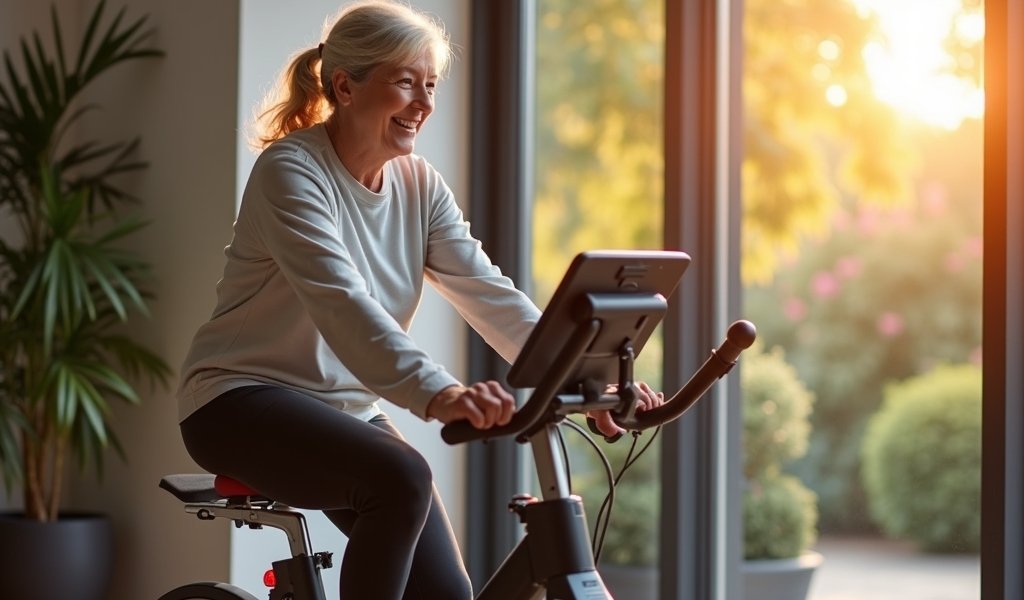
This article provides recommendations for the best exercise bikes for seniors, highlighting options like the Schwinn 270 recumbent bike, Sole B94 upright bike, and budget-friendly Marcy ME-709, while emphasizing features important for older adults such as stability, comfort, and ease of use. It includes guidance on safely using exercise bikes, explaining the health benefits of regular cycling for seniors including improved joint mobility, cardiovascular health, and overall fitness without high-impact stress on the body.
Table of Contents
- Why Exercise Bikes Benefit Seniors
- Factors to Consider When Choosing an Exercise Bike for Seniors
- Best Recumbent Exercise Bikes for Seniors
- Best Upright Exercise Bikes for Seniors
- Best Budget-Friendly Exercise Bike for Seniors
- How to Use Exercise Bikes Safely as a Senior
- Conclusion
- Frequently Asked Questions
Finding the best exercise bike for seniors can make all the difference in maintaining mobility, strength, and cardiovascular health in your golden years. As a physical therapist with over 15 years of experience working with older adults, I’ve seen firsthand how the right exercise equipment can transform seniors’ fitness journeys. Exercise bikes offer a gentle yet effective workout option that’s particularly well-suited to aging bodies.
Regular cycling on a stationary bike provides numerous benefits for older adults, from improved joint mobility to enhanced heart health—all without the impact and balance concerns of many other exercises. Let’s explore the top exercise bikes specifically designed with seniors’ needs in mind, along with expert guidance on making the perfect selection for your lifestyle and fitness goals.
Why Exercise Bikes Benefit Seniors
Exercise bikes have become increasingly popular among older adults, and for good reason. These machines offer a perfect balance of accessibility, safety, and effectiveness that makes them ideal for seniors looking to stay active.
First and foremost, cycling is a low-impact exercise. Unlike running or even walking, pedaling on an exercise bike puts minimal stress on your joints, particularly the knees, hips, and ankles. According to research published in the Journal of Clinical Medicine, low-impact exercises like stationary cycling can significantly reduce pain and improve physical function in older adults with joint issues.
Cardiovascular health is another major benefit. Regular cycling helps strengthen your heart, improve circulation, and lower blood pressure. For seniors, this translates to reduced risk of heart disease, stroke, and other cardiovascular conditions that become more common with age.
Exercise bikes also offer convenience and safety advantages. You can work out regardless of weather conditions, time of day, or neighborhood safety concerns. There’s no risk of falling on uneven terrain or dealing with traffic as there would be with outdoor cycling.
Many seniors also appreciate that exercise bikes allow for gradual progression. You can start with just a few minutes at low resistance and gradually increase your workout intensity as your fitness improves. This adaptability makes exercise bikes suitable for almost any fitness level.
Factors to Consider When Choosing an Exercise Bike for Seniors
Selecting the best exercise bike for seniors involves considering several important factors that address specific needs and concerns of older adults:
Bike Type
There are three main types of exercise bikes to consider:
- Recumbent bikes: Feature a chair-like seat with back support and pedals positioned in front rather than below. These provide excellent stability and comfort for those with back issues or balance concerns.
- Upright bikes: Resemble traditional bicycles with the pedals positioned under the body. These offer a more intense workout but may require more balance and core strength.
- Semi-recumbent bikes: A hybrid option that offers a slightly reclined position with some back support but a more engaged riding position than fully recumbent models.
Seat Comfort and Adjustability
Comfort becomes increasingly important as we age. Look for bikes with wider, well-padded seats. The ability to adjust both seat height and distance from the handlebars is crucial for achieving proper alignment and preventing strain.
Ease of Mounting and Dismounting
This is a critical safety feature for seniors. Recumbent bikes typically offer the easiest entry and exit with their step-through design. If choosing an upright model, look for a low-step frame that doesn’t require lifting your leg high to mount.
Stability and Weight Capacity
A sturdy, stable frame is non-negotiable. The bike should have a solid base that prevents wobbling, even during more vigorous pedaling. Check the weight capacity specifications to ensure the bike can safely accommodate your body weight with room to spare.
Display and Controls
Look for bikes with large, easy-to-read displays and simple, intuitive controls. Backlit screens are particularly helpful for seniors with vision impairments. Consider whether you want basic tracking features or more advanced options like heart rate monitoring and preset workout programs.
Resistance Mechanism
Magnetic resistance systems are typically quieter and smoother than friction-based systems, making them ideal for seniors. They also require less maintenance over time. The bike should offer multiple resistance levels that can be adjusted easily during your workout.
Best Recumbent Exercise Bikes for Seniors
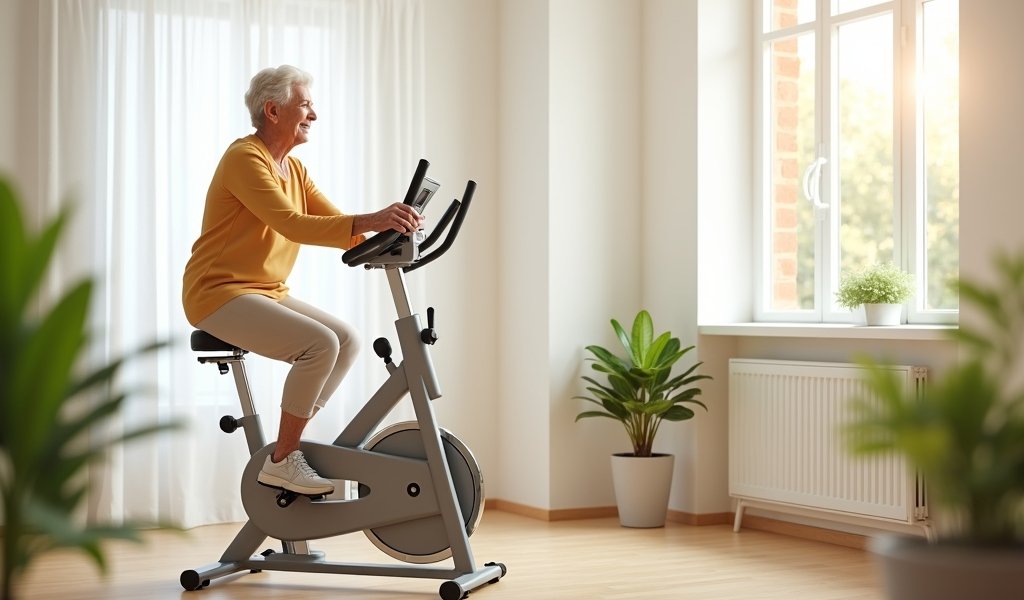
Recumbent bikes are often the top recommendation for seniors due to their superior comfort and support. Here are two outstanding options that consistently receive high marks from older adults and health professionals alike:
Schwinn 270 Recumbent Bike
The Schwinn 270 stands out as a premier choice for seniors seeking both comfort and functionality. What makes this model exceptional is its ergonomically designed seat featuring a ventilated back support that keeps you cool during extended workouts while providing crucial lumbar support.
Accessibility is another strong point of the Schwinn 270. The step-through design allows for easy mounting and dismounting without requiring significant mobility or balance. This feature is particularly valuable for seniors with arthritis or those recovering from knee or hip replacements.
The display deserves special mention for its senior-friendly design. The large, dual-track LCD screens are easy to read even for those with vision challenges, and the intuitive interface makes navigating through the 29 preset workout programs straightforward. The bike also offers Bluetooth connectivity for those who want to track their progress using fitness apps.
With 25 resistance levels, the Schwinn 270 accommodates users at virtually any fitness level, allowing for gentle progression as strength and endurance improve. The whisper-quiet magnetic resistance system means you can watch TV or listen to music during your workout without cranking up the volume.
NordicTrack Commercial R35
For seniors looking for a premium recumbent bike with advanced features, the NordicTrack Commercial R35 is worth consideration. This model combines exceptional comfort with cutting-edge technology to enhance the exercise experience.
The oversized, cushioned seat with lumbar support can be adjusted with one hand, making it easy to find the perfect position without straining. The step-through design is enhanced with stabilizing handles to provide extra support when getting on and off the bike.
What truly sets the R35 apart is its 14-inch HD touchscreen that offers interactive training through the iFit platform (subscription required). This feature allows seniors to enjoy guided workouts led by certified trainers, with the bike automatically adjusting resistance to match the terrain of virtual rides through scenic global locations.
The bike provides 26 digital resistance levels controlled by OneTouch buttons for easy adjustment during workouts. For seniors concerned about heart health, the included wireless heart rate chest strap offers accurate monitoring to ensure you’re exercising in the optimal zone.
Best Upright Exercise Bikes for Seniors
While recumbent bikes often get the spotlight for senior fitness, many active older adults prefer upright bikes for their more engaging workout position and smaller footprint. Here are two exceptional upright models designed with features that address seniors’ needs:
Schwinn 170 Upright Bike
The Schwinn 170 strikes an excellent balance between comfort and effective workout design for older adults. This upright model incorporates several senior-friendly features while maintaining a more traditional cycling position that many find preferable.
Comfort starts with the seat—a crucial component for seniors. The Schwinn 170 features an adjustable, padded seat that’s significantly wider and more supportive than typical upright bike seats. The contoured design helps distribute pressure evenly, reducing discomfort during longer workout sessions.
The bike’s frame includes a lower step-over height compared to many upright models, making mounting and dismounting safer and easier. Adjustable handlebars allow users to find a position that minimizes strain on the wrists, shoulders, and back—a thoughtful feature for seniors with arthritis or upper body discomfort.
The console includes an adjustable fan to keep you cool and comfortable during workouts. With 29 preset workout programs and Bluetooth connectivity for tracking progress, this bike offers technological benefits without overwhelming complexity. The large, backlit display provides clear visibility of important metrics even in rooms with limited lighting.
Sole B94 Upright Bike
The Sole B94 is worth considering for seniors who want a club-quality upright bike built to last. This commercial-grade model emphasizes durability and biomechanics, making it ideal for seniors committed to regular, long-term exercise.
The oversized, gel-cushioned seat stands out immediately as a senior-friendly feature. It’s designed to reduce pressure points and can be easily adjusted both vertically and horizontally to accommodate users of different heights and reach requirements. This adjustability is crucial for maintaining proper alignment and preventing back and joint strain.
The pedal design reflects thoughtful consideration of seniors’ needs. The pedals are slightly oversized with adjustable straps and feature a 2-degree inward slope. This seemingly minor design element actually makes a significant difference by reducing stress on the knees and ankles during pedaling motions.
The heavy-duty frame provides exceptional stability, eliminating wobbling even during more vigorous workouts. For seniors monitoring heart health, the included chest strap heart rate monitor offers more accurate readings than the pulse grip sensors (though these are also included as an option).
The console is straightforward and easy to navigate, with 10 preset programs and 20 resistance levels that can be adjusted with conveniently placed buttons. The 9-inch LCD display is bright and clear, showing all essential workout data at a glance.
Best Budget-Friendly Exercise Bike for Seniors
Quality exercise equipment doesn’t always have to come with a premium price tag. For seniors on a fixed income looking for an effective, comfortable exercise bike without breaking the bank, there’s an excellent option that doesn’t compromise on essential features:
Marcy Recumbent Exercise Bike ME-709
The Marcy ME-709 has earned its reputation as the go-to budget recumbent bike for seniors, offering remarkable value without sacrificing the key features that matter most to older adults. At roughly a quarter of the price of premium models, this bike delivers where it counts.
The step-through design provides easy access for seniors with limited mobility or balance concerns. The frame is surprisingly sturdy for a budget model, supporting users up to 300 pounds while maintaining stability during use. Assembly is straightforward, with clear instructions that most seniors or family members can follow without frustration.
The seat deserves special mention for its comfort level, which rivals much more expensive bikes. The padded seat and contoured backrest provide adequate support for extended riding sessions. While the seat isn’t as adjustable as premium models (it adjusts forward and backward but not for height), most users between 5’0″ and 6’0″ can find a comfortable position.
The eight resistance levels are controlled by an easy-to-turn tension knob. While not as precise as the digital resistance on pricier models, the system provides sufficient variability for most seniors’ workout needs. The tension changes smoothly, allowing for gradual progression as fitness improves.
The display is basic but functional, showing essential metrics like time, speed, distance, and calories burned in a clear, readable format. It doesn’t have preset programs or heart rate monitoring, but for many seniors, these simplifications actually make the bike less intimidating to use.
How to Use Exercise Bikes Safely as a Senior
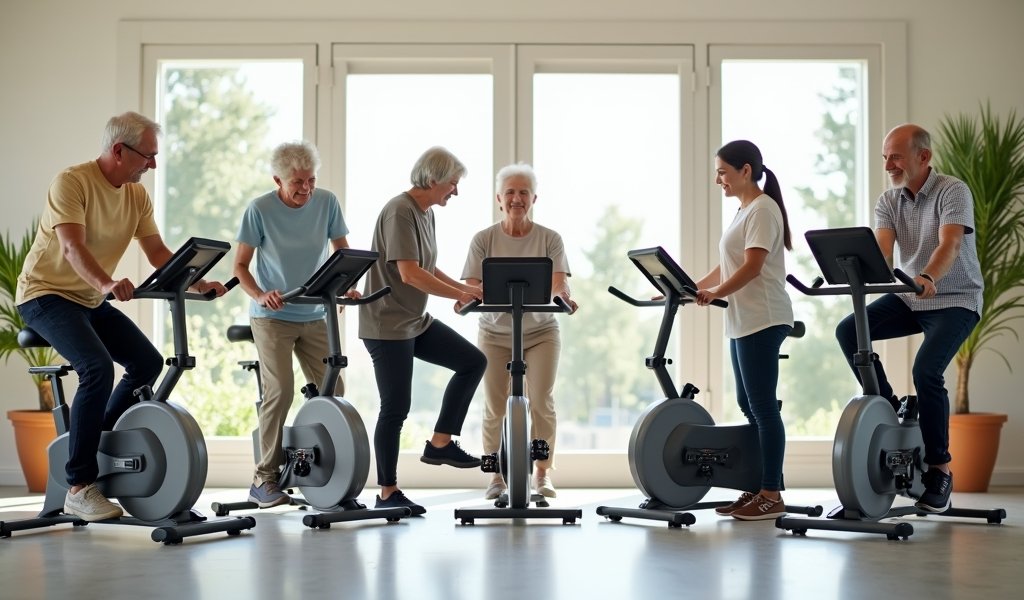
Safety should always be the priority when incorporating any exercise equipment into your routine, especially as you age. Here are expert recommendations for using exercise bikes safely and effectively as a senior:
Starting Your Exercise Bike Journey
- Consult your healthcare provider: Before beginning any exercise program, discuss it with your doctor, especially if you have heart conditions, joint replacements, or balance issues.
- Start gradually: Begin with just 5-10 minutes at low resistance. According to the National Institute on Aging, gradually building up to 30 minutes of moderate-intensity activity is ideal for most seniors.
- Proper positioning: Ensure the seat is adjusted correctly. For recumbent bikes, your legs should be almost fully extended with a slight bend in the knee when the pedal is at its furthest point. For upright bikes, there should be a slight bend in your knee when the pedal is at the bottom of the stroke.
Maintaining Safe Exercise Habits
- Warm up and cool down: Always begin with 3-5 minutes of gentle pedaling at low resistance to prepare your muscles and joints. Similarly, end with a few minutes of easy pedaling to gradually reduce your heart rate.
- Monitor your exertion: Use the “talk test”—you should be able to carry on a conversation while exercising, though with some effort. If you’re too breathless to speak, reduce the intensity.
- Stay hydrated: Keep water within easy reach and drink regularly throughout your workout, even if you don’t feel thirsty.
- Listen to your body: Distinguish between the normal discomfort of exercise and potential warning signs. Stop immediately if you experience chest pain, severe joint pain, dizziness, or unusual shortness of breath.
Creating a Sustainable Routine
- Consistency over intensity: Regular, moderate exercise produces better long-term results than occasional intense workouts. Aim for at least three sessions per week.
- Progress thoughtfully: Increase duration before resistance. Start by adding 2-5 minutes to your sessions until you can comfortably ride for 20-30 minutes before increasing the resistance level.
- Incorporate rest days: Allow at least one day between sessions for recovery, particularly if you’re just starting out or if you experience joint stiffness.
- Track your progress: Keep a simple log of your workouts to monitor improvements. Even small gains in duration or resistance are worth celebrating.
Conclusion
Finding the best exercise bike for seniors is about balancing comfort, safety, and functionality to match your specific needs and fitness goals. Whether you choose a supportive recumbent bike like the Schwinn 270, a more engaging upright model like the Sole B94, or an affordable option like the Marcy ME-709, consistent use will yield significant health benefits.
Remember that the perfect exercise bike is ultimately the one you’ll use regularly. Consider your personal preferences, physical needs, available space, and budget when making your selection. Many seniors find that investing in quality equipment for home use removes barriers to consistent exercise, especially during extreme weather or when transportation is challenging.
Start slowly, listen to your body, and gradually increase the duration and intensity of your workouts. With patience and persistence, you’ll likely notice improvements in your cardiovascular health, joint mobility, muscle strength, and overall energy levels. These benefits extend far beyond physical health, contributing to better mood, cognitive function, and independence.
As with any fitness journey, celebrate your progress along the way. Every pedal stroke is a step toward better health in your golden years. The best exercise bike for seniors is one that becomes a trusted companion in your ongoing commitment to active, healthy aging.
Frequently Asked Questions
How often should seniors use an exercise bike?
Most health professionals recommend 3-5 sessions per week, each lasting 20-30 minutes. Start with shorter sessions and gradually increase duration as your fitness improves.
Are recumbent bikes better than upright bikes for seniors?
Recumbent bikes offer better back support and are easier to mount/dismount, making them generally safer for seniors with balance or back issues. Upright bikes provide a more intense workout and use less space.
What resistance level should seniors use on exercise bikes?
Start with low resistance that allows you to pedal comfortably for your target duration. You should feel you’re working but can still carry on a conversation.
How can seniors prevent knee pain when using exercise bikes?
Ensure proper bike adjustment with a slight bend in the knee at the furthest pedal position. Start with low resistance and proper warm-up, and consider recumbent bikes which put less stress on knees.
Is an exercise bike good for seniors with arthritis?
Yes, the low-impact nature of cycling can actually help manage arthritis symptoms by improving joint mobility and strength. Choose a recumbent bike with good seat padding and consult your doctor about the appropriate workout intensity.