

Overview
Folding exercise bikes offer an effective weight loss solution for adults in their 30s and 40s, combining low-impact cardiovascular training with space-saving convenience that promotes consistent use. The article provides detailed guidance on choosing the right bike, effective workout routines, complementary nutrition strategies, and success stories demonstrating how these bikes help busy adults overcome common barriers to weight loss.
Table of Contents
- Why Folding Exercise Bikes Work for Weight Loss
- Key Benefits for Weight Loss
- How to Choose the Right Folding Bike
- Effective Workouts for Maximum Results
- Tips to Maximize Your Weight Loss
- Real Results: Success Stories
- Conclusion
- Frequently Asked Questions
Why Folding Exercise Bikes Work for Weight Loss
If you’re in your 40s and struggling to shed those stubborn pounds, a folding exercise bike might be the game-changer you’ve been searching for. As we age, finding efficient, joint-friendly workouts becomes increasingly important – and indoor cycling hits this sweet spot perfectly.
Folding exercise bikes offer the ideal combination of convenience and effectiveness that busy adults need. Unlike bulky treadmills or ellipticals that dominate your living space, these compact fitness allies can be tucked away after your workout, making them perfect for homes where space is at a premium.
The science behind cycling for weight loss is compelling. A 155-pound person can burn approximately 260-298 calories during a 30-minute moderate-intensity indoor cycling session. When performed consistently, this calorie burn creates the deficit needed for sustainable weight loss without the harsh impact on your joints that running or jumping exercises can cause.
What makes folding bikes particularly effective for adults in their 30s and 40s is their accessibility. No matter your current fitness level, weather conditions, or time constraints, you can hop on for a quick session – even while catching up on your favorite show. This convenience removes the common barriers that typically derail weight loss efforts.
Key Benefits for Weight Loss
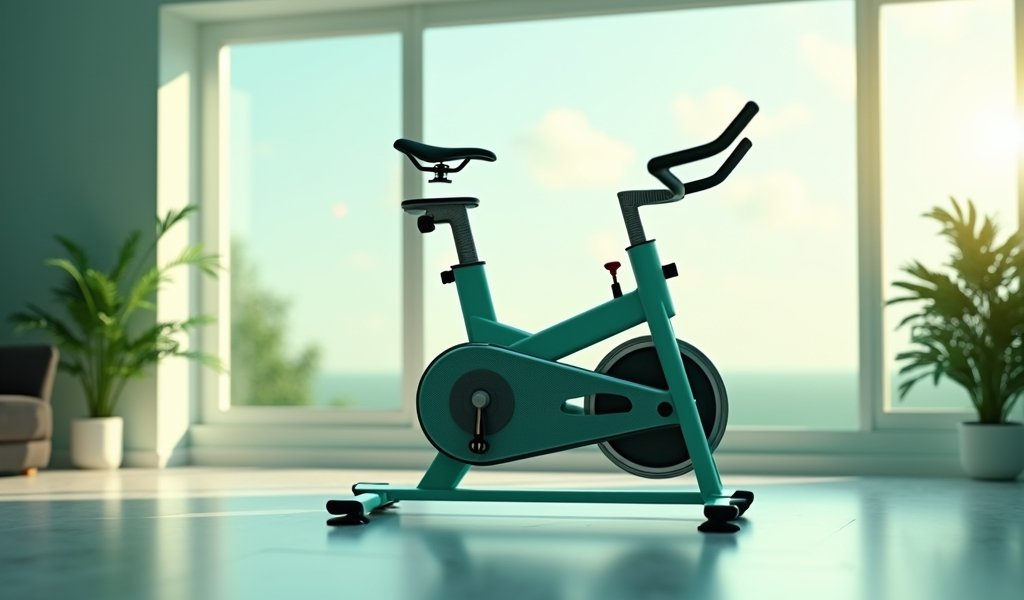
When targeting weight loss in your mid-30s to mid-40s, folding exercise bikes offer several distinct advantages that make them particularly effective:
Low-Impact Cardiovascular Training
As we approach middle age, joint protection becomes essential. Cycling provides an excellent cardiovascular workout without the pounding impact of running. This means you can exercise longer and more frequently without risking injury – a crucial factor for consistent calorie burning.
The seated position also makes this exercise accessible for those with existing joint issues or higher body weights, allowing you to begin your weight loss journey safely.
Metabolic Boost Through HIIT Potential
Folding bikes excel at facilitating high-intensity interval training (HIIT), which has been shown by research to significantly boost metabolism for hours after your workout ends. This “afterburn effect” means you’ll continue burning calories long after you’ve showered and moved on with your day.
For time-pressed adults, this makes cycling sessions extremely efficient – you can achieve greater caloric expenditure in less time compared to steady-state cardio exercises.
Targeted Muscle Engagement
Indoor cycling primarily engages your quadriceps, hamstrings, glutes, and calves – some of the largest muscle groups in your body. Activating these muscles not only burns calories during your workout but also builds lean muscle mass that increases your resting metabolic rate.
The resistance settings on folding bikes allow you to progressively challenge these muscles, creating a toning effect that helps reshape your lower body while shedding excess weight.
Consistency Through Convenience
Perhaps the most underrated benefit of folding exercise bikes is how they promote consistency. Weight loss isn’t achieved through occasional intense workouts but through regular, sustained effort. The space-saving design removes the “lack of space” excuse, while the ability to multitask while cycling (watching TV, reading, or taking calls) eliminates the “lack of time” barrier.
When your exercise equipment fits seamlessly into both your home and schedule, you’re far more likely to establish the consistent routine necessary for meaningful weight loss.
How to Choose the Right Folding Bike
Selecting the perfect folding exercise bike can make or break your weight loss journey. As someone in your prime adult years looking to shed pounds, you need equipment that’s both effective and practical for your lifestyle.
Weight Capacity and Frame Stability
First and foremost, check the weight capacity of any bike you’re considering. Most quality folding bikes support between 250-300 pounds, but this varies by model. A sturdy frame not only ensures safety but also provides the stability needed for intense workouts when you’re pushing hard to burn calories.
Look for bikes with wide bases that won’t wobble during vigorous pedaling. Steel frames typically offer better durability than aluminum or plastic components – an important consideration if weight loss is your long-term goal.
Resistance Mechanism
The resistance system directly impacts both your workout effectiveness and the bike’s usability. Magnetic resistance is generally preferred for weight loss purposes because it offers:
- Smoother, quieter operation (perfect for apartment living)
- More precise resistance levels for progressive training
- Lower maintenance requirements over time
- Consistent resistance throughout your pedal stroke
Avoid bikes with friction-based resistance if possible, as these tend to be noisier and require more frequent adjustments and maintenance.
Comfort Features
Weight loss requires consistent, regular workouts – which means comfort is non-negotiable. Key comfort features to prioritize include:
- Adjustable seat height and position to match your body dimensions
- Padded seat with ergonomic design (especially important for longer sessions)
- Adjustable handlebars that allow for multiple grip positions
- Pedals with straps for secure foot placement during intense intervals
Remember that even minor discomfort can become a major deterrent to consistent use. Investing in a bike with proper ergonomics pays dividends in your weight loss results.
Folding Mechanism and Storage Footprint
The whole point of a folding bike is space efficiency. Evaluate how easily the bike folds and unfolds – this should be a simple process that takes under 30 seconds. When folded, measure the storage footprint to ensure it fits your intended storage space, whether that’s a closet, under a bed, or behind a door.
Some models feature transport wheels for easier movement between storage and exercise spaces, which can be particularly helpful if you have carpet or need to navigate stairs.
Digital Features
While not essential, certain digital features can enhance your weight loss journey:
- LCD monitors displaying time, distance, speed, and calories burned
- Heart rate monitoring capabilities (either built-in or compatible with external monitors)
- Pre-programmed workouts designed for weight loss
- Bluetooth connectivity for fitness app integration
These features help track your progress and maintain motivation during the inevitable plateaus in your weight loss journey. The calorie tracking, while not perfectly accurate, provides helpful benchmarks to gauge your effort level over time.
Effective Workouts for Maximum Results
Now that you have your folding exercise bike, it’s time to maximize its weight loss potential. The right workout approach can double or even triple your results compared to unstructured pedaling.
The 20-Minute Fat-Burning Starter
Perfect for busy weekdays when time is tight, this workout delivers maximum calorie burn in minimal time:
- 5 minutes: Warm up with light resistance (3/10 intensity)
- 30 seconds: High resistance sprint (8/10 intensity)
- 90 seconds: Recovery pace (4/10 intensity)
- Repeat the sprint/recovery cycle 8 times
- 5 minutes: Cool down with decreasing resistance
This high-intensity interval approach triggers the “afterburn effect” (excess post-exercise oxygen consumption), meaning your body continues burning calories at an elevated rate for hours after you finish. Perfect for those with hectic schedules.
The 45-Minute Endurance Builder
For days when you have more time, this endurance-focused workout builds aerobic capacity while steadily burning calories:
- 10 minutes: Gradual warm-up, increasing resistance every 2 minutes
- 25 minutes: Maintain moderate resistance (6/10 intensity), focusing on consistent cadence
- 5 minutes: “Hill climb” – increase resistance significantly (7-8/10) while slowing cadence
- 5 minutes: Cool down with gradually decreasing resistance
This workout builds your cardiovascular base, allowing you to work harder in future sessions and increasing your overall daily calorie burn through improved fitness.
The Pyramid Challenge
This mentally engaging workout prevents boredom while creating an excellent calorie-burning effect:
- 5 minutes: Warm up at easy pace
- 1 minute: Resistance level 5
- 2 minutes: Resistance level 6
- 3 minutes: Resistance level 7
- 4 minutes: Resistance level 8
- 5 minutes: Resistance level 9
- 4 minutes: Resistance level 8
- 3 minutes: Resistance level 7
- 2 minutes: Resistance level 6
- 1 minute: Resistance level 5
- 5 minutes: Cool down
The changing resistance levels keep your mind engaged while challenging different energy systems in your body, creating an excellent all-around workout for weight management.
Weekly Workout Schedule for Optimal Weight Loss
For adults in their mid-30s to mid-40s, this balanced weekly approach maximizes results while preventing burnout or injury:
- Monday: 20-Minute Fat-Burning Starter
- Tuesday: Rest or light activity (walking, stretching)
- Wednesday: 45-Minute Endurance Builder
- Thursday: 20-Minute Fat-Burning Starter (modified resistance levels)
- Friday: Rest or light activity
- Saturday: Pyramid Challenge
- Sunday: Active recovery (gentle 20-minute ride at low resistance)
This schedule creates the consistency needed for weight loss while incorporating enough variety to prevent adaptation and boredom. The strategic rest days allow for recovery – essential for avoiding the cortisol spikes that can actually hinder weight loss when you’re overtraining.
Tips to Maximize Your Weight Loss
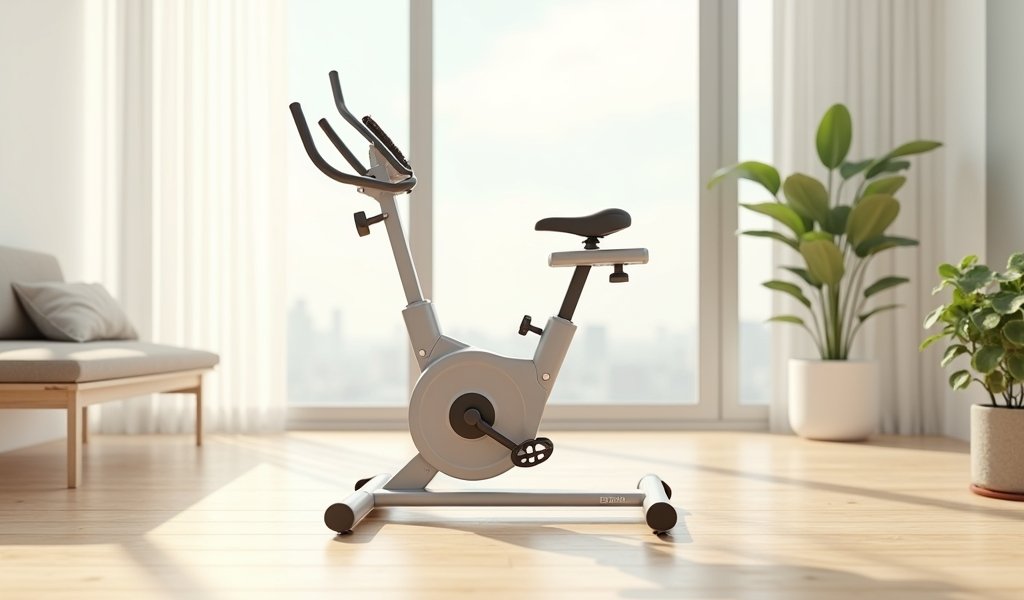
Your folding exercise bike is a powerful tool, but combining it with these strategic approaches will accelerate your weight loss results significantly.
Nutritional Synergy
Exercise creates the calorie deficit, but nutrition determines how effectively your body responds. For adults in their late 30s and early 40s, these nutritional strategies complement your cycling efforts:
- Eat protein within 30 minutes after longer workouts to support muscle recovery
- Hydrate before, during, and after rides to support metabolism
- Consider timing carbohydrate intake earlier in the day
- Focus on whole foods rather than processed options
According to research from the International Journal of Environmental Research and Public Health, combining moderate calorie restriction with regular exercise produces significantly better results than either approach alone.
Habit Stacking
One of the most effective ways to ensure consistent use of your folding bike is through habit stacking – attaching your cycling session to an existing daily habit. For example:
- Morning riders: Set up your bike the night before and ride immediately after your morning coffee
- Evening riders: Place your bike in front of the TV for your regular evening show
- Lunch break cyclists: Change into workout clothes before eating lunch, then ride afterward
This psychological technique creates powerful associations that make your workout feel like a natural part of your day rather than an additional burden.
Tracking for Accountability
Weight loss progress often includes plateaus that can derail motivation. Tracking multiple metrics keeps you motivated when the scale temporarily stalls:
- Record workout duration, resistance levels, and perceived exertion
- Take monthly measurements of waist, hips, and thighs
- Note energy levels and mood improvements
- Track resting heart rate (which typically decreases as fitness improves)
Many adults find that non-scale victories – like improved sleep, better-fitting clothes, and increased energy – provide more meaningful motivation than weight alone.
Progressive Overload
Your body adapts quickly to exercise demands. To continue losing weight, gradually increase the challenge using these techniques:
- Add 5 minutes to your workout duration every 1-2 weeks
- Increase resistance levels as workouts begin to feel manageable
- Decrease rest periods between intervals over time
- Add an extra workout day after 4-6 weeks of consistent training
This progressive approach prevents the metabolic adaptation that often causes weight loss plateaus. Your body must continuously work harder to meet new demands, which translates to ongoing calorie expenditure.
Real Results: Success Stories
The effectiveness of folding exercise bikes for weight loss isn’t just theoretical – real people in their 30s and 40s have transformed their bodies and health using these convenient fitness tools.
Jennifer’s 35-Pound Transformation
At 41, Jennifer struggled to find time for exercise between her demanding career and family responsibilities. After purchasing a folding exercise bike, she established a routine of 30-minute morning sessions before her children woke up.
“What made the difference was the convenience,” Jennifer explains. “No more packing gym bags or driving across town. I could literally roll out of bed and be exercising within minutes.”
Within eight months, Jennifer lost 35 pounds and reduced her body fat percentage by 9%. More importantly, her doctor noted significant improvements in her cholesterol levels and blood pressure. Jennifer credits her success to the consistency the folding bike allowed her to maintain.
Mark’s Post-Injury Comeback
After a knee injury at 38 left him unable to continue running, Mark watched his weight climb by nearly 30 pounds in just six months. His physical therapist recommended a recumbent folding exercise bike as a low-impact alternative.
“I was skeptical that cycling could give me the same results as running,” Mark admits. “But combining moderate-intensity rides with interval training actually helped me lose weight faster than running ever did.”
By focusing on consistent cycling workouts 4-5 times weekly, Mark not only lost the weight he’d gained but dropped an additional 15 pounds. The controlled movement pattern also strengthened the muscles supporting his injured knee, accelerating his recovery.
Scientific Support
These personal success stories align with scientific findings. A 2018 study published in the Journal of Sports Sciences found that indoor cycling performed 3-5 times weekly resulted in significant reductions in body weight, body fat percentage, and waist circumference over a 12-week period, particularly in participants over age 35.
The study’s authors noted that the consistent nature of indoor cycling – unaffected by weather, safety concerns, or seasonal changes – contributed significantly to participants’ adherence rates, which were higher than those typically seen with outdoor exercise programs.
Conclusion
For adults in their mid-30s to mid-40s navigating busy careers, family responsibilities, and the natural metabolic changes that come with age, folding exercise bikes represent an efficient, effective solution for sustainable weight loss.
These space-saving fitness tools eliminate the common barriers that derail weight loss efforts – lack of time, inconvenience, weather limitations, and joint concerns. By providing accessible cardiovascular exercise that can be performed regardless of schedule constraints or living space limitations, folding bikes create the foundation for consistent calorie-burning activity.
The science supports their effectiveness: regular indoor cycling burns significant calories, builds muscle in major lower-body muscle groups, and improves cardiovascular health – all without the joint stress of high-impact exercises. When combined with strategic nutrition and progressive training principles, these benefits translate directly to meaningful weight loss.
If you’ve struggled to find a fitness solution that fits your life at this stage, a folding exercise bike might be the missing piece. Its combination of convenience and effectiveness addresses the specific challenges facing adults in their prime years who want to shed excess weight without disrupting their already-full lives.
Start small, focus on consistency rather than intensity, and remember that sustainable weight loss happens through the accumulation of regular effort rather than occasional heroic workouts. Your folding bike will be waiting patiently by your side – ready to help you transform one pedal stroke at a time.
Frequently Asked Questions
How much weight can I lose using a folding exercise bike?
Most people can lose 1-2 pounds per week with consistent use (3-5 sessions weekly) combined with proper nutrition. Your specific results will depend on workout intensity, duration, frequency, and dietary habits.
Are folding exercise bikes sturdy enough for intense workouts?
Quality folding bikes can absolutely handle intense workouts, with many models supporting users up to 300 pounds. Look for steel frames and bikes with wide bases for maximum stability during high-intensity intervals.
How long should I exercise on my folding bike to lose weight?
Aim for 30-45 minutes per session, 3-5 times weekly for optimal weight loss results. Even 20-minute sessions can be effective if you incorporate high-intensity intervals that maximize calorie burn in limited time.
Will a folding bike help reduce belly fat?
Yes, regular cycling can help reduce belly fat as part of overall weight loss. While you can’t spot-reduce fat from specific areas, the calorie deficit created through consistent cycling will gradually reduce fat throughout your body, including the abdominal region.
Can I watch TV while using a folding exercise bike?
Absolutely! One of the major advantages of indoor cycling is the ability to multitask. Many users find that watching TV, reading, or even taking calls while cycling helps them exercise longer and more consistently.