

Overview
In this fitness tracker face-off of 2024, eight devices duke it out for wrist (and finger) real estate, from the all-around Fitbit Charge 5 ($150) to the classic-looking Withings ScanWatch 2 ($350), with specialized options like the athlete-focused Garmin Forerunner 965 and the screen-free recovery coach Whoop 4.0 in between. The article highlights each tracker’s unique strengths—Apple Watch for iPhone users, Galaxy Watch for Android fans, Oura Ring for discreet monitoring, and Mi Band for budget-conscious shoppers—while emphasizing that the best device is ultimately the one that aligns with your specific health goals and lifestyle preferences.
Table of Contents
- Introduction: Navigating the World of Fitness Trackers
- Fitbit Charge 5: The All-Around Health Companion
- Apple Watch Series 9: Premium Health Technology
- Xiaomi Mi Band 7 Pro: Budget-Friendly Excellence
- Garmin Forerunner 965: The Athlete’s Choice
- Samsung Galaxy Watch 6: Android’s Perfect Match
- Oura Ring Gen 3: Discreet Health Monitoring
- Whoop 4.0: Recovery Focused Monitoring
- Withings ScanWatch 2: Classic Design Meets Modern Health Tech
- How to Choose the Right Fitness Tracker for You
- Conclusion: Embracing a Healthier 2024
- Frequently Asked Questions
Introduction: Navigating the World of Fitness Trackers
The landscape of health and fitness tracking has evolved dramatically over the past decade. What began as simple step counters have transformed into sophisticated health monitors that track everything from your sleep quality to your blood oxygen levels. As a healthcare professional who’s witnessed this evolution firsthand, I’m excited to share insights into the best fitness trackers available for 2024.
Today’s fitness trackers offer unprecedented insights into our bodies and behaviors. They’ve become valuable tools not just for fitness enthusiasts but for anyone interested in taking a more proactive approach to their health. The right tracker can help you achieve significant weight loss results by monitoring your activity, sleep patterns, and even stress levels.
According to research published in the National Library of Medicine, people who use fitness trackers consistently show greater physical activity levels and improved health outcomes compared to non-users. This isn’t surprising – as the saying goes, “what gets measured gets managed.”
In this comprehensive review, I’ll walk you through the 8 best health and fitness trackers for 2024, highlighting their unique features, pros, cons, and ideal use cases. Whether you’re a serious athlete, a busy professional trying to stay active, or someone managing a health condition, there’s a fitness tracker on this list that will meet your needs.
Fitbit Charge 5: The All-Around Health Companion
The Fitbit Charge 5 continues to be a standout option in 2024, building on Fitbit’s strong reputation in the fitness tracking space. As someone who recommends health technology to patients daily, I appreciate the Charge 5’s balance of accessibility and comprehensive health monitoring.
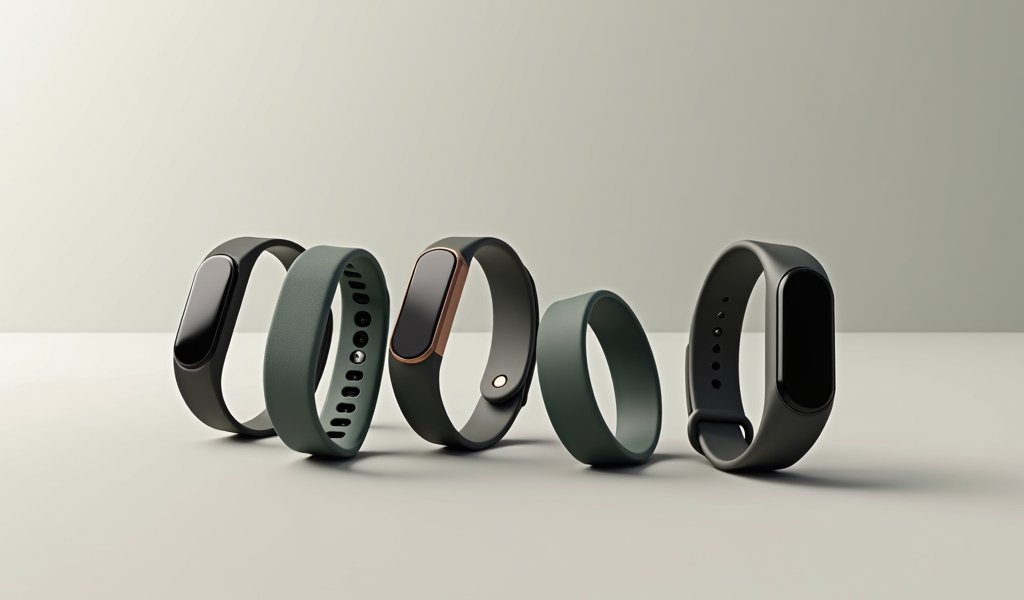
This sleek device packs an impressive array of sensors into its compact design. You’ll find continuous heart rate monitoring, built-in GPS, an EDA (electrodermal activity) sensor for stress management, and an ECG app for heart rhythm assessment. The vibrant AMOLED color display is a significant upgrade from previous models, making it easier to check your stats at a glance.
What truly sets the Charge 5 apart is its holistic approach to health tracking. Beyond the standard activity metrics, it offers a Daily Readiness Score that considers your recent activity, sleep quality, and heart rate variability to recommend appropriate exercise intensity for the day. This feature is invaluable for preventing overtraining and optimizing your fitness journey.
Sleep tracking is another area where the Charge 5 excels. It provides detailed sleep stage analysis and a Sleep Score each morning, helping you understand not just how long you slept, but the quality of that sleep. For those working on losing weight in a specific timeframe, quality sleep is a crucial but often overlooked component.
Battery life is impressive at up to 7 days, though this decreases with continuous GPS usage. At around $150, the Charge 5 offers exceptional value for its comprehensive feature set. It’s particularly well-suited for health-conscious individuals who want detailed metrics without the complexity and cost of a full smartwatch.
Apple Watch Series 9: Premium Health Technology
The Apple Watch Series 9 represents the pinnacle of smartwatch technology with robust health and fitness tracking capabilities. As an iPhone user myself, I’ve found the integration between the Apple Watch and iPhone creates a seamless health monitoring experience that’s hard to match.
The Series 9 features Apple’s most advanced health sensors yet, including an electrical heart sensor for ECG, a third-generation optical heart sensor for pulse monitoring, and a blood oxygen sensor. The new S9 chip enables faster processing and improved battery efficiency, while the bright Always-On Retina display makes checking your metrics effortless in any lighting condition.
What impresses me most about the Apple Watch is how it balances sophisticated health tracking with user-friendly design. The Activity Rings provide intuitive visual feedback on your daily movement, exercise, and standing time. Meanwhile, the Workout app offers over 40 workout types with metrics tailored to each activity, from swimming to strength training to pilates.
The Series 9 introduces several health innovations, including temperature sensing that enables advanced cycle tracking features for women. The sleep tracking has also been refined to provide more detailed insights into sleep stages and trends over time. These comprehensive sleep metrics can help you identify patterns affecting your rest quality, which research from the Sleep Foundation shows is closely tied to weight management and overall health.
At $399 for the base model, the Apple Watch Series 9 represents a significant investment. However, for iPhone users seeking a comprehensive health companion with smartwatch functionality, it remains unmatched. The ecosystem integration, emergency features like Fall Detection and Emergency SOS, and the vast library of health apps make it particularly valuable for those managing chronic conditions or with specific health concerns.
Xiaomi Mi Band 7 Pro: Budget-Friendly Excellence
The Xiaomi Mi Band 7 Pro stands as compelling evidence that effective health tracking doesn’t require breaking the bank. At approximately $85, this device delivers an impressive range of features that would cost significantly more from premium brands.
The 7 Pro features a 1.64-inch AMOLED display that’s remarkably vibrant for a budget device, making it easy to view your stats outdoors. It packs in continuous heart rate monitoring, blood oxygen tracking, stress assessment, and sleep analysis. The built-in GPS is a significant upgrade from previous Mi Band models, allowing for accurate route tracking without needing to carry your phone.
As a healthcare professional, I’m particularly impressed by the sleep tracking capabilities. The Mi Band 7 Pro monitors light, deep, and REM sleep stages, providing a comprehensive Sleep Score similar to much pricier alternatives. It also offers breathing quality assessment during sleep, which can help identify potential issues like sleep apnea that warrant medical attention.
The activity tracking supports over 110 sport modes, from everyday activities like walking and running to specialized sports like cricket and kickboxing. While it lacks the advanced training metrics of premium sports watches, it provides more than enough data for most recreational exercisers trying to maintain a consistent fitness routine.
Battery life is exceptional at up to 12 days with typical use, meaning you’ll rarely need to worry about charging. The companion app, while not as polished as Fitbit’s or Apple’s offerings, provides clean, accessible data visualization and trend analysis.
For budget-conscious individuals who want comprehensive health tracking without unnecessary bells and whistles, the Mi Band 7 Pro is difficult to beat. It’s particularly well-suited for beginners just starting their fitness journey who want to track progress without a significant upfront investment.
Garmin Forerunner 965: The Athlete’s Choice
The Garmin Forerunner 965 represents the gold standard for serious athletes and endurance sports enthusiasts. As someone who’s worked with competitive runners, I’ve seen firsthand how Garmin’s advanced metrics can transform training approaches and performance outcomes.
This premium running watch features a lightweight titanium bezel and a vibrant 1.4-inch AMOLED touchscreen display that’s easily readable even in direct sunlight. The multi-band GPS technology provides exceptional accuracy for distance, pace, and route tracking—critical for precise training analysis.
What truly separates the Forerunner 965 from more casual fitness trackers is its training-focused features. The watch offers detailed running dynamics (with compatible accessories), including metrics like ground contact time, vertical oscillation, and running power. These insights allow for targeted form improvements that can enhance efficiency and reduce injury risk.
The recovery and training guidance is perhaps the most valuable aspect for serious athletes. The watch calculates training load, training status, and recovery time based on your workouts and physiological data. It even factors in heat and altitude acclimation. Research in sports science consistently shows that appropriate recovery is as critical to performance gains as the training itself—something the Forerunner 965 helps optimize.
Battery life is impressive at up to 23 days in smartwatch mode and 31 hours with GPS active, making it suitable for ultramarathon events and multi-day adventures. The music storage capability (with support for Spotify, Amazon Music, and Deezer) means you can leave your phone behind on training runs.
At approximately $600, the Forerunner 965 represents a significant investment. However, for competitive athletes, dedicated runners, triathletes, and those serious about data-driven training optimization, it delivers value that justifies the premium price point.
Samsung Galaxy Watch 6: Android’s Perfect Match
The Samsung Galaxy Watch 6 stands as the premier health and fitness tracking option for Android users, particularly those with Samsung smartphones. Having recommended this watch to numerous patients with Android devices, I’ve seen how its comprehensive feature set supports various health goals.
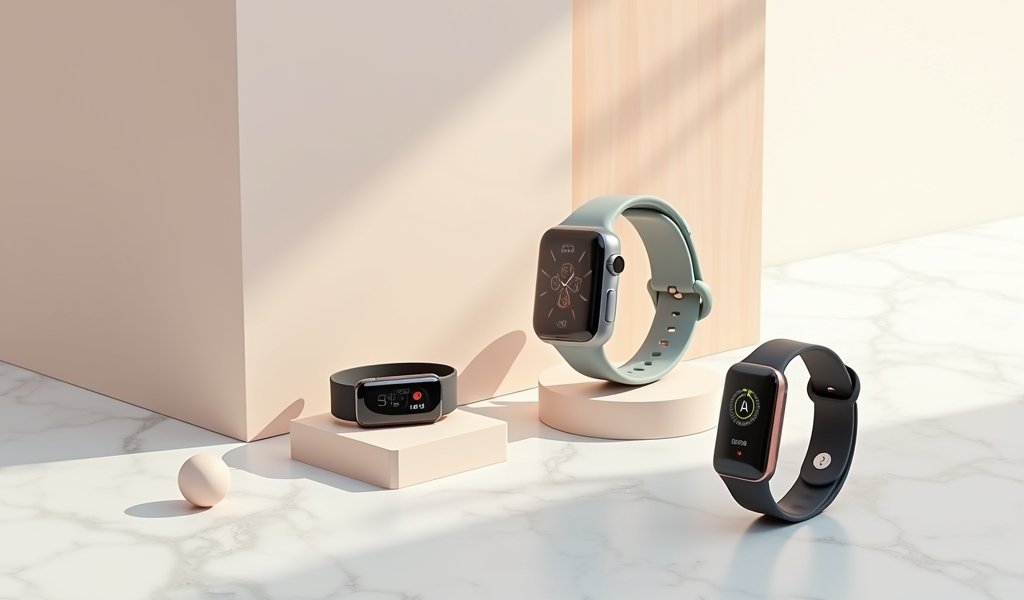
Designed with a clean, modern aesthetic, the Galaxy Watch 6 features a bright Super AMOLED display with a responsive touch interface. The rotating bezel (digital on the standard model, physical on the Classic) provides an intuitive navigation method that minimizes fingerprints on the screen—a small but appreciated detail during sweaty workouts.
Health monitoring capabilities are extensive, with continuous heart rate tracking, blood pressure monitoring (requires calibration with a cuff), ECG functionality, blood oxygen measurement, and advanced sleep tracking. The BioActive Sensor technology combines multiple health sensors to provide comprehensive readings from a single compact unit.
What distinguishes the Galaxy Watch 6 is its holistic approach to wellness. Beyond standard fitness metrics, it offers body composition analysis (including body fat percentage, skeletal muscle mass, and BMI) through bioelectrical impedance analysis. While not as precise as clinical tools, these measurements provide valuable trend data for those focused on body recomposition rather than just weight loss.
Sleep coaching has been enhanced in the latest model, with more detailed sleep stage analysis and personalized recommendations based on your sleep patterns. The watch even detects snoring and factors this into your overall sleep quality assessment, which can help identify potential sleep disturbances.
Running on Google’s Wear OS with Samsung’s One UI overlay, the Galaxy Watch 6 offers access to numerous health and fitness apps through the Google Play Store. Battery life is adequate at around 40 hours with typical use, though power users will likely need to charge daily.
At approximately $300 for the standard model and $400 for the Classic, the Galaxy Watch 6 offers premium features at a more accessible price point than the Apple Watch. It’s the ideal choice for Android users seeking a comprehensive health tracker with smartwatch functionality.
Oura Ring Gen 3: Discreet Health Monitoring
The Oura Ring Gen 3 represents a paradigm shift in how we approach health tracking. Unlike wrist-worn devices, this sophisticated ring packs advanced sensors into a sleek, minimalist design that’s indistinguishable from regular jewelry. As someone who often recommends health tech to professionals who prefer discreet options, I’ve seen how the Oura Ring’s form factor increases consistent usage.
Despite its small size, the Oura Ring Gen 3 contains impressive technology: infrared LEDs for heart rate monitoring, a temperature sensor accurate to 0.1°C, and an accelerometer for activity and sleep tracking. The placement on your finger actually offers advantages for certain metrics—heart rate readings tend to be more accurate than wrist-based sensors, particularly during sleep.
Where the Oura Ring truly excels is in its sleep analysis. It tracks sleep stages with laboratory-grade accuracy, monitors overnight heart rate, heart rate variability, respiratory rate, and body temperature. These metrics combine to provide what may be the most comprehensive sleep assessment available in a consumer device. The morning readiness score helps you gauge whether your body has recovered sufficiently for intense activity or would benefit from a lighter day.
The activity tracking is more basic than sports-focused watches, focusing on daily movement rather than specific workout metrics. However, the automatic activity detection works well for everyday activities, and the ring now includes workout heart rate monitoring for over 30 exercise types when you initiate tracking through the app.
Battery life is impressive at up to 7 days, and the ring charges fully in just 20-80 minutes. The titanium construction makes it durable and waterproof to 100 meters—suitable for swimming and showering without concern.
The primary drawback is the subscription model—after the initial purchase price of $299-$399 (depending on finish), Oura requires a $5.99 monthly membership to access most insights and features. For those prioritizing sleep quality and recovery in their health journey, however, many find this investment worthwhile for the unique data and discreet form factor.
Whoop 4.0: Recovery Focused Monitoring
The Whoop 4.0 takes a fundamentally different approach to fitness tracking compared to most devices on our list. Rather than counting steps or displaying notifications, Whoop focuses exclusively on optimizing the balance between training, recovery, and sleep. As a healthcare professional who emphasizes the importance of recovery to my athletic patients, I appreciate Whoop’s specialized focus.
Unlike traditional fitness trackers, the Whoop 4.0 has no screen at all—it’s a sleek, lightweight band designed to be worn 24/7. This screen-free design enables an impressive 5-day battery life despite continuous monitoring. The innovative battery pack can even charge the device while you’re wearing it, ensuring you never miss data collection.
Whoop’s strength lies in its sophisticated algorithms that interpret heart rate variability, resting heart rate, sleep performance, and respiratory rate to generate two key daily scores: Recovery and Strain. The Recovery score (0-100%) indicates how prepared your body is for exertion, while the Strain score (0-21) quantifies your day’s cardiovascular load.
The sleep tracking is particularly impressive, analyzing not just duration but efficiency, disturbances, and stages to determine the quality of your recovery. Whoop will even recommend how much sleep you need based on your day’s strain and recovery needs—often revealing that many users need significantly more sleep than they’re getting.
Monthly performance assessments track your cardiovascular fitness through changes in your resting heart rate and heart rate variability, providing objective evidence of improvement over time. The coaching feature suggests optimal strain levels based on your recovery status, helping prevent overtraining and underrecovery—common pitfalls for dedicated exercisers.
Whoop operates on a subscription model: the device itself is included with membership, which costs approximately $239 annually or $30 monthly. While this pricing approach isn’t for everyone, it represents good value for serious athletes and those focused on optimizing recovery. Research in the Journal of Strength and Conditioning supports the importance of recovery monitoring in performance optimization, making Whoop’s focused approach scientifically sound.
Withings ScanWatch 2: Classic Design Meets Modern Health Tech
The Withings ScanWatch 2 stands apart in the fitness tracker landscape by disguising sophisticated health technology within a classic analog watch design. For my patients who resist typical fitness trackers due to aesthetic concerns, the ScanWatch 2 has been a revelation—offering comprehensive health monitoring without sacrificing style.
At first glance, the ScanWatch 2 looks like a traditional timepiece with its stainless steel case, sapphire glass crystal, and physical watch hands. The small OLED display discreetly integrated into the watch face only activates when needed, showing health metrics, notifications, or workout data on demand.
Despite its conventional appearance, the ScanWatch 2 contains clinical-grade sensors for ECG recordings, blood oxygen measurement, and continuous heart rate monitoring. The newest model adds body temperature tracking, which provides insights into potential illness, menstrual cycles, and even sleep quality variations.
Sleep analysis is comprehensive, tracking stages, duration, interruptions, and breathing disturbances. The watch can detect signs of sleep apnea through its oxygen saturation monitoring, potentially identifying a serious health condition that often goes undiagnosed. This capability makes it particularly valuable for those with cardiovascular risk factors or unexplained daytime fatigue.
Activity tracking covers the essentials, automatically recognizing walking, running, swimming, and cycling while providing detailed metrics for over 30 additional activities when manually activated. The watch connects to the Health Mate app, which presents your data in clear, actionable formats and integrates with popular health platforms like Apple Health and Google Fit.
Battery life is exceptional at up to 30 days, eliminating the daily charging hassle that plagues many smartwatches. This longevity makes it particularly suitable for sleep tracking, as you’re not forced to choose between charging your device or monitoring your sleep.
At approximately $350, the ScanWatch 2 represents a premium investment. However, for those who value the combination of traditional aesthetics, comprehensive health monitoring, and clinical-grade accuracy, it offers unique value that fashion-forward health enthusiasts appreciate.
How to Choose the Right Fitness Tracker for You
Selecting the ideal fitness tracker requires matching the device’s strengths to your specific health goals and lifestyle needs. After years of helping patients find the right health technology, I’ve developed a framework to simplify this decision.
Start by identifying your primary health objective. Are you focused on general activity, weight management, sleep improvement, athletic performance, or managing a specific health condition? Different trackers excel in different areas—Garmin devices prioritize athletic metrics, Oura specializes in sleep, and Whoop emphasizes recovery.
Consider your lifestyle and preferences honestly. If you shower or swim frequently, water resistance becomes essential. If charging another device daily feels burdensome, prioritize longer battery life. If discretion matters in your professional environment, a ring or traditional-looking watch might be preferable to a sporty wristband.
Compatibility with your existing technology ecosystem also matters significantly. Apple Watch works seamlessly with iPhones but poorly with Android. Samsung’s Galaxy Watch offers deeper integration with Samsung phones than other Android devices. Check whether your chosen tracker works with your smartphone before purchasing.
Budget considerations should include not just the initial purchase price but any ongoing subscription costs. Devices like Whoop and Oura require monthly fees to access their full feature sets, while most Fitbit premium features require a subscription. Factor these recurring costs into your decision-making process.
Finally, consider your tech comfort level. Some trackers offer extensive customization and data but require significant setup and learning. Others prioritize simplicity but may lack advanced features. The best tracker is ultimately the one you’ll wear consistently—because even the most sophisticated device can’t help if it sits unused in a drawer.
Conclusion: Embracing a Healthier 2024
The fitness trackers we’ve explored represent the cutting edge of personal health technology in 2024. From the comprehensive athletic insights of the Garmin Forerunner 965 to the discreet monitoring of the Oura Ring Gen 3, there’s a perfect match for every health journey and lifestyle.
Remember that even the most advanced tracker serves primarily as a tool for awareness and accountability. The real transformation comes from the consistent habits and informed decisions that this awareness enables. As research consistently shows, the act of monitoring itself often leads to positive behavioral changes.
My recommendation as a health professional is to choose the device that aligns with your specific goals and lifestyle preferences. Consider what metrics matter most to your health journey, what form factor you’ll wear consistently, and what level of detail motivates rather than overwhelms you.
Whether you’re taking your first steps toward a more active lifestyle or fine-tuning elite athletic performance, today’s fitness trackers offer unprecedented insights into your body’s patterns and needs. By selecting the right device and using its data thoughtfully, you’re investing not just in a gadget but in a healthier, more informed relationship with your body.
Frequently Asked Questions
Which fitness tracker has the best battery life?
The Withings ScanWatch 2 leads the pack with up to 30 days of battery life. The Xiaomi Mi Band 7 Pro follows with approximately 12 days of typical use.
Are fitness trackers waterproof?
Most modern fitness trackers offer water resistance suitable for swimming and showering. The Oura Ring and Garmin Forerunner 965 offer the highest water resistance ratings (100m) on our list.
Can fitness trackers detect serious health conditions?
Some trackers can identify potential signs of conditions like atrial fibrillation, sleep apnea, or abnormal heart rhythms. Always consult a medical professional for proper diagnosis, as these devices are not medical-grade diagnostic tools.
Do I need to pay for a subscription with most fitness trackers?
Not all trackers require subscriptions, but Whoop, Oura, and some Fitbit features do require monthly memberships. Apple, Garmin, Samsung, Xiaomi, and Withings offer full functionality without subscriptions.
How accurate are fitness trackers for calorie counting?
Fitness trackers provide estimates rather than precise measurements of calorie expenditure. They’re most useful for tracking relative changes in your activity levels rather than absolute calorie counts.