

Overview
While your wrist might think it’s just getting fancy jewelry, today’s fitness trackers have evolved from simple step counters into sophisticated health companions that monitor everything from sleep quality to stress levels. The article reviews eight top health trackers for 2023—ranging from the well-rounded Fitbit Charge 5 and premium Apple Watch Series 8 to budget-friendly options like the Xiaomi Mi Band 7—highlighting their unique features, strengths, and limitations to help readers find the perfect match for their health goals and lifestyle.
Table of Contents
- Introduction
- The Importance of Fitness Trackers in Health Monitoring
- 1. Fitbit Charge 5: Best Overall Health Tracker
- 2. Apple Watch Series 8: Premium Health Monitoring
- 3. Garmin Venu 2: Best for Serious Athletes
- 4. WHOOP 4.0: Recovery Focused Tracker
- 5. Samsung Galaxy Watch 5: Best for Android Users
- 6. Oura Ring Gen 3: Discreet Health Monitoring
- 7. Amazon Halo View: Budget-Friendly Option
- 8. Xiaomi Mi Band 7: Best Value Tracker
- How to Choose the Right Fitness Tracker for You
- Conclusion
- Frequently Asked Questions
Introduction
In our increasingly health-conscious world, fitness trackers have evolved from simple step counters to sophisticated health monitoring devices. As a health professional who’s tested dozens of these wearables, I’ve witnessed firsthand how they can transform wellness routines and provide valuable insights into our bodies’ functioning. The right fitness tracker can be your constant health companion, motivating you toward better habits while collecting data that can identify patterns affecting your wellbeing.
The market for health and fitness trackers has exploded in 2023, offering more features and specialized functions than ever before. From sleep quality analysis to stress management tools, today’s devices track metrics once only available through clinical testing. But with so many options, finding the perfect match for your health goals can feel overwhelming.
In this comprehensive review, I’ll guide you through the 8 best health and fitness trackers of 2023, highlighting their unique strengths and potential limitations. Whether you’re a serious athlete looking for performance metrics or someone focused on improving daily habits, there’s a tracker here that fits your lifestyle and budget.
The Importance of Fitness Trackers in Health Monitoring
Fitness trackers have revolutionized how we approach personal health by providing continuous feedback on our physical activity and physiological metrics. Research has demonstrated that wearable technology can significantly increase physical activity levels and promote healthy behaviors through awareness and goal-setting.
These devices serve multiple critical functions in our health journeys. They establish baselines for your unique body metrics, making it easier to detect meaningful changes over time. By consistently monitoring heart rate, sleep patterns, and activity levels, trackers can identify potential health concerns before they become serious issues.
Perhaps most importantly, fitness trackers provide accountability and motivation. The gentle reminders to move, personalized goals, and progress tracking create a psychological framework that supports lasting habit formation. This technology bridges the gap between sporadic health check-ups, offering continuous insights into how lifestyle choices impact your wellbeing.
Modern trackers now incorporate features that were once exclusive to medical devices, including ECG monitoring, blood oxygen saturation, and even skin temperature tracking. These advancements allow for more comprehensive health oversight, though they should complement rather than replace professional medical care.
1. Fitbit Charge 5: Best Overall Health Tracker
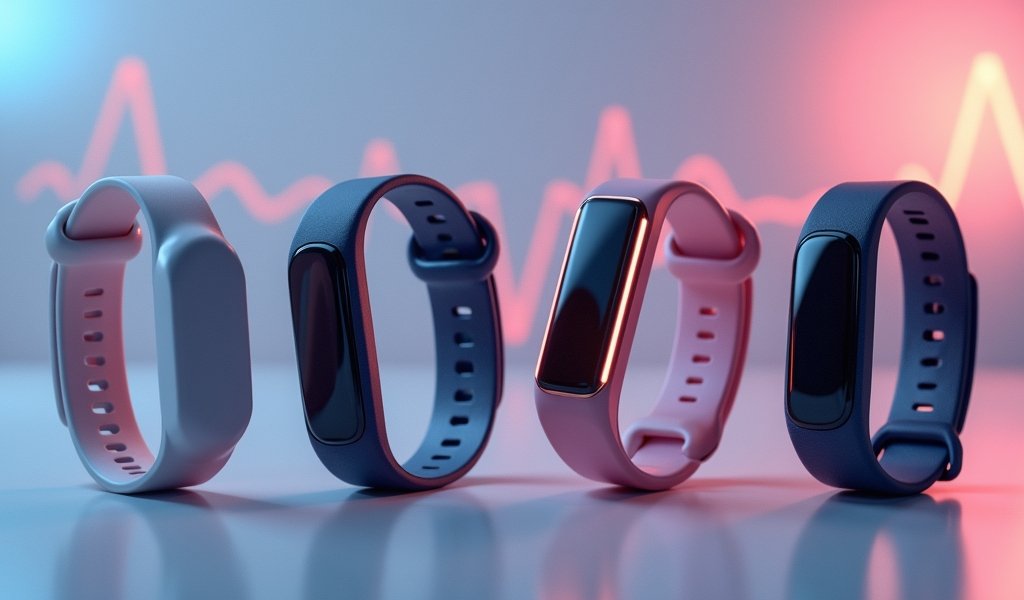
The Fitbit Charge 5 stands as the most well-rounded health tracker on the market in 2023, striking an ideal balance between comprehensive features and user-friendly design. This slim wristband packs impressive technology into its compact frame, making it suitable for 24/7 wear without feeling cumbersome.
What truly distinguishes the Charge 5 is its holistic approach to health monitoring. Beyond standard activity tracking, it offers an electrocardiogram (ECG) app for heart rhythm assessment, an EDA scan for stress management, and skin temperature variation tracking. The sleep analysis is particularly noteworthy, breaking down your night into sleep stages and providing a daily readiness score to help optimize your activity level.
Battery life extends to 7 days, though using the always-on display or GPS tracking will reduce this significantly. The bright AMOLED color touchscreen represents a substantial upgrade from previous models, with responsive controls and excellent visibility even in direct sunlight.
The Fitbit ecosystem remains one of the most user-friendly, with an intuitive app that presents complex health data in easily digestible formats. For those seeking deeper insights, Fitbit Premium ($9.99/month) unlocks additional analytics and guided programs, though the device provides substantial value even without this subscription.
At around $150, the Charge 5 delivers exceptional value for a device that monitors nearly every aspect of your physical wellbeing. Its only significant drawbacks are limited smartwatch capabilities compared to Apple or Samsung offerings and occasional syncing issues reported by some users.
2. Apple Watch Series 8: Premium Health Monitoring
The Apple Watch Series 8 represents the gold standard for premium health tracking integrated with smartwatch functionality. While its $399 starting price places it among the more expensive options, the comprehensive health features justify the investment for many users, particularly those already in the Apple ecosystem.
Health monitoring capabilities are impressive and clinically relevant. The FDA-cleared ECG function can detect atrial fibrillation, while the blood oxygen sensor provides SpO2 measurements throughout the day and night. New to Series 8 is the temperature sensor, primarily designed for retrospective ovulation tracking and enhanced sleep insights.
Apple’s implementation of activity tracking through the iconic “rings” system remains one of the most motivating approaches to daily movement goals. The watch excels at detecting workouts automatically and provides metrics tailored to specific activities, from running and swimming to pilates and tai chi.
Safety features set the Apple Watch apart, with fall detection, emergency SOS, and crash detection potentially life-saving in critical situations. The tight integration with iPhone creates a seamless experience, though this becomes a limitation for Android users who should look elsewhere.
Battery life remains the primary drawback, typically requiring daily charging with normal use. The new low-power mode extends this somewhat, but still falls short of dedicated fitness trackers. For those who prioritize health monitoring alongside smart features and are willing to charge regularly, the Apple Watch Series 8 offers the most polished wearable experience available.
3. Garmin Venu 2: Best for Serious Athletes
The Garmin Venu 2 caters to fitness enthusiasts and athletes seeking detailed performance metrics within a versatile smartwatch design. Priced around $349, it delivers specialized tracking that casual users might not fully utilize, but which provides invaluable data for those serious about training optimization.
What distinguishes the Venu 2 is its focus on workout intelligence and recovery analysis. The device offers over 25 built-in sports apps with detailed metrics for each activity type. Runners will appreciate the running dynamics data, while strength trainers benefit from automatic rep counting and muscle map graphics that visualize which muscle groups you’ve worked.
Garmin’s Body Battery feature stands out by combining heart rate variability, stress, sleep quality, and activity data to quantify your body’s energy reserves. This helps prevent overtraining and indicates when you’re primed for peak performance. Recent research supports the importance of such recovery metrics in optimizing athletic performance.
Battery life impresses at up to 11 days in smartwatch mode or 8 hours with continuous GPS usage, making it suitable for endurance athletes. The vibrant AMOLED display offers excellent visibility while still preserving battery efficiency through smart power management.
The companion Garmin Connect app provides comprehensive data visualization, though its density of information can initially overwhelm new users. For athletes seeking actionable insights rather than just basic activity stats, the learning curve proves worthwhile, offering training load focus, recovery time recommendations, and even suggested workouts based on your current fitness level.
4. WHOOP 4.0: Recovery Focused Tracker
The WHOOP 4.0 takes a fundamentally different approach to fitness tracking, focusing almost exclusively on recovery and strain rather than step counts or calories. Unlike most trackers, WHOOP has no screen and operates on a subscription model ($30/month with included hardware), positioning it as a coaching service rather than simply a device.
What makes WHOOP unique is its sophisticated analysis of recovery metrics. Using heart rate variability, resting heart rate, respiratory rate, and sleep performance, it generates a daily recovery score from 0-100%. This score then informs your optimal training intensity, helping prevent overtraining and maximize performance gains. The strain coach feature recommends appropriate exertion levels based on your recovery state each day.
Sleep tracking represents WHOOP’s strongest feature, with detailed analysis of sleep stages, disturbances, and efficiency. The sleep coach provides actionable recommendations for improving sleep quality based on your personal data patterns. For many users, these insights alone justify the subscription cost.
The screenless design prioritizes battery life (up to 5 days) and comfort during sleep. The band itself is ultralight and waterproof, with a barely-there feel that many users prefer over bulkier smartwatches. Data synchronizes to your smartphone app, which provides one of the most detailed analytics platforms available for wearables.
WHOOP works best for dedicated fitness enthusiasts willing to commit to wearing it consistently and responding to its recommendations. The subscription model won’t appeal to everyone, but those focused on optimizing recovery and performance often find the coaching aspect invaluable.
5. Samsung Galaxy Watch 5: Best for Android Users
For Android users seeking a powerful health tracker with full smartwatch capabilities, the Samsung Galaxy Watch 5 delivers a compelling package at $279. It serves as the Android ecosystem’s answer to the Apple Watch, with particular advantages for Samsung smartphone owners.
Health features include comprehensive activity tracking, sleep analysis with snore detection (when paired with a compatible smartphone), body composition measurement, and ECG monitoring. The BioActive Sensor combines multiple health sensors into one efficient unit, measuring heart rate, blood oxygen, and bioelectrical impedance analysis for body fat percentage.
The 3-in-1 BioActive Sensor represents significant technological advancement, providing metrics typically requiring specialized equipment. While studies indicate these wearable measurements aren’t as precise as medical-grade equipment, they provide valuable trending data for personal health monitoring.
Battery life reaches about 40 hours with typical use, placing it between the Apple Watch and longer-lasting fitness-focused devices. The durable sapphire crystal display resists scratches exceptionally well, while the aluminum case balances weight and durability for comfortable all-day wear.
Running on Wear OS powered by Samsung, the Galaxy Watch 5 offers extensive app support and customization options. Health data integrates with Samsung Health, providing detailed analytics and trend tracking. Google services like Maps and Assistant are also available, though some features work best with Samsung smartphones specifically.
6. Oura Ring Gen 3: Discreet Health Monitoring
The Oura Ring Gen 3 reimagines health tracking in a form factor that disappears into your daily life. At $299 plus a $5.99 monthly subscription, this stylish ring packs advanced sensors into a discreet package weighing just 4-6 grams, making it the most unobtrusive continuous health monitor available.
Oura excels particularly in sleep analysis, using infrared sensors to measure blood flow patterns and body temperature variations throughout the night. The ring tracks deep sleep, REM sleep, and light sleep with remarkable accuracy, then combines these metrics with resting heart rate and heart rate variability to generate a daily readiness score.
Unlike wrist-based trackers, the ring format eliminates motion artifacts during sleep that can compromise data quality. This advantage makes Oura particularly valuable for those prioritizing sleep insights. The addition of daytime heart rate monitoring and period prediction in the third generation has transformed it from a sleep specialist to a more comprehensive health tracker.
Battery life stretches to 7 days, and the ring charges fully in just 20-80 minutes. The titanium construction offers durability while remaining lightweight and hypoallergenic. Water resistance to 100 meters means you never need to remove it for handwashing or swimming.
The primary limitations include less robust activity tracking compared to wrist-based alternatives and the lack of GPS or a display for real-time feedback. However, for those seeking health insights without the constant presence of a screen or the bulk of a watch, the Oura Ring offers unmatched comfort and discretion.
7. Amazon Halo View: Budget-Friendly Option
The Amazon Halo View presents an affordable entry point into comprehensive health tracking at just $79.99, with optional premium features available through a $3.99 monthly subscription. This price accessibility makes sophisticated health monitoring available to budget-conscious consumers without sacrificing essential functionality.
Despite its lower price point, the Halo View includes core features found in more expensive competitors: activity tracking, sleep analysis, heart rate monitoring, and blood oxygen measurement. The color AMOLED display provides basic metrics at a glance, though the screen is more limited than premium alternatives.
Amazon differentiates the Halo ecosystem through unique features like body composition analysis using your smartphone camera and tone analysis that evaluates the emotional qualities of your speech. These novel approaches extend health tracking beyond physical metrics into psychological well-being, though their practical utility varies by user.
Battery life extends to 7 days with normal use, rivaling much more expensive devices. The lightweight design and comfortable band make it suitable for 24/7 wear, though some users report the build quality feels less premium than competitors.
The Halo membership includes guided workouts, nutrition programs, and sleep resources from partners like Headspace and Weight Watchers. While the subscription adds value, the core tracking features function without it, making this an excellent option for those just beginning their health monitoring journey.
8. Xiaomi Mi Band 7: Best Value Tracker
The Xiaomi Mi Band 7 delivers extraordinary value at approximately $45, offering features typically found in devices costing three times as much. This seventh iteration of the popular budget tracker has matured into a capable health monitor that rivals premium options in many aspects.
The vibrant 1.62-inch AMOLED display represents a substantial upgrade from previous generations, with always-on capability and excellent outdoor visibility. The larger screen improves usability while maintaining the slim profile and lightweight (13.5g) construction that has defined the Mi Band series.
Health tracking capabilities impress at this price point, including continuous heart rate monitoring, blood oxygen saturation, stress tracking, and female health features. Sleep analysis provides details on sleep stages and breathing quality, while activity tracking supports 110+ sports modes with surprising accuracy.
Battery life stands out even among dedicated fitness trackers, with up to 14 days of typical use or 9 days with always-on display activated. This longevity means less frequent charging and more consistent health data collection.
The companion Mi Fitness app provides clean data visualization, though it lacks some of the advanced insights found in Fitbit or Garmin ecosystems. The device also offers basic smart features including notification mirroring, music control, and customizable watch faces.
For those seeking comprehensive health monitoring on a tight budget, the Mi Band 7 represents an exceptional value proposition with few meaningful compromises. Its primary limitations are the lack of built-in GPS (it can use your phone’s GPS) and relatively basic smart features compared to full smartwatches.
How to Choose the Right Fitness Tracker for You
Selecting the ideal fitness tracker requires matching device capabilities to your specific health goals and lifestyle needs. Consider these key factors when making your decision:
- Health priorities: Identify your primary health concerns. Sleep-focused users might prefer Oura or WHOOP, while athletes benefit from Garmin’s training metrics.
- Activity type: Consider the activities you regularly engage in. Swimmers need water resistance, runners benefit from built-in GPS, and weightlifters need accurate heart rate monitoring during static exercises.
- Form factor preference: Decide between watches, bands, and rings based on comfort and style preferences. Larger displays offer better visual feedback but may feel bulkier during sleep.
- Smartphone compatibility: Ensure your chosen tracker works optimally with your phone. Apple Watch requires iPhone, while Samsung watches offer full functionality only with Android devices.
- Battery expectations: Consider how frequently you’re willing to charge. Daily charging enables more powerful features (Apple Watch), while weekly charging suits those prioritizing convenience (Fitbit, Garmin).
- Budget considerations: Factor in both initial hardware costs and potential subscription fees. Some devices (WHOOP, Oura) require ongoing subscriptions for full functionality.
Test comfort before committing if possible. Since health trackers provide maximum value when worn consistently, finding one comfortable enough for 24/7 wear is essential. Many retailers offer return periods that allow you to assess comfort during daily activities and sleep.
Finally, consider your technological comfort level. Some ecosystems offer simpler interfaces ideal for beginners (Fitbit), while others provide deeper data better suited to those comfortable interpreting complex health metrics (Garmin, WHOOP).
Conclusion
The health and fitness tracker market in 2023 offers unprecedented choice, with devices tailored to every lifestyle, budget, and health goal. From the comprehensive monitoring of the Fitbit Charge 5 to the athletic focus of the Garmin Venu 2 and the discreet tracking of the Oura Ring, there’s truly a perfect match for everyone.
What matters most isn’t necessarily having the most expensive or feature-packed device, but finding one that aligns with your specific health priorities and that you’ll wear consistently. The best fitness tracker is ultimately the one that integrates seamlessly into your life while providing meaningful insights that motivate positive change.
Remember that these devices serve as tools to enhance awareness of your health patterns—they complement rather than replace professional healthcare. Used mindfully, they can provide the continuous feedback loop needed to establish and maintain healthy habits, helping you become more attuned to your body’s signals and needs.
Whether you’re just beginning your health monitoring journey or looking to upgrade an existing tracker, the options reviewed here represent the best available technology to support your wellbeing in 2023 and beyond.
Frequently Asked Questions
How accurate are fitness trackers for calorie counting?
Fitness trackers typically estimate calories burned with 10-20% variance from laboratory measurements. They’re most useful for tracking relative changes in your energy expenditure rather than providing absolute caloric values.
Can fitness trackers detect serious health problems?
Some advanced trackers can identify irregular heart rhythms and abnormal oxygen levels that may indicate health concerns. However, they should complement rather than replace regular medical check-ups with healthcare professionals.
How long do fitness trackers typically last before needing replacement?
Most quality fitness trackers remain functional for 2-4 years before battery degradation or technology obsolescence becomes significant. Premium models typically offer longer usable lifespans and better manufacturer support.
Are fitness tracker sleep measurements clinically reliable?
Consumer fitness trackers can identify basic sleep patterns but aren’t as accurate as clinical polysomnography. They’re best used to track personal sleep trends and patterns rather than diagnosing sleep disorders.
Do I need to wear my fitness tracker all the time?
Consistent wearing provides the most valuable data by establishing your personal baselines and tracking trends over time. Most modern trackers are designed for 24/7 wear, though some users remove them during charging or certain activities.