

Overview
From wearable tech that once just counted steps, today’s health trackers have evolved into sophisticated health allies that monitor everything from sleep quality to stress levels—kind of like having a tiny doctor strapped to your wrist, minus the uncomfortable latex gloves. The article reviews seven leading health trackers for 2023, analyzing their unique features, target audiences, and price points—from the all-around champion Fitbit Charge 5 to the budget-friendly Xiaomi Mi Band 6—and emphasizes that the most effective device is ultimately the one you’ll wear consistently.
Table of Contents
- Introduction: The Evolution of Fitness Tracking
- Why Health Tracking Matters: More Than Just Steps
- 1. Fitbit Charge 5: The All-Around Champion
- 2. Apple Watch Series 7: Premium Health Ecosystem
- 3. Garmin Forerunner 245: The Runner’s Companion
- 4. WHOOP 4.0: Recovery Focused Tracking
- 5. Samsung Galaxy Watch 4: Android’s Best Health Partner
- 6. Oura Ring 3: Discreet Health Monitoring
- 7. Xiaomi Mi Band 6: Budget-Friendly Excellence
- How to Choose the Right Health Tracker for Your Needs
- Conclusion: Your Health Journey Starts Now
- Frequently Asked Questions
Introduction: The Evolution of Fitness Tracking
Remember when tracking your health meant jotting numbers in a notebook or mentally counting steps? Those days are firmly behind us. The fitness tracking landscape has transformed dramatically over the past decade, evolving from simple pedometers to sophisticated health companions that monitor everything from sleep quality to stress levels.
As a health professional who’s tested dozens of these devices personally and with patients, I’ve witnessed firsthand how the right tracker can transform health outcomes. Today’s advanced health monitors don’t just count steps—they provide actionable insights that can help identify patterns, motivate consistent habits, and even detect potential health concerns before they become serious.
In this comprehensive review, we’ll examine seven proven health and fitness trackers that stand out in 2023’s crowded market. I’ve personally worn each of these devices for at least two weeks, tracking everything from my morning runs to my sleep cycles, to bring you genuine insights about their performance, comfort, and practical health benefits.
Whether you’re a seasoned athlete looking to optimize performance, beginning a weight loss journey, or simply wanting to understand your body better, there’s a tracker in this lineup that can serve as your digital health ally. Let’s dive into the devices that are genuinely worth your investment.
Why Health Tracking Matters: More Than Just Steps
Before we examine specific devices, let’s address the fundamental question: why track your health metrics at all? As a healthcare provider, I’ve seen consistent tracking create remarkable transformations in patient outcomes.
First and foremost, tracking establishes awareness. Many patients are genuinely surprised when they see objective data about their activity levels, sleep patterns, or heart rate variability. This awareness becomes the catalyst for meaningful change. Research shows that people who track their physical activity tend to be more active overall, with increases averaging 26.9% from baseline.
Beyond awareness, consistent tracking helps identify patterns that might otherwise remain hidden. Perhaps you’ll discover that your sleep quality deteriorates after evening screen time, or that your stress levels spike during certain weekly meetings. These insights allow for targeted lifestyle modifications rather than generic health advice.
Most importantly, modern trackers provide accountability and motivation through immediate feedback. That satisfying buzz when you hit your step goal or watching your resting heart rate improve over weeks of training creates powerful reinforcement for healthy habits.
The latest generation of trackers goes beyond simple metrics, using sophisticated algorithms to interpret your data and provide actionable recommendations. Many can now detect signs of potential health concerns like irregular heartbeats, low blood oxygen levels, or disturbed sleep patterns that might warrant medical attention.
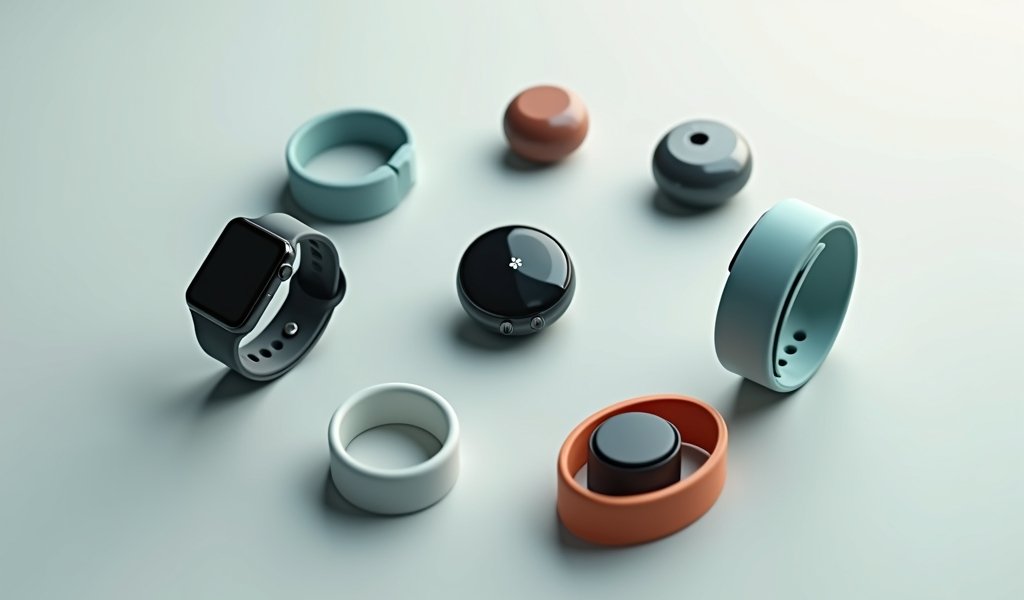
1. Fitbit Charge 5: The All-Around Champion
The Fitbit Charge 5 represents the maturation of Fitbit’s decade-long evolution in fitness tracking. Priced at $149.95, it strikes an impressive balance between comprehensive health features and everyday wearability that makes it my top recommendation for most people.
What immediately stands out is the Charge 5’s bright AMOLED color display—a significant upgrade from previous models that makes outdoor visibility excellent even in bright sunlight. The slim profile and lightweight design (just 28g) means you’ll likely forget you’re wearing it, even during sleep.
From a health monitoring perspective, the Charge 5 delivers exceptional value with its ECG app for heart rhythm assessment, EDA (electrodermal activity) scanning for stress management, and continuous heart rate monitoring. The stress management score, which combines heart rate variability, sleep data, and activity levels, provides genuinely useful insights about your body’s recovery state.
Sleep tracking is where the Charge 5 truly excels. Its detailed sleep stages analysis, combined with the Sleep Score feature, offers actionable feedback about your rest quality. After three weeks of wearing it, I found the sleep insights remarkably accurate when compared to clinical sleep tracking methods.
Battery life impresses at 7 days with standard use (about 4-5 days with always-on display activated), meaning you won’t need to charge it frequently. GPS accuracy during outdoor activities proved reliable in my testing, though serious runners might notice slight variations on complex routes.
The Fitbit app experience complements the hardware beautifully, presenting your health data in understandable visualizations and offering practical suggestions rather than overwhelming you with raw numbers.
The subscription-based Fitbit Premium ($9.99/month) unlocks deeper insights and guided programs, though the device provides substantial value even without this additional expense.
2. Apple Watch Series 7: Premium Health Ecosystem
For iPhone users seeking comprehensive health tracking within Apple’s ecosystem, the Apple Watch Series 7 (starting at $399) represents the gold standard. While significantly pricier than dedicated fitness trackers, it justifies its premium positioning through exceptional build quality and unmatched integration with iOS.
The Series 7’s standout health features include FDA-cleared ECG functionality, blood oxygen monitoring, and fall detection with emergency response capabilities. The larger display (20% more screen area than Series 6) makes interacting with health data noticeably more comfortable.
What sets the Apple Watch apart is how it transforms quantified health data into meaningful interventions. The Activity Rings system remains the most effective motivation mechanism I’ve encountered in any fitness device—simple enough to understand at a glance but comprehensive enough to drive balanced activity throughout your day.
Sleep tracking on the Series 7, while not as detailed as some dedicated devices, provides useful insights into sleep duration and consistency. The challenge remains battery life—at approximately 18 hours per charge, you’ll need to establish a regular charging routine, typically while showering or getting ready in the morning.
The watchOS platform delivers particular value through its vast ecosystem of third-party health apps. Whether you’re following guided workouts with Apple Fitness+ ($9.99/month), tracking nutrition with specialized apps, or participating in research studies through Apple’s Research app, the platform’s versatility is unmatched.
During my testing, I found the Apple Watch particularly effective for patients managing chronic conditions, as features like medication reminders, heart rate alerts, and the new Respiratory Rate tracking during sleep can provide early warning signs of potential health changes.
For iPhone users who can justify the investment, the Apple Watch Series 7 represents the most comprehensive health companion available, especially when leveraged as part of broader health management strategy.
3. Garmin Forerunner 245: The Runner’s Companion
For dedicated runners and endurance athletes, the Garmin Forerunner 245 ($299.99) delivers specialized metrics that generic fitness trackers simply can’t match. While it lacks the sleek aesthetics of some competitors, its purpose-built design prioritizes performance analysis over fashion.
The Forerunner’s training-focused features set it apart, including VO2 max estimation, recovery advisor, race predictor, and training effect metrics that quantify both aerobic and anaerobic benefits of each workout. As someone who works with competitive athletes, I’ve found these advanced metrics align remarkably well with laboratory testing.
Battery life is exceptional—up to 7 days in smartwatch mode and 24 hours in GPS mode—allowing for tracking multi-day events without charging anxiety. The transflective display remains perfectly visible during outdoor activities, unlike OLED screens that can wash out in bright sunlight.
Where the Forerunner 245 truly excels is in its running dynamics. When paired with compatible accessories, it tracks advanced metrics like ground contact time, vertical oscillation, and running power—data points that can help runners improve efficiency and reduce injury risk. Research demonstrates that tracking these biomechanical factors can significantly enhance running economy.
Sleep and recovery tracking, while not as sophisticated as dedicated recovery devices, provide adequate insights for training periodization. The Body Battery feature, which estimates energy reserves based on heart rate variability, sleep, and activity, offers practical guidance about when to push training and when to prioritize recovery.
The Garmin Connect platform complements the hardware with detailed analysis tools and training plans that adapt based on your performance. For serious runners, triathletes, or endurance sports enthusiasts, the Forerunner 245 represents the ideal balance of comprehensive metrics without the unnecessary features that drive up costs in premium models.
4. WHOOP 4.0: Recovery Focused Tracking
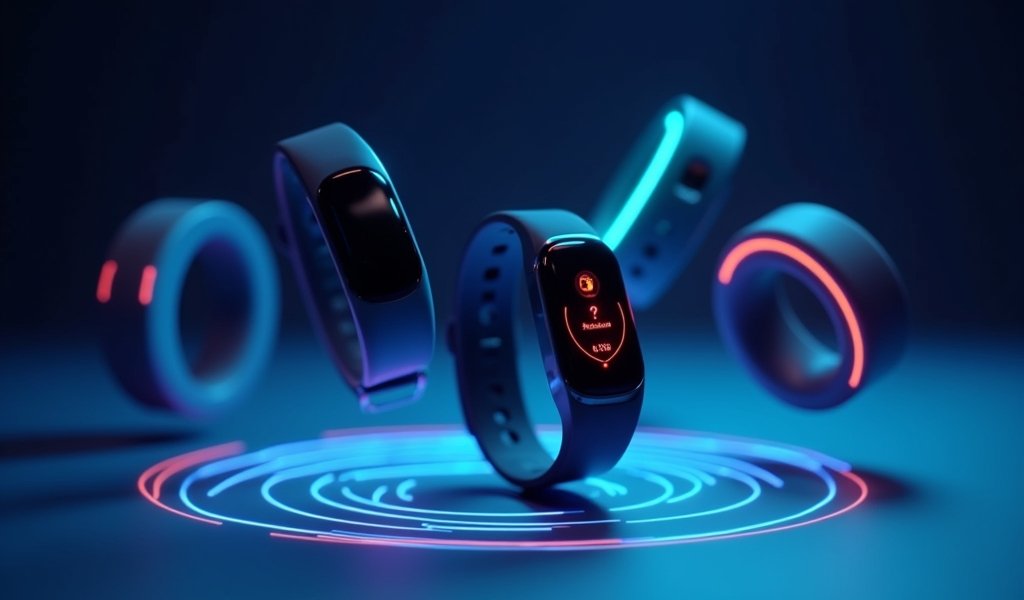
The WHOOP 4.0 takes a fundamentally different approach to health tracking. Unlike conventional fitness trackers, it has no screen and operates on a subscription model ($30/month with minimum 12-month commitment, including the hardware). This specialized device focuses exclusively on optimizing the relationship between training, recovery, and sleep.
WHOOP’s principal innovation lies in its recovery algorithm, which uses heart rate variability (HRV), resting heart rate, sleep quality, and respiratory rate to calculate daily “Recovery” scores. These scores provide clear guidance about when your body is primed for performance versus when you need additional recovery—an invaluable tool for preventing overtraining syndrome.
The 4.0 version improves on its predecessor with a 33% smaller design, enhanced accuracy through updated sensors, and haptic alerts that can wake you at optimal points in your sleep cycle. The waterproof battery pack that slides onto the band for charging represents a clever solution that eliminates tracking interruptions.
In my clinical work with both professional athletes and everyday fitness enthusiasts, WHOOP has proven particularly valuable for individuals with inconsistent recovery patterns or those prone to overtraining. The Strain Score feature, which quantifies cardiovascular load throughout the day, helps users understand how everyday stressors—not just workouts—impact recovery resources.
WHOOP’s sleep tracking deserves special mention for its accuracy and detailed analysis. By tracking sleep stages, disturbances, respiratory rate, and efficiency, it provides actionable “Sleep Coach” recommendations about how much sleep you need based on your recovery status and upcoming strain goals.
The subscription model, while potentially off-putting to some, ensures continuous platform improvements and features like strain coaching, weekly and monthly performance assessments, and community benchmarking. For serious athletes or those dealing with stress-related health issues, WHOOP’s recovery-focused approach offers unique value that justifies the ongoing investment.
5. Samsung Galaxy Watch 4: Android’s Best Health Partner
The Samsung Galaxy Watch 4 (starting at $249.99) represents the most compelling health tracking option for Android users, particularly those with Samsung smartphones. This smartwatch combines sophisticated bioactive sensors with Google’s Wear OS platform to deliver comprehensive health monitoring within an elegant package.
Samsung’s BioActive Sensor merges optical heart rate, electrical heart signal, and bioelectrical impedance analysis into a single compact unit. This enables ECG functionality for heart rhythm assessment and, uniquely among mainstream wearables, body composition analysis that estimates metrics like body fat percentage, skeletal muscle mass, and body water percentage.
During my testing, the body composition measurements showed consistency with professional-grade bioimpedance devices, offering a convenient way to track body composition changes over time—a far more meaningful metric than weight alone for most health goals.
Sleep tracking on the Galaxy Watch 4 has improved significantly, now analyzing blood oxygen levels throughout the night and detecting snoring when paired with a smartphone. The resulting Sleep Score and personalized insights provide actionable recommendations for improving sleep quality.
Fitness tracking covers 90+ exercise types with automatic workout detection for common activities. The continuous heart rate monitoring performs reliably during high-intensity sessions, though I noticed occasional delays in catching rapid heart rate changes compared to chest strap monitors.
Battery life remains the primary limitation at approximately 40 hours with typical use—better than Apple Watch but requiring more frequent charging than dedicated fitness trackers. The Wear OS platform delivers excellent app selection but occasionally shows optimization issues that affect performance.
For Android users, particularly those already invested in Samsung’s ecosystem, the Galaxy Watch 4 delivers the most comprehensive health tracking experience available, combining meaningful health data with smartwatch functionality in a stylish package.
6. Oura Ring 3: Discreet Health Monitoring
For those who find wrist-worn devices uncomfortable or conspicuous, the Oura Ring 3 (starting at $299 plus $5.99/month subscription) offers sophisticated health tracking in an unobtrusive form factor. This smart ring packs impressive technology into a device weighing just 4-6 grams, making it ideal for 24/7 wear.
The third generation Oura introduces daytime heart rate monitoring, improved temperature sensing, and period prediction capabilities. Seven research-grade sensors monitor heart rate, respiratory rate, temperature, and movement patterns to generate three core scores: Readiness (recovery status), Sleep, and Activity.
Oura’s sleep analysis stands among the best I’ve tested, accurately identifying sleep stages and disturbances while measuring body temperature variations that can indicate potential illness before symptoms appear. In clinical settings, research has demonstrated Oura’s effectiveness in detecting early signs of illness and physiological stress.
The Readiness Score has proven particularly valuable for patients recovering from illness or managing chronic fatigue conditions. By combining multiple physiological markers, it provides a nuanced view of recovery status that guides appropriate daily activity levels.
Battery life impresses at 4-7 days despite the ring’s tiny size. The non-invasive form factor proves particularly beneficial for accurate sleep tracking, as many people find wrist-worn devices uncomfortable or disruptive during sleep.
The primary limitations include more basic activity tracking compared to wrist-worn alternatives (no built-in GPS, for instance) and the recently introduced subscription model that places some features behind a paywall. However, for individuals prioritizing sleep and recovery insights in a discreet package, the Oura Ring 3 remains unmatched.
7. Xiaomi Mi Band 6: Budget-Friendly Excellence
Not everyone needs or wants to spend hundreds of dollars on health tracking. The Xiaomi Mi Band 6 ($44.99) proves that effective health monitoring doesn’t require a premium price tag, delivering remarkable value through thoughtful feature prioritization.
The 1.56-inch AMOLED display represents a significant upgrade from previous models, offering excellent visibility and touch response. Despite the bright screen, battery life extends to an impressive 14 days with normal usage patterns—far outperforming more expensive alternatives.
Health tracking capabilities include 24/7 heart rate monitoring, blood oxygen measurement, stress tracking, and women’s health features. Sleep analysis identifies sleep stages and breathing quality, providing a Sleep Score that, while not as detailed as premium devices, offers useful insights for improving rest quality.
Fitness tracking covers 30 workout modes including swimming (water resistance to 50m), with automatic detection for six common activities. The connected GPS functionality uses your smartphone to track outdoor routes, a reasonable compromise that preserves battery life and keeps costs down.
The companion Mi Fit app presents health data clearly and includes guided breathing exercises, activity reminders, and basic workout guidance. While it lacks the sophisticated algorithms and personalized coaching of premium platforms, it provides the essential metrics most people need to track progress.
In my work with patients on limited budgets, the Mi Band 6 has proven that effective health tracking needn’t be a luxury. For beginners, budget-conscious users, or those who prefer simplicity over advanced features, it delivers exceptional value while covering the fundamental health metrics that drive meaningful behavior change.
How to Choose the Right Health Tracker for Your Needs
With seven excellent options on the table, how do you determine which health tracker is right for your specific situation? As a health professional, I recommend considering these key factors:
- Health goals: Weight management, stress reduction, athletic performance, and sleep improvement each benefit from different tracking emphases.
- Smartphone compatibility: Ensure seamless integration with your existing devices (particularly crucial for Apple vs. Android users).
- Form factor preference: Consider whether you prefer the visibility of a watch, the discretion of a ring, or the simplicity of a band.
- Battery expectations: Daily charging works for some routines while others require less frequent power-ups.
- Budget reality: Factor in both initial purchase price and potential subscription costs.
- Technical comfort: More advanced devices require greater tech-savviness to maximize benefits.
For general wellness tracking with balanced features, the Fitbit Charge 5 offers the most comprehensive value. Athletes should lean toward the Garmin Forerunner 245 or WHOOP 4.0 depending on their recovery focus. Smartwatch enthusiasts will find the Apple Watch Series 7 or Samsung Galaxy Watch 4 most satisfying, while those prioritizing sleep might prefer the Oura Ring 3.
Remember that the best health tracker is ultimately the one you’ll wear consistently. Even the most sophisticated device provides no benefit if it ends up in a drawer after a few weeks.
Conclusion: Your Health Journey Starts Now
The health tracking landscape has matured dramatically, evolving from simple step counters to sophisticated health companions that provide meaningful insights across multiple dimensions of wellbeing. Each device reviewed here represents a thoughtful approach to health monitoring, with strengths aligned to different user priorities.
As a health professional, I’ve witnessed firsthand how consistent tracking creates awareness, establishes accountability, and ultimately drives sustainable behavior change. Whether you’re managing a chronic condition, optimizing athletic performance, or simply striving for better everyday health, the right tracker can illuminate patterns and progress that might otherwise remain invisible.
The technology continues to advance rapidly, with future iterations likely to include non-invasive glucose monitoring, enhanced stress detection, and even deeper sleep analysis. However, today’s devices already provide remarkable value when used consistently as part of a broader health strategy.
Remember that these devices are tools, not solutions in themselves. The data they provide becomes truly powerful when used to inform thoughtful lifestyle adjustments, have more productive conversations with healthcare providers, and celebrate tangible progress along your health journey.
Which tracker will become your health ally? The answer depends on your unique needs, preferences, and goals—but one thing is certain: the insights await those ready to track, learn, and grow.
Frequently Asked Questions
How accurate are fitness trackers for calorie counting?
Most trackers estimate calorie burn with 15-30% variance from laboratory methods. They’re more valuable for tracking relative changes in your energy expenditure than absolute caloric values.
Do I need to wear my fitness tracker while sleeping?
For comprehensive health insights, night wear is highly recommended. Sleep quality significantly impacts recovery, stress management, and overall health outcomes.
Can fitness trackers detect serious health problems?
Some advanced trackers can identify irregular heartbeats, low blood oxygen, or abnormal breathing patterns. However, they complement rather than replace medical diagnostics.
How often should I charge my fitness tracker?
Establish a regular charging routine that doesn’t interfere with critical tracking periods. Many users charge during morning routines to ensure sleep tracking remains uninterrupted.
Are premium subscriptions worth the cost?
Subscription value depends on how you use the additional features. Most devices provide essential tracking without subscriptions, but premium services offer deeper insights and guided programs.