

Overview
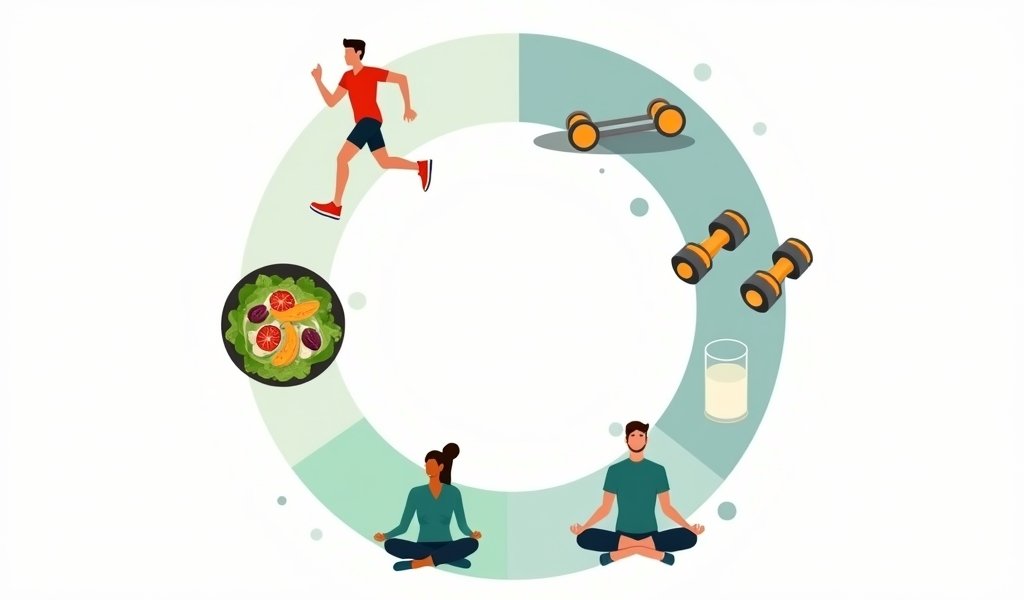
In the battlefield of fitness advice where trends come and go faster than a donut in a police station, this article cuts through the noise to deliver seven evidence-based health strategies: balanced nutrition, consistent exercise, quality sleep, stress management, proper hydration, mindful movement/recovery, and accountability. These strategies work synergistically to create sustainable health improvements without extreme measures, emphasizing that small, consistent efforts lead to remarkable transformations in physical and mental wellbeing.
7 Proven Health and Fitness Strategies: The Ultimate Review
In today’s fast-paced world, finding effective health and fitness strategies can feel overwhelming. As a health professional with over a decade of experience, I’ve seen countless trends come and go, but certain approaches consistently deliver results. This comprehensive review breaks down seven evidence-based strategies that can transform your wellbeing. These aren’t quick fixes or fads—they’re sustainable methods backed by science and proven effective for long-term health.
Table of Contents
- Balanced Nutrition: The Foundation of Health
- Consistent Exercise: Finding Your Perfect Routine
- Quality Sleep: The Overlooked Health Pillar
- Stress Management Techniques That Actually Work
- Hydration: Simple Yet Powerful
- Mindful Movement and Recovery
- Accountability and Community Support
- Conclusion: Your Sustainable Health Journey
- Frequently Asked Questions
Balanced Nutrition: The Foundation of Health
Nutrition isn’t just about calories—it’s about providing your body with the building blocks it needs to function optimally. Rather than following restrictive diets, focus on a balanced approach that’s sustainable long-term.
A nutrient-dense diet should include a variety of whole foods that deliver essential vitamins, minerals, and macronutrients. According to Harvard Medical School, plant-forward eating patterns show consistent benefits for overall health and disease prevention.
Here’s what a balanced nutrition plan includes:
- Colorful vegetables and fruits (aim for 5+ servings daily)
- Lean protein sources (both plant and animal-based)
- Whole grains and complex carbohydrates
- Healthy fats from sources like avocados, nuts, and olive oil
- Adequate hydration throughout the day
The key is consistency rather than perfection. Many of my clients find success with the 80/20 approach—nutritious choices 80% of the time, with room for flexibility the other 20%. This balanced perspective fosters a healthier relationship with food while delivering results.
Consistent Exercise: Finding Your Perfect Routine
Exercise doesn’t require endless hours in the gym. Research shows that consistency trumps intensity for long-term health benefits. The Centers for Disease Control and Prevention recommends 150 minutes of moderate activity weekly—just 30 minutes, five days a week.
The most effective exercise routine is one you’ll actually follow. Consider your preferences, schedule, and fitness level when designing your program. Remember that all movement counts!
- Strength training: 2-3 sessions weekly to maintain muscle mass and bone density
- Cardiovascular exercise: Both moderate (brisk walking) and vigorous (running, HIIT) have distinct benefits
- Flexibility work: Regular stretching improves range of motion and prevents injury
- Everyday movement: Taking stairs, walking meetings, and active hobbies all contribute to your overall activity level
Start where you are, not where you think you should be. Small, consistent efforts compound over time and lead to remarkable changes in both physical capacity and health markers.

Quality Sleep: The Overlooked Health Pillar
Sleep is perhaps the most undervalued component of health in our society. Without adequate rest, even perfect nutrition and exercise habits will fall short of their potential impact. Research published in the Journal of Clinical Sleep Medicine demonstrates that sleep quality directly affects everything from cognitive function to metabolic health.
Most adults need 7-9 hours of quality sleep nightly, yet approximately one-third of Americans regularly get less. Poor sleep habits contribute to weight management challenges, reduced exercise recovery, and increased disease risk.
Optimize your sleep environment with these evidence-based strategies:
- Maintain consistent sleep and wake times (even on weekends)
- Create a cool, dark, quiet bedroom environment
- Limit screen exposure 1-2 hours before bedtime
- Develop a relaxing pre-sleep routine
- Consider limiting caffeine after midday and alcohol near bedtime
Prioritizing sleep isn’t laziness—it’s one of the smartest investments you can make in your health, performance, and longevity.
Stress Management Techniques That Actually Work
Chronic stress silently undermines health efforts through elevated cortisol levels, inflammation, and disrupted sleep patterns. While we can’t eliminate stress entirely, we can develop effective management strategies.
Modern research, including studies from the American Psychological Association, confirms that regular stress management practices produce measurable improvements in both mental and physical health markers.
Effective stress management techniques include:
- Mindfulness meditation (even 5-10 minutes daily shows benefits)
- Regular physical activity
- Time in nature
- Deep breathing exercises
- Journaling and creative expression
- Social connection and community
The most important aspect is finding approaches that resonate with you personally. Experiment with different techniques until you discover what helps you feel genuinely centered and calm.
Hydration: Simple Yet Powerful
Proper hydration affects nearly every bodily function, from cognitive performance to digestion and cellular health. Despite its importance, surveys indicate that up to 75% of Americans live in a chronically dehydrated state.
Individual hydration needs vary based on activity level, climate, and personal factors. While the “eight glasses daily” rule provides a general guideline, listen to your body’s signals. Thirst, energy levels, and urine color offer reliable feedback about your hydration status.
- Start each day with water before other beverages
- Carry a reusable water bottle as a visual reminder
- Enhance plain water with natural flavors like citrus, cucumber, or herbs
- Include hydrating foods like watermelon, cucumber, and leafy greens
- Monitor caffeine intake, as it can contribute to fluid loss
Proper hydration requires minimal effort yet delivers substantial health benefits—from improved energy to better skin health and digestive function.
Mindful Movement and Recovery
In our achievement-oriented culture, we often overlook the importance of recovery and regeneration. However, research from the International Journal of Sports Physical Therapy shows that strategic recovery is equally important as training for performance improvements and injury prevention.
Mindful movement practices like yoga, tai chi, and pilates offer dual benefits—they build strength and flexibility while teaching body awareness and proper breathing techniques. These approaches complement more intense exercise modalities and help maintain mobility throughout life.
Effective recovery strategies include:
- Regular mobility work and dynamic stretching
- Foam rolling and self-myofascial release
- Active recovery days between intense workouts
- Proper warm-up and cool-down protocols
- Restorative practices like gentle yoga or swimming
Remember that progress happens during recovery, not during the workout itself. By respecting this biological reality, you’ll experience better results with less risk of burnout or injury.
Accountability and Community Support
The most effective health strategies incorporate social support and accountability. Research consistently shows that individuals with strong support systems maintain healthy behaviors longer and achieve better outcomes.
Finding your accountability approach might involve:
- Working with a qualified health professional or coach
- Joining group fitness classes or teams
- Finding a consistent workout partner
- Using technology like fitness trackers or apps
- Participating in online communities focused on similar health goals
The key is finding support that feels encouraging rather than judgmental. Positive accountability motivates through connection and shared purpose, not shame or comparison.
Conclusion: Your Sustainable Health Journey
These seven proven strategies provide a comprehensive framework for sustainable health and fitness. Remember that true health isn’t about quick fixes or extreme measures—it’s about consistent, intelligent choices that support your wellbeing over time.
Rather than attempting to implement everything at once, consider which area would most benefit from your attention right now. Small, consistent improvements compound over time and lead to remarkable transformations in how you look, feel, and perform.
Your health journey is personal and evolving. By focusing on these evidence-based strategies and adapting them to your unique needs and preferences, you’re setting yourself up for lasting success rather than temporary results.
Frequently Asked Questions
What’s the most important health strategy among these seven?
There’s no single “most important” strategy as they work synergistically. However, nutrition typically provides the foundation upon which other health practices can build.
How quickly will I see results from implementing these strategies?
Some benefits like improved energy and mood may appear within days, while physical changes typically become noticeable within 4-6 weeks. Consistency is the key to meaningful, lasting results.
Do I need to implement all seven strategies at once?
No, attempting too many changes simultaneously often leads to overwhelm and abandonment. Start with 1-2 strategies that feel most manageable, then gradually add others.
Can these strategies work for people with health conditions?
Yes, though modifications may be necessary. Always consult your healthcare provider before making significant lifestyle changes, especially if you have existing health conditions.
How do I stay motivated with these health practices long-term?
Focus on how these practices make you feel rather than just how they make you look. Tracking non-scale victories like energy, mood, and performance tends to sustain motivation better than aesthetic goals alone.