
Overview
Forget those miracle fitness gadgets that collect dust faster than your ex collects red flags—this article cuts through the hype to identify seven evidence-based fitness essentials that actually work: quality athletic footwear, heart rate monitoring technology, resistance training equipment, hydration systems, recovery tools, nutrition tracking apps, and sleep aids. These foundational tools create sustainable fitness progress by addressing every aspect of the exercise journey, from injury prevention and optimal training intensity to proper recovery and nutrition, with practical recommendations for each category based on scientific research.
Table of Contents
- Introduction
- Quality Athletic Footwear: The Foundation of Fitness
- Heart Rate Monitoring Technology: Your Personal Training Guide
- Resistance Training Equipment: Building Strength Efficiently
- Hydration Systems: Fueling Performance
- Recovery Tools: The Secret to Consistent Progress
- Nutrition Tracking Apps: Fueling Your Success
- Quality Sleep Aids: The Ultimate Performance Enhancer
- Conclusion
- Frequently Asked Questions
Introduction
In our increasingly sedentary world, prioritizing health and fitness has become more crucial than ever. Yet many find themselves overwhelmed by the sheer volume of products promising miraculous results. As a sports medicine specialist with over a decade of experience, I’ve seen countless fitness trends come and go, but certain essentials consistently prove their worth.
This comprehensive review cuts through the noise to highlight seven evidence-based health and fitness tools that genuinely deliver results. Whether you’re just beginning your wellness journey or looking to optimize an established routine, these proven essentials create a foundation for sustainable progress without gimmicks or false promises.
Quality Athletic Footwear: The Foundation of Fitness
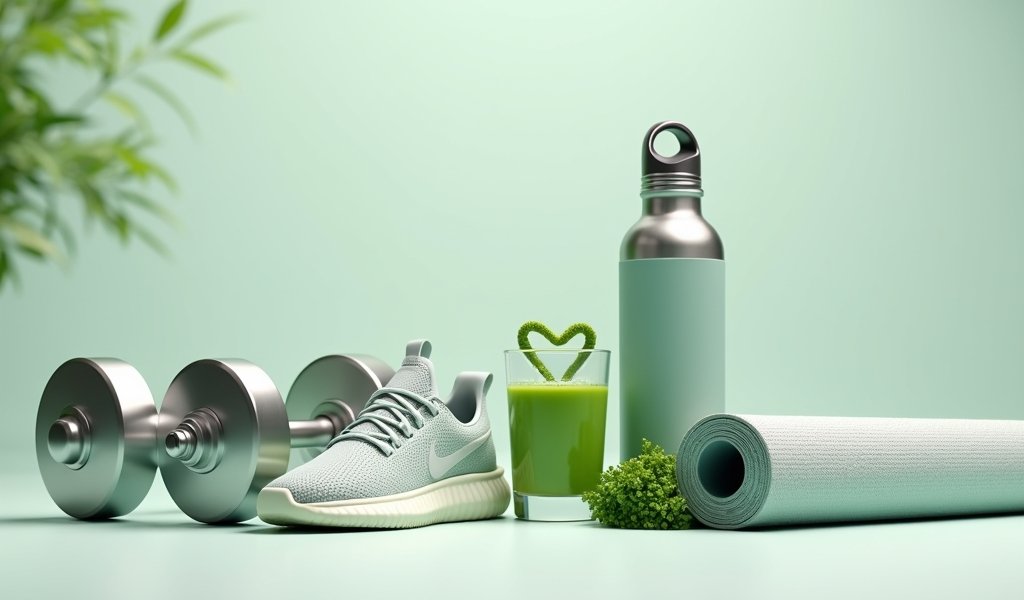
Your feet bear the impact of every step, jump, and landing during exercise. Proper footwear isn’t merely a style choice—it’s your primary defense against potential injuries that can derail your fitness goals.
Research from the Journal of Sports Science & Medicine demonstrates that inappropriate footwear contributes significantly to lower extremity injuries, particularly among runners and those performing high-impact activities. These injuries often cascade upward, affecting knees, hips, and even your lower back.
When selecting fitness footwear, prioritize these key features:
- Activity-specific design (running shoes for running, training shoes for cross-training)
- Proper arch support aligned with your foot type
- Adequate cushioning that doesn’t compromise stability
- A comfortable fit with sufficient toe box room
- Replacements every 300-500 miles or 6-12 months for regular users
For runners, models like the Brooks Ghost and ASICS Gel-Nimbus provide excellent cushioning and support. Cross-trainers might prefer the Nike Metcon or Reebok Nano series for their versatility across lifting and cardio activities. If you’re unsure about your specific needs, many specialty stores offer gait analysis to determine your optimal footwear.
Quality athletic shoes typically range from $100-160, representing one of the most important investments in your fitness arsenal. Consider it preventive maintenance for your body’s foundation.
Heart Rate Monitoring Technology: Your Personal Training Guide
Heart rate monitoring transforms subjective effort into objective data, allowing you to optimize workouts for specific goals. This technology has evolved dramatically from the chest straps of yesteryear to sophisticated wearables that track multiple metrics simultaneously.
The benefits of heart rate monitoring extend beyond just intensity tracking:
- Establishes personalized training zones based on your physiology
- Prevents overtraining by identifying recovery needs
- Provides concrete feedback on cardiovascular improvements
- Helps balance high-intensity and recovery sessions
- Enables more precise caloric expenditure estimates
When choosing heart rate monitoring technology, consider accuracy versus convenience. Chest straps like the Polar H10 remain the gold standard for precision, consistently performing within 1-2% of clinical ECG readings. Wrist-based monitors in devices from Garmin, Fitbit, and Apple offer greater convenience with slightly reduced accuracy (typically 5-10% variance during high-intensity activities).
Research published in JAMA Cardiology confirms that training within appropriate heart rate zones improves cardiovascular efficiency more effectively than unmonitored exercise. For beginners, I recommend spending 60-70% of workout time in moderate zones (60-70% of maximum heart rate) with gradual introduction of higher-intensity intervals.
Entry-level heart rate monitors start around $50, while comprehensive fitness watches range from $200-500 depending on additional features. For most recreational exercisers, mid-range options around $150-250 provide excellent value.
Resistance Training Equipment: Building Strength Efficiently
Strength training has emerged as essential for comprehensive fitness, regardless of age or gender. After age 30, we naturally lose 3-5% of muscle mass per decade without resistance training—a decline that accelerates after 60. Beyond aesthetics, strength training improves metabolic health, bone density, and functional movement patterns.
The good news: effective strength training doesn’t require an entire gym’s worth of equipment. Strategic investments in versatile tools yield impressive returns:
- Resistance bands: Portable, versatile, and effective for full-body workouts. Quality sets from brands like Whatafit or Bodylastics offer various resistance levels for $20-40.
- Adjustable dumbbells: Space-efficient alternatives to entire dumbbell racks. Models like Bowflex SelectTech or PowerBlock replace multiple pairs while allowing progressive overload. Though initially expensive ($300-500), they deliver exceptional long-term value.
- Kettlebells: Ideal for dynamic, functional movements that combine strength and cardiovascular benefits. A single 16kg (35lb) kettlebell enables dozens of effective exercises for $40-80.
- Suspension trainers: Systems like TRX leverage body weight and gravity to create highly adjustable resistance. At $120-200, they provide remarkable versatility in minimal space.
Dr. Stuart Phillips, a leading researcher in muscle physiology at McMaster University, notes that resistance training volume (total work performed) matters more than specific equipment used. This means even minimal equipment, when used consistently with proper technique, produces significant results.
For home gym beginners, I recommend starting with resistance bands and one adjustable tool (dumbbells or kettlebell). This combination enables hundreds of exercises while requiring minimal storage space.
Hydration Systems: Fueling Performance
Proper hydration remains one of the most overlooked aspects of fitness performance. Even mild dehydration (1-2% of body weight) significantly impairs endurance, strength, and cognitive function during exercise.
Modern hydration solutions have evolved well beyond basic water bottles:
- Insulated bottles: Double-wall vacuum insulated bottles from brands like Hydro Flask and YETI maintain temperature for hours, encouraging consistent hydration. Most quality options range from $25-45.
- Hydration packs: Essential for endurance athletes, systems from CamelBak, Nathan, and Salomon allow hands-free hydration during activities. Basic models start around $60, while activity-specific designs can reach $150.
- Electrolyte supplements: For sessions exceeding 60-90 minutes or performed in high heat, electrolyte replacement becomes crucial. Tablets, powders, or ready-mixed options from Nuun, Liquid IV, or LMNT restore essential minerals without excessive sugar.
A study in the Journal of the International Society of Sports Nutrition found that strategic hydration can improve performance by 7-8% during prolonged exercise—a significant margin in both competitive and recreational contexts.
For most fitness enthusiasts, I recommend consuming 16-20 oz of fluid 2-3 hours before exercise, then 7-10 oz every 20 minutes during activity. Post-workout, aim to replace 16-24 oz for every pound lost during exercise.
Remember that thirst is a delayed indicator of dehydration; by the time you feel thirsty, performance has already begun declining. Establishing consistent hydration habits pays dividends in both immediate performance and recovery.
Recovery Tools: The Secret to Consistent Progress
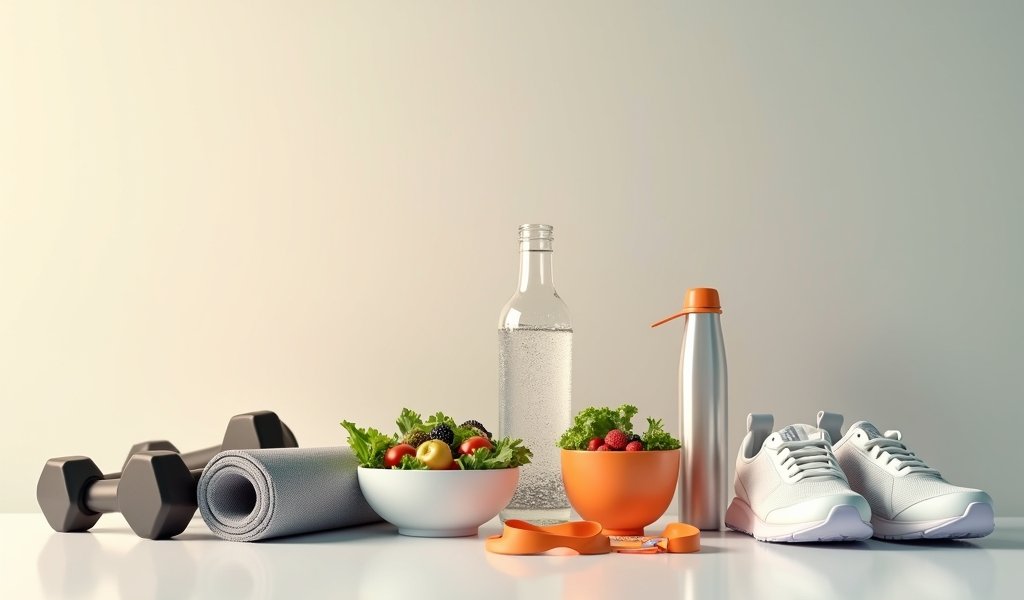
In fitness, adaptation happens during recovery, not during the workout itself. Yet many enthusiasts overlook this critical phase, focusing exclusively on training intensity. Proper recovery tools accelerate tissue repair, reduce soreness, and enable consistent training—the true key to long-term progress.
The recovery market has expanded dramatically, offering options from basic to advanced:
- Foam rollers: These self-myofascial release tools improve tissue mobility and circulation. The TriggerPoint GRID ($35) and RumbleRoller ($45) provide different compression patterns for various needs. Research in the Journal of Athletic Training shows foam rolling can reduce post-exercise soreness by 20-40%.
- Percussion massage devices: Though more expensive ($150-400), tools from Theragun, Hypervolt, and budget alternatives deliver deeper tissue penetration than foam rolling. They’re particularly effective for larger muscle groups and chronic tension areas.
- Compression gear: Graduated compression socks and sleeves from brands like CEP and 2XU improve venous return and reduce inflammation when worn during recovery periods. Prices typically range from $30-60 per item.
- Recovery footwear: Shoes and sandals with enhanced cushioning and arch support promote circulation during daily activities post-workout. OOFOS and Hoka recovery models ($60-130) have gained popularity among athletes and fitness professionals.
For most exercisers, I recommend beginning with a quality foam roller and considering percussion therapy if you experience frequent muscle tightness or participate in high-volume training. These physical recovery tools complement crucial recovery practices like adequate sleep, proper nutrition, and strategic rest days.
Remember that recovery quality often determines training consistency. Even modest investments in recovery tools typically yield significant returns in performance and injury prevention.
Nutrition Tracking Apps: Fueling Your Success
Nutrition accounts for approximately 70-80% of body composition results, making it perhaps the most crucial element of any fitness program. Tracking applications transform abstract dietary concepts into personalized, actionable data.
Modern nutrition apps offer varying approaches to food monitoring:
- Comprehensive trackers: Apps like MyFitnessPal and Cronometer feature extensive food databases and barcode scanning capabilities. These tools track macronutrients, micronutrients, and calories with varying levels of detail. Most offer free basic versions with premium upgrades ($10-15 monthly).
- Visual-based approaches: For those who find meticulous tracking overwhelming, apps like Ate and YouAte use photo logging and mindfulness prompts to build awareness without obsessive counting.
- Specialized nutrition tools: Services like Precision Nutrition and Renaissance Periodization offer algorithm-based portion recommendations aligned with specific fitness goals and activity levels. These typically involve higher costs ($15-30 monthly) but provide more personalized guidance.
Research from Kaiser Permanente suggests that consistent food tracking correlates with significantly better weight management outcomes. However, tracking need not be permanent—many nutritionists recommend using these tools as temporary educational devices rather than lifelong requirements.
For beginners, I suggest tracking comprehensively for 2-4 weeks to establish baseline awareness, then transitioning to periodic “check-in” days to maintain accountability without creating psychological burden. This approach builds nutritional consciousness while avoiding the potential pitfalls of obsessive monitoring.
The most effective tracking app is ultimately the one you’ll use consistently, so prioritize user experience and interface preferences over specific features when making your selection.
Quality Sleep Aids: The Ultimate Performance Enhancer
Sleep quality represents perhaps the most underrated factor in fitness progress. During deep sleep, the body releases growth hormone, repairs tissues, and consolidates movement patterns learned during training. Yet according to the CDC, over 35% of Americans regularly get insufficient sleep.
Modern sleep technology offers solutions for various aspects of sleep quality:
- Mattresses and bedding: Innovations from brands like Purple, Casper, and Tuft & Needle have revolutionized sleep surfaces. While premium models approach $1,000-1,500, their 10-year lifespans make them cost-effective investments in recovery.
- Sleep tracking devices: Wearables from Oura, Whoop, and Garmin provide detailed sleep metrics including duration, stages, and quality scores. These insights help correlate daily habits with sleep outcomes. Entry-level trackers start around $100, with premium options reaching $300-400.
- Environmental optimization: Products like blackout curtains ($30-100), white noise machines ($25-60), and temperature-regulating devices such as ChiliPad ($500+) create ideal sleep conditions by addressing common disruptions.
- Supplement support: For occasional sleep challenges, natural aids like magnesium glycinate (200-400mg), tart cherry juice, and low-dose melatonin (0.5-3mg) may improve sleep onset and quality. Always consult healthcare providers before beginning supplements.
A groundbreaking study from Stanford University found that basketball players who extended sleep to 10 hours nightly improved sprint times by 5% and shooting accuracy by 9%—greater gains than most training interventions or supplements could provide.
For most fitness enthusiasts, I recommend prioritizing these fundamental sleep hygiene practices:
- Maintaining consistent sleep/wake schedules, even on weekends
- Creating a completely dark, cool sleeping environment
- Avoiding screens and stimulating activities 60 minutes before bedtime
- Limiting caffeine after mid-afternoon and alcohol close to bedtime
As sleep scientist Dr. Matthew Walker notes, “Sleep is the greatest legal performance-enhancing drug that most people neglect.” No training program or nutrition plan can compensate for chronically inadequate sleep.
Conclusion
These seven proven health and fitness essentials form a comprehensive foundation for sustainable progress. Quality footwear protects your movement mechanics, heart rate monitoring optimizes your training intensity, resistance equipment builds functional strength, hydration systems maintain performance, recovery tools accelerate adaptation, nutrition tracking informs your fueling, and sleep aids enhance your body’s natural restoration processes.
While these tools significantly enhance fitness journeys, they remain just that—tools. The consistency of your habits ultimately determines your results. I recommend selecting one or two areas where you currently face the greatest limitations and investing strategically there first.
Remember that fitness is highly individualized. The “best” equipment is ultimately what you’ll use consistently within your lifestyle and preferences. Small, sustainable improvements compound dramatically over time, creating lasting changes that quick-fix approaches never achieve.
As you implement these evidence-based essentials, focus on progress rather than perfection. Your future self—stronger, more energetic, and healthier—is being built through the consistent choices you make today.
Frequently Asked Questions
What’s the most important fitness essential for beginners?
Quality footwear is the critical first investment for beginners as it prevents injury and enables consistency. Proper shoes provide the foundation for all movement patterns and protect joints from unnecessary stress.
How often should I replace my athletic shoes?
Replace running shoes every 300-500 miles or every 6-12 months for regular users, whichever comes first. Cross-training shoes typically last 6-12 months depending on usage frequency and intensity.
Are expensive recovery tools worth the investment?
Mid-range recovery tools offer the best value-to-benefit ratio for most recreational exercisers. A quality foam roller ($30-45) provides 80% of the benefits at a fraction of the cost of high-end percussion devices.
Which nutrition tracking app is best for weight loss?
MyFitnessPal offers the most comprehensive food database and user-friendly interface for weight loss tracking. Its barcode scanning feature and extensive community recipes make consistent tracking more manageable.
How much should I spend on fitness essentials when starting out?
Allocate $200-300 initially for quality footwear ($120-150) and basic resistance equipment like bands and kettlebells ($80-150). This foundation allows effective full-body training while preventing injury.