

Overview
This article serves up a delicious prescription for expectant mothers with gestational diabetes: a 7-day meal plan that strategically balances carbs, protein, and fiber to maintain stable blood sugar levels during pregnancy. It covers everything from understanding the condition and nutritional principles to practical meal planning with specific food suggestions, blood sugar monitoring, dining out strategies, and solutions to common challenges like morning sickness and cravings.
Table of Contents
- Understanding Gestational Diabetes
- Key Nutritional Principles for Managing Gestational Diabetes
- Before You Start: Preparation Tips
- The 7-Day Meal Plan for Gestational Diabetes
- Blood Sugar Monitoring Tips
- Dining Out and Special Occasions
- Common Challenges and Solutions
- Conclusion
- Frequently Asked Questions
Finding out you have gestational diabetes during pregnancy can feel overwhelming at first. But don’t worry – with the right 7-day meal plan for gestational diabetes, you can effectively manage your blood sugar levels while still enjoying delicious, satisfying meals. Gestational diabetes affects approximately 2-10% of pregnancies each year, and with proper nutrition and care, most women go on to have healthy pregnancies and babies.
Think of this meal plan as your roadmap to maintaining stable blood glucose while nourishing both you and your growing baby. By following structured eating patterns and making smart food choices, you’ll be taking a proactive approach to your health during this special time.
Let’s explore how a well-designed gestational diabetes meal plan can help you navigate this temporary condition with confidence and ease.
Understanding Gestational Diabetes
Gestational diabetes is a type of diabetes that develops during pregnancy, typically around the 24th to 28th week. Unlike type 1 or type 2 diabetes, gestational diabetes usually resolves after delivery, but it requires careful management while you’re pregnant.
During pregnancy, hormones produced by the placenta can make your body’s cells more resistant to insulin, the hormone that regulates blood sugar. When your pancreas can’t produce enough insulin to overcome this resistance, blood glucose levels rise, resulting in gestational diabetes.
Several factors can increase your risk, including:
- Being overweight or obese before pregnancy
- Family history of diabetes
- Previously giving birth to a baby weighing more than 9 pounds
- Being over 25 years of age
- Having prediabetes before pregnancy
- Being of certain ethnic backgrounds (Hispanic, African American, Native American, Asian)
Maintaining healthy blood sugar levels during pregnancy is crucial because uncontrolled gestational diabetes can lead to complications for both mother and baby. For mothers, these may include increased risk of high blood pressure, preeclampsia, and cesarean delivery. For babies, potential risks include excessive birth weight, premature birth, respiratory distress, low blood sugar after birth, and higher risk of developing obesity and type 2 diabetes later in life.
The good news? Following a proper insulin resistance diet and implementing lifestyle changes can significantly reduce these risks. The foundation of managing gestational diabetes is a well-structured meal plan designed to keep your blood sugar levels stable.
Key Nutritional Principles for Managing Gestational Diabetes
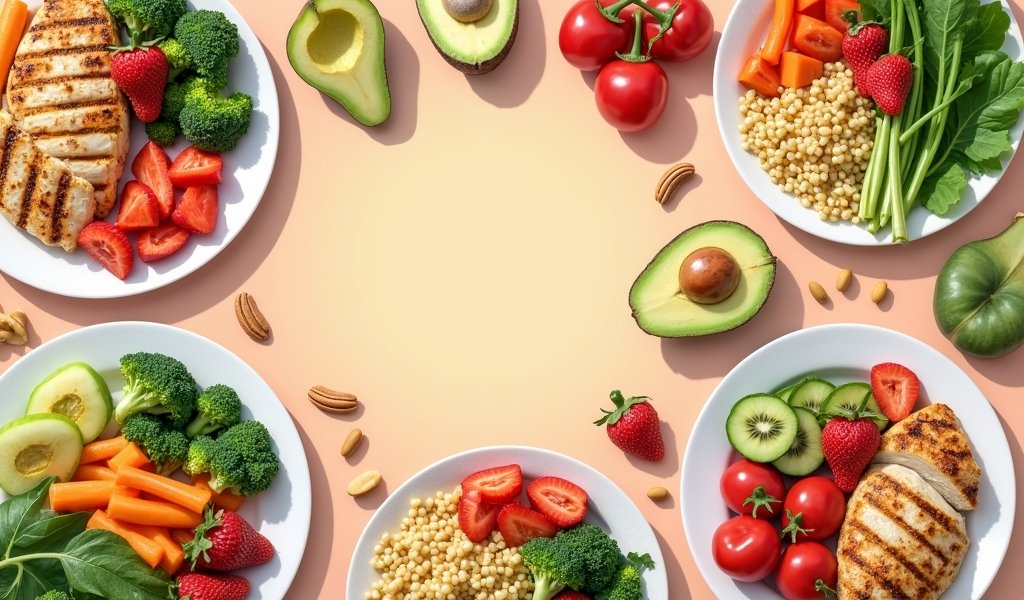
Successfully managing gestational diabetes isn’t about eliminating carbohydrates entirely—it’s about making smart choices and creating balanced meals. Here are the essential principles for a healthy pregnancy eating plan that helps control blood sugar:
Balanced Carbohydrate Intake
Carbohydrates have the most significant impact on blood sugar levels, so monitoring your carb intake is essential. Most healthcare providers recommend spreading carbohydrates throughout the day with:
- Breakfast: 15-30 grams of carbs
- Mid-morning snack: 15-20 grams
- Lunch: 45-60 grams
- Afternoon snack: 15-20 grams
- Dinner: 45-60 grams
- Evening snack: 15-20 grams
This distribution prevents blood sugar spikes by spreading your carb intake throughout the day. Many women find they’re more sensitive to carbohydrates in the morning, so breakfast often contains fewer carbs than other meals.
According to research published in the Journal of Clinical Nutrition, focusing on complex carbohydrates with a lower glycemic index can help maintain more stable blood sugar levels during pregnancy.
Protein Power
Protein is your blood sugar’s best friend! It slows down carbohydrate digestion, helping to prevent glucose spikes after meals. Aim to include protein in every meal and snack. Excellent sources include:
- Lean meats (chicken, turkey, lean beef)
- Fish and seafood
- Eggs
- Greek yogurt
- Cottage cheese
- Tofu and tempeh
- Legumes (beans, lentils, chickpeas)
Fiber for Stability
Dietary fiber helps slow down carbohydrate absorption, preventing rapid blood sugar spikes. Aim for 25-30 grams of fiber daily by including:
- Non-starchy vegetables (broccoli, leafy greens, cauliflower, peppers)
- Whole grains in moderate portions (quinoa, brown rice, oats)
- Legumes (chickpeas, black beans, lentils)
- Nuts and seeds
- Low-sugar fruits like berries, apples, and pears
Studies show that women who consume more fiber during pregnancy have better glucose tolerance and reduced risk of gestational diabetes complications, according to research published in Diabetes Care.
Healthy Fats
Including moderate amounts of healthy fats in your meals helps you feel satisfied longer and provides essential nutrients for your baby’s development. Good sources include:
- Avocados
- Olive oil
- Nuts and seeds
- Fatty fish like salmon
Meal Timing and Frequency
Consistent timing of meals and snacks helps maintain stable blood sugar levels. Try to:
- Eat something within 1-2 hours of waking up
- Space meals and snacks 2-3 hours apart
- Never skip meals
- Include a bedtime snack to prevent overnight hypoglycemia
This approach helps prevent both high and low blood sugar episodes by keeping your metabolism steady throughout the day.
Before You Start: Preparation Tips
Setting yourself up for success begins with proper preparation. Before diving into your 7-day meal plan for gestational diabetes, consider these essential steps:
Consult Your Healthcare Team
Always work with your healthcare provider and a registered dietitian who specializes in prenatal nutrition. They can provide personalized recommendations based on:
- Your pre-pregnancy weight
- Your activity level
- How your body responds to different foods
- Your specific blood sugar targets
Your healthcare team might adjust your carbohydrate goals or meal timing based on your blood sugar readings and individual needs.
Stock Your Kitchen
Having the right foods readily available makes sticking to your diabetic diet for pregnant women much easier. Stock up on:
- Protein sources: eggs, chicken, fish, tofu, Greek yogurt, cottage cheese
- Non-starchy vegetables: leafy greens, broccoli, cauliflower, peppers, cucumbers
- Complex carbohydrates: sweet potatoes, quinoa, brown rice, whole grain bread (in moderate amounts)
- Healthy fats: avocados, olive oil, nuts, seeds
- Low-glycemic fruits: berries, apples, pears
- Herbs and spices to add flavor without sugar or salt
Meal Prep Strategies
Preparing food in advance can be a lifesaver, especially when pregnancy fatigue kicks in. Consider:
- Setting aside 1-2 hours each weekend for meal prep
- Washing and chopping vegetables ahead of time
- Batch cooking proteins that can be used in multiple meals
- Preparing grab-and-go snack portions
- Keeping hard-boiled eggs ready for quick protein
Tools for Success
Equip yourself with tools that make managing your meal plan easier:
- Food scale for accurate portion control
- Measuring cups and spoons
- Food journal or app for tracking meals and blood sugar
- Meal planning calendar
- Storage containers for prepped foods and portions
Taking time to prepare sets the foundation for successfully managing blood sugar control during pregnancy. Remember that while this may seem overwhelming initially, it quickly becomes routine—many women even maintain these healthy eating habits long after delivery!
The 7-Day Meal Plan for Gestational Diabetes
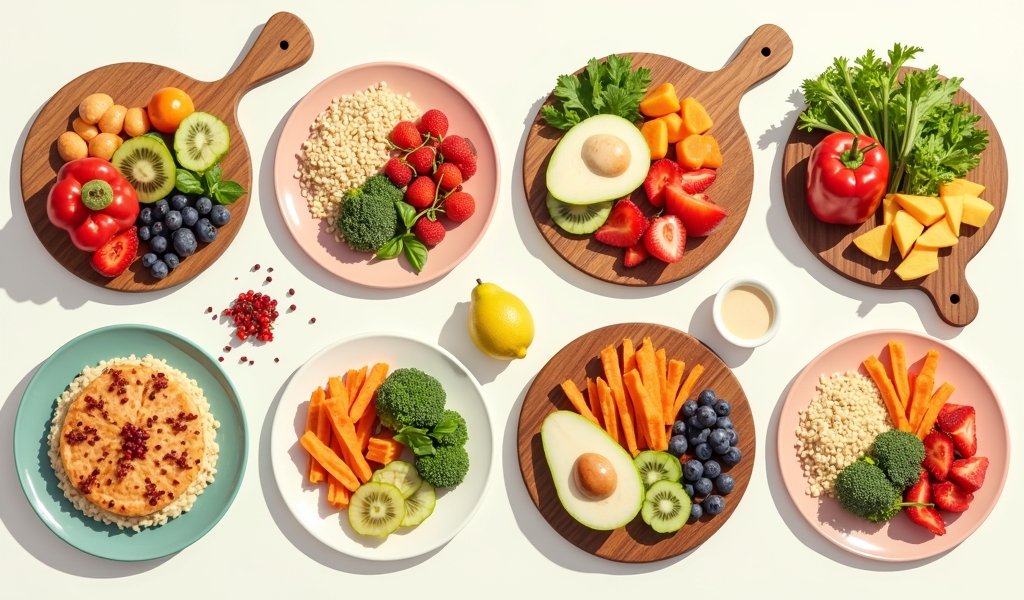
Here’s a comprehensive 7-day meal plan that balances nutrition and blood sugar control while providing variety and satisfaction. Remember to adjust portion sizes based on your specific carbohydrate targets recommended by your healthcare provider.
Day 1
Breakfast (20g carbs)
- 2 scrambled eggs with spinach and a sprinkle of cheese
- 1 slice whole grain toast with 1 tablespoon avocado
- 1/2 cup blueberries
- Unsweetened tea or water with lemon
Mid-morning Snack (15g carbs)
- 1 small apple with 1 tablespoon almond butter
Lunch (45g carbs)
- Grilled chicken salad with 2 cups mixed greens
- 1/2 cup cherry tomatoes and cucumber
- 2/3 cup cooked quinoa
- 2 tablespoons olive oil and lemon dressing
Afternoon Snack (15g carbs)
- 1 cup Greek yogurt with 2 tablespoons chopped walnuts
Dinner (45g carbs)
- 4 oz baked salmon with dill and lemon
- 2/3 cup sweet potato with a teaspoon of olive oil
- 1 cup roasted Brussels sprouts
- Mixed green salad with olive oil and vinegar dressing
Evening Snack (15g carbs)
- 1/4 cup hummus with cucumber and bell pepper slices
Day 2
Breakfast (25g carbs)
- 1/2 cup steel-cut oatmeal topped with 2 tablespoons chopped almonds
- 1 tablespoon chia seeds
- 1/2 cup strawberries
- 1 boiled egg on the side
Mid-morning Snack (15g carbs)
- 1/4 cup cottage cheese with 1/2 cup diced melon
Lunch (50g carbs)
- Turkey and vegetable wrap with 1 whole wheat tortilla
- 1 cup vegetable soup (homemade, low-sodium)
- 1 small pear
Afternoon Snack (15g carbs)
- 2 tablespoons pumpkin seeds mixed with 1 tablespoon dried cranberries
- 1 string cheese
Dinner (45g carbs)
- 4 oz herb-roasted chicken breast
- 2/3 cup brown rice pilaf with mushrooms and herbs
- 1 cup steamed broccoli with lemon zest
- Mixed green salad with olive oil dressing
Evening Snack (15g carbs)
- 1 small Greek yogurt with cinnamon
Day 3
Breakfast (20g carbs)
- Veggie egg muffins (made with 2 eggs, spinach, bell peppers)
- 1/3 cup low-sugar granola
- 3/4 cup unsweetened almond milk
Mid-morning Snack (15g carbs)
- 10 baby carrots with 2 tablespoons guacamole
Lunch (45g carbs)
- Mediterranean bowl with 1/2 cup chickpeas, 1/2 cup quinoa
- Cucumbers, cherry tomatoes, red onions, and feta cheese
- Olive oil and lemon dressing
Afternoon Snack (15g carbs)
- 1/4 cup roasted edamame
- 1 small tangerine
Dinner (50g carbs)
- 4 oz grilled flank steak
- 3/4 cup roasted butternut squash
- 1 cup sautéed kale with garlic
- 2 tablespoons pumpkin seeds
Evening Snack (15g carbs)
- 1/2 cup cottage cheese with 1 tablespoon ground flaxseed
Day 4
Breakfast (25g carbs)
- Smoothie made with 1 cup unsweetened almond milk, 1/2 cup berries, 1 tablespoon nut butter, and 1 scoop protein powder
- 1 hard-boiled egg
Mid-morning Snack (15g carbs)
- 1/4 cup hummus with bell pepper strips
Lunch (45g carbs)
- Tuna salad (made with olive oil instead of mayonnaise) on 1 slice whole grain bread
- 1 cup vegetable soup
- 1 small peach
Afternoon Snack (15g carbs)
- 1/4 cup trail mix with nuts and unsweetened dried coconut
Dinner (50g carbs)
- 4 oz baked cod with lemon and herbs
- 2/3 cup wild rice blend
- 1 cup roasted asparagus
- Small side salad with vinaigrette
Evening Snack (15g carbs)
- 1 string cheese with 5 whole grain crackers
Day 5
Breakfast (25g carbs)
- 2-egg omelet with spinach, mushrooms, and feta cheese
- 1 slice whole grain toast with 1 tablespoon almond butter
- 1/2 grapefruit
Mid-morning Snack (15g carbs)
- 1 small apple with 1 tablespoon peanut butter
Lunch (45g carbs)
- 4 oz grilled chicken
- 2/3 cup quinoa tabbouleh salad
- 1 cup cucumber and tomato salad
- 1 small orange
Afternoon Snack (15g carbs)
- 1 cup Greek yogurt with 1 tablespoon chopped walnuts
Dinner (45g carbs)
- 4 oz turkey meatballs (homemade, no breadcrumbs)
- 1 cup spaghetti squash with 1/4 cup marinara sauce
- Side salad with vinaigrette
- 1/2 cup green beans
Evening Snack (15g carbs)
- 1/4 cup cottage cheese with 2 tablespoons sunflower seeds
Day 6
Breakfast (25g carbs)
- Avocado toast: 1 slice whole grain bread topped with 1/4 mashed avocado and 1 sliced hard-boiled egg
- 3/4 cup berries
Mid-morning Snack (15g carbs)
- 1 small Greek yogurt with 1 tablespoon hemp seeds
Lunch (50g carbs)
- 4 oz grilled shrimp
- 1/2 cup black beans
- 1/2 cup brown rice
- Sautéed bell peppers and onions
- 2 tablespoons guacamole
Afternoon Snack (15g carbs)
- 1/4 cup baba ganoush with cucumber slices
Dinner (45g carbs)
- 4 oz roasted pork tenderloin
- 3/4 cup sweet potato mash
- 1 cup steamed green beans with slivered almonds
- Side salad with vinaigrette
Evening Snack (15g carbs)
- 1 small apple with 1 ounce cheese
Day 7
Breakfast (25g carbs)
- Breakfast bowl: 2 scrambled eggs, 2 tablespoons black beans, diced tomatoes, shredded cheese, 1/4 avocado
- 1/3 cup berries
Mid-morning Snack (15g carbs)
- 1 small pear with 1 tablespoon almond butter
Lunch (45g carbs)
- 1 cup lentil soup
- Small mixed green salad with vinaigrette
- 1/2 whole grain pita bread
- 1 small tangerine
Afternoon Snack (15g carbs)
- 1/4 cup pistachios in shell
- 1 small apple
Dinner (45g carbs)
- 4 oz grilled chicken breast with herbs
- 2/3 cup roasted red potatoes with rosemary
- 1 cup roasted Brussels sprouts
- Side salad with olive oil and lemon dressing
Evening Snack (15g carbs)
- 1/2 cup cottage cheese with 1/2 cup berries and cinnamon
This 7-day diet plan provides balanced nutrition while helping maintain stable blood sugar levels. Feel free to swap similar foods within the same carbohydrate category based on your preferences and what’s available.
Blood Sugar Monitoring Tips
Monitoring your blood glucose is an essential part of managing gestational diabetes. Think of it as your personal feedback system that helps you understand how your body responds to different foods and activities.
When to Check Your Blood Sugar
Your healthcare provider will typically recommend checking at these key times:
- First thing in the morning (fasting level)
- 1-2 hours after the start of each meal
- Sometimes before meals
- Before bed
These readings create a pattern that helps you and your healthcare team adjust your meal plan as needed.
Target Blood Sugar Ranges
While your doctor will provide personalized targets, general guidelines for gestational diabetes are:
- Fasting (when you wake up): 95 mg/dL or less
- 1 hour after meals: 140 mg/dL or less
- 2 hours after meals: 120 mg/dL or less
The American College of Obstetricians and Gynecologists emphasizes that maintaining these targets helps reduce pregnancy complications.
Tracking and Identifying Patterns
Keep a detailed log of your readings along with the foods you ate. This detective work helps identify:
- Which foods cause blood sugar spikes
- Times of day when you’re more insulin resistant
- How exercise affects your numbers
- How stress or illness impacts your readings
Many women discover they’re more sensitive to carbohydrates in the morning, making breakfast the most challenging meal to manage. Your readings may guide you to adjust your meal plan accordingly.
Responding to Your Readings
If your numbers are consistently above target:
- Reduce the carbohydrate content of the preceding meal
- Add more protein and fiber
- Take a short walk after meals
- Discuss medication options with your healthcare provider if dietary changes aren’t sufficient
Remember that occasional high readings happen to everyone. Look for patterns rather than worrying about isolated readings.
Dining Out and Special Occasions
Managing gestational diabetes doesn’t mean you have to become a social hermit! With some planning and smart choices, you can still enjoy dining out and special occasions while maintaining healthy blood sugar levels.
Restaurant Strategies
When eating at restaurants:
- Check the menu online beforehand to identify diabetes-friendly options
- Eat a small protein snack before going out if you’re very hungry
- Ask for sauces and dressings on the side
- Request substitutions (extra vegetables instead of rice or potatoes)
- Choose grilled, baked, or broiled proteins instead of fried options
- Start with a broth-based soup or salad to take the edge off hunger
- Share desserts or skip them entirely
Don’t be afraid to make special requests! Most restaurants are happy to accommodate, especially for pregnant women.
Holiday and Special Occasion Tips
For holidays, parties, and celebrations:
- Offer to bring a dish you know fits your meal plan
- Eat a small protein-rich snack before arriving
- Fill half your plate with non-starchy vegetables first
- Choose your carbohydrates wisely—pick your absolute favorites and enjoy a small portion
- Stay hydrated with water
- Focus on socializing away from the food table
Remember that reducing sugar in your diet doesn’t mean reducing joy! Shift your focus to the celebration and connections rather than just the food.
Smart Food Swaps
When facing tempting high-carb options, consider these swaps:
- Cauliflower “rice” instead of white rice
- Zucchini noodles in place of pasta
- Lettuce wraps instead of tortillas or bread
- Berries instead of higher-sugar fruits
- Sparkling water with a splash of juice instead of full-strength juice or soda
- Greek yogurt instead of ice cream
These substitutions allow you to enjoy similar flavors and textures while maintaining better blood sugar control.
Common Challenges and Solutions
Even with the best intentions, managing gestational diabetes comes with challenges. Here are practical solutions for common obstacles you might encounter:
Morning Sickness and Food Aversions
When pregnancy nausea makes eating difficult:
- Keep plain crackers by your bedside for early morning consumption
- Try protein-rich cold foods if warm foods trigger nausea
- Experiment with different temperatures—sometimes very cold or room temperature foods are better tolerated
- Sip on cold protein smoothies when solid foods aren’t appealing
- Talk to your doctor about safe anti-nausea medications if needed
Dealing with Cravings
Pregnancy cravings can be intense! When they strike:
- Look for lower-carb versions of your cravings
- Create portion-controlled “treat” options that fit your carb limits
- Pair small amounts of craved foods with protein to buffer blood sugar impact
- Try satisfying the craving with a completely different activity
Sometimes emotional support from someone who understands can help you navigate difficult cravings. Connect with other moms managing gestational diabetes through online forums or local support groups.
Handling Hunger Between Meals
If you find yourself hungry between scheduled meals:
- Ensure your meals contain adequate protein and healthy fats
- Keep emergency snacks handy (nuts, cheese sticks, hard-boiled eggs)
- Add volume to meals with non-starchy vegetables
- Stay well-hydrated—sometimes thirst masquerades as hunger
Remember that pregnancy increases your calorie needs naturally. If you’re consistently hungry, talk to your dietitian about adjusting your meal plan.
Pingback: Which Diabetes Is Worse? 5 Ways to Cut Complication Risks - achievehealthgoals.com