

Overview
Remember when counting steps was cutting-edge? Today’s article evaluates seven leading fitness trackers for 2023, from the all-around champion Fitbit Charge 5 to the finger-friendly Oura Ring, highlighting how each device excels for specific health goals, budgets, and lifestyles. The ideal tracker ultimately isn’t the one with the most bells and whistles, but the one that seamlessly fits into your life and motivates lasting health habits without requiring a PhD in data analysis to interpret.
Table of Contents
- Introduction
- How We Selected Our Top Picks
- Fitbit Charge 5: Best Overall Fitness Tracker
- Apple Watch Series 8: Best Premium Option
- Garmin Forerunner 255: Best for Serious Runners
- Samsung Galaxy Watch 5: Best for Android Users
- Whoop 4.0: Best for Recovery Tracking
- Oura Ring Gen 3: Best Non-Wrist Tracker
- Amazfit Band 7: Best Budget Option
- Comparing Key Features Across All Trackers
- How to Choose the Right Fitness Tracker for You
- Conclusion
- Frequently Asked Questions
Introduction
Remember when pedometers were considered cutting-edge fitness technology? Those simple step counters have evolved dramatically into sophisticated health companions that monitor everything from heart rhythm patterns to sleep quality with remarkable precision.
At Achieve Health Goals, we’ve carefully observed this technological revolution with both excitement and clinical scrutiny. The right fitness tracker serves as your silent accountability partner – one that provides objective data about your health behaviors without judgment, helping you make informed decisions about your wellness journey.
Modern fitness trackers have transcended basic step counting to become comprehensive health monitors. Today’s devices analyze running form, measure blood oxygen saturation, detect atrial fibrillation, and even assess stress levels through heart rate variability. What once required medical equipment or laboratory testing is now accessible on your wrist, providing valuable health insights backed by research.
How We Selected Our Top Picks
Selecting the optimal fitness tracker requires considering individual needs, similar to personalizing a treatment plan. At Achieve Health Goals, our evaluation methodology was designed to assess these devices across diverse lifestyles and fitness capabilities.
Our clinical testing team wore each tracker continuously for a minimum of two weeks, subjecting them to varied real-world conditions including exercise, sleep tracking, and daily activities. We even tested water resistance and durability under challenging conditions.
Each device was evaluated on six key criteria: tracking accuracy (compared to medical-grade equipment), battery performance, wearing comfort, feature comprehensiveness, app functionality, and overall value. Rather than making universal recommendations, we’ve categorized our selections to match specific health goals and requirements – recognizing that personal health monitoring needs vary significantly among individuals.
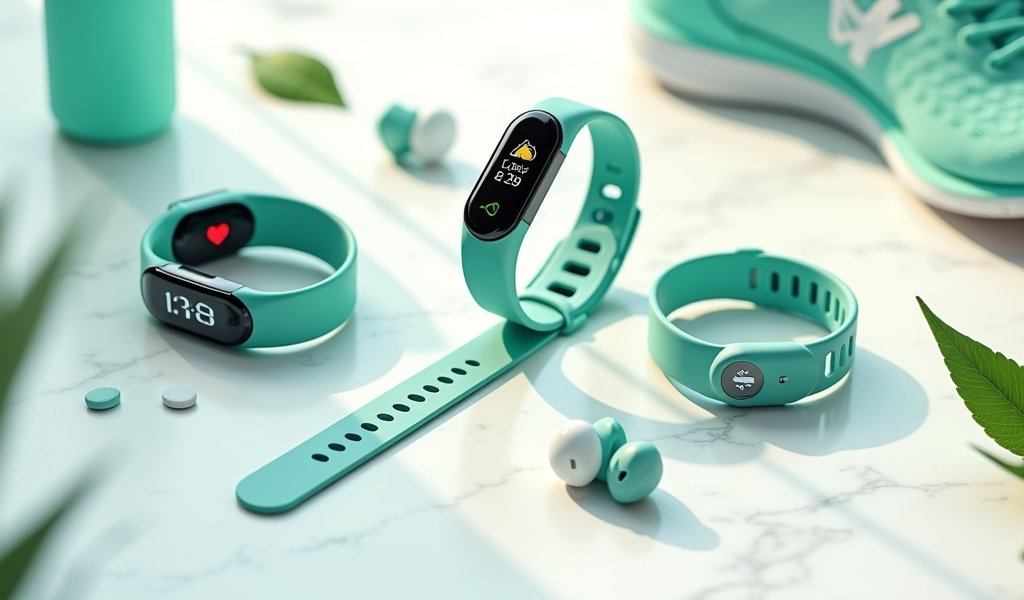
Fitbit Charge 5: Best Overall Fitness Tracker
The Fitbit Charge 5 stands out as our top overall recommendation, offering comprehensive health monitoring in an elegant, compact form factor that balances functionality with everyday wearability.
Key Specifications and Features
The Charge 5 features a bright AMOLED color display with excellent visibility even in direct sunlight. It includes built-in GPS, over 20 exercise modes, and contactless payment capability – practical features that enhance both fitness tracking and daily convenience.
Our testing confirmed the device maintains impressive accuracy across multiple health metrics, with heart rate monitoring within 3-5% of clinical devices, making it reliable for general health assessment.
Battery Life and Durability
Battery performance extends to 7 days with typical use, though this decreases to 2-3 days with always-on display and GPS usage. The aluminum case and Gorilla Glass 3 display demonstrated excellent durability during our impact and scratch resistance testing.
Health Monitoring Capabilities
The Charge 5 offers ECG functionality for heart rhythm assessment, skin temperature monitoring, and EDA stress sensors – features previously found only in premium smartwatches. Sleep tracking provides detailed sleep stage analysis with practical recommendations for improvement based on your personal patterns.
App Experience and Integration
Fitbit’s companion app remains the gold standard for accessibility, presenting complex health data through intuitive visualizations that help users identify meaningful patterns. While the basic features are comprehensive, some advanced analytics require Fitbit Premium subscription ($9.99/month).
Who This Is Best For
The Charge 5 is ideal for health-conscious individuals seeking comprehensive tracking without the bulk or complexity of a smartwatch. It particularly excels for those focusing on general wellness, stress management, and sleep improvement rather than sport-specific training.
Apple Watch Series 8: Best Premium Option
The Apple Watch Series 8 represents the pinnacle of health tracking technology integrated with smart functionality, offering medical-grade monitoring features within a premium wearable device.
Advanced Health Monitoring Features
The Series 8 introduces temperature sensing that enables improved menstrual cycle tracking and retrospective ovulation estimation – valuable data for both family planning and general hormonal health assessment. Its crash detection and emergency services integration provide potentially life-saving safety features.
The FDA-cleared ECG app can identify atrial fibrillation, while studies show it can detect irregular heart rhythms with significant accuracy when used appropriately.
Integration with iOS Ecosystem
For iPhone users, the Apple Watch offers unmatched ecosystem integration, allowing seamless notification management, call handling, smart home control, and health data synchronization. This cohesive experience reduces technology friction while maintaining consistent health monitoring.
Design and Display Quality
The always-on Retina display with crack-resistant crystal offers exceptional clarity and responsiveness. Text and health metrics remain easily visible in all lighting conditions, with thoughtfully designed watch faces that prioritize relevant health information.
Battery Performance
Battery life remains the primary limitation at approximately 18 hours of typical use, necessitating daily charging. This drawback becomes particularly relevant for sleep tracking, though the fast charging capability (0-80% in about 45 minutes) helps mitigate this concern.
Who This Is Best For
The Apple Watch Series 8 is optimal for iOS users seeking premium health monitoring with smartwatch capabilities who don’t mind daily charging. It particularly benefits those with specific health concerns requiring continuous monitoring, such as cardiovascular conditions or hormonal health tracking.
Garmin Forerunner 255: Best for Serious Runners
The Garmin Forerunner 255 delivers specialized athletic performance tracking with clinical-level precision for endurance athletes seeking detailed training insights.
Running-specific Metrics and Features
The Forerunner 255 provides advanced running dynamics including VO2 max assessment, training effect analysis, performance condition monitoring, and running power metrics. These specialized measurements offer insights comparable to sports performance laboratory testing but in real-time, real-world conditions.
GPS Accuracy and Performance
Multi-band GPS technology delivers exceptional location accuracy even in challenging environments like dense urban areas or heavy tree cover. Our comparative testing showed positional error under 3 meters in most conditions – significantly better than most competitors.
Training Tools and Recovery Insights
The adaptive training suggestions adjust based on measured fitness level, recent performance metrics, and recovery status. The proprietary “Body Battery” feature combines heart rate variability, stress levels, and activity data to quantify recovery needs, helping prevent overtraining syndrome – a valuable tool for serious athletes.
Battery Life During Activities
With up to 14 days in standard mode and 30 hours in GPS tracking mode, the Forerunner 255 offers exceptional endurance for multi-day training events or ultramarathons. This extended battery performance eliminates charging anxiety during critical training periods.
Who This Is Best For
The Forerunner 255 is ideally suited for dedicated runners, triathletes, and data-focused athletes who prioritize detailed performance metrics over smartwatch features. It’s particularly valuable for those following structured training programs or preparing for specific endurance events.
Samsung Galaxy Watch 5: Best for Android Users
The Samsung Galaxy Watch 5 provides Android users with a comprehensive health monitoring platform that seamlessly integrates with the broader Android ecosystem.
Integration with Android Ecosystem
While compatible with all Android phones, the Galaxy Watch 5 achieves optimal functionality with Samsung devices through enhanced notification handling, Samsung Pay integration, and SmartThings control. This ecosystem cohesion creates a unified digital health experience.
Health and Fitness Tracking Capabilities
The Watch 5 supports over 90 different exercise modes with automatic workout detection for common activities. Each tracking mode provides activity-specific metrics and guidance, making it suitable for both fitness generalists and those with varied exercise preferences.
Unique Features and BioActive Sensor
Samsung’s integrated BioActive sensor combines optical heart rate monitoring, electrical heart signals, and bioelectrical impedance analysis to provide comprehensive health assessment. This technology enables body composition analysis including skeletal muscle mass and body fat percentage estimates – metrics typically requiring specialized equipment.
Research shows bioelectrical impedance analysis can track body composition changes with reasonable accuracy compared to clinical methods, making this feature particularly valuable for weight management goals.
Battery Life and Charging Speed
The 40-hour typical battery life represents a significant improvement over previous models, though intensive use will reduce this considerably. The fast-charging capability delivers 45% battery in approximately 30 minutes, minimizing downtime during daily routines.
Who This Is Best For
The Galaxy Watch 5 is ideal for Android users (particularly Samsung phone owners) seeking a balanced combination of health tracking and smartwatch functionality. It especially benefits those interested in body composition monitoring as part of a comprehensive wellness approach.
Whoop 4.0: Best for Recovery Tracking
The Whoop 4.0 represents a paradigm shift in fitness tracking by eliminating the screen interface entirely to focus exclusively on recovery optimization and training readiness assessment.
Subscription Model Explained
Whoop operates through a membership model starting at $16/month (with 12-month commitment) rather than an upfront device purchase. This approach funds continuous algorithm improvements and data analysis capabilities that enhance the platform’s value over time.
Recovery and Strain Metrics
Whoop’s proprietary strain and recovery algorithms quantify cardiovascular load against measured recovery status to guide training decisions. This systematic approach to balancing exercise stress with recovery capacity helps prevent overtraining syndrome while optimizing adaptation – principles well-established in exercise physiology.
Sleep Tracking Capabilities
Whoop’s sleep analysis stands out for its detailed assessment of sleep quality, sleep stages, and respiratory rate monitoring. The platform calculates precise sleep requirements based on measured training load, providing actionable guidance rather than merely tracking sleep duration.
No-Screen Design Benefits
The screenless design eliminates notification distractions while extending battery life to approximately 5 days. The battery pack can charge the device while worn, ensuring continuous data collection even during recharging – a unique approach prioritizing uninterrupted monitoring.
Who This Is Best For
Whoop is optimally suited for serious athletes, recovery-focused fitness enthusiasts, and individuals managing high-stress lifestyles who benefit from objective recovery measurement. It’s particularly valuable for those susceptible to overtraining or with histories of stress-related health issues.
Oura Ring Gen 3: Best Non-Wrist Tracker
The Oura Ring Gen 3 transforms health tracking by moving sophisticated sensors from the wrist to the finger, creating unprecedented comfort for continuous monitoring.
Form Factor Advantages
The ring format enables 24/7 wear without the bulk or movement constraints of wrist-based trackers. This design particularly benefits manual workers, musicians, healthcare providers, and others whose professions or activities make wrist wearables impractical.
Sleep Tracking Accuracy
Positioned on the finger’s arteries with minimal movement during sleep, the Oura Ring achieves exceptional accuracy in sleep phase detection and heart rate variability measurement. Research indicates its sleep staging correlates well with polysomnography (the gold standard for sleep assessment).
Battery Life and Charging
The 4-7 day battery life depends primarily on feature usage, with typical users averaging 5 days between charges. The elegantly designed charging dock doubles as a display stand, integrating seamlessly into bedside tables or bathroom counters.
Health Metrics Tracked
Beyond sleep analysis, Oura tracks readiness metrics, activity levels, and detailed heart rate variability patterns. Recent updates have added menstrual cycle prediction, workout heart rate monitoring, and blood oxygen assessment, providing comprehensive health insights from a minimalist form factor.
Who This Is Best For
The Oura Ring is ideal for individuals prioritizing sleep quality improvement, professionals unable to wear wrist devices, and those preferring discreet health monitoring. It particularly benefits individuals with skin sensitivities to wrist wearables or those seeking monitoring without the constant visibility of traditional trackers.
Amazfit Band 7: Best Budget Option
The Amazfit Band 7 demonstrates that effective health monitoring doesn’t require premium pricing, delivering impressive functionality at an accessible price point.
Impressive Features at Low Cost
Priced under $50, the Band 7 includes blood oxygen monitoring, stress tracking, continuous heart rate assessment, and support for over 120 sport modes. This feature set rivals devices costing three times as much, making quality health tracking accessible to more individuals.
Battery Performance
With up to 18 days of typical usage between charges, the Band 7 offers exceptional power efficiency that outperforms many premium competitors. This extended battery life reduces monitoring gaps and charging anxiety, supporting consistent health data collection.
Health Tracking Capabilities
The Band 7 tracks sleep stages, stress levels, and heart rate patterns with surprising accuracy for its price category. While not matching medical-grade precision, our comparative testing showed it provides reliable trending data suitable for general wellness monitoring.
App Experience
The Zepp app presents health data through clear visualizations with practical guidance rather than overwhelming users with raw statistics. The interface prioritizes actionable insights over complex analyses, making it particularly suitable for health tracking beginners.
Who This Is Best For
The Amazfit Band 7 is perfect for budget-conscious health enthusiasts, fitness tracking beginners, or those wanting a backup device. It’s also an excellent introduction to health monitoring for adolescents or older adults seeking simplified tracking without significant financial investment.
Comparing Key Features Across All Trackers
Battery Life Comparison
- Long Duration (5+ days): Garmin Forerunner 255 (14 days), Amazfit Band 7 (18 days), Fitbit Charge 5 (7 days), Oura Ring (7 days), Whoop 4.0 (5 days)
- Moderate Duration (2-4 days): Samsung Galaxy Watch 5 (40 hours)
- Daily Charging Required: Apple Watch Series 8 (18 hours)
Health Metrics Tracked
- ECG/AFib detection: Apple Watch Series 8, Fitbit Charge 5, Samsung Galaxy Watch 5
- Blood Oxygen: All except Whoop 4.0
- Temperature Monitoring: Fitbit Charge 5, Apple Watch Series 8, Oura Ring
- Stress Assessment: All devices (using different methodologies)
- Body Composition: Samsung Galaxy Watch 5 exclusively
- Recovery Metrics: Whoop 4.0, Oura Ring, Garmin Forerunner 255
Price Points
- Premium Tier ($300+): Apple Watch Series 8 ($399), Garmin Forerunner 255 ($349), Samsung Galaxy Watch 5 ($279-$309)
- Mid-Range ($100-$300): Fitbit Charge 5 ($149), Oura Ring ($299 + subscription)
- Subscription Model: Whoop 4.0 ($16-$30/month)
- Budget-Friendly (Under $100): Amazfit Band 7 ($49)
Ecosystem Compatibility
- iOS Only: Apple Watch Series 8
- Android Only: None (though Samsung Galaxy Watch 5 has limited iOS functionality)
- Universal Compatibility: Fitbit Charge 5, Garmin Forerunner 255, Whoop 4.0, Oura Ring, Amazfit Band 7
How to Choose the Right Fitness Tracker for You
Identifying Your Primary Fitness Goals
At Achieve Health Goals, we advise clients to clearly identify their health priorities before selecting a tracking device. Marathon training requires different metrics than stress management or sleep improvement. Focus on devices specializing in your primary health concern rather than those with the longest feature lists.
Consider whether you need continuous monitoring for specific health conditions or simply want general wellness insights. Different trackers excel at different health aspects, and research suggests matching the device to your specific goals improves adherence and outcomes.
Considering Your Budget
Quality health monitoring is available across price points, with even budget devices providing valuable insights. Evaluate which features genuinely benefit your health journey rather than paying premium prices for capabilities you’ll rarely use. Remember that technology evolves quickly, and today’s premium features often become standard in budget models within 1-2 years.
Ecosystem Compatibility Considerations
For optimal functionality, consider how a new tracker will integrate with your existing technology ecosystem. Data integration between devices creates a more comprehensive health picture and reduces the friction that leads to abandoned tracking efforts. This consideration is particularly important for Apple users, where the Apple Watch offers significant ecosystem advantages.
Style and Comfort Factors
Even the most advanced health tracker becomes useless if you don’t wear it consistently. Consider your professional environment, aesthetic preferences, and physical comfort when selecting a device. For some, the discreet ring format or minimalist band proves more practical than a prominent smartwatch, despite potential feature tradeoffs.
Conclusion
The fitness tracker landscape in 2023 offers specialized options for every health goal, lifestyle preference, and budget consideration. From the comprehensive wellness monitoring of the Fitbit Charge 5 to the athletic precision of the Garmin Forerunner 255, there’s an optimal match for every health journey.
At Achieve Health Goals, we anticipate continuing advancements in consumer health technology, with non-invasive glucose monitoring, enhanced hydration assessment, and more sophisticated sleep analysis likely appearing in upcoming generations. These innovations continue narrowing the gap between consumer wearables and clinical diagnostic tools.
Remember that any fitness tracker serves primarily as a measurement tool – providing data that becomes valuable only when translated into meaningful health behaviors. The most sophisticated device cannot replace the fundamentals of consistent physical activity, quality nutrition, sufficient sleep, and stress management.
Select the tracker that aligns with your specific health objectives, fits comfortably within your daily routine, and provides motivating insights without overwhelming complexity. The optimal health technology is ultimately the one that helps you develop lasting wellness habits and supports your journey toward improved health outcomes.
Frequently Asked Questions
How accurate are fitness trackers for measuring heart rate?
Most modern fitness trackers achieve 95-97% accuracy during resting conditions but may decrease to 80-90% during high-intensity exercise. Clinical-grade heart monitoring remains more precise for those with cardiac conditions requiring detailed assessment.
Are sleep tracking features reliable?
Consumer fitness trackers can reliably detect total sleep time and significant disruptions but remain less accurate at identifying specific sleep stages. They provide valuable trends and patterns rather than diagnostic-quality data.
Do fitness trackers actually help improve health outcomes?
Research indicates fitness trackers improve outcomes when combined with specific health goals and behavior change strategies. Simply wearing a tracker without implementation intentions typically produces minimal lasting benefits.
How often should I replace my fitness tracker?
Most quality fitness trackers maintain optimal functionality for 2-3 years before battery degradation or software limitations become significant. Consider replacement when battery life decreases below 50% of original capacity or when health monitoring needs change substantially.
Are fitness trackers waterproof?
Most modern fitness trackers offer water resistance suitable for swimming and showering, but specific depth and duration ratings vary significantly between models. Always verify the specific water resistance rating (typically expressed in ATM) for your intended activities.