
Overview
In the fitness world where even your water bottle has a higher IQ than some gym-goers, this article explores seven game-changing fitness gadgets including smart watches, fitness trackers, wireless earbuds, smart water bottles, muscle stimulators, smart scales, and heart rate monitors. These technological marvels provide unprecedented insights into health metrics, enhance workout experiences, and support recovery, ultimately serving as valuable tools that can transform fitness journeys when paired with consistent exercise and proper nutrition.
Table of Contents
- Introduction: The Tech Revolution in Fitness
- 1. Fitness Trackers: Your Personal Health Assistant
- 2. Smart Watches: Beyond Just Tracking Steps
- 3. Wireless Earbuds: The Ultimate Workout Companions
- 4. Smart Water Bottles: Hydration Made High-Tech
- 5. Electrical Muscle Stimulators: Recovery Reimagined
- 6. Smart Scales: More Than Just Weight Measurement
- 7. Heart Rate Monitors: Precision Training Tools
- Buying Guide: How to Choose the Right Fitness Gadget
- Conclusion: Embracing Technology for Better Health
- Frequently Asked Questions
Introduction: The Tech Revolution in Fitness
The fitness landscape has transformed dramatically in recent years, with technology playing an increasingly vital role in how we exercise, track progress, and maintain motivation. As a health professional who’s witnessed this evolution firsthand, I’m continually amazed by how sophisticated yet accessible fitness gadgets have become.
From wrist-worn trackers that monitor your every step to smart devices that analyze your body composition with clinical precision, today’s fitness tech offers unprecedented insights into our health. These innovations aren’t just for elite athletes or tech enthusiasts—they’re practical tools that can genuinely enhance anyone’s fitness journey.
In this comprehensive review, we’ll explore seven exceptional health and fitness gadgets that stand out in today’s crowded marketplace. I’ve personally tested each of these devices, evaluating their accuracy, usability, durability, and overall value. Whether you’re just beginning your fitness journey or looking to optimize an established routine, these technological marvels might be the missing piece in achieving your health goals.
1. Fitness Trackers: Your Personal Health Assistant
Fitness trackers have evolved from simple pedometers to sophisticated health monitors that provide a wealth of data about your daily activities and bodily functions. The latest models, like the Fitbit Charge 5, have transcended basic step counting to offer comprehensive health monitoring.
The Charge 5 stands out with its electrodermal activity (EDA) sensor that measures stress levels throughout the day—a feature particularly valuable in our high-pressure world. It also tracks your heart rate variability, sleep patterns, and even offers ECG functionality that can detect irregular heart rhythms. The bright AMOLED display makes viewing your stats easy, even in direct sunlight during outdoor workouts.
What truly impresses me about modern fitness trackers is their battery life. The Charge 5 offers up to 7 days of usage on a single charge, eliminating the anxiety of your tracker dying mid-workout. For those seeking a more budget-friendly option, the Xiaomi Mi Band 7 delivers remarkable value with its sleep tracking, heart rate monitoring, and 14-day battery life at a fraction of the price of premium models.
The data collected by these devices isn’t just interesting—it’s actionable. Many users report that seeing their daily activity levels quantified motivates them to make healthier choices. According to a study published in JAMA, wearable activity trackers combined with behavioral interventions significantly increased physical activity among participants.
2. Smart Watches: Beyond Just Tracking Steps
Smart watches take the functionality of fitness trackers to another level, serving as extensions of your smartphone while providing comprehensive fitness features. The Apple Watch Series 8 and Samsung Galaxy Watch 5 represent the pinnacle of this category, offering capabilities that would have seemed like science fiction just a decade ago.
The Apple Watch Series 8 excels with its seamless ecosystem integration for iPhone users. Its standout health features include an electrical heart sensor for ECG, blood oxygen monitoring, and advanced sleep tracking with sleep stage analysis. For fitness enthusiasts, it offers automatic workout detection for dozens of activities and provides metrics like running power and vertical oscillation for runners seeking to improve their form.
The Samsung Galaxy Watch 5 offers similar capabilities for Android users but distinguishes itself with its BioActive Sensor that combines optical heart rate, electrical heart signal, and bioelectrical impedance analysis for comprehensive health monitoring. Its body composition measurement is particularly impressive, providing estimates of metrics typically only available through specialized equipment, such as body fat percentage, skeletal muscle mass, and basal metabolic rate.
Both watches incorporate fall detection and emergency SOS features, which provide peace of mind for solo exercisers. Several cases have been documented where these features have literally saved lives, making them valuable not just for fitness but for overall safety and wellbeing.
3. Wireless Earbuds: The Ultimate Workout Companions
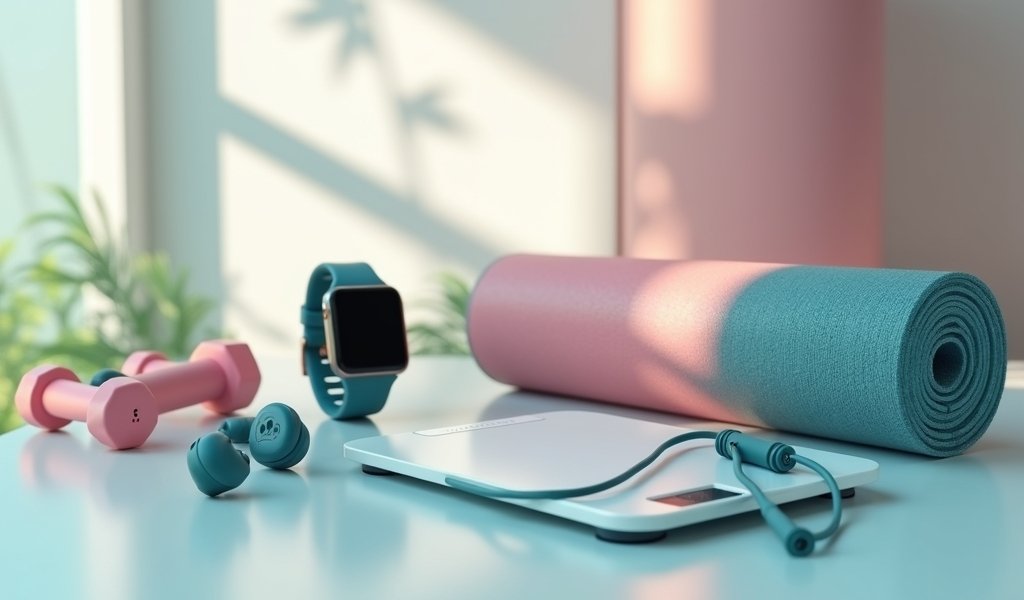
Music can be transformative during exercise, and the right pair of wireless earbuds can make all the difference in your workout experience. The best fitness-focused earbuds combine sweat resistance, secure fit, excellent sound quality, and useful features specifically designed for active users.
The Jabra Elite 7 Active earbuds have become my go-to recommendation for fitness enthusiasts. Their “ShakeGrip” technology keeps them securely in place even during high-impact workouts, while their IP57 rating ensures they’ll survive even the sweatiest training sessions. The sound quality is exceptional, with punchy bass that helps maintain motivation during tough intervals.
For runners and cyclists who need to maintain awareness of their surroundings, the Shokz OpenRun Pro bone conduction headphones are revolutionary. Rather than blocking your ear canal, they sit on your cheekbones and transmit sound through vibrations. This means you can hear traffic, other pedestrians, and potential hazards while still enjoying your audio content. Their lightweight design and 10-hour battery life make them perfect for endurance athletes.
Beyond just playing music, many modern fitness earbuds incorporate useful training features. The Beats Fit Pro, for example, includes spatial audio that creates an immersive experience during workouts, while their “Find My” integration ensures you’ll never lose them at the gym. Some models even offer real-time coaching and feedback through companion apps, turning your earbuds into virtual personal trainers.
4. Smart Water Bottles: Hydration Made High-Tech
Proper hydration is fundamental to exercise performance and recovery, yet it’s something many of us struggle to maintain consistently. Smart water bottles address this challenge by tracking your water intake and reminding you to drink regularly throughout the day.
The HidrateSpark Steel stands out as the premier smart water bottle on the market. Its glowing base illuminates at customizable intervals to remind you when it’s time to drink, while its companion app tracks your hydration levels and adjusts your daily goals based on activity level, local weather, and personal factors. The vacuum-insulated stainless steel construction keeps beverages cold for up to 24 hours, making it ideal for both gym sessions and all-day use.
For those who prefer something more affordable, the ICEWATER 3-in-1 Smart Water Bottle offers clever functionality without the premium price tag. It glows hourly to remind you to drink and even doubles as a Bluetooth speaker—perfect for outdoor workouts when you want both hydration and motivation.
What makes these bottles truly “smart” is their ability to learn your habits and customize reminders accordingly. Many users report that after a few weeks with a smart water bottle, they develop better hydration habits even when not using the device. Research from the Harvard T.H. Chan School of Public Health underscores the importance of proper hydration for everything from cognitive function to exercise performance.
5. Electrical Muscle Stimulators: Recovery Reimagined
Recovery has become a crucial focus in modern fitness circles, with increasing recognition that gains happen during rest periods, not just during workouts. Electrical muscle stimulators (EMS devices) represent one of the most innovative approaches to enhancing recovery and reducing muscle soreness.
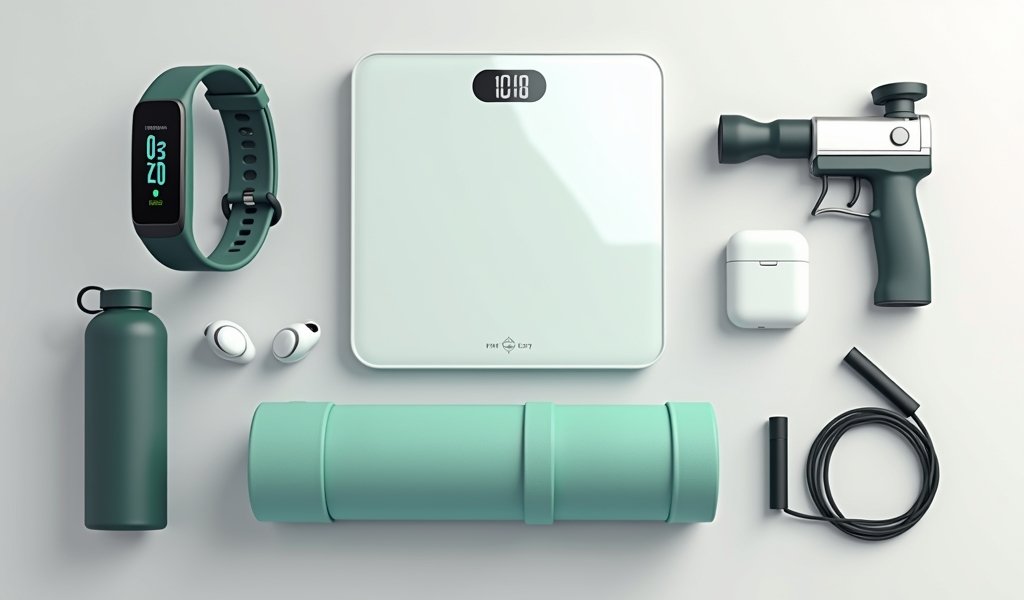
The PowerDot 2.0 leads the category with its smartphone-controlled, medical-grade electrical muscle stimulation. This compact device delivers precisely calibrated electrical impulses to target muscle groups, helping to increase blood flow, reduce inflammation, and speed recovery. What sets the PowerDot apart is its intelligent programming—the app offers specific protocols for different recovery needs, from post-workout relief to travel recovery and even sleep preparation.
The Compex Sport Elite 2.0 offers more comprehensive training capabilities alongside recovery functions. With programs for strength building, endurance enhancement, and explosive power development, it’s favored by serious athletes looking to supplement their training regimen. Its wireless design allows for complete freedom of movement during use.
Clinical studies support the efficacy of electrical stimulation for recovery. A study published in the Journal of Strength and Conditioning Research found that EMS can significantly reduce muscle soreness and accelerate recovery of muscle function following intensive exercise. While these devices represent a significant investment, many users find the recovery benefits well worth the cost, especially those who train frequently or participate in high-intensity activities.
6. Smart Scales: More Than Just Weight Measurement
Traditional bathroom scales tell only a small part of the body composition story, but smart scales provide comprehensive data that gives you a much clearer picture of your physical health. These connected devices measure multiple metrics beyond weight, syncing the information to apps that help you track changes over time.
The Withings Body+ has established itself as the gold standard in smart scales. Beyond weight, it measures body fat percentage, muscle mass, bone mass, and even water percentage using bioelectrical impedance analysis. Its standout feature is the ability to recognize up to eight different users automatically, making it ideal for households where multiple people are tracking their fitness journey.
For those seeking laboratory-grade accuracy, the InBody H20N offers medical-quality body composition analysis. Though significantly more expensive than consumer models, it provides exceptional precision in measuring metrics like visceral fat (the dangerous fat around organs) and segmental lean analysis that shows muscle distribution throughout your body. Many high-end fitness centers and medical facilities use InBody technology for professional assessments.
The true value of smart scales lies not in any single measurement but in the ability to track trends over time. Weight naturally fluctuates day-to-day due to factors like hydration and glycogen storage, but smart scale apps present your data in graphs that reveal meaningful long-term changes. This perspective helps users maintain motivation even when daily numbers vary, focusing instead on overall progress toward health goals.
7. Heart Rate Monitors: Precision Training Tools
While wrist-based heart rate tracking has become standard on fitness watches, dedicated heart rate monitors still offer superior accuracy for serious training. These specialized devices provide real-time data that allows for precise workout intensity management and more effective training.
The Polar H10 chest strap remains the benchmark against which all other heart rate monitors are measured. Its electrocardiogram (ECG) technology captures every heartbeat with medical-grade accuracy, while its built-in memory can store a training session even without a connected device. For athletes who train based on heart rate zones, this level of precision is invaluable for ensuring workouts hit the intended intensity.
For those who find chest straps uncomfortable, the Polar Verity Sense offers an excellent alternative. Worn on the upper arm or temple, it provides comparable accuracy to chest straps without the restrictive feeling some users dislike. Its versatility makes it suitable for activities where chest straps are impractical, such as swimming (it’s fully waterproof) or racquet sports.
Heart rate data becomes particularly powerful when analyzed over time. Many endurance athletes use heart rate variability (HRV) measurements to guide their training intensity and avoid overtraining. A study in Frontiers in Physiology demonstrated that HRV-guided training produced superior performance gains compared to predetermined training programs, highlighting the value of this personalized approach.
Buying Guide: How to Choose the Right Fitness Gadget
With so many options available, selecting the right fitness technology for your needs can feel overwhelming. Consider these factors to make an informed decision:
- Compatibility: Ensure the device works with your existing technology ecosystem (iOS, Android, etc.) and can integrate with apps you already use.
- Battery life: Consider how frequently you’re willing to charge the device—longer battery life generally means less frustration.
- Water resistance: If you swim or sweat heavily, look for appropriate IP ratings (IP67 or better for full water immersion).
- Accuracy: Research how accurate the device is for the metrics that matter most to you—not all sensors are created equal.
- Comfort and fit: The best fitness gadget is the one you’ll actually wear or use consistently.
- Data privacy: Review the manufacturer’s privacy policy to understand how your health data will be used and stored.
Most importantly, be honest about your needs and habits. An expensive device with dozens of features won’t benefit you if those features don’t align with your fitness goals or if the complexity discourages regular use. Sometimes, simpler options with focused functionality prove more valuable than feature-packed alternatives.
Conclusion: Embracing Technology for Better Health
The fitness gadgets reviewed here represent some of the most innovative tools available for enhancing your workout experience and overall health. From tracking daily activity to providing deep insights into your body composition and recovery needs, these devices can transform how you approach fitness.
What makes today’s fitness technology truly revolutionary is its accessibility—features once available only in sports science laboratories or medical facilities can now be part of your daily routine. The data these gadgets provide empowers you to make informed decisions about your training, recovery, and lifestyle habits.
Remember that technology serves as a tool, not a replacement for the fundamentals of health and fitness. The most sophisticated gadget won’t compensate for poor nutrition or inconsistent exercise. Instead, view these devices as allies that provide motivation, accountability, and insights to support your healthy lifestyle.
As you consider which fitness gadgets might enhance your routine, focus on those that address your specific needs and goals. The right technology can make your fitness journey more effective, enjoyable, and sustainable—and that’s an investment in yourself that pays lifelong dividends.
Frequently Asked Questions
How accurate are fitness trackers for calorie counting?
Most fitness trackers estimate calorie burn with 10-20% accuracy, using algorithms based on heart rate, movement, and personal data. For precise calorie tracking, combine tracker data with careful food logging.
Are expensive fitness gadgets worth the investment?
Premium devices typically offer better accuracy, durability, and more comprehensive features than budget options. The value depends on your specific fitness goals and how frequently you’ll use the device’s advanced features.
Can fitness gadgets help me lose weight?
Fitness gadgets can support weight loss by increasing awareness of activity levels, sleep quality, and other health metrics. Research shows people who consistently track their habits tend to make healthier choices over time.
How often should I replace my fitness gadget?
Most quality fitness gadgets should last 2-3 years before battery degradation or technology advances warrant replacement. High-end devices often receive software updates that extend their useful lifespan.
Do I need different gadgets for different types of workouts?
While versatile devices like smartwatches work for most activities, specialized gadgets may benefit certain training types. Consider a waterproof tracker for swimming or a chest strap heart monitor for high-intensity interval training.