
Overview
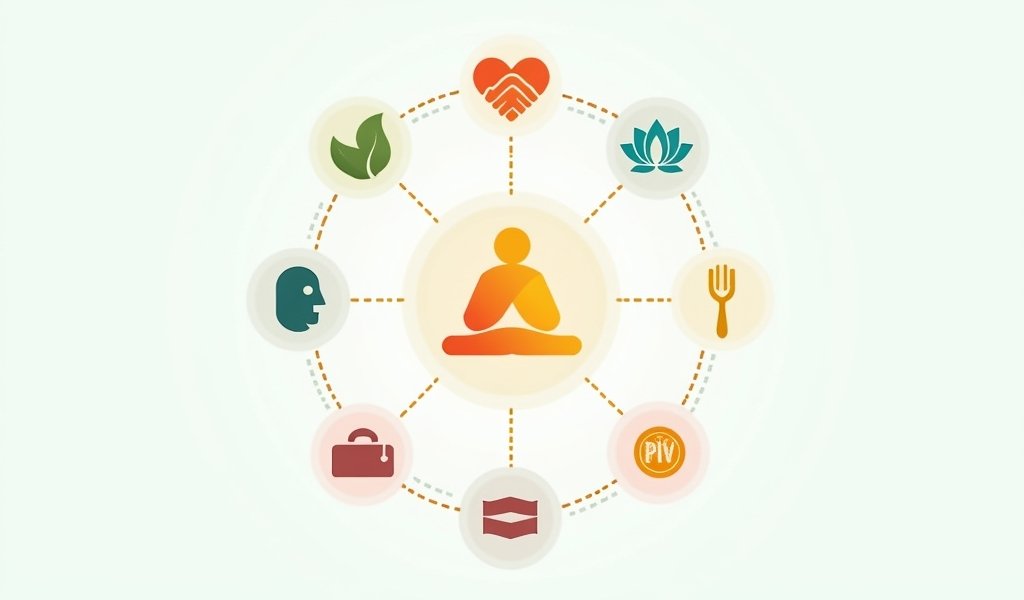
Turns out wellness isn’t just about doing yoga while eating kale smoothies – it’s actually a dazzling ten-faceted gem covering everything from physical and emotional health to digital habits and financial security. The article explores these ten interconnected dimensions of wellness (physical, emotional, intellectual, social, spiritual, environmental, occupational, financial, cultural, and digital), showing how they constantly influence each other and providing practical tips for cultivating balance across all aspects of life.
Table of Contents
- Understanding the 10 Dimensions of Wellness
- Physical Wellness: The Foundation of Health
- Emotional Wellness: Nurturing Your Inner Self
- Intellectual Wellness: Keeping Your Mind Sharp
- Social Wellness: Building Meaningful Connections
- Spiritual Wellness: Finding Purpose and Meaning
- Environmental Wellness: Creating Harmony with Your Surroundings
- Occupational Wellness: Finding Fulfillment in Work
- Financial Wellness: Creating Stability and Security
- Cultural Wellness: Embracing Diversity and Identity
- Digital Wellness: Maintaining a Healthy Relationship with Technology
- Integrating All 10 Dimensions for Optimal Health
- Frequently Asked Questions
Understanding the 10 Dimensions of Wellness
Wellness goes far beyond simply being disease-free or physically fit. The concept of the 10 dimensions of wellness represents a holistic approach to health that considers every aspect of your life that contributes to your overall wellbeing. As a health professional who has guided hundreds of clients through their wellness journeys, I’ve seen firsthand how this comprehensive framework can transform lives when properly understood and applied.
Think of wellness as a multifaceted gem – each dimension reflects a different aspect of your health, and when all are polished and balanced, you achieve a state of true vitality and fulfillment. The wellness wheel concept has evolved over time, expanding from the traditional model to now include ten distinct but interconnected dimensions.
Each dimension doesn’t exist in isolation – they constantly interact and influence one another. Neglecting one area often creates a ripple effect that impacts others. For instance, poor financial wellness can trigger stress that affects your emotional and physical health. Conversely, strengthening one dimension frequently produces positive spillover effects across the board.
Understanding these 10 dimensions of wellness provides a roadmap for intentional living and personal growth. It allows you to assess where you currently stand in each area and identify specific dimensions that might need more attention. This balanced approach ensures you’re nurturing every aspect of your health, not just the most obvious or urgent ones.
Physical Wellness: The Foundation of Health
Physical wellness forms the cornerstone of your overall health and serves as the foundation upon which other dimensions build. It encompasses not just exercise and nutrition, but also sleep quality, preventive healthcare, and your body’s ability to function at its optimal level.
Key Components of Physical Wellness
Nutrition plays a crucial role in physical wellness. The foods you consume provide the building blocks your body needs to repair tissues, produce energy, and regulate countless bodily functions. As Harvard’s Nutrition Source explains, a balanced diet rich in whole foods provides essential nutrients that medication simply cannot replace.
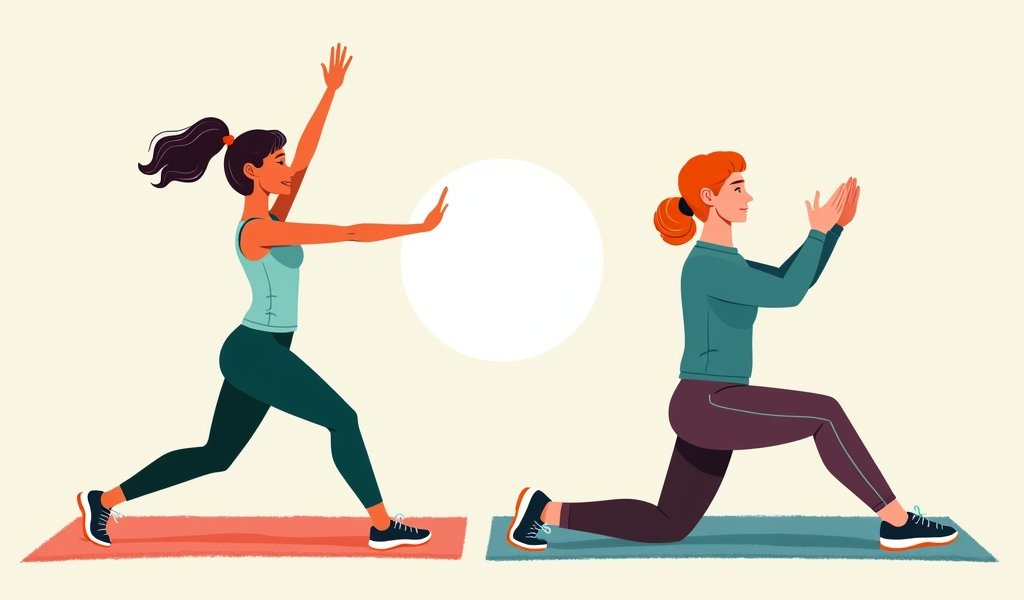
Regular physical activity is equally important. Aim for at least 150 minutes of moderate exercise weekly, as recommended by health authorities. Exercise strengthens your cardiovascular system, builds muscle mass, improves flexibility, and releases mood-boosting endorphins. Find activities you genuinely enjoy – whether that’s dancing, hiking, swimming, or yoga – as you’re more likely to stick with things that bring you pleasure.
Sleep quality often gets overlooked in discussions about physical wellness, yet it’s absolutely vital. During sleep, your body repairs tissues, consolidates memories, and regulates hormones. Most adults need 7-9 hours of quality sleep nightly. Establish a consistent sleep schedule and create a relaxing bedtime routine to optimize this crucial recovery time.
Preventive healthcare – including regular check-ups, screenings, and dental visits – helps catch potential issues before they become serious problems. Don’t wait until something feels wrong; proactive health management is always more effective than reactive treatment.
Simple Ways to Enhance Physical Wellness
- Start your day with a glass of water and a nutritious breakfast
- Take movement breaks throughout the day if you work at a desk
- Practice proper posture to prevent musculoskeletal issues
- Stay hydrated by keeping water easily accessible
- Limit processed foods and focus on whole, nutrient-dense options
Remember that physical wellness isn’t about achieving perfection or adhering to rigid standards. It’s about making consistent choices that honor your body’s needs and support its natural functions. Small, sustainable changes often yield better long-term results than drastic overhauls that prove difficult to maintain.
Emotional Wellness: Nurturing Your Inner Self
Emotional wellness involves understanding, expressing, and managing your feelings in healthy ways. This dimension focuses on your relationship with yourself – how well you recognize your emotions, process them constructively, and maintain resilience when facing life’s inevitable challenges.
Developing emotional intelligence is central to this dimension. This means not only identifying what you’re feeling but also understanding why those emotions arise and how they influence your thoughts and behaviors. When you’re emotionally well, you can experience the full spectrum of human emotions – including difficult ones like anger, grief, or disappointment – without being overwhelmed by them.
Healthy emotional expression is another vital component. Many of us grew up learning to suppress certain feelings, especially those deemed “negative.” However, unexpressed emotions don’t simply disappear; they often manifest in other ways, including physical symptoms or relationship difficulties. Finding appropriate outlets – whether through conversation, journaling, creative activities, or professional support – allows emotions to move through you rather than becoming stuck.
Stress management techniques form an essential part of emotional wellness. While we can’t eliminate stress entirely, we can develop healthy coping mechanisms. Deep breathing, mindfulness meditation, progressive muscle relaxation, and regular mindfulness practice can all help regulate your nervous system and create emotional balance.
Self-compassion deserves special attention in any discussion of emotional wellness. Many people show tremendous kindness to others while maintaining harsh internal dialogues with themselves. Learning to treat yourself with the same warmth and understanding you’d offer a good friend creates a foundation for emotional resilience and authentic self-acceptance.
Intellectual Wellness: Keeping Your Mind Sharp
Intellectual wellness involves maintaining an active, curious mind and continuously expanding your knowledge and skills. This dimension encompasses critical thinking, creativity, and the pursuit of mentally stimulating activities that challenge your intellect and broaden your perspective.
Lifelong learning stands at the core of intellectual wellness. The human brain thrives on novelty and challenge – when we learn new things, we create fresh neural pathways and strengthen cognitive reserves. This doesn’t necessarily mean formal education; it could involve reading widely, taking up new hobbies, learning languages, or developing skills in areas that interest you.
Critical thinking skills allow you to evaluate information, analyze arguments, and make thoughtful decisions rather than accepting ideas at face value. In an era of information overload and misinformation, the ability to think critically becomes increasingly valuable for navigating complex topics, including those related to health and wellness.
Creative expression offers another avenue for intellectual stimulation. Activities like writing, painting, music, cooking, or problem-solving engage different parts of your brain and encourage flexible thinking. Even if you don’t consider yourself “artistic,” finding ways to express creativity enriches your cognitive landscape and often provides a sense of flow and fulfillment.
Practical Ways to Enhance Intellectual Wellness
- Read books on unfamiliar topics or from perspectives different from your own
- Engage in stimulating conversations and respectful debates
- Try puzzles, strategy games, or brain-training activities
- Take a class in something you’ve always wanted to learn
- Limit passive media consumption in favor of more active intellectual pursuits
Intellectual wellness isn’t about academic achievement or accumulating facts – it’s about maintaining an engaged, curious approach to life. When you regularly challenge your mind and expose yourself to diverse ideas, you not only protect cognitive function as you age but also enrich your experience of the world around you.
Social Wellness: Building Meaningful Connections
Social wellness centers on creating and maintaining positive relationships with others. As inherently social creatures, humans thrive on meaningful connections – from intimate partnerships and family bonds to friendships and community involvement. The quality of these relationships profoundly impacts our overall health and happiness.

Research consistently shows that strong social connections correlate with better physical and mental health outcomes. According to Harvard Health Publishing, people with robust social networks tend to live longer, recover more quickly from illness, and experience lower rates of depression and anxiety. Social isolation, by contrast, poses health risks comparable to smoking or obesity.
Effective communication skills form the foundation of social wellness. This includes not only expressing yourself clearly but also listening attentively to others, showing empathy, and navigating conflict constructively. These skills don’t always come naturally – they often require conscious development and practice throughout life.
Healthy boundaries represent another crucial aspect of social wellness. Boundaries help you protect your energy, time, and emotional well-being while still maintaining meaningful connections. Learning to say “no” when necessary, communicating your needs clearly, and respecting others’ limits all contribute to more sustainable relationships.
Social wellness also involves building a diverse support network. Different relationships fulfill different needs – some provide practical help, others offer emotional support, while still others might share specific interests or activities. Cultivating various types of connections creates a more resilient social fabric that can sustain you through life’s ups and downs.
Practical Ways to Enhance Social Wellness
- Schedule regular check-ins with important people in your life
- Join groups or classes aligned with your interests to meet like-minded individuals
- Practice active listening in your conversations
- Volunteer in your community to forge connections while contributing to causes you care about
- Set aside technology-free time to focus fully on in-person interactions
Remember that social wellness looks different for everyone – extroverts might thrive with large social circles and frequent gatherings, while introverts might prefer deeper connections with a smaller group of close confidants. The key is finding the social balance that energizes rather than depletes you.
Spiritual Wellness: Finding Purpose and Meaning
Spiritual wellness involves connecting with something larger than yourself and developing a sense of purpose and meaning in life. Contrary to common misconception, spirituality doesn’t necessarily equate to religious practice, though for many people, religion provides an important spiritual framework.
At its core, spiritual wellness encompasses your values, beliefs, and the principles that guide your life choices. It addresses fundamental questions about existence, meaning, and connection to the universe. When your spiritual dimension is well-developed, you typically experience greater clarity about your purpose and a deeper sense of alignment between your actions and your values.
For many people, practices like meditation, prayer, time in nature, or artistic expression facilitate spiritual connection. These activities often create space for reflection and help quiet the mental chatter that can disconnect us from deeper awareness. Even brief moments of mindfulness or gratitude can nurture spiritual wellness amid busy daily life.
Finding purpose represents another essential aspect of spiritual wellness. Purpose might manifest through work, relationships, creative endeavors, community service, or other meaningful activities. As research from Blue Zones suggests, people who maintain a strong sense of purpose tend to live longer, healthier lives with greater resilience during challenging times.
Developing compassion – for yourself and others – also nurtures spiritual wellness. Compassion opens your heart, fosters connection, and often provides perspective during difficult experiences. Many spiritual traditions emphasize compassion as a cornerstone practice, regardless of their specific beliefs or customs.
Practical Ways to Enhance Spiritual Wellness
- Set aside regular time for reflection, whether through journaling, meditation, or quiet contemplation
- Clarify your core values and consider how well your daily choices align with them
- Spend time in natural settings that inspire awe and perspective
- Explore philosophical or spiritual texts that resonate with you
- Practice gratitude by regularly acknowledging the goodness in your life
Spiritual wellness doesn’t require dramatic lifestyle changes or adherence to specific beliefs. Instead, it involves cultivating awareness of what brings genuine meaning to your life and making choices that honor those deeper values and connections.
Environmental Wellness: Creating Harmony with Your Surroundings
Environmental wellness focuses on the relationship between you and your surroundings – both your immediate physical environment and the broader natural world. This dimension recognizes that our spaces profoundly impact our health, mood, and overall wellbeing, while our choices similarly affect the planet’s health.
Your immediate environment – home, workplace, and frequently visited spaces – can either support or hinder wellness. Cluttered, disorganized spaces often increase stress and decrease focus. Conversely, thoughtfully arranged environments with adequate natural light, good air quality, and elements that please the senses can enhance mood, productivity, and relaxation.
Access to nature plays a particularly important role in environmental wellness. Research consistently shows that spending time in natural settings reduces stress hormones, lowers blood pressure, improves mood, and enhances cognitive function. Even brief exposure to green spaces or “blue spaces” (water features) offers measurable benefits for mental and physical health, as documented in numerous studies.
Environmental wellness also encompasses awareness of your ecological footprint. Increasingly, people recognize that personal health connects directly to planetary health. Simple choices – reducing single-use plastics, conserving water and energy, choosing sustainable products, or embracing plant-focused eating patterns – allow you to align daily habits with environmental values.
Creating environmental balance doesn’t require perfection or dramatic lifestyle overhauls. Small, consistent choices accumulate over time, both in creating personal spaces that nurture wellbeing and in contributing to broader environmental sustainability.
Practical Ways to Enhance Environmental Wellness
- Declutter one small area each week to gradually create more harmonious spaces
- Incorporate natural elements – plants, natural materials, or nature-inspired art – into your home
- Establish a weekly “nature prescription” – regular time outdoors, even if just in a local park
- Choose one sustainable swap each month (reusable water bottle, cloth shopping bags, etc.)
- Consider toxin reduction in personal care and household products
Environmental wellness reminds us that we don’t exist separately from our surroundings – we constantly interact with them, influence them, and are influenced by them. Cultivating awareness of these connections allows for more intentional choices that benefit both personal and planetary health.
Occupational Wellness: Finding Fulfillment in Work
Occupational wellness involves finding satisfaction, engagement, and balance in your work life, whether that’s paid employment, volunteer activities, caregiving roles, or other productive pursuits. Since most adults spend a significant portion of their waking hours working, this dimension substantially impacts overall quality of life.
At its best, work provides not just financial resources but also purpose, structure, social connection, and opportunities for growth and achievement. Occupational wellness exists when your work aligns with your values, utilizes your strengths, and contributes meaningfully to goals that matter to you.
Work-life balance represents a crucial aspect of occupational wellness. This doesn’t necessarily mean equal time devoted to work and personal life, but rather finding a sustainable arrangement that allows you to meet professional commitments while still nurturing relationships, health, and personal interests. The specific balance point differs for each person depending on values, life stage, and circumstances.
Professional development contributes significantly to occupational wellness. Continuing to learn and grow within your field prevents stagnation and maintains engagement. This might involve formal education, mentoring relationships, skill-building workshops, or simply approaching current responsibilities with curiosity and a growth mindset.
Workplace relationships also influence occupational wellness. Positive connections with colleagues, supervisors, or clients can make even challenging work more sustainable, while toxic relationships can undermine satisfaction in otherwise ideal roles. Developing communication skills and emotional intelligence helps navigate these interpersonal aspects of work life.
Practical Ways to Enhance Occupational Wellness
- Identify aspects of your work that feel most meaningful and look for ways to incorporate more of these elements
- Establish clear boundaries between work and personal time, especially if working remotely
- Regularly assess whether your current role aligns with your evolving skills, interests, and values
- Build supportive professional relationships and networks
- Create an ergonomic, pleasant workspace that supports productivity and physical comfort
If your current work situation doesn’t support occupational wellness, consider what adjustments might help – whether that’s having a conversation with supervisors about role modifications, developing new skills to enable career transition, or finding fulfillment through meaningful activities outside your primary employment.
Financial Wellness: Creating Stability and Security
Financial wellness involves developing a healthy, balanced relationship with money and creating sufficient resources to meet your needs while planning for future security. This dimension profoundly impacts other wellness areas, as financial stress can significantly affect mental health, relationships, and even physical wellbeing.
Financial wellness begins with basic financial literacy – understanding concepts like budgeting, saving, debt management, and investing. Unfortunately, many people receive little formal education in these areas, leading to knowledge gaps that can cause unnecessary struggles. Fortunately, numerous resources now exist to build these fundamental skills, from books and podcasts to online courses and financial advisors.
Developing mindful spending habits forms another crucial aspect of financial wellness. This involves becoming aware of your spending patterns and ensuring your financial choices align with your genuine values and priorities rather than responding to external pressures or temporary impulses. The goal isn’t necessarily spending less but spending more intentionally.
Financial planning provides a roadmap for both short and long-term security. This includes establishing an emergency fund to handle unexpected expenses, planning for major life events, managing debt strategically, and saving for retirement. According to retirement planning experts, starting early – even with small amounts – makes an enormous difference due to the power of compound growth.
Perhaps most importantly, financial wellness involves developing a healthy psychological relationship with money. Many people carry emotional patterns around finances – anxiety, avoidance, shame, or status-seeking – that formed during childhood or through difficult experiences. Recognizing these patterns allows you to develop more balanced attitudes that support both practical financial management and emotional wellbeing.
Practical Ways to Enhance Financial Wellness
- Create a simple budget that tracks income and expenses to increase awareness of your financial flow
- Establish automatic transfers to savings to build emergency funds and other financial goals
- Regularly review subscriptions and recurring expenses to ensure they align with your current priorities
- Set aside time for financial planning, treating it as an important self-care practice
- Consider working with a financial advisor for personalized guidance, especially during major life transitions
Remember that financial wellness looks different for everyone based on circumstances, life stage, and personal values. The goal isn’t achieving a specific income level but rather creating a stable foundation that supports your overall wellbeing and allows you to live in alignment with what matters most to you.
Cultural Wellness: Embracing Diversity and Identity
Cultural wellness involves understanding, appreciating, and honoring both your own cultural background and the diverse cultural expressions around you. This dimension recognizes that cultural identity – including ethnicity, nationality, religion, gender, sexual orientation, and other aspects of social identity – profoundly shapes how we experience and navigate the world.
Developing awareness of your own cultural lens represents a foundational aspect of cultural wellness. We all view the world through cultural filters that influence our values, communication styles, food preferences, traditions, and countless other aspects of daily life. Recognizing these influences allows for more intentional choices about which cultural elements you wish to preserve, adapt, or reconsider.
Cultural competence – the ability to interact effectively with people from diverse backgrounds – contributes significantly to this dimension. This involves more than tolerance; it requires genuine curiosity, respect, and willingness to learn about perspectives different from your own. Cultural competence enhances relationships, reduces misunderstandings, and creates more inclusive environments, as noted by psychological research.
For many people, connecting with cultural heritage provides a sense of belonging and continuity. This might involve learning ancestral languages, participating in traditional practices, preparing cultural foods, or exploring cultural art forms. These connections often provide rich sources of meaning, identity, and community.
Cultural wellness also involves recognizing how social and historical contexts shape health disparities and access to resources. Awareness of these systemic factors allows for more nuanced understanding of wellness challenges and more effective advocacy for equitable access to health-supporting resources.
Practical Ways to Enhance Cultural Wellness
- Explore your family history and cultural heritage through conversations, research, or genealogy
- Attend cultural events, museums, or performances that expose you to diverse traditions
- Read books, watch films, or listen to podcasts created by people from backgrounds different from your own
- Learn about traditional wellness practices from various cultures
- Reflect on how your cultural background influences your health beliefs and behaviors
Cultural wellness encourages both celebration of diversity and recognition of our common humanity. By developing cultural awareness and appreciation, you enrich your own life while contributing to more respectful, inclusive communities.
Digital Wellness: Maintaining a Healthy Relationship with Technology
Digital wellness, the newest addition to the 10 dimensions of wellness, focuses on developing a mindful, balanced relationship with technology and digital media. As devices and online platforms increasingly permeate daily life, intentionally managing digital engagement becomes essential for overall wellbeing.
Technology offers tremendous benefits – connecting us with loved ones, providing access to information, enabling remote work, and offering convenient services. However, unmoderated digital consumption can negatively impact mental health, sleep quality, productivity, and in-person relationships. Digital wellness seeks to maximize benefits while minimizing potential harms.
Attention management represents a key aspect of digital wellness. Many digital platforms and applications are specifically designed to capture and hold attention through notifications, algorithms, and addictive features. Developing awareness of these design patterns allows you to make more conscious choices about where your precious attention goes rather than being pulled in multiple directions by external triggers.
Setting healthy boundaries with devices supports digital wellness. This might include tech-free times (such as during meals or before bed), designated spaces that remain device-free, or regular digital detox periods. These boundaries help prevent technology from encroaching on activities that support other wellness dimensions – like sleep, movement, or face-to-face connection.
Digital wellness also involves cultivating discernment about online information, especially regarding health topics. The internet offers unprecedented access to health resources but also spreads misinformation. Developing critical thinking skills helps navigate this landscape and identify trustworthy sources.
Practical Ways to Enhance Digital Wellness
- Audit your smartphone usage with tracking apps to increase awareness of digital consumption patterns
- Create a morning routine that doesn’t begin with checking devices
- Establish notification settings that minimize unnecessary interruptions
- Practice “single-tasking” rather than constant multitasking with multiple digital inputs
- Curate social media feeds to ensure they contribute positively to your mental state
Digital wellness doesn’t mean rejecting technology but rather using it intentionally as a tool that serves your broader wellness goals. With thoughtful boundaries and mindful usage patterns, technology can enhance rather than detract from overall wellbeing.
Integrating All 10 Dimensions for Optimal Health
Now that we’ve explored each of the 10 dimensions of wellness individually, the real magic happens when you begin integrating them into a cohesive approach to health. These dimensions constantly interact and influence one another – improvements in one area often naturally enhance others, while neglect in one dimension frequently impacts the whole system.
Start by conducting a personal wellness assessment. Reflect honestly on your current status in each dimension, perhaps rating yourself on a scale of 1-10. This provides a baseline understanding of which areas might need more immediate attention and which currently serve as strengths. Remember, the goal isn’t perfect balance or high scores in every dimension, but rather awareness of your overall wellness landscape.
Once you’ve identified areas for growth, resist the temptation to overhaul everything simultaneously. Select one or two dimensions where small changes might yield significant benefits. Focus on establishing sustainable habits in these areas before expanding your efforts. Small, consistent actions generally prove more effective than ambitious plans that prove difficult to maintain.
Look for “wellness synergies” – actions that simultaneously support multiple dimensions. For instance, joining a volunteer gardening group might enhance your environmental wellness while also contributing to social, physical, and spiritual dimensions. Similarly, taking a cooking class focused on your cultural heritage could support nutritional, cultural, and intellectual wellness simultaneously.
Regular reassessment keeps your wellness journey on track. Every few months, reflect on how you’re feeling in each dimension and whether your focus areas still represent the highest priorities. Life circumstances change, and wellness needs evolve accordingly – flexibility allows your approach to remain relevant and supportive.
Remember that wellness exists on a continuum, not as an achievement to complete. Even health professionals continue working on their own wellness dimensions throughout life. The journey itself – becoming increasingly aware of what supports your unique version of wellbeing and making choices accordingly – represents success in this holistic approach to health.
By understanding and nurturing all 10 dimensions of wellness, you create a foundation for a life characterized not just by the absence of illness but by genuine vitality, meaning, and fulfillment. This comprehensive approach acknowledges the beautiful complexity of human health and honors the interconnected nature of mind, body, spirit, and community.
Frequently Asked Questions
What’s the difference between the 10 dimensions of wellness and other wellness models?
The 10 dimensions model is more comprehensive than traditional models that feature 6-8 dimensions. It specifically includes newer dimensions like digital and cultural wellness that address contemporary challenges and social factors affecting health.
Do I need to focus equally on all 10 dimensions of wellness?
No, the dimensions don’t require equal attention at all times. Focus on dimensions that currently need the most improvement or align with your personal values and life circumstances.
How often should I assess my wellness dimensions?
A quarterly review works well for most people, allowing enough time to see progress but frequent enough to make adjustments. Consider additional reviews during major life transitions when wellness needs often shift.
Can I work on multiple dimensions at once?
Yes, but focus on changes that complement each other rather than competing for time or energy. Look for activities that naturally support multiple dimensions simultaneously for greater efficiency.
What if my work or life situation makes certain dimensions particularly challenging?
Focus on small improvements within your current constraints while considering whether longer-term changes might be needed. Even modest enhancements in challenging dimensions can significantly impact overall wellbeing.