

Overview
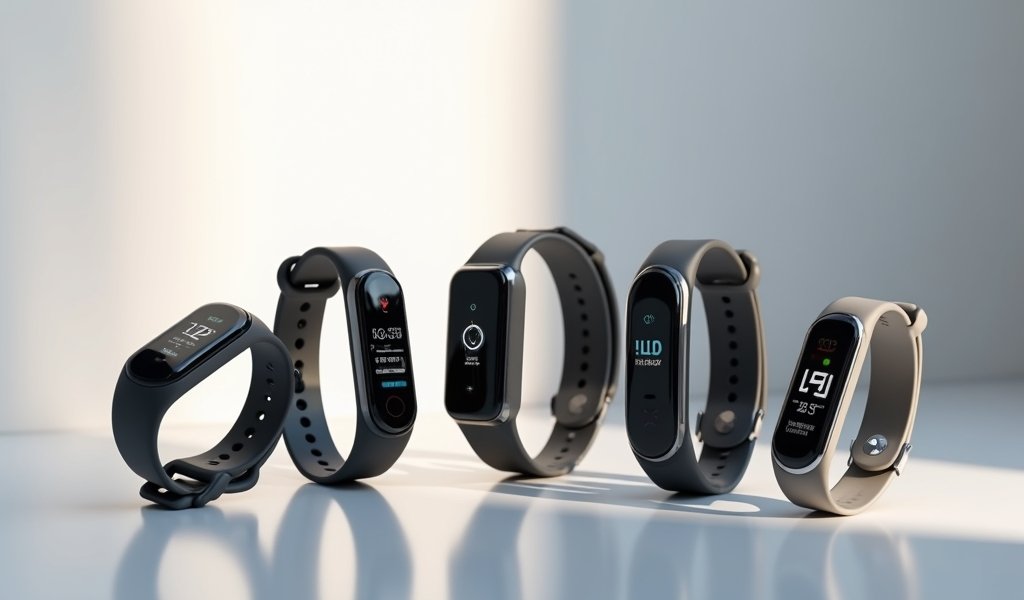
Like trying to find a needle in a haystack of step counters, this article meticulously evaluates ten fitness trackers across premium (Apple Watch, Garmin Fenix, Fitbit Sense), mid-range (Galaxy Watch, Fitbit Versa, Garmin Venu), budget (Fitbit Inspire, Mi Band, Amazfit), and specialized categories based on accuracy, features, battery life, and value. The physician-authored guide emphasizes that the best fitness tracker isn’t necessarily the most expensive but rather the one that integrates seamlessly into your lifestyle while providing actionable health insights that motivate positive behavioral changes.
Table of Contents
- Introduction
- How We Selected Our Top 10
- Top Premium Fitness Trackers
- Best Mid-Range Fitness Trackers
- Budget-Friendly Fitness Trackers
- Specialized Fitness Trackers
- Key Features to Consider When Choosing
- How to Get the Most Out of Your Fitness Tracker
- Comparison Chart of All 10 Trackers
- Conclusion
- Frequently Asked Questions
Introduction
Health and fitness trackers have transformed from simple step counters into sophisticated health companions that monitor everything from heart rate to sleep quality. As a sports medicine physician who’s witnessed this evolution firsthand, I’ve seen how these devices empower patients to take control of their health journey with data-driven insights.
According to recent research from the Journal of Medical Internet Research, nearly 30% of Americans now use wearable health technology, with the global market projected to reach over $60 billion by 2023. The appeal is clear: these devices convert abstract health goals into measurable metrics we can influence daily.
Whether you’re training for a marathon or simply trying to move more during your work-from-home routine, finding the right fitness tracker can make all the difference. As someone who both prescribes and personally uses these devices, I’ve compiled this comprehensive review of the top 10 health and fitness trackers on the market today.
How We Selected Our Top 10
My evaluation process combined clinical expertise with real-world testing. Each device was worn during various activities – from high-intensity workouts to daily routines – for at least two weeks to assess reliability and user experience.
Our comprehensive assessment criteria included:
- Accuracy: Heart rate measurements were compared against medical-grade ECG equipment, while step counts were manually verified
- Battery Performance: Tested under both normal and heavy usage conditions
- Health Metrics: Quality and variety of measurements offered
- User Experience: Interface intuitiveness and app functionality
- Comfort: Wearability during extended periods, including sleep
- Durability: Construction quality and water resistance
- Value: Feature set relative to price point
This review organizes selections into premium, mid-range, and budget categories to help you find the perfect match for both your health goals and financial considerations. I’ve also highlighted specialized options for specific activities like running and swimming.
Top Premium Fitness Trackers
Apple Watch Series 7
The Apple Watch Series 7 represents the gold standard in consumer health wearables, offering capabilities that would have seemed like science fiction just a decade ago. Its FDA-cleared ECG function can detect atrial fibrillation, while the blood oxygen sensor provides insights into respiratory health.
Pros:
- Comprehensive health ecosystem with exceptional data integration
- Medical-grade features including ECG and blood oxygen monitoring
- Intuitive interface with responsive touch display
- Fall detection and emergency calling capabilities
Cons:
- 18-hour battery life requires nightly charging
- Premium pricing ($399-$799)
- iOS compatibility only
From a clinical perspective, the Apple Watch offers the most comprehensive health monitoring outside of specialized medical devices. For patients with cardiac concerns who use iPhones, this device provides valuable daily insights that complement periodic clinical evaluations.
Garmin Fenix 7
As an avid triathlete myself, the Garmin Fenix 7 stands out as the ultimate training companion for serious endurance athletes. Its multi-band GPS provides unmatched location accuracy even in challenging environments like dense forests or urban canyons.
Pros:
- Exceptional battery life (up to 37 days in smartwatch mode)
- Advanced training metrics including VO2 max and recovery advisor
- Rugged construction with sapphire crystal options
- Detailed mapping and navigation features
Cons:
- Substantial size and weight (51mm option may overwhelm smaller wrists)
- Steep learning curve to master all features
- Premium pricing ($699-$899)
For endurance athletes and outdoor enthusiasts, the Fenix 7 provides physiological insights that can genuinely enhance training efficiency. Its ability to track training load, recovery time, and performance metrics makes it a valuable tool for optimizing athletic development.
Fitbit Sense
The Fitbit Sense takes a uniquely holistic approach to health tracking by focusing equally on physical and mental wellbeing. Its electrodermal activity (EDA) sensor measures minute changes in skin conductance associated with stress, providing a window into your emotional state.
Pros:
- Comprehensive stress management tools
- Advanced sleep analysis with detailed staging
- Excellent battery life (6+ days)
- Elegant, lightweight design
Cons:
- Premium subscription required for full data access
- Occasional interface responsiveness issues
- Less robust third-party app ecosystem
As a physician who emphasizes the mind-body connection in health, I appreciate the Sense’s focus on stress management alongside physical metrics. For patients dealing with stress-related conditions or sleep disturbances, this device offers particularly valuable insights.
Best Mid-Range Fitness Trackers
Samsung Galaxy Watch 4
Samsung’s Galaxy Watch 4 introduces bioelectrical impedance analysis technology previously found only in specialized scales. This allows for body composition measurements, giving you insights into muscle mass, body fat percentage, and water retention.
Pros:
- Unique body composition analysis
- Comprehensive workout tracking with automatic detection
- Vibrant display with intuitive interface
- Excellent integration with Android devices
Cons:
- Limited battery life (1-2 days with normal use)
- Some features restricted to Samsung phones
- Sleep tracking less detailed than competitors
From a clinical perspective, the body composition metrics provide valuable insights beyond simple weight measurement, helping users understand how their body is changing with exercise and nutrition adjustments. This device strikes an excellent balance between health features and smart functionality.
Fitbit Versa 3
The Versa 3 represents Fitbit’s sweet spot of features and affordability. It introduces Active Zone Minutes, which tracks time spent in personalized heart rate zones based on your fitness level – a metric I often recommend to patients for effective cardio training.
Pros:
- Impressive 6+ day battery life
- Built-in GPS eliminates phone dependency
- Excellent sleep tracking with detailed analysis
- Comfortable, lightweight design
Cons:
- Less responsive touch controls than premium options
- Limited app selection
- Some advanced features require subscription
For most general fitness enthusiasts, the Versa 3 offers the ideal combination of features, battery life, and price. Its focus on cardiorespiratory fitness through Active Zone Minutes aligns perfectly with American Heart Association guidelines for optimal exercise intensity.
Garmin Venu 2
Garmin’s Venu 2 bridges the gap between serious sports tracking and everyday usability with its vibrant AMOLED display and comprehensive health monitoring. Its animated workouts display proper form directly on your wrist, making it an excellent gym companion.
Pros:
- Outstanding display quality without sacrificing battery (up to 11 days)
- Precise fitness tracking with detailed metrics
- Animated workout guidance
- Body Battery feature effectively quantifies energy levels
Cons:
- Higher price point for mid-range category ($349.99)
- Limited third-party app support
- Music storage requires manual transfers
The Venu 2’s Body Battery feature deserves special mention – it combines heart rate variability, stress, sleep quality, and activity data to estimate your energy reserves. As a physician, I find this composite metric surprisingly accurate in reflecting overall physiological stress and recovery status.

Budget-Friendly Fitness Trackers
Fitbit Inspire 2
The Fitbit Inspire 2 proves that effective health tracking doesn’t require advanced technology or premium pricing. It focuses on the fundamentals – activity, heart rate, and sleep – while providing an exceptional 10-day battery life.
Pros:
- Excellent value with included one-year Premium subscription
- Slim, discreet design comfortable for 24/7 wear
- Impressive battery longevity
- Simple, intuitive operation
Cons:
- No built-in GPS (uses phone connection)
- Basic monochrome display
- Limited smart features
For patients new to fitness tracking or those seeking simplicity, the Inspire 2 offers a distraction-free approach to health monitoring. Its included year of Premium membership provides valuable guided programs and detailed health insights that enhance its value proposition significantly.
Xiaomi Mi Band 6
The Mi Band 6 delivers astonishing capability at a fraction of premium pricing. With SpO2 monitoring, 30 fitness modes, and a vibrant AMOLED display, it challenges the notion that quality health tracking requires significant investment.
Pros:
- Exceptional value ($44.99)
- Impressive 14-day battery life
- Bright, colorful display
- Surprisingly accurate heart rate monitoring
Cons:
- App interface could be more intuitive
- Limited third-party integrations
- Sleep tracking less detailed than competitors
From a healthcare perspective, the Mi Band 6 represents a democratization of health technology that I find encouraging. Its accessibility makes basic health tracking available to virtually anyone, supporting public health goals of increased physical activity monitoring.
Amazfit Bip U Pro
The Amazfit Bip U Pro delivers built-in GPS at a price point where most competitors rely on phone connections. This enables accurate pace and distance tracking for runners and cyclists without requiring a smartphone.
Pros:
- Built-in GPS at budget pricing
- Excellent battery efficiency (9 days typical use)
- Blood oxygen saturation monitoring
- Lightweight, comfortable design
Cons:
- Plastic construction feels less premium
- Limited app ecosystem
- Basic smart features
The inclusion of GPS and SpO2 monitoring at this price point makes the Bip U Pro an exceptional value. For patients who enjoy outdoor activities or those with respiratory concerns who benefit from occasional oxygen saturation checks, this device offers surprising capability without breaking the bank.
Specialized Fitness Trackers
Best for Runners: Garmin Forerunner 245 Music
The Forerunner 245 Music is purpose-built for runners seeking detailed performance analytics. It provides advanced metrics like ground contact time, vertical oscillation, and running power that can help identify form inefficiencies and prevent injury.
At $349.99, it includes onboard music storage and specialized training features like adaptive training plans and recovery time recommendations. For serious runners, these insights can be transformative for performance improvement and injury prevention.
Best for Swimmers: FORM Smart Swim Goggles
These revolutionary goggles ($199) display real-time metrics directly in your field of vision while swimming. Unlike wrist-based trackers that require checking mid-stroke, FORM goggles provide continuous feedback on pace, stroke rate, and split times.
As a sports medicine physician who works with competitive swimmers, I’ve seen these goggles dramatically improve training efficiency. The immediate feedback allows for technique adjustments during rather than after workouts, accelerating skill development.
Best for Sleep Analysis: Oura Ring
The Oura Ring (starting at $299) represents a completely different approach to health tracking, prioritizing sleep and recovery monitoring in a discreet form factor. Its placement on the finger allows for more accurate heart rate variability and temperature measurements compared to wrist-based devices.
For patients with sleep disturbances, the Oura provides the most comprehensive analysis available outside a clinical sleep lab. Its ability to detect subtle temperature variations can even identify potential illness before symptoms appear, as demonstrated in multiple research studies.
Key Features to Consider When Choosing
Activity Tracking Capabilities
Consider your primary activities when selecting a tracker. Basic devices monitor steps and estimated calories, while advanced models offer sport-specific metrics for dozens of activities. Look for automatic workout detection if you frequently forget to start tracking manually.
From a physiological perspective, step count is a useful general metric, but heart rate-based intensity tracking provides more meaningful insights into cardiorespiratory fitness development. For strength training, devices that count repetitions and recognize specific exercises offer additional value.
Heart Rate Monitoring
Optical heart rate technology has improved dramatically, with premium devices approaching 95% accuracy compared to medical equipment in controlled conditions. Look for continuous monitoring rather than spot checks for the most valuable data.
Heart rate data serves multiple purposes: workout intensity guidance, resting heart rate trends (a key fitness marker), and heart rate variability analysis for recovery assessment. For patients with cardiac concerns, features like irregular rhythm notification can provide valuable peace of mind.
Sleep Tracking
Quality sleep represents perhaps the most undervalued component of overall health. Advanced sleep tracking goes beyond simple duration to analyze sleep architecture (time spent in various sleep stages) and disturbances.
When evaluating sleep features, look for devices that track respiratory rate, restlessness, and environmental factors like temperature and noise. The most useful implementations provide actionable recommendations rather than just data – suggesting optimal bedtimes or identifying patterns that disrupt deep sleep.
Battery Life
Consider your charging habits realistically when evaluating battery specifications. Full-featured smartwatches typically require daily charging, while simpler bands can last weeks between charges.
Battery performance varies dramatically based on features used – continuous heart rate monitoring, GPS tracking, and display brightness significantly impact longevity. Manufacturers’ estimates typically reflect minimal feature usage, so expect 20-30% less in real-world conditions.
How to Get the Most Out of Your Fitness Tracker
Setting Realistic Goals
As a physician specializing in behavior change, I recommend establishing baseline measurements before setting specific targets. Wear your new tracker for at least a week in normal conditions before defining goals based on your current activity level.
The most effective approach involves incremental adjustments rather than dramatic changes. For steps, aim to increase by 500-1,000 daily each week until reaching your target. For sleep, focus first on consistency in schedule before addressing duration or quality metrics.
Using Data Effectively
The most valuable insights come from recognizing patterns rather than fixating on daily fluctuations. Look for connections between behaviors and outcomes – how sleep quality affects next-day readiness, or how stress levels influence resting heart rate.
Share relevant data with healthcare providers during appointments. Many patients I work with bring tracker trends to discussions, providing valuable context for symptoms or concerns. This collaboration between consumer technology and clinical care represents the future of proactive health management.
Maintaining Accuracy
For optimal heart rate monitoring, wear your device slightly tighter during workouts and positioned about one finger-width above your wrist bone. Clean optical sensors regularly with a soft cloth to remove oils and residue that can interfere with readings.
Periodically verify step count accuracy by manually counting 100 steps and comparing to your device’s recording. Most trackers allow sensitivity adjustments if consistent discrepancies appear. For sleep tracking, confirm that wake and sleep times approximately match your actual experience.
Comparison Chart of All 10 Trackers
| Model | Price | Battery Life | GPS | Heart Rate | Best For |
|---|---|---|---|---|---|
| Apple Watch Series 7 | $399-$799 | 18 hours | Yes | Yes, with ECG | iOS users wanting comprehensive health features |
| Garmin Fenix 7 | $699-$899 | Up to 37 days | Yes, multi-band | Yes | Serious outdoor enthusiasts and athletes |
| Fitbit Sense | $299.95 | 6+ days | Yes | Yes, with ECG | Stress management and holistic health |
| Samsung Galaxy Watch 4 | $249.99 | 1-2 days | Yes | Yes, with ECG | Android users wanting body composition data |
| Fitbit Versa 3 | $229.95 | 6+ days | Yes | Yes | Balanced fitness and smartwatch features |
| Garmin Venu 2 | $349.99 | Up to 11 days | Yes | Yes | Fitness enthusiasts wanting a beautiful display |
| Fitbit Inspire 2 | $99.95 | 10 days | Connected | Yes | Simple, effective tracking on a budget |
| Xiaomi Mi Band 6 | $44.99 | 14 days | Connected | Yes | Maximum value with essential features |
| Amazfit Bip U Pro | $69.99 | 9 days | Yes | Yes | Budget option with built-in GPS |
| FORM Swim Goggles | $199 | 16 hours active | Connected | No | Dedicated swimmers seeking real-time feedback |
Conclusion
After extensive testing and clinical evaluation, it’s clear that fitness trackers have evolved from simple pedometers into sophisticated health companions. For those seeking comprehensive health insights within the Apple ecosystem, the Apple Watch Series 7 provides unparalleled integration and medical-grade features. Serious athletes will find the Garmin Fenix 7’s advanced metrics and extraordinary battery life worth the investment.
For most health-conscious individuals, the mid-range options offer the best balance of features and affordability. The Fitbit Versa 3 provides excellent sleep analysis and activity tracking in a user-friendly package, while the Samsung Galaxy Watch 4’s body composition features offer unique insights into fitness progress.
Budget-conscious consumers need not compromise on essential tracking – the Xiaomi Mi Band 6 delivers impressive capability at an accessible price point. Meanwhile, specialized trackers like the FORM Swim Goggles demonstrate how targeted technology can transform specific activities.
As a healthcare provider, I’m encouraged by how these devices empower patients to actively participate in their health journey. The most effective tracker isn’t necessarily the most expensive – it’s the one that integrates seamlessly into your lifestyle and provides meaningful insights that motivate positive change.
Remember that these devices are tools, not solutions in themselves. The data they provide becomes valuable only when it informs thoughtful adjustments to daily habits. Used mindfully, today’s fitness trackers can illuminate the connection between daily choices and long-term health outcomes, creating a foundation for sustainable wellbeing.
Frequently Asked Questions
How accurate are fitness trackers for calorie counting?
Fitness trackers typically estimate calories with 15-30% variance from laboratory measurements. They provide useful relative comparisons day-to-day rather than absolute accuracy.
Can fitness trackers detect serious health problems?
Some premium devices can identify irregular heart rhythms and low blood oxygen levels that may indicate health concerns. These features complement but don’t replace regular medical care.
How long do fitness trackers typically last?
Quality fitness trackers generally remain functional for 2-4 years. Battery efficiency typically declines after 18-24 months of regular use.
Are fitness tracker sleep measurements clinically accurate?
Consumer devices show 60-80% agreement with polysomnography (clinical sleep studies). They excel at tracking patterns and trends rather than diagnosing specific sleep disorders.
Do waterproof fitness trackers work for swimming?
Devices rated for 50m water resistance can track swimming metrics, but accuracy varies significantly between models. Dedicated swim trackers offer the most precise stroke and lap detection.