

Overview
After one month of regular exercise biking (4-5 sessions weekly), you can expect modest weight loss (2-4 pounds), improved cardiovascular fitness, subtle muscle definition in legs, and significant mental health benefits including better mood and sleep quality. The article recommends combining various workout types (HIIT, steady-state cardio, and recovery rides) with proper nutrition, consistent tracking of progress beyond just weight, and strategies to overcome common challenges like motivation loss and saddle discomfort.
Table of Contents
- Introduction
- What to Expect After 1 Month on an Exercise Bike
- Creating an Effective 1-Month Exercise Bike Plan
- Types of Exercise Bike Workouts for Maximum Results
- Nutrition Tips to Complement Your Exercise Bike Routine
- Tracking Your Progress
- Common Challenges and How to Overcome Them
- Real Results: Success Stories
- Beyond the First Month
- Conclusion
- Frequently Asked Questions
Introduction
Exercise bikes have revolutionized home fitness, pedaling their way into living rooms across the country. These stationary marvels offer convenience without sacrificing effectiveness, letting you build fitness without leaving home. As you consider investing in an exercise bike or recommitting to the one gathering dust in the corner, you likely have one burning question: what can I achieve in just one month?
Let’s dispel the fitness myths and Instagram illusions. While 30 days won’t transform you into a professional cyclist, the changes that occur during this initial period can be remarkable. From enhanced cardiovascular fitness to the beginnings of muscle definition, that first month marks the foundation of a journey your future self will celebrate.
As a health professional who has guided hundreds through their fitness journeys, I’ve witnessed the transformative power of consistent cycling. The key lies in understanding realistic expectations and implementing a structured approach that maximizes your efforts from day one.
What to Expect After 1 Month on an Exercise Bike
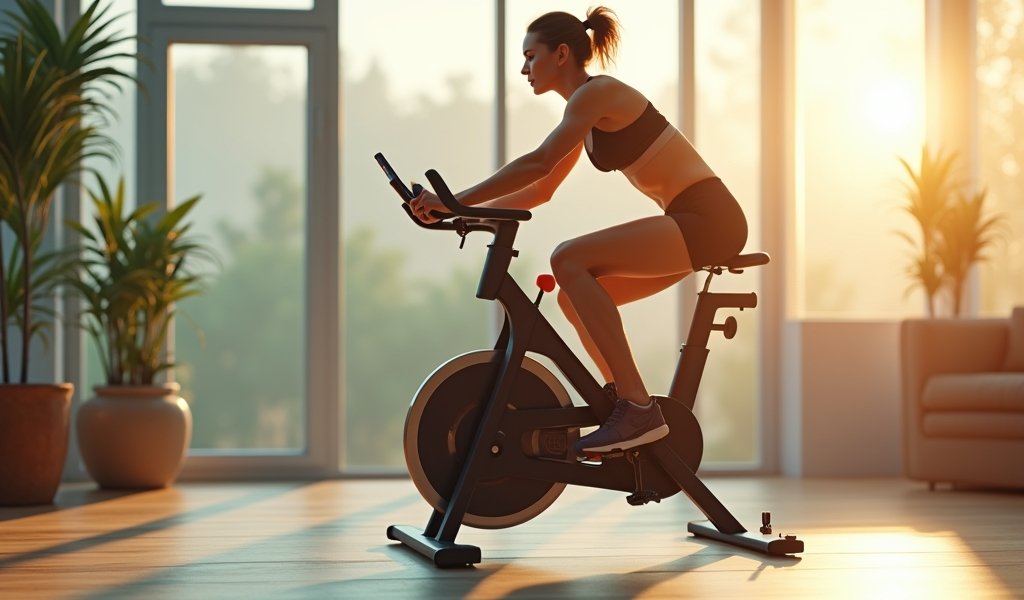
Weight loss requires patience and consistency. With regular exercise biking over a month, most individuals lose between 2-4 pounds while maintaining their current diet. Combine cycling with nutritional improvements, and that number might increase to 4-8 pounds. Remember that sustainable weight loss happens gradually—steady progress wins this health race.
Your cardiovascular system undergoes remarkable improvements during these first 30 days. After four weeks of consistent riding, many clients report noticeable stamina enhancements—climbing stairs becomes easier, and daily activities require less effort. Your resting heart rate may decrease by 3-5 beats per minute, reflecting your heart’s increasing efficiency.
The mirror reveals subtle muscle definition changes, particularly in your quadriceps, hamstrings, and calves. While you won’t develop professional cyclist legs in a month, the foundations begin forming. Many riders notice their clothes fitting differently—looser at the waist but more snug in the thighs as fat diminishes and lean muscle develops.
The mental health benefits often emerge first. Exercise triggers endorphin release, creating natural mood elevation. My clients consistently report improved sleep quality, reduced stress levels, and enhanced mental clarity after just 2-3 weeks of regular riding. These cognitive and emotional improvements frequently provide the motivation to continue when physical changes still seem subtle.
According to research published in the Journal of Physical Activity and Health, even moderate cycling can improve cardiovascular health markers in as little as four weeks, with participants showing improvements in blood pressure and aerobic capacity.
Creating an Effective 1-Month Exercise Bike Plan
For optimal results, aim for 4-5 sessions weekly, allowing your body adequate recovery time. Beginners should start with 20-30 minute sessions, gradually extending to 45 minutes as fitness improves. Those with established fitness foundations might begin with 30-45 minute workouts, potentially extending to an hour for specific training goals.
Intensity matters as much as duration. Beginners should maintain a comfortable pace where conversation remains possible but not effortless—around 60-70% of maximum heart rate. As fitness improves, introduce brief periods at 70-80% of maximum heart rate before returning to baseline intensity.
Progressive overload forms the cornerstone of any effective fitness plan. Each week, challenge yourself in one dimension: either ride longer, increase resistance, or boost intensity. This approach prevents plateaus while reducing injury risk.
A sample 4-week progression might look like this:
- Week 1: 20 minutes at moderate intensity, 4 times weekly
- Week 2: 25 minutes with two 1-minute high-intensity intervals, 4 times weekly
- Week 3: 30 minutes with three 1-minute high-intensity intervals, 5 times weekly
- Week 4: 35 minutes with four 1-minute high-intensity intervals, 5 times weekly
This structured approach ensures steady progress while allowing your body to adapt to increasing demands. The key lies in consistency—a moderate workout completed regularly delivers far better results than an occasional intense session.
Types of Exercise Bike Workouts for Maximum Results
High-Intensity Interval Training (HIIT) works like a metabolic furnace, burning calories during and after your session. A basic HIIT workout involves 30 seconds of maximum effort followed by 90 seconds of recovery, repeated 8-10 times. These compact but powerful sessions trigger the “afterburn effect,” where your body continues burning calories at an elevated rate for hours afterward.
Steady-state cardio builds the necessary foundation for cardiovascular health. These longer sessions (30-45 minutes) at moderate intensity develop endurance and improve your aerobic capacity. While less dramatic than HIIT workouts, these sessions strengthen your heart, enhance oxygen utilization, and build the stamina necessary for daily activities.
Interval training bridges the gap between HIIT and steady-state cardio. By alternating between moderate and slightly higher intensities (mimicking hills and flats), you challenge different energy systems while keeping the workout engaging. A typical session might include 5 minutes at baseline resistance followed by 3 minutes at increased resistance, repeated throughout the workout.
Recovery rides play a crucial role in any comprehensive program. These 20-30 minute sessions at low intensity enhance blood flow to fatigued muscles, accelerating recovery without adding stress. Incorporate one recovery ride weekly, particularly after your most challenging session.
The American College of Sports Medicine confirms that varying workout types maximizes physiological adaptations and helps prevent training plateaus.
Nutrition Tips to Complement Your Exercise Bike Routine
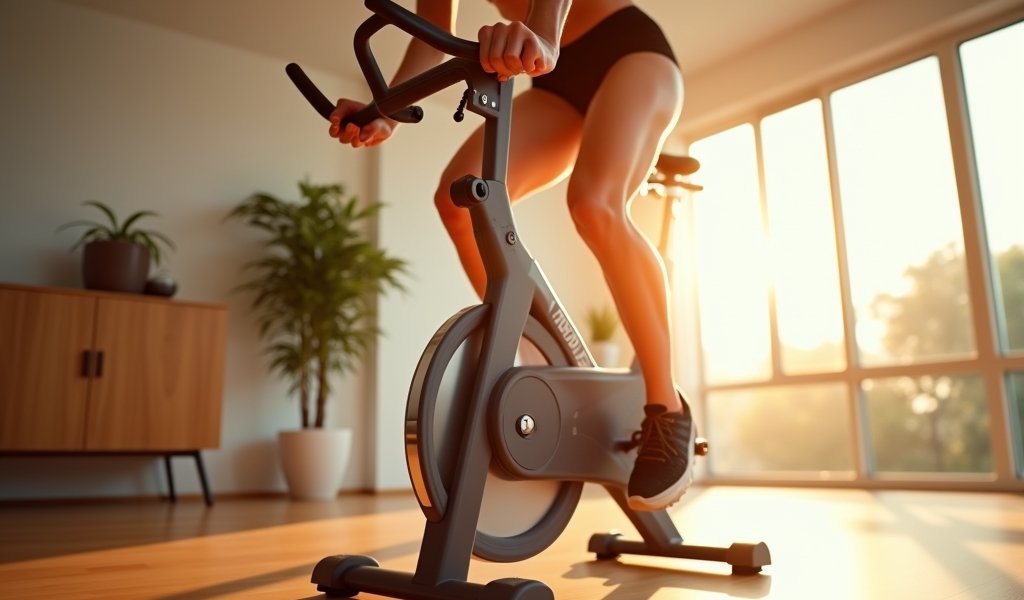
The fitness adage that “you can’t outride a poor diet” holds profound truth. Understanding caloric balance remains fundamental—most 30-minute moderate cycling sessions burn between 200-300 calories, equivalent to one small snack. For weight loss, create a modest daily deficit of 300-500 calories through a combination of exercise and dietary adjustments.
Macronutrient balance supports both performance and recovery. Carbohydrates fuel your rides (aim for 40-50% of your diet), protein rebuilds muscle tissue (20-30%), while healthy fats support hormone production and vitamin absorption (25-35%). This balanced approach provides sustained energy while supporting recovery.
Timing your nutrition around workouts can enhance performance and results. For morning sessions, consider a small carbohydrate-rich snack 15-30 minutes before riding—half a banana or a slice of toast provides quick energy without digestive discomfort. After your workout, include protein within 30 minutes to support muscle repair—a protein shake, Greek yogurt, or eggs serve this purpose effectively.
Hydration, often overlooked in fitness programs, deserves special attention. Even mild dehydration can reduce performance by up to 30%, turning an energizing session into a grueling ordeal. Aim to drink 16-20 ounces of water two hours before riding, sip water during longer sessions, and rehydrate afterward with another 16-20 ounces.
Many of my clients achieve their health goals faster when they pair consistent exercise with nutritional awareness. The synergy between these elements creates momentum that accelerates results.
Tracking Your Progress
While the scale provides one metric, it tells an incomplete story. Take monthly measurements of your waist, hips, thighs, and chest to capture changes in body composition that weight alone might miss. Many riders find their weight changes minimally while their measurements shift significantly as muscle replaces fat.
Fitness metrics offer objective proof of improvement. Track your heart rate recovery (how quickly your heart rate drops after exertion), the resistance levels you maintain, and your perceived exertion during standard workouts. These numbers often improve before visible changes appear, providing encouragement during the early weeks.
Photo documentation provides undeniable evidence of progress. Take weekly photos in consistent lighting, wearing similar clothes, and from the same angles. These visual records often reveal changes that daily mirror checks miss, especially when viewed sequentially.
Journaling transforms subjective feelings into trackable data. Record your energy levels, sleep quality, mood, and motivation alongside your workout details. These notes highlight patterns between your exercise consistency and overall well-being, reinforcing benefits beyond physical changes.
Common Challenges and How to Overcome Them
Motivation inevitably wanes after the initial excitement fades. Combat this by scheduling your rides as non-negotiable appointments, finding an accountability partner, or joining online communities of fellow riders. Creating a compelling playlist or saving your favorite podcast exclusively for ride time can transform obligation into anticipation.
Plateaus emerge when your body adapts to consistent stimuli. Prevent them by varying your workouts—change the intensity pattern, try a new class format, or alternate between sitting and standing positions. Even small adjustments like changing your resistance pattern every two weeks challenge your body in new ways.
Saddle discomfort represents the most common physical complaint among new riders. Address this by ensuring proper bike setup (seat height and position), investing in padded cycling shorts for longer sessions, and allowing your body time to adapt. Most discomfort diminishes after 2-3 weeks as your body adjusts to this new activity.
Time constraints present practical challenges to consistency. Combat this by breaking longer sessions into two shorter rides when necessary, waking up 30 minutes earlier, or replacing passive activities (like evening TV) with riding. Remember that three 20-minute sessions deliver more benefit than one missed 60-minute workout.
Real Results: Success Stories
Emma, a 42-year-old office manager, began her exercise bike journey carrying an extra 30 pounds and battling persistent fatigue. “After my first month of riding four times weekly, I lost 6 pounds, but the energy difference amazed me. I stopped needing my afternoon coffee, and my sleep improved dramatically. My clothes fit differently too—especially around my waist.”
Mark, 35, sought cardiovascular improvements rather than weight loss. “I couldn’t climb two flights of stairs without feeling winded. After four weeks of consistent riding, my resting heart rate dropped from 76 to 68, and I completed a full day of hiking with my kids—something impossible before.”
Sarah, 29, battled postpartum depression after her second child. “The exercise bike became my sanctuary—30 minutes where I focused just on me. After a month, yes, I lost some baby weight, but the mental clarity and emotional stability were the real victories. I became more patient with my toddler and more present with my newborn.”
These stories share a common thread—while physical changes were welcome, the improvements in energy, mood, and overall quality of life often proved more meaningful and motivating.
Beyond the First Month
As you enter month two, your foundation allows you to build rather than merely begin. Consider incorporating structured training like power zone training, virtual racing events, or themed challenges to maintain engagement. Many riders naturally increase their session frequency or duration as their fitness improves.
The long-term benefits of consistent cycling extend far beyond aesthetic changes. Regular riders experience improved cholesterol profiles, better blood sugar regulation, reduced blood pressure, and enhanced immune function. These invisible improvements may not show in the mirror but add quality years to your life.
New goals keep motivation fresh as your fitness advances. Consider training for a charity ride, targeting a specific power output, mastering high-intensity sessions, or focusing on specific body composition goals. The versatility of exercise bikes allows your training to evolve alongside your improving fitness.
Conclusion
One month on an exercise bike won’t completely transform your physique, but it can fundamentally shift your trajectory toward improved health and fitness. Those first 30 days lay crucial groundwork—establishing habits, building basic fitness, and creating momentum that carries into the coming months.
The most significant achievement of your first month isn’t pounds lost or muscles toned—it’s proving to yourself that you can commit to positive change. Each session represents an investment in your health, a decision that compounds over time into remarkable results.
Why not start today? Your one-month-from-now self awaits to thank you for taking that first ride. The journey toward improved fitness begins with a single pedal stroke—and the momentum you build in those first 30 days can power positive changes for years to come.
Frequently Asked Questions
How much weight can I lose in one month of using an exercise bike?
Most people lose 2-4 pounds in a month of regular exercise biking while maintaining their current diet. Combined with nutritional improvements, this number might increase to 4-8 pounds.
How often should I use an exercise bike to see results in a month?
Aim for 4-5 sessions weekly, allowing your body adequate recovery time. Consistency matters more than occasional intense workouts.
Will I see muscle definition after one month on an exercise bike?
You’ll notice subtle changes in muscle definition, particularly in your quadriceps, hamstrings, and calves. While not dramatic, these changes lay the foundation for further development.
Can I see cardiovascular improvements in just one month?
Yes, many people experience noticeable cardiovascular improvements within 4 weeks. Your resting heart rate may decrease by 3-5 beats per minute, and everyday activities often become less taxing.
Is 20 minutes on an exercise bike enough to see results?
Yes, 20-minute sessions can produce results if performed consistently (4-5 times weekly) and with appropriate intensity. Quality and consistency matter more than extended duration, especially for beginners.